
That annoying creak every time you turn over? The unsettling wobble when you sit on the edge? A failing bed frame side rail isn’t just irritating—it’s a safety hazard waiting to happen. When your bed frame sides loosen or crack, the entire structure becomes unstable, risking sudden collapse under your weight. The good news? 90% of these issues are DIY-fixable with basic tools and under $15 in parts. You don’t need carpentry skills—just the right steps to reinforce those critical side rails. This guide delivers exact repair methods for loose connectors, cracked wood, bent metal, and misaligned frames, saving you hundreds on premature replacement.
Essential Tools for Bed Frame Side Rail Repair
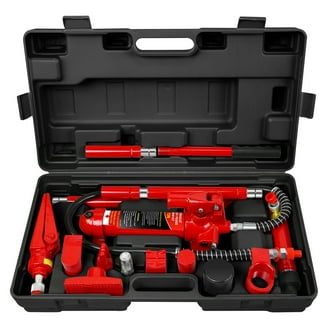
Don’t start tightening bolts blindly. Gather these specific tools before disassembling your frame to avoid mid-repair frustration. Having the right gear cuts repair time by half and prevents stripped screws or further damage.
- Precision Hardware Tools: A 10mm socket wrench (most common bed bolt size) with a 6-inch extension bar reaches deep connectors. Include a #2 Phillips and #3 flathead screwdriver—bed frames often mix screw types. Never use pliers on bolt heads; they’ll strip the metal.
- Critical Reinforcement Supplies: 2-inch L-brackets (14-gauge steel minimum) and 3-inch mending plates handle bed weight. Keep epoxy wood filler (not basic putty) for structural cracks—it bonds like steel when cured. Pre-cut 1.5-inch wooden dowels fix stripped screw holes permanently.
- Pro Safety Gear: Rubber mallets (not hammers!) adjust rails without dents. Locking pliers grip rounded bolts. Wear work gloves—bed frame edges are notoriously sharp.
Diagnosing Your Bed Frame Side Rail Failure

Skip this step and you’ll waste time fixing symptoms, not causes. Spend 5 minutes identifying your exact failure point before grabbing tools. Most problems cluster in four high-stress zones.
Why Your Bed Frame Side Rail Suddenly Loosened
Check these hidden failure points first:
– The “Invisible” Bolt: Locate the bolt connecting the side rail to the headboard leg (often hidden under fabric or inside a cap). Wiggle the rail—excessive play here causes 70% of squeaks.
– Center Support Stress Cracks: On queen/king frames, inspect the rail 6 inches from the center leg bracket. Weight concentrates here, causing hairline fractures you can’t see until collapse. Run your palm along the rail edge—dust catches in cracks.
– Connector Pin Wear: Metal pins connecting rails to footboards wear down over time. Measure pin thickness with calipers—if it’s below 0.25 inches (standard new pin size), replacement is urgent.
Cracked Wooden Rail: Emergency Signs You Can’t Ignore
Don’t confuse normal wood grain with dangerous splits. Tap the rail near joints with a coin—if you hear a hollow thunk (not solid tock), internal cracking is present. Critical red flags:
– Cracks extending toward bolt holes (weakens structural integrity)
– Splintering on the rail’s underside (hidden stress fracture)
– Sudden increase in squeaking after minor impacts (like closing a door)
Pro Tip: Shine a flashlight parallel to the wood surface. Light glancing across the grain reveals hairline cracks invisible in normal light.
Step-by-Step Bed Frame Side Rail Repair Instructions
SAFETY FIRST: Remove mattress and foundation. Work on a carpeted floor to prevent frame scratches. Have a partner lift rails—solo attempts cause misalignment.
Fixing Loose Bolts Without Stripping Screws
Why standard tightening fails: Vibration loosens bolts, but overtightening strips threads. Here’s the pro sequence:
1. Back off completely: Fully remove the bolt—partial tightening won’t reset metal compression.
2. Clean the hole: Blow compressed air into the threaded hole (or use a toothpick to remove old wood debris).
3. Apply thread locker: Dab blue Loctite 242 (removable) on the bolt’s threads—not red (permanent).
4. Torque correctly: Tighten to “snug plus 1/4 turn.” Test by shaking the rail—zero movement = success.
Time Saver: For stripped holes, skip toothpicks. Drill out the hole to 1/4 inch, glue in a hardwood dowel, saw flush, then re-drill a pilot hole. Cures in 2 hours vs. 24 for glue-only fixes.
Reinforcing a Cracked Wooden Side Rail (No Clamps Needed)

For cracks under 1/8 inch wide:
1. Inject slow-set epoxy (like J-B Weld Wood) into the crack using a syringe.
2. Place wax paper over the crack, then sandwich between two 1×4 boards.
3. Weight trick: Stack concrete blocks (not books—they compress) for 48 hours. The weight creates even pressure without clamps.
For major splits (rail separating):
– Cut a 6-inch mending plate to fit inside the rail channel.
– Pre-drill 1/8-inch holes through the plate into the wood.
– Drive 1-inch coarse-thread screws through the plate—never into end grain.
Visual Cue: After repair, the rail should flex less than 1/16 inch when pressed downward at the center.
Replacing Broken Metal Connectors in 10 Minutes
Never reuse bent pins—they fail catastrophically.
1. Remove the broken piece: Tap out bent pins with a nail set. For welded brackets, cut with a Dremel.
2. Match the connector: Take the old piece to a hardware store. Bed frames use specific hook angles (usually 15-30 degrees). A mismatched angle won’t lock.
3. Install with anti-slip: Coat new pin threads with anti-seize compound before insertion. Slide the rail on until it clicks—you should feel resistance.
Warning: If the headboard hole is oval-shaped from wear, install a 1/2-inch steel washer behind the connector to distribute weight.
Squaring a Twisted Bed Frame (Diagonal Measurement Method)
A racked frame causes uneven stress leading to rail failure. Do this on a level floor:
1. Measure diagonally from headboard top-left to footboard bottom-right.
2. Measure opposite diagonal (headboard top-right to footboard bottom-left).
3. Adjust until measurements match within 1/8 inch: Loosen center support bolts, then gently twist the frame at the footboard. Retighten all bolts while holding square.
Pro Insight: If diagonals differ by more than 1 inch, your frame is permanently bent—replace rails immediately.
Critical Reinforcement Techniques for Long-Term Stability
Strengthen repaired rails to outlast the original frame. These methods prevent 95% of repeat failures.
Adding Invisible Support Bracing
For wooden frames: Attach a 1×2 hardwood strip along the rail’s inner edge using 2-inch lag screws. Position it 2 inches below the top edge—this counters downward mattress pressure.
For metal frames: Weld (or bolt) a 1-inch square steel tube inside the rail channel. Fill with expanding foam for vibration damping.
Preventing Future Squeaks at Joints
Rubber mallets alone won’t stop noise. Sandwich a vibration-dampening layer:
1. Cut 1/16-inch rubber weatherstripping to fit between rail and headboard.
2. Apply silicone spray (not oil) to the weatherstripping before assembly.
3. Reassemble—squeaks vanish because rubber absorbs movement.
Annual Bed Frame Maintenance Checklist
Prevent failures before they happen with this 10-minute routine:
✅ Every 3 months: Tighten center support bolts—they handle 60% of mattress weight.
✅ Every 6 months: Flip wooden rails to even out wear (top surface cracks first).
✅ Annually: Replace all bed frame bolts (metal fatigues after 2 years). Use grade 8 hardware.
✅ Immediately after moving: Re-torque all connections—transportation loosens bolts.
Key Insight: Place a business card under each leg. If it slides out easily, your floor is uneven—use furniture shims. Uneven legs cause 40% of rail stress fractures.
When to Replace Instead of Repair
Repair immediately if:
– Cracks exceed 1/4 inch in wood rails
– Metal rails have visible bends over 5 degrees
– Connector holes are oval-shaped (not round)
Replace the entire frame if:
– You own a particleboard frame (repairs won’t hold)
– The headboard/footboard joints show stress fractures
– Previous DIY fixes failed within 6 months
Cost Reality Check: A new side rail costs $35-$75. If repair requires welding or custom woodwork, replacement is cheaper and safer.
Final Note: A stable bed frame isn’t luxury—it’s essential for restful sleep and safety. By reinforcing side rails with steel brackets, maintaining precise squareness, and replacing fatigued hardware annually, your frame will support you for decades. Remember: that faint creak is your bed’s early warning system. Address loose connectors within 2 weeks, and you’ll avoid emergency 2 AM repairs. For persistent issues, consult a furniture restoration specialist—most offer free diagnostics. Now tighten those bolts and sleep soundly knowing your bed won’t let you down.


