
Your bed frame isn’t just furniture—it’s the foundation of your sleep quality, room aesthetics, and daily comfort. Choosing the wrong frame can lead to sagging mattresses, noisy nights, and wasted money on unnecessary accessories. With dozens of “all types of bed frames” flooding the market, from space-saving Murphy beds to luxury adjustable bases, navigating this decision feels overwhelming. Yet the right frame can extend your mattress lifespan by years, create valuable storage in small spaces, and even improve health conditions like acid reflux. This guide cuts through the confusion with specific, actionable information about every major bed frame type so you can make a confident purchase that supports restful sleep for years to come.
Platform Bed Frames: Why This Modern Design Eliminates Box Springs
Platform beds deliver minimalist style while providing direct mattress support through slats, solid panels, or metal grids. These low-profile frames sit just 5-12 inches from the floor, creating a clean, contemporary look that works especially well in modern and Scandinavian interiors. Unlike traditional frames, platform beds eliminate the need for a box spring, saving you $100-$300 upfront while reducing dust accumulation in your sleep environment.
Storage Platform Beds That Solve Small Space Problems
When square footage matters, platform beds with hydraulic lift mechanisms or built-in drawers transform dead space into valuable storage. Models with gas-assisted pistons provide smooth lifting for under-bed compartments holding up to 12 cubic feet of bedding, seasonal clothing, or luggage. For apartments under 500 square feet, these storage solutions can replace bulky dressers while keeping essentials accessible. Look for cedar-lined storage options if you live in humid climates—they naturally repel moths and mildew without chemical treatments.
Mattress Compatibility Checklist for Platform Beds
Your mattress type determines which platform support system you need:
– Memory foam and latex mattresses require solid, ventilated platforms with airflow holes
– Hybrid and innerspring mattresses need slats spaced no more than 3 inches apart
– Adjustable air beds demand solid platforms or extremely closely spaced slats
Ignoring these requirements causes premature sagging and voids your mattress warranty. Test your current mattress on a hard surface—if it feels uncomfortable, you’ll need a bunkie board between mattress and platform.
Panel Bed Frames: Traditional Elegance With Hidden Support Requirements
Panel beds feature distinct headboards and footboards connected by side rails, creating that classic “framed” bed appearance. These traditional designs require a box spring or foundation beneath your mattress, elevating your sleeping surface to 18-24 inches—ideal for those who struggle getting in and out of low platform beds. The headboard often serves as your room’s focal point, with upholstered options providing comfortable back support for reading in bed.
Four-Poster and Sleigh Bed Variations That Define Your Style
Sleigh beds with their curved headboards and footboards create romantic, traditional spaces, typically crafted from solid hardwoods like cherry or mahogany. Four-poster beds offer even more dramatic impact with vertical posts at each corner, supporting fabric canopies or wooden testers. For smaller rooms, consider half-canopy designs that extend only over the head of the bed, maintaining visual height without overwhelming your space. Metal versions with scrollwork provide similar elegance at lower price points, especially in iron or brass finishes.
Adjustable Bed Frames: Medical Benefits Beyond Comfort You Need to Know
Motorized adjustable bases let you elevate your head and feet independently, offering therapeutic positions that alleviate conditions like sleep apnea, acid reflux, and chronic back pain. Dual-motor systems allow partners to customize their side independently, while wall-hugger designs keep you positioned near nightstands during adjustment. Beyond health benefits, these frames often include USB ports, under-bed lighting, and even massage functions for ultimate relaxation.
Zero Gravity Positioning That Reduces Pressure Points
The scientifically backed zero-gravity position—slightly elevating both head and feet—distributes body weight evenly to minimize pressure points. This position reduces spinal compression by up to 20% compared to lying flat, making it ideal for back pain sufferers. Many medical professionals recommend this position for post-surgical recovery. When shopping, prioritize frames with quiet motors and multiple preset positions (like anti-snore and TV viewing) for maximum therapeutic value.
Murphy Wall Beds: Space-Saving Solutions That Don’t Sacrifice Style
Murphy beds (wall beds) fold vertically into cabinets when not in use, transforming bedrooms into multi-functional spaces. Modern piston-lift systems make raising and lowering effortless—one person can operate most queen-sized models. Unlike outdated versions that looked institutional, today’s Murphy beds incorporate desks, shelving, and even sofa conversions that blend seamlessly into living spaces.
Murphy Desk Bed Conversions That Maximize Studio Apartments
For urban dwellers in studio apartments, Murphy beds that convert to workspaces solve the perpetual “bed vs. desk” dilemma. During the day, the folded bed becomes a full workstation with integrated storage, then transforms back to sleeping space at night. Look for models with slow-closing mechanisms and automatic safety locks—critical features if you have children or pets. The best units maintain stability when extended, with no wobble during use.
Loft and Bunk Beds: Safety-First Designs for Small Spaces and Kids’ Rooms

Loft beds elevate sleeping surfaces to create usable space underneath for desks, seating, or storage—ideal for college dorms and children’s rooms under 100 square feet. Bunk beds maximize vertical space for shared bedrooms, with L-shaped configurations offering more floor space than traditional stacked designs. Safety is paramount: all bunk beds for children require guardrails extending at least 5 inches above the mattress and sturdy ladders with non-slip treads.
Space-Saving Bunk Bed Designs for Growing Families
When selecting bunk beds, prioritize models with adjustable guardrails that convert to standard beds as children grow. Futon bunks provide daytime seating that converts to sleeping space for guests. For maximum safety, ensure the bed meets CPSC standards with slat spacing under 3.5 inches to prevent entrapment. The top bunk should sit at least 30 inches from the ceiling for comfortable sitting—measure your room height before purchasing.
Storage Bed Frames: Maximize Square Footage With Hidden Organizational Power
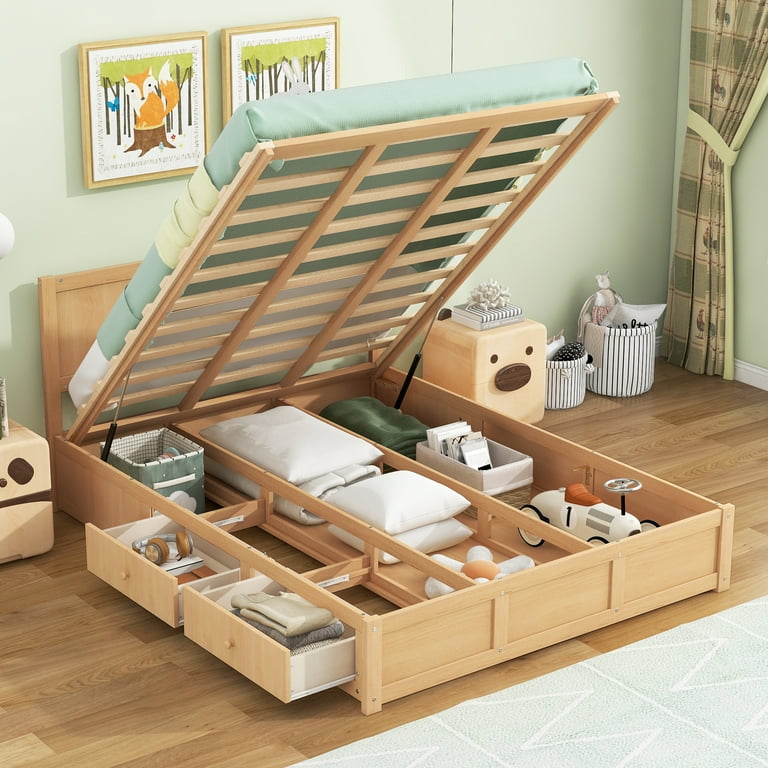
Beyond basic platform storage beds, specialized storage frames include ottoman beds with gas-lift mechanisms and divan beds with multiple under-bed drawers. Hydraulic storage beds provide the easiest access, with smooth piston operation requiring minimal effort to lift even queen-sized mattresses. For clothing storage, cedar-lined compartments protect fabrics naturally while drawer systems with ball-bearing slides ensure smooth operation even when fully loaded.
Choosing Your Bed Frame: The 5-Point Checklist Professionals Use
Selecting the right frame requires matching your specific needs rather than following trends. First, verify mattress compatibility—memory foam requires solid support while innersprings need closely spaced slats. Second, measure your room height; platform beds work best in spaces under 8 feet while panel beds need higher ceilings. Third, calculate weight requirements—queen platforms need at least 2 center support legs to handle 500+ pounds safely.
Budget Smart: Where to Splurge and Where to Save
Invest in quality where it matters most: the frame’s structural components. Solid wood frames ($800+) last decades but engineered wood with veneers ($300-$600) offers good value for secondary bedrooms. Avoid cheap metal frames under $150—they often develop squeaks and wobble within months. For adjustable bases, prioritize dual-motor systems ($1,200+) over single-motor versions—they provide better customization and last longer. Remember that a quality frame should outlast 2-3 mattresses, making it a long-term investment in your sleep health.
Material Matters: Wood vs. Metal Construction Compared
Hardwood frames (oak, maple, walnut) provide classic durability but require seasonal tightening as wood expands and contracts. Metal frames offer superior strength-to-weight ratios, with powder-coated finishes resisting scratches better than painted wood. For upholstered headboards, high-density foam padding maintains shape longer than low-density alternatives. Test frame stability by shaking it—if there’s any wobble, skip it regardless of price.
Your bed frame choice impacts not just aesthetics but sleep quality, room functionality, and long-term value. Platform beds deliver modern minimalism with built-in storage, while panel beds offer traditional elegance with higher sleeping surfaces. Adjustable frames provide therapeutic positioning for health conditions, and Murphy beds transform small spaces without sacrificing style. By matching your frame to your specific mattress type, room dimensions, and lifestyle needs, you create the foundation for years of restful sleep. Before purchasing, always verify weight capacity, check for safety certifications like ASTM F1427, and ensure the frame includes necessary center supports for your mattress size—these details prevent costly mistakes and ensure your investment supports quality rest for years to come.


