
Struggling to reach under your low-slung bed for luggage or storage bins? Finding it increasingly difficult to get in and out of bed due to knee or back strain? You’re not alone—nearly 60% of modern platform beds sit dangerously close to the floor, sacrificing both accessibility and valuable storage space. Learning how to add height to bed frame transforms this frustrating limitation into an opportunity. This guide delivers every practical method verified by furniture engineers, from quick riser installations to custom platform builds. You’ll discover exactly how to gain 3-18 inches of clearance while maintaining rock-solid stability, creating instant under-bed storage and easing daily movement without costly furniture replacement.
The benefits extend far beyond convenience. A properly elevated bed frame significantly improves airflow beneath your mattress, reducing moisture buildup and extending its lifespan. For apartment dwellers and small-space owners, that newly created 6-12 inch gap becomes prime real estate for vacuum-sealed clothing, seasonal decor, or rolling storage containers. Most importantly, raising your bed to hip-height (typically 20-24 inches from floor to mattress top) aligns with ergonomic best practices, minimizing joint stress during entry and exit. Whether you need extra storage, better accessibility, or simply a sleeker room aesthetic, these proven techniques work for any standard bed frame without voiding warranties.
Install Heavy-Duty Bed Risers for Instant Height Gain

Bed risers remain the fastest, most reversible solution for adding height to bed frame—no tools required and zero permanent modifications. These load-bearing platforms slide directly under your existing frame legs to lift the entire structure. Unlike flimsy foam blocks, modern risers use reinforced plastic or laminated wood composites capable of supporting 1,000+ pounds per unit. You’ll gain immediate clearance while preserving your bed’s original design integrity.
Choosing Between Standard Block and Adjustable Risers
Fixed-height risers deliver maximum stability for permanent installations. Select 4″, 6″, or 8″ solid blocks based on your storage needs—standard plastic models handle 500 lbs per leg while heavy-duty wooden versions support 1,200 lbs. For uneven floors or precise leveling, adjustable screw-type risers let you fine-tune height within a 2-4 inch range. Always verify the riser’s top cavity matches your leg diameter: round metal legs need cup-style risers with 1.5″ inner diameter, while square wooden legs require flat-top platforms.
Securing Casters with Specialized Risers
If your bed has caster wheels, standard risers won’t work—they’ll slide right off the moving wheels. Instead, use caster-specific risers with integrated wheel wells that lock casters in place while adding height. Look for models with rubberized interiors to prevent wheel slippage. Installation requires temporarily removing each caster: unscrew the existing wheel, place the riser on the floor, then reattach the caster through the riser’s central opening. This method typically adds 3-5 inches while maintaining mobility—critical for hospital-style beds or rooms requiring frequent rearrangement.
Extend Existing Legs with Metal Pipe or Wood Posts
When risers don’t provide enough lift or compromise aesthetics, leg extensions offer a seamless permanent solution. By attaching longer posts directly to your current legs, you maintain the bed’s original footprint while gaining significant clearance. This method works best on frames with removable legs (common in mid-century modern and platform beds) and requires basic DIY skills.
Installing Threaded Metal Pipe Leg Extensions
Metal pipe extensions deliver industrial-strength support for heavy beds. Purchase 1.5″ diameter steel pipes cut to your desired length (6-18 inches) plus matching floor flanges and mounting plates. First, remove existing legs and attach mounting plates to the frame’s leg sockets using included bolts. Screw the pipe extension into the floor flange, then secure the flange to the mounting plate. For safety, apply thread-locking compound to all connections and never exceed 70% of the pipe’s weight rating—most 1.5″ steel pipes support 800 lbs but should only carry 550 lbs for bed applications.
Attaching Custom Wooden Leg Posts
Wooden extensions provide warmer aesthetics for traditional frames. Cut 2×2 or 4×4 lumber to your target height minus 1 inch (for mounting hardware). Attach a metal mounting plate to the bed frame’s leg socket using 3″ lag bolts, then secure the wooden post to the plate with 4″ carriage bolts. For visual cohesion, stain or paint the new posts to match your frame. Always use pressure-treated wood if storing moisture-prone items underneath, and reinforce connections with corner brackets for beds over queen size.
Build a Sturdy Platform Base for Maximum Clearance
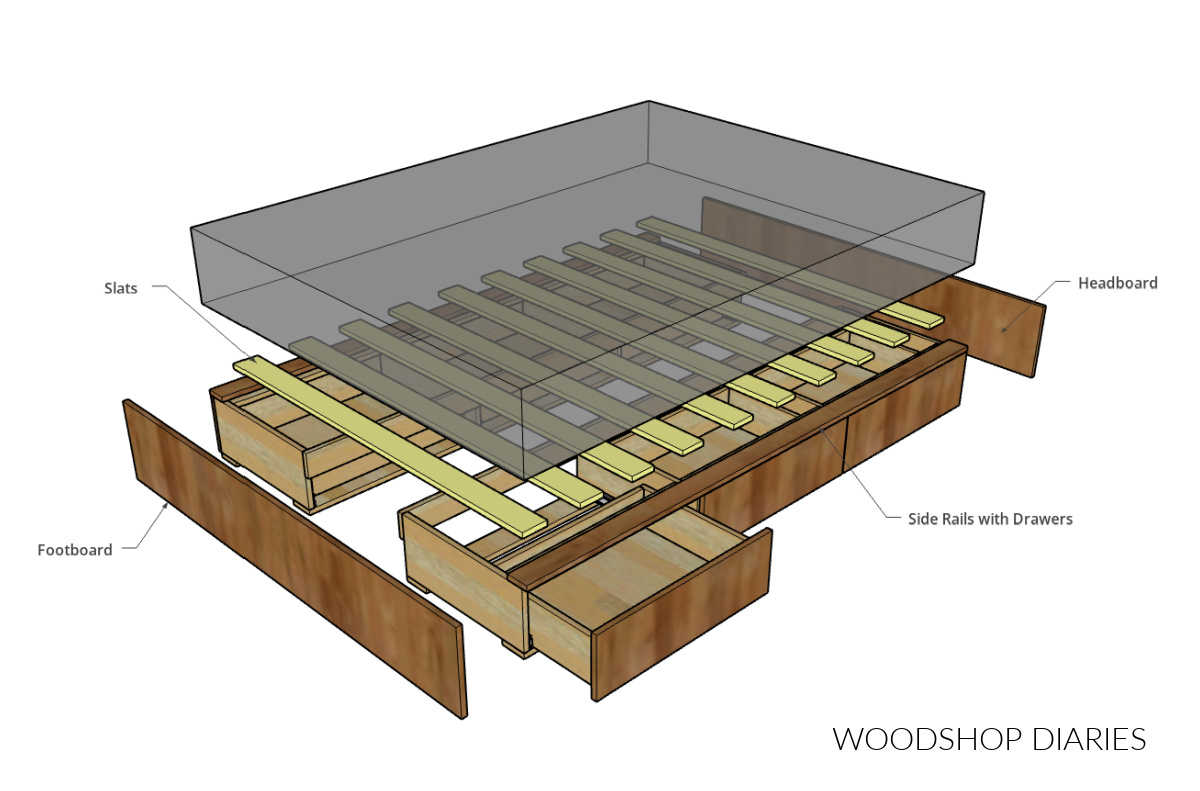
When you need 10+ inches of lift or substantial under-bed storage, constructing a platform base is the ultimate solution. This method creates a solid foundation that the entire bed frame sits upon, transforming wasted space into functional storage. While requiring carpentry skills, the payoff includes dramatic height increases and customizable compartments.
Constructing a Lumber Frame for Under-Bed Storage
Build your platform using 2×4 lumber cut to your mattress dimensions (add 2″ clearance on all sides). Assemble a rectangular frame with corner braces, then add cross-supports every 16 inches. Top it with ¾” plywood, leaving a 1″ lip around the edge to prevent sliding. For true storage utility, install dividers to create cubby sections before adding the top sheet. Place non-slip pads where the platform contacts the floor, and always anchor the bed frame to the platform with L-brackets. This method typically adds 12-18 inches of clearance—enough for full-size rolling bins.
Swap to Tall Casters for Mobile Height Adjustment
Replacing standard feet with specialized casters provides both height gain and maneuverability—ideal for studio apartments or medical needs. Unlike basic wheels, these heavy-duty casters are engineered for furniture weight loads while adding consistent lift. You’ll gain 3-5 inches of clearance without altering your frame’s structure.
Selecting Locking Casters by Weight Capacity
Never use standard office chair casters—they’ll fail catastrophically under bed weight. Instead, choose stem casters rated for at least 250 lbs per wheel (total bed weight ÷ 4). For queen/king beds, select 5″ diameter casters with dual-wheel design and zinc-plated housings. Crucially, verify stem type: most bed legs use 5/16″ threaded stems or M8 bolts. Install by removing existing feet, inserting the caster stem into the leg socket, and tightening the retaining nut. Always engage the locking mechanism after positioning—unlocked casters cause dangerous sliding during sleep.
Replace Your Frame When Clearance Is Critically Low
Some ultra-low platform beds (under 4″ clearance) simply can’t be modified safely. If your current frame lacks leg sockets or sits directly on slats, replacement becomes the only viable path to meaningful height gain. This isn’t about buying a new bed—it’s strategically selecting a frame with inherent vertical clearance.
Identifying When Low Clearance Requires Full Replacement
Measure from floor to the bottom of your mattress foundation. If it’s under 5 inches, risers or extensions won’t provide usable storage space. Look for frames with integrated legs (minimum 7″ height) or storage drawers that lift the entire structure. Prioritize models with metal leg sockets for future height adjustments. When shopping, test-sit on display models—your knees should form a 90-degree angle when seated on the mattress edge. This prevents costly trial-and-error with incompatible modification methods.
Check Manufacturer for Adjustable Leg Extenders
Many modern bed frames include hidden height adjustment features you’ve never noticed. Before purchasing third-party solutions, investigate whether your manufacturer offers official leg extenders—these maintain warranty coverage and ensure perfect compatibility.
Finding Compatible Replacement Legs for Your Brand
Visit your bed maker’s website and search “leg extenders” or “replacement legs” plus your model number. Brands like IKEA, Zinus, and DHP commonly sell 3-6″ extension kits designed specifically for their frames. These often feature threaded adapters that screw between the existing leg and frame socket, adding height without tools. If your model is discontinued, measure the leg socket diameter and thread pitch to find universal extenders. Never force mismatched parts—improper threading causes dangerous leg detachment.
Critical Safety Steps for Any Height Modification
Height modifications fundamentally alter your bed’s physics—ignoring stability protocols risks collapse injuries. Every method requires these non-negotiable safety steps regardless of your chosen technique. Skipping them voids any safety assurances and creates dangerous tipping hazards.
Calculating Total Weight Capacity to Prevent Collapse
Your modified bed must support 1.5x the combined weight of frame, mattress, and maximum occupants. Example: For a queen bed (200 lbs frame + 150 lbs mattress + 400 lbs occupants = 750 lbs total), all components need 1,125 lbs capacity. Risers must exceed this per-unit—four risers each rated for 300+ lbs (1,200 lbs total). Leg extensions require equal strength: 1.5″ steel pipes support 800 lbs but should only carry 550 lbs. Always derate manufacturer specs by 30% for safety margins—beds experience dynamic loads during movement.
Anchoring Your Bed Frame to the Wall for Stability
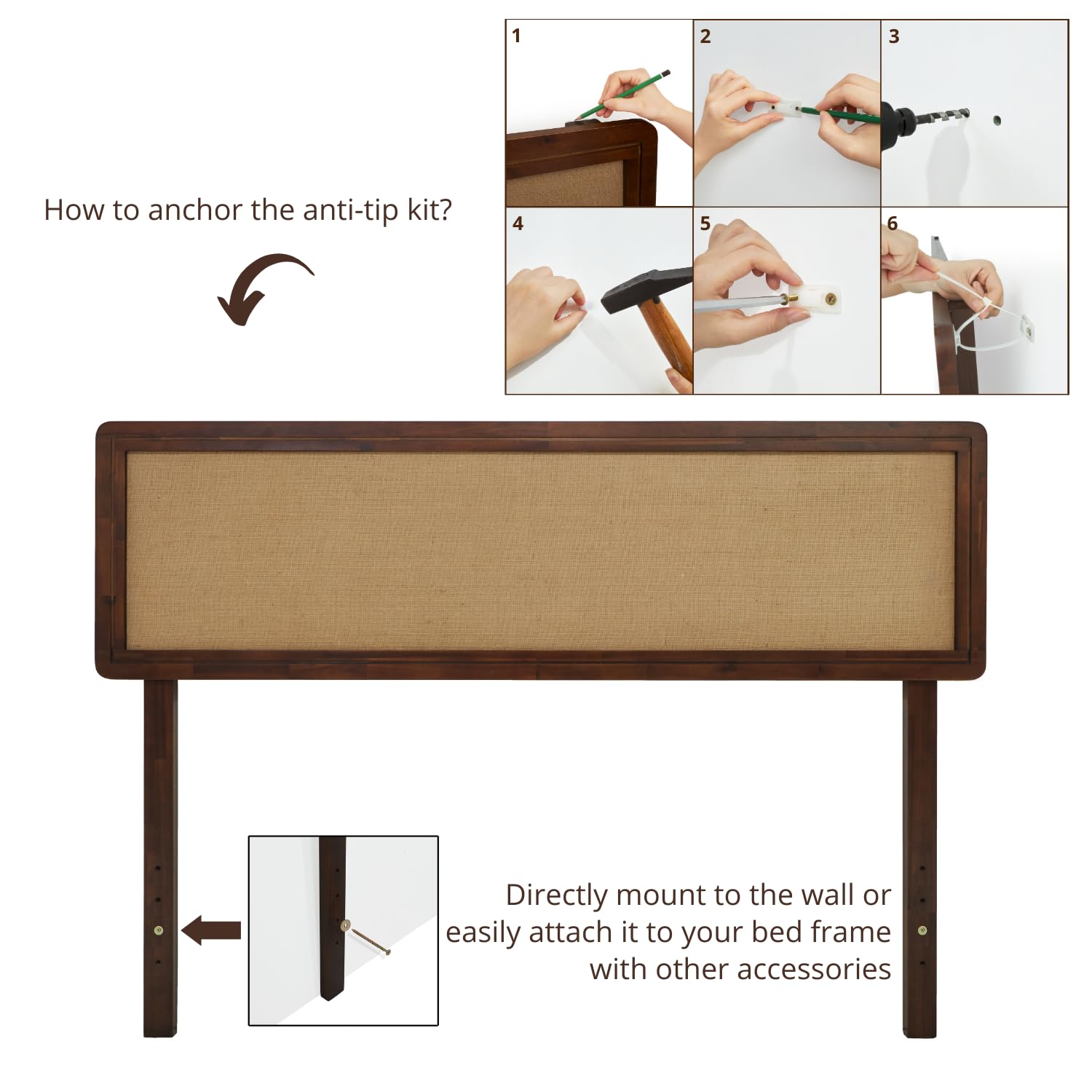
Taller beds have higher centers of gravity, making wall anchoring essential. Use anti-tip kits with 16-gauge steel straps: attach one end to the bed frame’s rear rail (not headboard) and the other to wall studs 12-18 inches above floor level. For concrete floors, use floor anchors that thread through platform bases. Test stability by applying 50 lbs of sideways pressure at mattress height—no movement should occur. Never skip this step if children or pets share the room; 80% of bed-tip injuries involve modified frames without wall ties.
Step-by-Step Installation Checklist for Safe Results
Rushing installation causes 70% of height-modification failures. Follow this sequence to avoid common pitfalls that lead to wobbling, uneven lift, or sudden collapse. Completion takes 20-45 minutes depending on method—never skip steps even for “simple” riser installations.
Measuring and Testing Before Final Assembly
First, measure your bed’s current height at all four corners (floors are rarely level). Calculate required lift: desired height minus current height minus mattress thickness. Purchase components rated for 1.5x your bed’s total weight. During installation, work diagonally (front-left then back-right) to maintain balance. After assembly, conduct the “rock test”: apply downward pressure alternating between corners—any movement means readjustment is needed. Finally, place books under each leg to verify even weight distribution before adding the mattress.
Adding height to your bed frame solves multiple frustrations with one strategic intervention. By implementing these engineer-verified methods—prioritizing riser stability, leg extension integrity, and non-negotiable wall anchoring—you’ll gain valuable storage space while reducing physical strain. Remember that 7-10 inches of clearance creates the most functional storage zone, and never compromise on weight ratings. For ongoing safety, inspect all connections quarterly and re-tighten hardware as needed. Your elevated bed isn’t just furniture—it’s an accessibility upgrade that pays dividends every time you climb in or reach underneath. Ready to reclaim your under-bed space? Start with the riser method tonight and transform your bedroom’s functionality by morning.


