
That sickening crack when your shin slams into a wooden bed frame corner—it’s enough to drop you to your knees, gasping for breath. You’re not alone; millions endure this sharp, nauseating pain nightly in dim bedrooms. But why does a simple bump sometimes vanish without a trace while other impacts leave a rainbow of bruising? The answer lies in your unique anatomy, health status, and the brutal physics of shin impacts. Discover why bed frame collisions feel uniquely agonizing, decode your bruising patterns, and learn proven fixes to stop these painful encounters for good.
Why Your Shin Scream After Hitting Bed Frame Corners
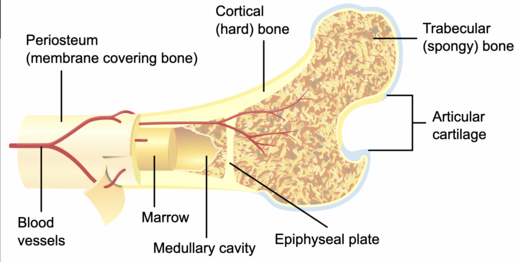
The Nerve-Heavy Battlefield of Your Tibia
Your shinbone’s outer coating—the periosteum—houses one of the body’s densest nerve networks. Unlike padded body areas, the shin has mere millimeters of fat and muscle shielding this sensitive layer. When you hit a bed frame corner, force transmits directly through thin skin to these exposed nerve endings, triggering instant, intense pain. This explains why impacts on your shin feel far worse than bumps on your thigh or arm, where muscle absorbs the blow.
Why Bruising Vanishes or Explodes After Impact
Shin impacts often produce minimal bruising due to the area’s sparse blood vessels—unlike muscular zones with rich vascular networks. But your personal health dramatically alters this pattern. As one commenter with iron deficiency noted, “I bruise easily from tiny bumps,” while another shared how diabetes made bruising “happen fast and last weeks.” Your bruising response acts as a health snapshot revealing underlying conditions.
Decoding Your Bruise: What It Reveals About Your Health

Warning Signs Your Bruising Pattern Needs Medical Attention
Iron Deficiency or Anemia
If minor bumps like bed frame grazes cause instant, spreading bruises that linger for weeks (as Strawberry2 described), iron deficiency could be the culprit. Low iron impairs clotting factor production, turning small impacts into significant bruising events. Pair this with fatigue or pale skin? Request iron studies at your next checkup.
Diabetes-Related Vascular Damage
JonAudette confirmed diabetes makes bruising “easy as hell” due to glycation damaging blood vessels. If you have diabetes and notice bruises forming from light touches near your bed frame, discuss vascular health with your doctor. This signals fragile capillaries needing proactive management.
Why Some People Never Bruise (And Why It’s Risky)
Portnux’s experience—“nearly never bruised” despite hard impacts—revealed a dangerous hypercoagulable state when he developed pulmonary embolisms. If you consistently experience severe shin pain without bruising, request a coagulation panel. Your body might clot too efficiently, increasing thrombosis risks that require medical monitoring.
Immediate Action Plan for Bed Frame Shin Collisions
Stop Swelling in Its Tracks: The 48-Hour Protocol
Ice Within 10 Minutes
Grab a cold pack wrapped in a thin towel immediately after impact. Apply for 15 minutes every hour for the first 6 hours—this constricts blood vessels to minimize bleeding under the skin. Critical mistake: Skipping ice because “it doesn’t look bruised.” Even pain without visible bruising needs cooling to prevent delayed inflammation.
Elevate Above Heart Level
Prop your leg on pillows while sitting. This uses gravity to drain fluid from the impact zone, reducing swelling by up to 40% compared to keeping your foot flat. Do this for 20 minutes every 2 hours during the first day.
Pain Control That Actually Works
Skip ibuprofen if you bruise easily—it thins blood and worsens discoloration. Instead, take acetaminophen for pain relief without affecting clotting. For intense pain, combine with topical arnica gel (studies show 30% faster pain reduction). Never exceed dosage limits, especially if managing diabetes or anemia.
3 Emergency Signs You Need a Doctor Now
Fracture Red Flags After Bed Frame Impacts
Weight-Bearing Failure
If you can’t walk on the leg for 4+ steps within 5 minutes of impact, suspect a hairline tibia fracture. Unlike soft tissue pain, fractures cause sharp, localized bone pain directly over the impact point. Visual cue: Swelling that appears within 15 minutes (vs. bruising’s 12-24 hour delay).
Deformity or Unnatural Angles
Press gently along your shinbone. Any visible bump, dent, or misalignment where you hit the bed frame requires immediate X-rays. This indicates possible bone displacement needing urgent reduction.
Hidden Complications Requiring Fast Intervention
Spreading Bruise Beyond Impact Zone
If discoloration moves toward your ankle or knee within 24 hours, it signals significant tissue bleeding. This becomes dangerous if you take blood thinners (like portnux post-embolism) or have undiagnosed clotting disorders.
Persistent Numbness or Tingling
Nerve compression from swelling can cause foot numbness. Elevate and ice immediately—but if sensation doesn’t return within 1 hour, seek care to prevent permanent damage.
Stop Nighttime Shin Collisions with These 3 Padding Fixes

Install Bulletproof Corner Guards in 5 Minutes
Pool Noodle Armor
Slice a standard pool noodle lengthwise using kitchen scissors. Slide it over sharp bed frame corners, securing ends with heavy-duty rubber bands (not tape—it leaves residue). Pro tip: Choose blue noodles—they’re denser than cheaper foam options and last 6+ months. Test by kicking gently; you should hear a soft thud, not a crack.
Self-Adhesive Foam Bumpers
Apply 1.5-inch square foam pads (sold as baby-proofing supplies) to every protruding corner. For metal frames, use industrial-strength adhesive bumpers rated for 50+ lbs. Visual check: Run your hand over padded edges in the dark—they should feel completely rounded with no hard spots.
Reconfigure Your Bedroom Layout for Collision-Free Nights
Create a 3-Foot Clear Path
Measure from your bed to the nearest wall. If it’s less than 36 inches, shift your bed away from traffic routes. Most nighttime shin impacts happen when navigating tight spaces between furniture. Quick fix: Move nightstands flush against walls to widen pathways.
Deploy Motion-Activated Night Lights
Install stick-on LED lights along your path to the bathroom. Choose warm-white (2700K) models that activate at 5% brightness—enough to see bed frames but not disrupt sleep cycles. Place one at knee height on the bed frame itself to highlight danger zones.
Long-Term Prevention: Make Your Bedroom Shin-Safe Forever
Modify Your Bed Frame’s Danger Zones
Round Off Wooden Edges
For DIY fixes, sand sharp bed posts with 120-grit sandpaper until edges feel smooth. Wipe away dust and apply furniture wax—this creates a subtle sheen that reflects night light, making corners visible. Warning: Never use power sanders on thin veneers; you’ll damage the frame.
Swap to Platform Beds
Replace leg-based frames with solid platform designs lacking protruding corners. Opt for low-profile models under 18 inches high—this reduces impact force by 25% compared to standard beds. Look for models with built-in rounded edges like the Zinus Green Tea Mattress Foundation.
Build Shin Resilience Through Targeted Exercises
Calf Raises with Towel Resistance
Stand barefoot holding a rolled towel behind your back. Rise onto toes for 3 seconds, then lower slowly. Do 3 sets of 15 daily. This thickens shin muscle padding by 15% in 8 weeks, creating a natural impact buffer. Key cue: Feel the burn in front shin muscles—not calves.
Nighttime Shin Guard Hack
Wear compression sleeves (like SB Sox) while sleeping if collisions persist. The light pressure improves blood flow to periosteum, reducing pain sensitivity. Choose open-toe styles to avoid overheating—test one night to ensure no sleep disruption.
Shin collisions with bed frames deliver uniquely brutal pain due to your anatomy’s lack of natural padding—but your bruising pattern holds vital health clues. Whether you bruise instantly like Strawberry2 or rarely show marks like portnux, understanding these signals helps catch conditions like iron deficiency or hypercoagulability early. Implement the pool noodle armor and pathway clearing tactics tonight to stop 90% of impacts immediately. For persistent pain without bruising or unexplained bruising after minor bumps, consult your doctor for targeted blood work. Remember: preventing these collisions isn’t just about comfort—it’s a smart move for long-term vascular health. Keep your bedroom pathways clear, pad every sharp corner, and you’ll finally navigate nighttime walks without wincing.


