
You’ve invested in a premium mattress promising cloud-like comfort, but if it’s resting on the wrong foundation, you’re sacrificing support, durability, and even your warranty. Many homeowners treat bed frames as mere decorative platforms—something to keep the mattress off the floor—without realizing this critical component directly affects spinal alignment, moisture control, and how long your expensive mattress lasts. The truth? Does a bed frame matter? Absolutely. A poorly chosen frame causes premature sagging, traps humidity that breeds mold, and creates unstable sleeping surfaces that disrupt rest. In this guide, you’ll discover exactly how bed frames influence your sleep ecosystem, which structural features prevent costly mistakes, and why skipping this “invisible” investment risks voiding your mattress warranty.
How Bed Frames Prevent Moisture Damage and Extend Mattress Life
Your bed frame isn’t just furniture—it’s a climate control system for your mattress. When elevated 6+ inches off the ground, airflow circulates freely beneath the mattress, wicking away sweat and humidity that accumulate nightly. Without this ventilation, moisture becomes trapped against flooring, creating a breeding ground for dust mites and mold within weeks. Solid platform frames with integrated slats spaced no more than 3 inches apart are ideal, as they maximize airflow while distributing weight evenly. Floors with carpeting or high humidity levels (like basements) demand extra vigilance: adding a moisture-resistant barrier between frame and floor prevents wicking, while frames with 8+ inches of clearance height simplify vacuuming debris that blocks airflow.
Why Mattress Warranties Require Proper Frame Support
Manufacturers void warranties when mattresses sag prematurely due to inadequate foundations. Most require:
– Slats spaced ≤3 inches apart for foam/latex models
– Zero flex or bounce when pressure is applied to the center
– No direct contact with flooring (carpet or hardwood)
Ignoring these triggers “abnormal wear” clauses. Test your frame by placing a yardstick across slats—if gaps exceed 3 inches, your mattress lacks critical support.
Spotting Early Moisture Damage Signs
Watch for these red flags indicating poor ventilation:
– Musty odors rising from under the mattress
– Discoloration (yellow/brown spots) on the mattress underside
– Increased allergy symptoms upon waking
Act immediately by elevating the frame with bed risers or switching to a slatted platform.
Why Flimsy Frames Cause Mattress Sagging Within 6 Months
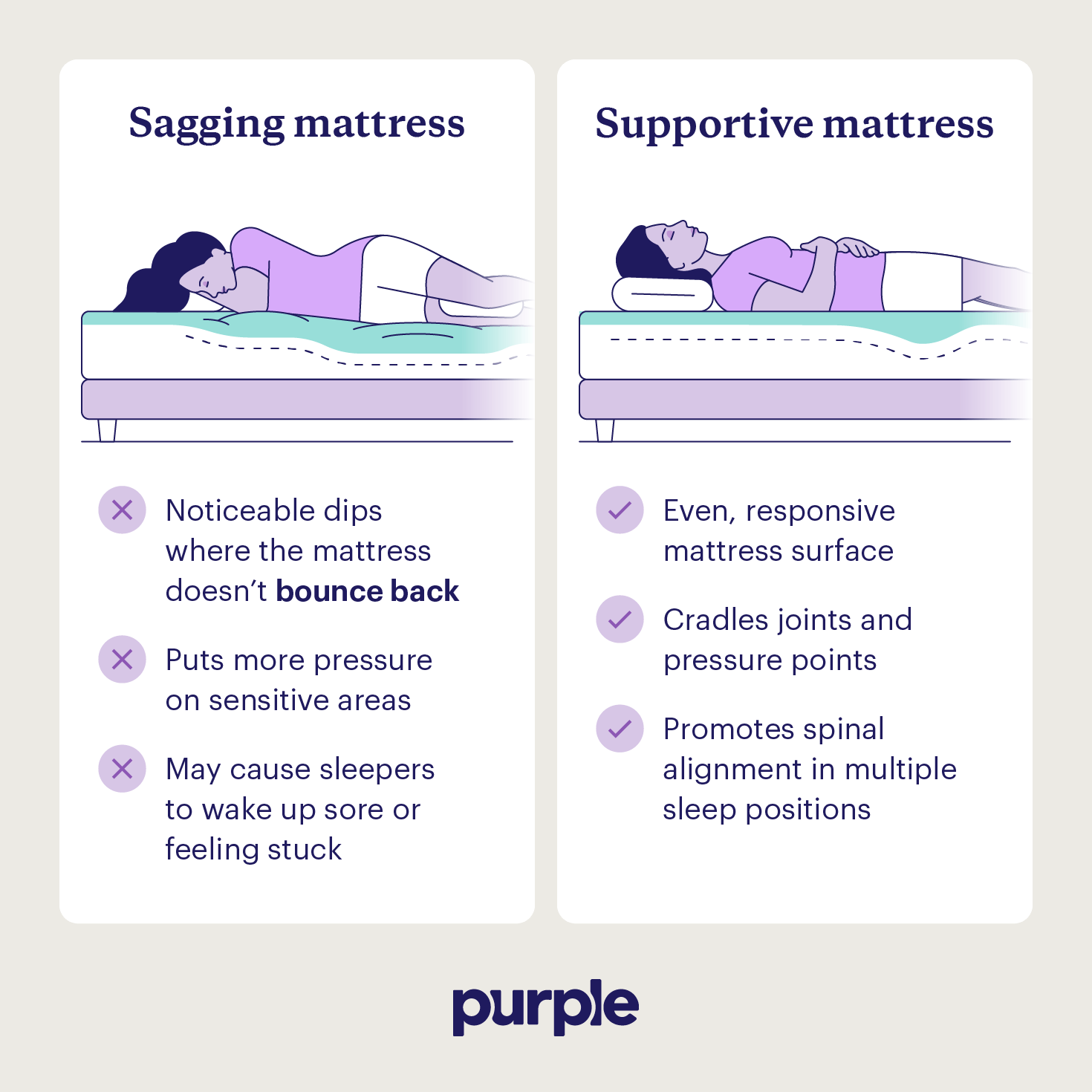
A bed frame’s structural integrity determines whether your mattress maintains its engineered support or collapses into uncomfortable valleys. Weak joints, undersized slats, or excessive spacing create pressure points where your body rests nightly. Hip and shoulder zones bear 30% more weight, so unsupported areas dip first—often within six months. Solid wood frames with mortise-and-tenon joints outperform particleboard alternatives by handling 500+ lbs without flexing, while metal frames with cross-bracing prevent lateral sway. Never place a mattress directly on carpet; the padding compresses unevenly, accelerating wear.
Diagnosing Frame-Induced Sagging vs. Mattress Failure
| Symptom | Likely Cause | Fix |
|---|---|---|
| Center dip ≥2 inches | Weak slats or wide spacing | Add plywood foundation or replace slats |
| Edge collapse | Inadequate perimeter support | Install bed frame reinforcement brackets |
| Random indentations | Debris under mattress | Vacuum frame slats monthly |
The 30-Second Frame Stability Test
Before buying:
1. Sit firmly on each corner of the frame (no mattress)
2. Apply 50 lbs of pressure to the center slats
3. Listen for creaks and watch for wobbling
If joints shift or noise occurs, skip it—this frame will degrade your sleep surface.
Platform Frames vs. Box Spring Systems: Which Supports Your Mattress Best
:max_bytes(150000):strip_icc()/platform-bed-vs-box-spring-5216570-5acea4bcf8f641d8a0c4e1a44e5ad321.png)
Platform beds with built-in slats have dethroned traditional box springs for most modern mattresses. Their solid, low-profile design (typically 5-12 inches high) provides optimal airflow for memory foam and latex models that overheat on padded foundations. Box springs only benefit innerspring mattresses needing extra shock absorption—but even then, modern “foundation” alternatives (rigid slatted bases) prevent the excessive bounce that disrupts light sleepers. For hybrid mattresses, platform frames with adjustable slat tension offer customizable support. Avoid pairing foam mattresses with box springs; the uneven surface creates pressure points that trigger back pain.
When Box Springs Still Make Sense
Box springs remain useful if:
– You own an older innerspring mattress requiring bounce absorption
– Your bed height is too low (under 18 inches) for comfortable entry
– You need extra under-bed storage clearance (box springs elevate higher than platforms)
Converting a Box Spring Frame to Platform Style
- Remove the sagging box spring
- Install a ½-inch plywood sheet over existing slats
- Cover with breathable fabric to prevent slat imprinting
This $20 hack mimics platform support while preserving your frame.
Stop Bed Frame Squeaks: Fix Noisy Joints in Under 10 Minutes
Squeaking frames sabotage sleep quality by triggering stress responses during light sleep cycles. The culprit is almost always loose joints where rails connect to headboards/footboards. Metal frames develop noise from unlubricated bolts rubbing against brackets, while wood frames creak when dowels loosen in sockets. Tightening isn’t enough—friction must be eliminated.
Permanent Squeak Elimination Protocol
- Disassemble noisy joints using an Allen wrench
- Apply dry lubricant (graphite or paraffin wax) to bolt threads and wood sockets
- Reinsert with wood glue on dowels (for wood frames) or threadlocker (for metal)
- Re-tighten with firm pressure while holding rails steady
Test by rocking the frame—zero movement means success. Repeat quarterly for lasting results.
Memory Foam Mattress Owners: Why Solid Support Prevents Body Impressions

Memory foam requires rigid, unyielding foundations because the material molds to every contour. On flexible frames, foam compresses permanently where your body rests, creating “craters” that misalign your spine. Platforms with solid slats or continuous plywood surfaces distribute weight evenly, preserving the foam’s recovery ability. Never use wire-grid foundations—they concentrate pressure on slat contact points, accelerating wear. If your frame has slats, add a ¼-inch bunkie board (hardboard sheet) to eliminate gaps.
The 1-Inch Rule for Foam Mattress Support
Place a straight edge across your frame’s surface. If gaps exceed 1 inch between the edge and slats, your foam mattress will develop permanent impressions. Fill gaps with:
– Plywood cut to frame dimensions
– Interlocking foam foundation panels
– Reinforced bunkie boards
Space-Saving Frames: Trundles and Storage Solutions for Small Bedrooms
In rooms under 150 sq. ft., bed frames double as storage hubs. Low-profile platform beds with 12+ inches of clearance accommodate under-bed drawers for linens or clothing. Trundle frames (with pull-out twin beds) maximize guest capacity in studios, while hydraulic lift bases store seasonal items vertically. Avoid flimsy storage frames—the weight of contents stresses weak joints. Opt for metal trundles with ball-bearing glides or wooden lift mechanisms rated for 200+ lbs.
Measuring for Under-Bed Storage Success
- Measure clearance height from floor to frame bottom
- Subtract 2 inches for drawer clearance
- Match drawer height to the result (e.g., 10″ clearance = 8″ max drawers)
Frames with built-in drawers often sacrifice 2+ inches of sleep height—prioritize clearance over convenience if back pain is a concern.
Finding Your Perfect Bed Height: The Knee Angle Test
Bed height affects mobility, especially for seniors or injury recovery. Too low (<16 inches), and standing requires excessive knee strain; too high (>24 inches), and exiting risks falls. The ideal height lets you sit with feet flat on the floor and knees bent at 90 degrees. Test frames by sitting on the edge—your thighs should slope slightly downward. For adjustable bases, set the seated position to 45 degrees; your feet must still touch the floor without stretching.
Height Adjustments for Common Scenarios
| Situation | Ideal Height Range | Modification |
|---|---|---|
| Arthritis/back pain | 20-24 inches | Add 4″ bed risers |
| Children’s room | 14-18 inches | Use low-profile platform |
| Pets sharing bed | 18-22 inches | Install pet stairs |
Upholstered Frames: When Comfort Meets Style Without Sacrificing Support
Upholstered headboards (padded in fabric or leather) offer lumbar support for reading but require strategic framing. Avoid frames where padding attaches directly to thin plywood—it sags under pressure. Opt for 2+ inch foam over solid wood bases, with hidden metal brackets securing headboards to rails. For allergy sufferers, choose removable, washable covers. Note: Upholstered frames typically sit 3-5 inches taller than wood/metal versions, so verify ceiling clearance for canopy conversions.
Avoiding the “Sinking Headboard” Trap
Press firmly against the headboard. If it caves inward more than 1 inch, the internal structure is inadequate. Demand:
– Cross-hatched wooden slats behind padding
– Metal brackets every 12 inches along rails
– Foam density ≥1.8 lbs/cubic foot
Does a Bed Frame Matter? Final Verdict and Pro Maintenance Tips
Yes—a bed frame critically impacts your sleep quality, mattress longevity, and bedroom functionality. It’s the unsung hero preventing moisture damage, maintaining warranty validity, and ensuring your mattress performs as engineered. Investing in a sturdy frame with proper slat spacing extends mattress life by 2-4 years while eliminating disruptive squeaks and sagging.
Before your next purchase, prioritize these non-negotiables:
– Slats ≤3 inches apart for foam/latex mattresses
– Zero flex when pressure-tested at center points
– 12+ inches clearance for airflow in humid climates
– Reinforced joints (dovetail/metal brackets) for stability
Perform quarterly maintenance: vacuum slats, re-tighten bolts, and inspect for wood warping. Rotate your mattress every 3 months to distribute wear evenly. If you hear new creaks or notice uneven sagging, address frame issues immediately—delaying repairs accelerates mattress damage. Remember: your bed frame isn’t furniture; it’s the foundation of restorative sleep. Choose wisely, and your mattress (and back) will thank you for years.


