
Waking up to a dusty, stained upholstered bed frame isn’t just unsightly—it’s a breeding ground for allergens and dust mites that disrupt your sleep quality. Knowing how to properly clean bed frame upholstery extends its lifespan by years while creating a healthier sleeping environment. Unlike regular furniture, your bed frame endures nightly contact with hair products, skin oils, and accidental spills that seep deep into fabric. This guide delivers specific, fabric-safe techniques to refresh your upholstered headboard, footboard, and side panels without causing shrinkage, color bleeding, or permanent watermarks.
Most people make critical errors when attempting to clean bed frame upholstery, from using harsh chemicals that break down fabric fibers to over-wetting that invites mold growth. The right approach depends entirely on your specific fabric type and care code—a detail most homeowners overlook until it’s too late. By the end of this guide, you’ll confidently tackle everyday dust, stubborn stains, and deep-set odors while preserving your investment.
Critical 24-Hour Spot Test Procedure Before Cleaning Your Upholstered Bed Frame
:max_bytes(150000):strip_icc()/How-to-remove-water-stains-from-fabric-5080446_final-5826f7ba82d644768302f79856e33ef3.png)
Skipping the spot test is the fastest way to ruin your upholstered bed frame’s appearance. Many fabrics—especially natural fibers like cotton and linen—react unpredictably to even mild cleaning solutions, causing irreversible color fading or texture changes. This simple test prevents costly damage by revealing how your specific fabric responds to cleaning agents.
Why Fabric Codes Determine Your Cleaning Success
Your bed frame’s hidden fabric care tag holds the key to safe cleaning with codes indicating proper methods: W (water-based cleaners), S (solvent-based cleaners), or WS (both). Without checking this tag, you risk using inappropriate solutions that degrade fabric integrity. For instance, applying water-based cleaners to S-coded microfiber can cause permanent water spots, while solvent cleaners on W-coded cotton may strip natural fibers.
Step-by-Step Spot Testing That Prevents Disaster
- Locate your bed frame’s fabric care tag—typically found on the back, underside, or inside a hidden seam
- Mix your intended cleaning solution according to fabric code specifications
- Apply a dime-sized amount to an inconspicuous area using a cotton swab
- Wait 10 minutes, then press a clean white cloth over the spot
- Check for color transfer, texture change, or shrinkage after 24 hours
- Proceed only if no adverse reactions occur—otherwise, consult a professional
Pro Tip: Always test multiple solutions if dealing with unknown stains. A vinegar-based solution might work for odors but damage certain dyes, while alcohol-based cleaners could remove ink but harm delicate velvet.
Must-Have Supplies for Cleaning an Upholstered Bed Frame (No Harsh Chemicals)
Gathering the right tools prevents accidental damage during your clean bed frame project. Avoid store-bought upholstery cleaners containing bleach or ammonia that degrade fabric over time. Instead, build your toolkit with gentle, effective items that work with your specific fabric type.
Essential Cleaning Kit Components
- Vacuum with upholstery attachment: Removes embedded dust without scratching fabric
- White microfiber cloths: Prevent color transfer during cleaning
- Soft-bristled brush: Gently agitates dirt without fraying fibers
- Distilled white vinegar: Natural disinfectant safe for most fabrics
- Mild dish soap: Creates gentle cleaning solution when diluted properly
- 70% isopropyl alcohol: Effective for microfiber and disinfecting
- Spray bottle: Ensures even, controlled application
DIY Cleaning Solutions for Specific Fabric Types
- W-coded fabrics (cotton, linen): Mix ¼ cup mild dish soap with 1 cup warm water
- S-coded fabrics (most synthetics): Combine 1 tablespoon vinegar with 2/3 cup rubbing alcohol
- WS-coded blends: Start with water solution, progress to solvent if needed
- Pet odor removal: Enzyme-based cleaner designed for organic matter
Warning: Never use carpet cleaners on upholstery—they contain harsh chemicals that damage bed frame fabric and leave sticky residues that attract more dirt.
W, S, and WS Fabric Code Cleaning Methods for Your Upholstered Bed Frame
Your fabric care code dictates the entire cleaning process. Treating a W-coded cotton headboard like an S-coded microfiber frame causes shrinkage and permanent damage. Follow these specific protocols based on your bed frame’s actual fabric composition.
Water-Based Cleaning for W-Coded Upholstery
- Vacuum thoroughly with brush attachment to remove loose debris
- Apply soap solution with spray bottle—mist, don’t soak (over-wetting causes watermarks)
- Gently work solution into fabric using soft brush in direction of nap
- Blot excess moisture with dry white towels, pressing firmly
- Allow 6-12 hours for complete drying with fan assistance
Expert Note: For cotton and linen frames, avoid direct sunlight during drying to prevent fading—position fans for indirect airflow instead.
Solvent Cleaning for S-Coded Bed Frame Fabric
- Ensure excellent ventilation—solvent cleaners require fresh air
- Apply small amount of solvent solution to white cloth (never directly to fabric)
- Blot stain from outside inward to prevent spreading
- Allow 30 minutes for evaporation before reapplying
- Vacuum lightly after complete drying to restore fabric texture
Pro Tip: For microfiber bed frames, use 70% isopropyl alcohol sparingly—it disinfects without leaving residue but can dry out some synthetic blends.
Mixed Code (W-S) Fabric Cleaning Protocol
- Begin with gentlest method (water-based solution)
- If ineffective after two applications, switch to solvent cleaner
- Always work in small 12×12 inch sections
- Allow complete drying between methods
- Vacuum thoroughly after final drying phase
Warning: Never alternate methods rapidly—allow 24 hours between cleaning attempts to assess fabric reaction.
Immediate Action Plan for Common Bed Frame Stains
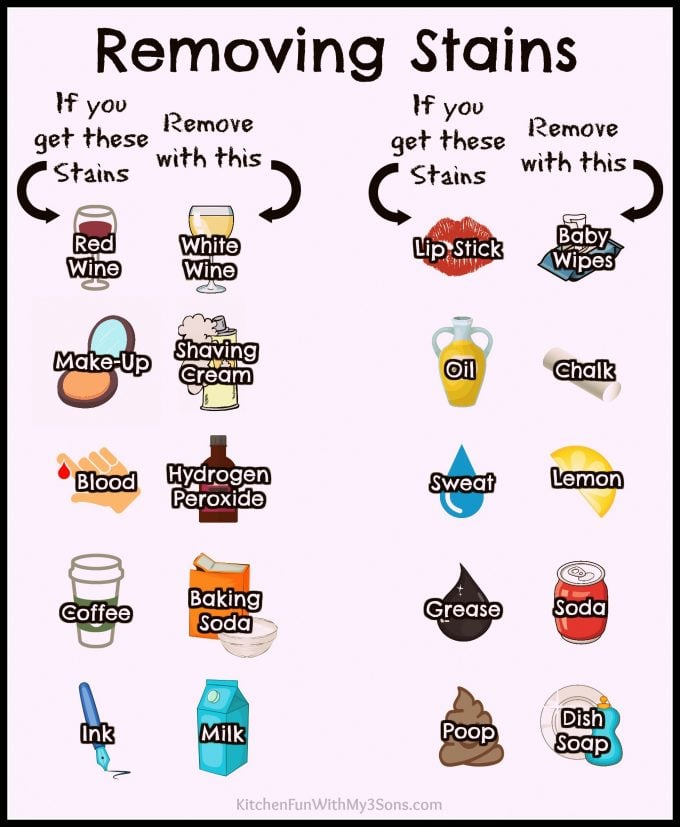
Time is your most critical factor when dealing with bed frame stains. Coffee spills, makeup transfers, and pet accidents penetrate deeper with each passing minute, making complete removal impossible. Follow this urgent response protocol for maximum stain removal success.
Blotting Technique That Actually Removes Stains
- Immediately blot with dry white cloth—apply firm, steady pressure
- Replace cloth frequently as it absorbs stain
- Never rub, which grinds stain deeper into fibers
- For solid residues, gently scrape with dull knife edge first
- Apply appropriate cleaning solution only after surface removal
Expert Note: Keep an emergency stain kit in your bedroom—white cloths, small spray bottle with vinegar solution, and soft brush—so you’re prepared for nighttime accidents.
Specific Solutions for Coffee, Ink, and Pet Stains
- Coffee/Wine: Mix 1 tablespoon dish soap with 2 tablespoons hydrogen peroxide (test first)
- Ink: Dabbing with rubbing alcohol using cotton swab (change swab frequently)
- Pet accidents: Enzyme cleaner applied generously, left to work 15 minutes before blotting
- Makeup/oil stains: Sprinkle cornstarch to absorb oils before cleaning
Pro Tip: For persistent stains, apply solution, cover with plastic wrap, and let sit 10 minutes before blotting—this “steam effect” loosens deep-set dirt.
5 Costly Mistakes That Ruin Upholstered Bed Frames During Cleaning
Even with good intentions, common cleaning errors permanently damage upholstered bed frames. Avoid these critical mistakes that compromise both appearance and structural integrity of your furniture.
Why Over-Wetting Causes Permanent Damage
Excessive moisture leads to mold growth inside padding, water rings on fabric surface, and frame warping from prolonged dampness. Upholstery should feel merely damp—not soaking wet—during cleaning. Always blot aggressively after applying solution and use fans for accelerated drying.
The Hidden Danger of Using Regular Carpet Cleaners
Carpet cleaners contain harsh detergents designed for floor traffic that strip upholstery dyes and leave sticky residues. These residues attract more dirt, creating a cycle of increasingly dirty fabric. Always use cleaners specifically formulated for vertical upholstery surfaces.
Warning: Never use steam cleaners on bed frames without checking fabric codes first—excessive heat damages many upholstery materials.
Year-Round Maintenance Schedule for Spotless Upholstered Bed Frames
Consistent care prevents deep cleaning emergencies while extending your bed frame’s lifespan. Follow this simple schedule to maintain pristine upholstery with minimal effort.
Weekly Vacuuming Routine That Prevents Deep Cleaning
- Use upholstery attachment on low suction
- Focus on seams, tufting, and crevices where dust accumulates
- Vacuum both front and back surfaces if accessible
- Pay special attention to headboard area (highest oil transfer from hair)
Pro Tip: Attach a soft brush to your vacuum for textured fabrics like velvet to prevent snags.
Seasonal Deep Cleaning Protocol for Longevity
- Spring: Full cleaning after winter dryness
- Summer: Focus on sweat and oil removal
- Fall: Pre-holiday refresh before guests arrive
- Winter: Combat static and dryness with light conditioning
Expert Note: Rotate cushions monthly for even wear and schedule professional cleaning every 12-18 months for high-use beds.
Special Considerations for Pet Owners and Allergy Sufferers
Pet hair and dander create unique challenges for upholstered bed frames. Standard cleaning methods often miss allergens embedded deep in fabric, while pet accidents require specialized treatment to eliminate odors completely.
Pet Accident Cleanup That Eliminates Odors Completely
- Blot immediately with dry cloth
- Apply enzyme cleaner generously to affected area
- Allow 10-15 minutes for enzymes to break down organic matter
- Blot thoroughly with damp cloth
- Sprinkle baking soda, wait 15 minutes, then vacuum
Warning: Never use ammonia-based cleaners—they smell like urine to pets, encouraging repeat accidents.
Allergy-Reducing Cleaning Methods for Better Sleep
- Vacuum weekly with HEPA filter attachment
- Use hypoallergenic fabric protector between cleanings
- Maintain 40-50% humidity to prevent dust mite proliferation
- Consider removable, washable covers for allergy sufferers
Pro Tip: Place activated charcoal bags behind bed frames to absorb odors between cleanings—replace monthly for continuous protection.
By following these precise methods tailored to your specific upholstered bed frame, you’ll maintain pristine appearance while creating a healthier sleep environment. Remember the golden rule: when in doubt about fabric type or stain removal, consult a professional rather than risk permanent damage. With proper maintenance, your upholstered bed frame will provide comfort and style for many years.


