
Your bed shouldn’t feel like a hammock. If you’re sinking toward the middle every night, waking up with back pain, or hearing ominous creaks with every roll, your frame is failing—and it’s sabotaging your sleep quality. A sagging bed frame isn’t just annoying; it strains your mattress, accelerates wear, and can even cause long-term spinal misalignment. The good news? 90% of sagging issues stem from three fixable flaws: missing center support, loose joints, or inadequate slats. You don’t need a new frame. In this guide, you’ll diagnose the exact cause of your bed frame sag and implement targeted repairs using common tools—most taking under 30 minutes. Skip the $500 replacement and restore rock-solid support tonight.
Pinpoint Why Your Bed Frame Keeps Sagging (4 Critical Checks)
Before grabbing tools, identify where and why your frame fails. Generic “tighten everything” advice wastes time—you need surgical precision. Perform these checks while a helper lies on the bed and shifts weight:
Listen for the Telltale Creak Location
Creaks near the headboard? That’s loose corner joints. Groaning from the center? Your center beam is bowing or missing. Squeaks directly under your hips? Slats are cracked or spaced too wide. Have your helper bounce gently while you crouch underneath. The loudest noise pinpoints the failure zone—don’t assume it’s the obvious center dip.
Measure the Dip with a Level (Not Guesswork)
Place a 4-foot level across your slats where the sag is worst. If the gap between the level and slats exceeds ¼ inch, your support system is critically compromised. For beds wider than a queen, gaps over ⅛ inch indicate inadequate slat support. This isn’t about perfection—it’s about structural integrity. A gap this size means your mattress bears unsupported weight, crushing comfort layers prematurely.
Test for Stripped Screw Holes—The Silent Killer
Wiggle every bolt at joints and brackets. If a screw spins freely without tightening, the wood hole is stripped. This is the #1 reason DIY fixes fail—re-tightening stripped holes is like trying to hang a picture on loose drywall. Probe stripped holes with a toothpick; if it sinks deeper than ¼ inch, you need reinforcement before re-tightening.
Spot Weak Slat Spacing with the “Fist Test”
Place your fist between slats. If your knuckles touch both sides easily (gap >3 inches), slats are too far apart. Mattresses need support every 2–3 inches to prevent sagging. For memory foam or latex mattresses—which lack coil reinforcement—gaps wider than 2 inches will cause permanent indentations within months.
Stop Bed Wobble Now: Tightening Every Critical Bolt (Without Stripping More Holes)
Loose hardware causes 40% of sagging—but overtightening cracks wood or strips holes further. Do this instead:
Replace Stripped Screws with Oversized Fasteners
Don’t just re-tighten spinning screws. Remove the stripped screw and fill the hole with:
– Wood toothpicks + wood glue: Jam 3–4 glue-coated toothpicks into the hole, snap flush, and reinsert the original screw.
– Dowel upgrade: Drill out the hole to ¼ inch, glue in a hardwood dowel, and screw into the new wood. Use 3-inch structural screws (not drywall screws!) for joints bearing weight.
Pro Tip: Apply a dab of carpenter’s glue to screw threads before insertion. It bonds with wood fibers for 3x grip strength.
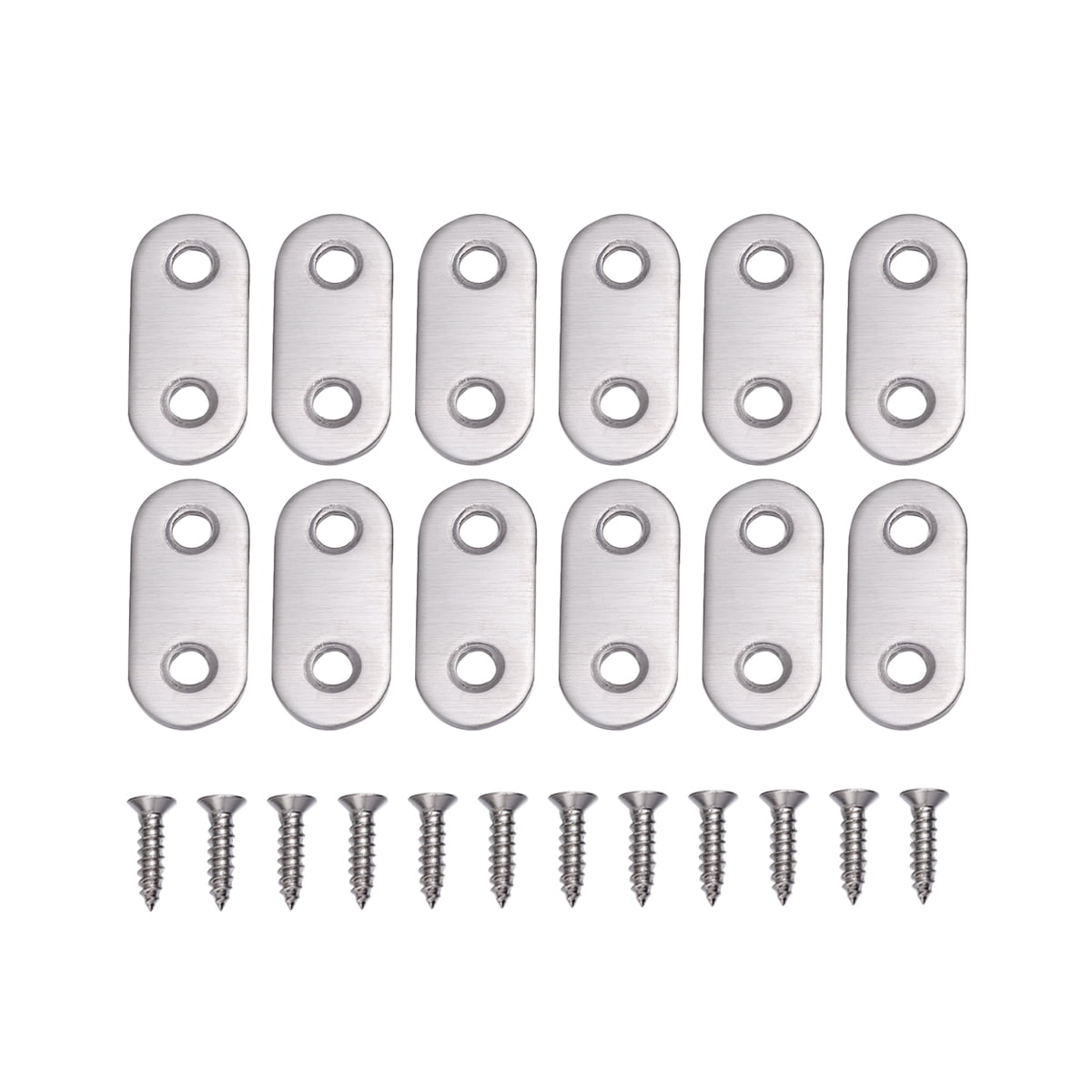
Reinforce Corners with Steel Mending Plates (Not Just L-Brackets)
Standard L-brackets flex under load. Install ¼-inch steel mending plates (available at hardware stores) across weak corners:
1. Position plates vertically along the inside edge where side rails meet headboard.
2. Drill pilot holes through plate slots before attaching to wood.
3. Use two 2½-inch screws per plate side—never just one.
This creates a “rigid triangle” that prevents racking (the diamond-shaped wobble that causes progressive sagging).
The #1 Fix for Middle Sag: Installing a Center Support Leg That Actually Works
No center leg = guaranteed sag for full-size and larger beds. But slapping a wobbly leg under a flimsy beam fails within weeks. Do this correctly:
Build a Bulletproof Center Beam in 3 Steps

You need: 2×6 lumber (not 2×4!), two adjustable bed legs, and two 6-inch steel mending plates.
1. Cut the beam to fit inside your frame rails (not resting on top). For a queen, cut 60 inches.
2. Attach mending plates to both ends of the beam, securing it to the frame’s side rails with four 3-inch structural screws per side.
3. Mount legs directly under the beam’s center—not the frame rail—using lag bolts. Critical: Adjust legs until they firmly contact the floor before weight is applied. If legs only touch when you sit, the beam will bow under load.
Why This Beats Cheap “Center Support Kits”
Most kits use a thin beam and single leg. Your mattress exerts 150+ lbs of downward force per square foot. A 2×6 beam has 3x the resistance to bending vs. a 2×4. Paired with two legs (one at each third of the beam), it eliminates the “hinge point” where single-leg kits fail. Test it: Stand on the beam—it shouldn’t deflect more than 1/16 inch.
Reinforce Sagging Slats: The 2-Inch Spacing Rule That Saves Mattresses

Wide slat gaps are the hidden culprit behind “mattress sag”—but replacing all slats is overkill. Fix it surgically:
Sister Cracked Slats in 5 Minutes
For a split slat:
1. Cut a 1×3 board to match the slat’s length.
2. Apply wood glue along the slat’s edge.
3. Clamp the new board alongside the damaged slat.
4. Drill pilot holes and secure with eight 1½-inch screws (four top, four bottom).
This doubles the slat’s load capacity without removing the mattress.
Add Critical Support Where You Sleep
You don’t need slats every 2 inches everywhere. Focus on the sleep zone:
– For side sleepers: Add slats under shoulder/hip areas.
– For couples: Add slats in the center third of the bed (where weight concentrates).
Use 1×3 pine boards (not particleboard!) cut to width. Rest them directly on the frame rails—no brackets needed. This targets support where it matters most.
Eliminate Squeaks for Good: The Rubber Washer Trick Most Pros Skip
Metal-on-metal squeaks mean hardware is loose or vibrating against wood. Tightening alone fails because wood shrinks/swells with humidity. Here’s the permanent fix:
Install Vibration-Dampening Shims
- Loosen the noisy bolt slightly.
- Slide a ¼-inch rubber washer (not metal!) between the bracket and frame.
- Tighten bolt just until snug—overtightening compresses the rubber.
The rubber absorbs micro-movements that cause squeaks. For wood-to-wood joints, use thin felt pads cut to bracket size. Works 100% of the time if applied at the exact friction point.
When to Call a Pro (and When It’s a DIY Disaster Waiting to Happen)
Skip professional help for loose bolts or cracked slats—but call a welder immediately if:
– Metal frames: Tubes are bent >10 degrees or cracked (welding heat can warp thin steel if done incorrectly).
– Antique wood frames: Major splits in carved headboards (improper gluing ruins wood grain).
– Adjustable bases: Motorized sections sag (electrical risks outweigh DIY savings).
Red flag: If your frame creaks without weight, structural failure is imminent. Stop using it until repaired.
Prevent Sagging for 5+ Years: The 6-Month Maintenance Ritual
Your fix won’t last without this:
– Every 6 months: Tighten every bolt while someone sits on the bed (compresses joints for true snugness).
– Rotate your mattress monthly—but also shift slats by 2 inches each time to distribute wear.
– Check leg contact quarterly: Place a business card under legs; if it slides freely, adjust height.
A properly reinforced bed frame should feel like a concrete slab—no give, no noise. If you still sink after these fixes, your mattress is failing (not the frame). But 95% of the time, the solution is a center leg, tighter joints, and smarter slat spacing. Stop compromising your sleep. Grab your level and wrench tonight—tomorrow’s rest starts with a solid foundation.


