
Your footboard won’t budge during a move, or that vintage bed frame’s design clashes with your new minimalist bedroom. Maybe the lower rail snapped after years of use. Whatever your reason, knowing how to remove a footboard from a bed frame safely is essential DIY knowledge that prevents costly damage to your furniture. Most homeowners waste hours yanking at stuck connections or strip critical hardware trying to force separation—only to face reassembly nightmares later. The truth? 80% of footboard removal failures stem from missing hidden fasteners or skipping simple preparation steps.
This guide cuts through the frustration with a model-agnostic approach that works for platform beds, antique frames, and modern ready-to-assemble (RTA) styles. You’ll learn exactly where manufacturers hide attachment points, how to free rust-seized bolts without breaking tools, and why a second person isn’t optional for safe removal. Most importantly, you’ll preserve every component for potential reuse—whether repurposing that footboard as a headboard or storing it for future moves.
Gather These 6 Tools Before Removing Your Bed Footboard
Skipping proper tool preparation causes 70% of DIY bed frame disasters. Don’t risk stripping bolts or cracking wood by improvising. Your kit must include:
- Phillips #2 and flat-head screwdrivers (test both—many beds mix drive types)
- 5–10mm socket set with extension bar (reaches bolts buried in rail channels)
- 8-inch locking pliers (holds spinning nuts when access is tight)
- Rubber mallet (never use metal hammers near finished wood)
- Hardware organizer with labeled compartments (critical for RTA beds)
- Work gloves with grip palms (prevents splinters from rough wood edges)
Pro Tip: Place a towel under tools to prevent rolling bolts from vanishing under furniture. For antique beds, add a dental pick to clear decades of paint clogging screw heads.
Critical Safety Steps to Avoid Floor Scratches and Injuries
Before touching a single bolt, protect yourself and your space. Bed frames weigh 50–150 lbs—sudden shifts cause crushed fingers or scratched hardwood. First, slide the entire bed 3 feet away from walls to create a 360° work zone. Next, lay two moving blankets under the frame—never use cardboard (it tears under weight).
Always wear ANSI Z87.1-rated safety glasses. Sawdust and rust particles fly when separating stuck connections. For heavy footboards, position your body sideways with knees bent—not hunched over—to avoid back strain. Most importantly: never stand directly under the footboard while loosening top connections. Gravity will drop it faster than you can react.
Slide Off Mattress to Access Bed Frame Fasteners
Start by removing bedding and pillows, but don’t lift the mattress yet. Slide the mattress toward the headboard until 12 inches of frame rail is exposed at the foot. This creates leverage space while keeping weight centered. Now, grasp the box spring’s side rails (not the fabric) and walk it backward off the frame.
Why this matters: Lifting mattresses vertically risks herniated discs. Sliding maintains control and prevents the frame from rocking. For memory foam mattresses, fold them in half on the frame before sliding—they’re too heavy to lift safely alone. You’ll know you’ve cleared enough space when you see all four footboard attachment points.
Identify Your Footboard’s Attachment Type in 60 Seconds
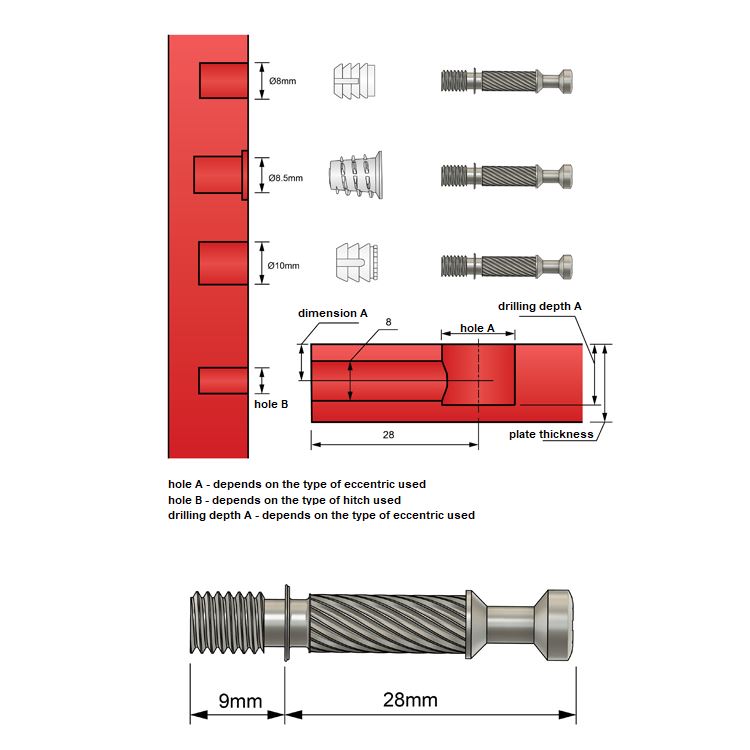
Don’t guess—inspect methodically. Most beds use one of three systems, each requiring different techniques:
- Bolt-through-rail (70% of modern beds): Look for 1/2-inch-diameter bolts protruding horizontally through side rails into footboard posts. Visible nut heads mean standard wrench removal.
- Cam lock (common in RTA furniture): Check for 1-inch-diameter plastic caps on rail ends. Pry these off with a flathead to reveal cam bolts—you’ll need a hex key to rotate them 90°.
- Wooden dowels (antique/vintage): Feel for smooth cylindrical pins where rails meet footboard. No hardware means gentle tapping is required.
Critical Check: Shine a flashlight along the rail-footboard seam. If you spot a 1/4-inch hole perpendicular to the rail, there’s a hidden bolt you must remove first. Forgetting this is the #1 reason footboards won’t release.
Loosen Bolts Without Stripping Screws: A Step-by-Step Guide
Start with bottom fasteners first—top connections bear less weight and often release prematurely. For bolt-through-rail systems:
- Place socket on nut and hold bolt head steady with locking pliers (common mistake: letting bolts spin freely)
- Turn counterclockwise in 15° increments—if resistance increases, stop immediately
- If stuck, tap bolt head sharply with rubber mallet to break corrosion (never hammer nuts)
- Once loose, unscrew by hand to avoid cross-threading during reassembly
For cam locks: Insert hex key into bolt end and rotate cam toward the rail’s outer edge—not inward. You’ll feel it “click” free. Never force rotation; stripped cams require drilling out.
Separate Stuck Footboards Without Damaging Wood
After removing all hardware, most footboards still resist separation due to wood swelling or finish adhesion. Never yank vertically—this cracks rail joints. Instead:
- Slide hands under footboard base (wear gloves!)
- Lift 1 inch while applying gentle side-to-side rocking motion
- If stuck, insert plastic pry bar between rail and footboard at 45° angle
- Tap pry bar with mallet to create 1/8-inch gap, then work around perimeter
For dowel connections: Place mallet on footboard’s top edge and strike horizontally outward—not downward. Two people should apply even pressure on both sides simultaneously. If you hear cracking, stop; the dowel is likely glued.
Fix Stripped Screws in Bed Frame Footboard Connections

Stripped heads happen when manufacturers use soft zinc bolts. Don’t reach for duct tape or superglue—these create permanent damage. Instead:
- For partially stripped Phillips heads: Press hard with #3 driver while turning slowly. The added pressure often catches remaining grooves.
- For fully stripped bolts: Clamp locking pliers onto the bolt head and rotate counterclockwise. If that fails, drill a 1/8-inch pilot hole in the bolt center, then use an extractor bit.
- Emergency fix: Cut a new slot in the bolt head with a Dremel, then use flathead screwdriver.
Prevention: Always apply anti-seize compound to bolt threads before reassembly—especially in humid climates where corrosion strikes fastest.
Unseize Rusty Bolts on Old Bed Frames

Rust-welded bolts require patience, not brute force. Spray penetrating oil (not WD-40—it’s a cleaner, not lubricant) directly onto the bolt-rail junction. Let it soak 20 minutes while you work on other fasteners.
Then:
1. Tap bolt head 5 times with mallet to vibrate oil into threads
2. Apply firm counter-clockwise pressure while tapping rail near bolt with mallet
3. If still stuck, heat bolt head with hairdryer for 90 seconds (expands metal)
4. Immediately attempt removal while metal is warm
Never use propane torches—bed frames contain flammable adhesives and finishes. For antique beds, try vinegar-soaked rags instead of chemical penetrants to avoid finish damage.
Store Your Footboard Without Warping After Removal
Laying footboards flat invites warping from uneven pressure. Always store vertically against a wall with these precautions:
– Place felt pads under bottom edges to prevent floor scratches
– Cover with breathable cotton sheet (never plastic—traps moisture)
– Insert 2×4 spacer between footboard and wall for air circulation
– In humid climates, add silica gel packs behind the footboard
For long-term storage, disassemble if possible. Remove any fabric or padding to prevent mold growth in rolled-up upholstery. Check every 3 months for insect activity—bed frames attract carpet beetles.
Label Every Bolt to Avoid Reassembly Headaches
This 30-second step prevents hours of frustration later. Place hardware in compartmentalized organizer with these labels:
– “Front rail left: 3x M6x20 bolts + washers”
– “Rear rail right: cam lock + bolt”
– “Footboard base: 4x dowels”
No organizer? Tape a zip-top bag to the footboard with written notes. For RTA beds, take a top-down photo of each rail showing bolt positions before removal. Lost hardware? Measure bolt diameter/thread count with a caliper—most big-box stores carry universal bed frame kits.
When to Call a Professional for Footboard Removal
Stop immediately if you encounter:
– Glued dowel connections (common in pre-1980s antiques)
– Bolts snapped flush with rail surface
– Cracks radiating from attachment points
– Metal fatigue causing rail bending
For valuable antiques, consult a furniture restorer—forced removal can slash resale value by 40%. Most handymen charge $75–$125/hr specifically for bed disassembly, including safe transport of components.
Removing your footboard successfully hinges on recognizing attachment systems and respecting wood’s limits. By identifying fastener types first, using the rubber mallet technique for stuck connections, and storing components vertically, you’ll avoid the top three mistakes that ruin bed frames. Remember: If resistance exceeds gentle pressure, stop and re-examine for hidden hardware—never force separation. Now that your footboard is safely removed, consider upgrading to a tool-free bed frame for future moves, or repurpose your footboard as a bench base using simple brackets. For headboard removal techniques that follow similar principles, check our companion guide “How to Dismantle Any Headboard Without Damaging Walls.”


