
That pristine hardwood floor you lovingly installed or the elegant vinyl plank flooring you chose as the foundation of your bedroom sanctuary shouldn’t become collateral damage from your bed frame. Within weeks of moving in a new bed, many homeowners discover unsightly scratches, stubborn scuff marks, or even deep gouges radiating from the frame’s contact points. This isn’t just cosmetic damage—it compromises your floor’s protective finish, invites moisture damage in wood floors, and can slash your home’s resale value. If you’re searching for how to protect floor from bed frame destruction, you’re facing a battle millions of homeowners lose silently every year. The good news? With the right frame selection, strategic protectors, and simple maintenance habits, you can keep your floors flawless for decades. This guide reveals field-tested methods that actually work—no expensive refinishing required.
Stop Bed Frames from Scratching Floors: Platform Bases vs. Wide-Footed Legs
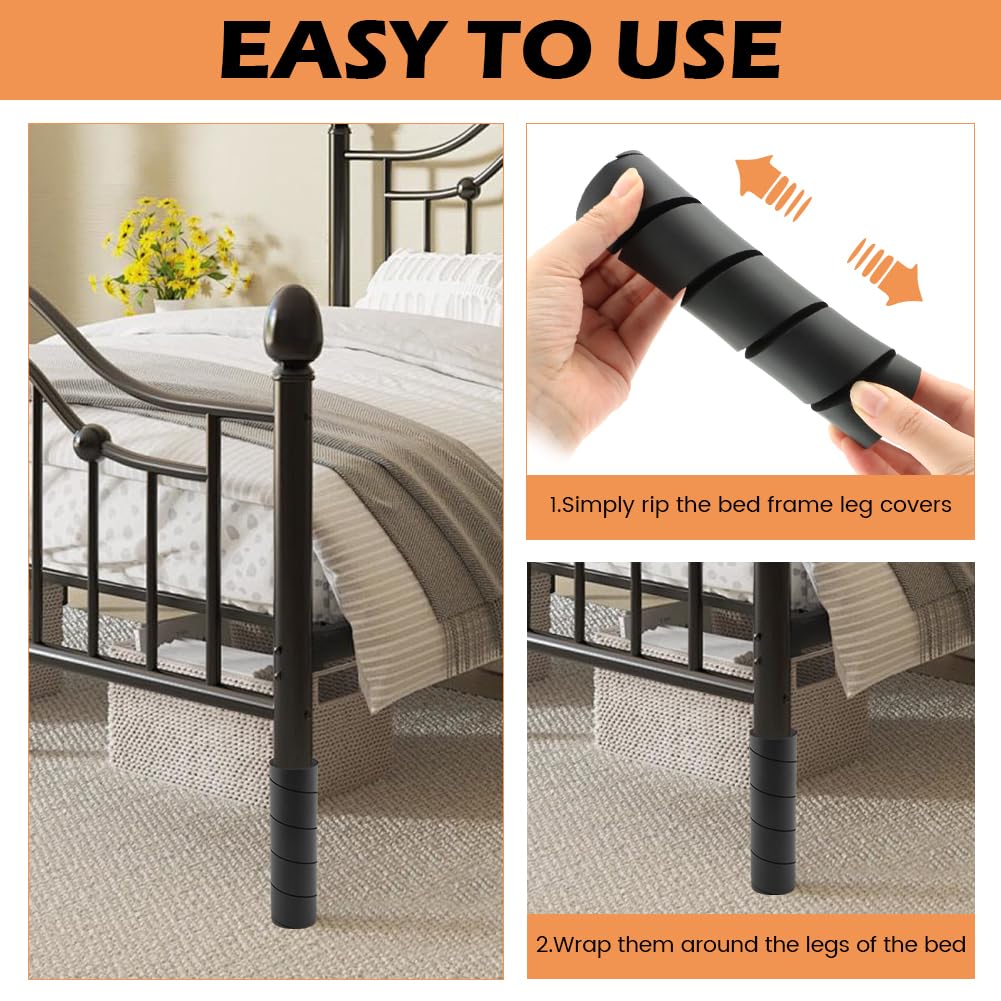
Your bed frame’s design is the frontline defense against floor damage. Traditional bed frames with narrow metal legs concentrate immense pressure on tiny contact points—sometimes exceeding 500 PSI on hardwood. This pressure easily overcomes the floor’s finish, creating permanent scratches with every subtle shift during sleep. Choosing the right foundation eliminates this risk at the source.
Why Platform Beds Distribute Weight Without Damaging Floors
Platform beds with solid slatted bases spread weight across 80-90% of their footprint. Unlike legged frames, they eliminate pressure points by transferring the mattress, box spring (if used), and sleeper weight through continuous contact. A queen-sized platform bed typically exerts less than 50 PSI across the entire base—well below the 200+ PSI threshold that dents most hardwoods. For homes with delicate engineered wood or luxury vinyl plank flooring, this even distribution prevents the “telegraphing” of subfloor imperfections that causes cracks. Pro tip: Opt for platform frames with rubberized non-slip undersides—they grip floors without adhesives while preventing lateral movement that causes scratches.
How Wide-Footed Bed Legs Prevent Hardwood Indentations
If you prefer elevated frames, scrutinize leg design before purchase. Legs ending in narrow metal spikes or small plastic caps are floor destroyers. Instead, demand legs with integrated 1.5-inch diameter rubber feet or removable wide-base glides. These disperse pressure over 2-3x more surface area than standard feet. For heavy upholstered or solid wood frames (over 150 lbs), seek models with “sled bases”—continuous runners spanning the frame’s length that mimic platform bed distribution. When testing in-store, press down firmly on a corner; if the leg compresses the carpet significantly or rocks on hard surfaces, it will damage your floors long-term.
Floor Protection Materials That Actually Work (Not Just Band-Aids)

Even the best bed frame needs supplemental protection. Generic solutions like cardboard or towels compress instantly, creating uneven pressure that accelerates damage. These specialized materials create reliable barriers between frame and floor while accommodating weight shifts during sleep.
Felt Pads: The Precision Fix for Light Bed Frames
Self-adhesive felt pads work best for lightweight metal frames under 100 lbs. But not all pads are equal: Standard 0.5-inch round pads compress within weeks on bed legs. Instead, use 1-inch square high-density felt pads rated for 25+ lbs per pad. Clean legs with rubbing alcohol first—oils prevent adhesion. Press firmly for 30 seconds per pad. For queen/king frames, apply two pads per leg in a staggered pattern to prevent rotation. Warning: Never use felt on casters—it creates dangerous friction during movement. Replace pads when they feel spongy or show visible wear (typically every 12 months).
Furniture Sliders: Move Heavy Beds Without Floor Trauma
For solid wood or upholstered frames over 150 lbs, silicone-coated furniture sliders are non-negotiable. Unlike plastic sliders that scratch, these have a smooth ceramic core that glides effortlessly. Measure leg diameter before buying—sliders must fully encase the foot. Installation is critical: Lift the bed corner slightly with a pry bar, insert the slider, then lower slowly. Test stability by rocking the frame; if it shifts more than 1/4 inch, the slider is too large. These let you pull heavy beds 6 feet for cleaning with zero scuffs—a lifesaver for allergy sufferers.
Weight-Distributing Cups for Carpet and Delicate Hardwood
On plush carpets or thin-pile hardwoods, use furniture cups with concave bases (1.5-2 inches deep). These trap leg movement while spreading weight. For carpets over 1/2 inch thick, choose cups with flanged rims that prevent “sinking” by distributing force laterally. On hardwood, select cups with non-marking TPE rubber bases—never PVC, which can yellow floors. Place cups directly under legs, not under sliders. For extra-heavy frames (like canopy beds), nest two cups: a large outer cup for weight distribution and a smaller inner cup for leg stability.
Area Rugs as Invisible Floor Armor Under Your Bed
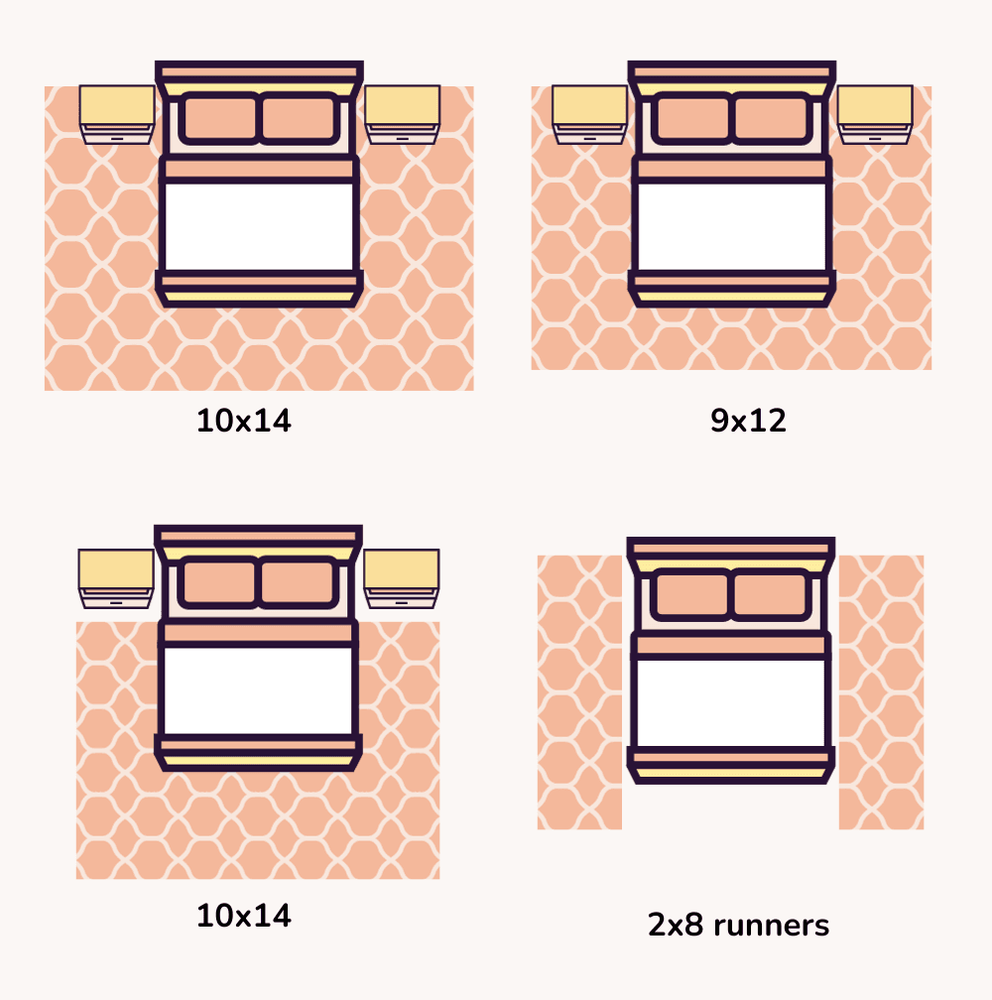
Rugs aren’t just decor—they’re your last line of defense against microscopic debris that scratches floors during bed movement. Standard area rugs often bunch or slide, creating new hazards. Strategic placement turns them into silent protectors.
The 6-Inch Overhang Rule for Maximum Coverage
Place rugs so they extend at least 6 inches beyond all bed edges. This captures debris kicked up when moving the bed and prevents leg contact during accidental shifts. For queen beds, use 8×10 ft rugs; kings need 9×12 ft. Avoid rugs with rubber backings—they trap moisture against wood floors. Instead, choose low-pile wool or flatweave cotton with felt pads underneath the rug itself. In high-humidity climates, add a breathable rug pad (like jute) between rug and floor to prevent warping.
Clear Vinyl Protectors: The Hidden Shield for Hard Surfaces
For minimalist bedrooms or rental apartments where rugs aren’t an option, 1/8-inch thick clear vinyl floor protectors are invisible armor. Cut to match your bed’s footprint using a utility knife and straightedge. Key installation steps:
1. Clean floor with vinegar solution to remove oils
2. Position protector and tape edges temporarily
3. Roll from center outward with a J-roller to eliminate bubbles
4. Seal edges with clear silicone caulk (prevents tripping)
These withstand 500+ lbs/sq ft and won’t yellow under beds. Replace every 2 years as they gradually lose clarity.
Apply Bed Frame Protectors in 4 Foolproof Steps
Slapping on random pads invites disaster. Proper installation prevents protectors from dislodging—a leading cause of sudden floor damage.
Clean Bed Frame Feet Before Applying Protectors (Critical First Step)
Dust and oils are the enemy of adhesion. Remove legs if possible. Scrub contact points with isopropyl alcohol and a microfiber cloth. For metal legs, lightly sand any rust spots. Let dry 15 minutes. Test adhesion by pressing a pad firmly—you should feel resistance when peeling it off immediately. If it slides easily, clean again.
Position Pads and Sliders for Unshakeable Stability
For multi-pad legs: Place pads at 12 and 6 o’clock positions on round legs; use four pads (one per corner) on square legs. Press each pad with 10+ lbs of force for 45 seconds. For sliders, ensure legs sit centered—you’ll hear a subtle “click” when properly seated. Pro tip: Apply sliders during daytime when floors are warmest; they grip better as temperatures drop overnight.
The Stability Check: Why Your Bed Mustn’t Rock After Installation
After setup, test stability by applying firm downward pressure on each corner while a partner checks leg contact. If any leg lifts more than 1/8 inch, add shims under protectors. Then, simulate sleep movement: rock the bed side-to-side 10 times at 2-inch amplitude. If you hear scraping or see protector shifting, disassemble and reposition. Unstable beds grind protectors into floors within weeks.
Maintenance Schedule: When to Replace Worn Protectors
Set phone reminders to inspect protectors every 3 months:
– Felt pads: Replace if compressed below 1/8 inch thickness
– Sliders: Discard when ceramic core shows through silicone
– Vinyl protectors: Swap when edges curl or clarity drops below 80%
During inspections, vacuum under the bed—grit trapped under protectors acts like sandpaper.
3 Costly Mistakes That Ruin Floors Despite Protectors
Even with protectors, these errors cause irreversible damage. Avoid them like bedbugs.
Why Hard Plastic Casters Dig Permanent Grooves in Carpet
Small plastic casters (common on storage beds) rotate under weight, creating “corkscrew” indentations in carpets. As fibers break down, the casters sink deeper, eventually reaching the subfloor. Solution: Remove casters entirely. Replace with static wide-base glides or install caster cups with 360° rotation locks.
The Hidden Danger of Bare Metal Legs on Vinyl Flooring
Vinyl plank flooring has a wear layer just 0.5-20 mils thick—thinner than printer paper. Bare metal legs concentrate pressure enough to crack this layer, exposing the vulnerable core. Within months, moisture seeps in, causing swelling and delamination. Always use protectors rated for LVP/LVT (look for “non-staining” labels).
Uneven Weight Distribution: How One Leg Can Destroy Your Floor
If your bed sags on one side (common with sagging box springs), that leg bears 40% more weight. This single point can exert 700+ PSI—enough to crack stone tiles or dent hardwood. Fix immediately: Level the bed frame with adjustable furniture glides and replace worn box springs.
Protecting your floors from bed frame damage isn’t about perfection—it’s about consistent, informed choices. Start with a platform frame or wide-footed design, layer on silicone sliders or high-density felt pads, and deploy clear vinyl protectors as your final barrier. Inspect protectors quarterly, and never let metal touch flooring directly. These steps take under 20 minutes initially but save thousands in refinishing costs. Your floors took months to install but seconds to scratch—give them the shield they deserve. Sleep easy knowing your bed supports your rest, not your regrets.


