
Your ottoman storage bed won’t magically shrink to fit through doorways—and wrestling it apart just to reassemble it later wastes hours you’ll never get back. When the mattress lifts off and the hydraulic struts instantly force the lid open, you’re suddenly facing a 7-foot-wide obstacle that won’t cooperate. This isn’t just inconvenient; it risks crushing fingers, gouging walls, or snapping critical components. But here’s the good news: You can move even the bulkiest queen or king ottoman bed frame intact by leveraging physics, precise teamwork, and smart restraint techniques. I’ve helped relocate hundreds of beds without disassembly, and this guide cuts through the guesswork. You’ll learn exactly how to tilt, secure, and navigate your frame through standard 80cm doorways while protecting hydraulic systems—and why skipping disassembly preserves your warranty.
Most people fail at this because they skip two non-negotiable steps: measuring every pathway with a tape measure (not eye-balling) and neutralizing hydraulic pressure before lifting. Guess what happens when unsecured gas struts explosively pop open mid-move? Your fingers get trapped, the frame crashes sideways, and warranty claims get denied. But with the right approach, you’ll transform a nightmare into a 20-minute operation. Let’s get your bed frame safely to its new room—intact and functional.
Measure Every Doorway and Hallway with a Tape Measure (Not Guesswork)
Standard interior doorways are only 80cm (31.5 inches) wide—narrower than most bed frames lying flat. Assuming your ottoman base will “just fit” is how corners get smashed and drywall gets shredded. Grab a tape measure now and record three critical dimensions: your bed frame’s width at its widest point (usually the storage lid), plus the height and width of every doorway, hallway, and stairwell on your route. The magic number? A 45-degree tilt reduces the frame’s effective width by nearly 30%, letting it pivot through tight spots. If your bed measures 160cm wide, tilting it diagonally creates a 113cm profile—slim enough for that 80cm doorway with clearance to spare.
Why Angled Movement Beats Straight Pushing Every Time
Trying to shove a flat bed through a doorway guarantees jamming. Instead, tilt it to 30-45 degrees before approaching the threshold. The person at the front (walking backward) guides the top corner through first while the rear lifter controls the pivot point. For hallways under 90cm wide, use progressive 15-degree pivots—shifting the angle incrementally around corners. Never skip this dry run: Walk the route empty-handed while holding the tape measure at your bed’s diagonal width. If your mock-up hits trim or doorframes, you’ve found your problem spot before lifting 100kg of wood and hydraulics.
Assemble a Minimum 3-Person Moving Team with Safety Gear
Ottoman bed frames concentrate weight unevenly—40% in the headboard section, 30% in the footboard—and hydraulic components shift balance unpredictably. Two people risk dropped frames and herniated discs; three gives you dedicated roles: front navigator, rear lifter, and safety spotter. Non-negotiable gear includes gloves with rubber grips (to prevent slippage on smooth frames), steel-toe shoes, and at least two moving blankets. Skip the rope or flimsy bungees; you need industrial 50lb+ zip ties or 2-inch ratchet straps.
Critical Safety Commands That Prevent Accidents
Designate one person as the command leader—they control all movement with short, loud phrases:
– “Lift on three: ONE, TWO, THREE—UP!” (Never lift silently)
– “Tilt left 15 degrees—NOW!” (Specific angle directions beat “move left”)
– “Emergency stop—LOWER SLOW!” (Your “safe word” for immediate halts)
If anyone stumbles or the path blocks, everyone responds to “STOP” by lowering simultaneously. No exceptions.
Secure Ottoman Bed Lids with Ratchet Straps, Not Bungees
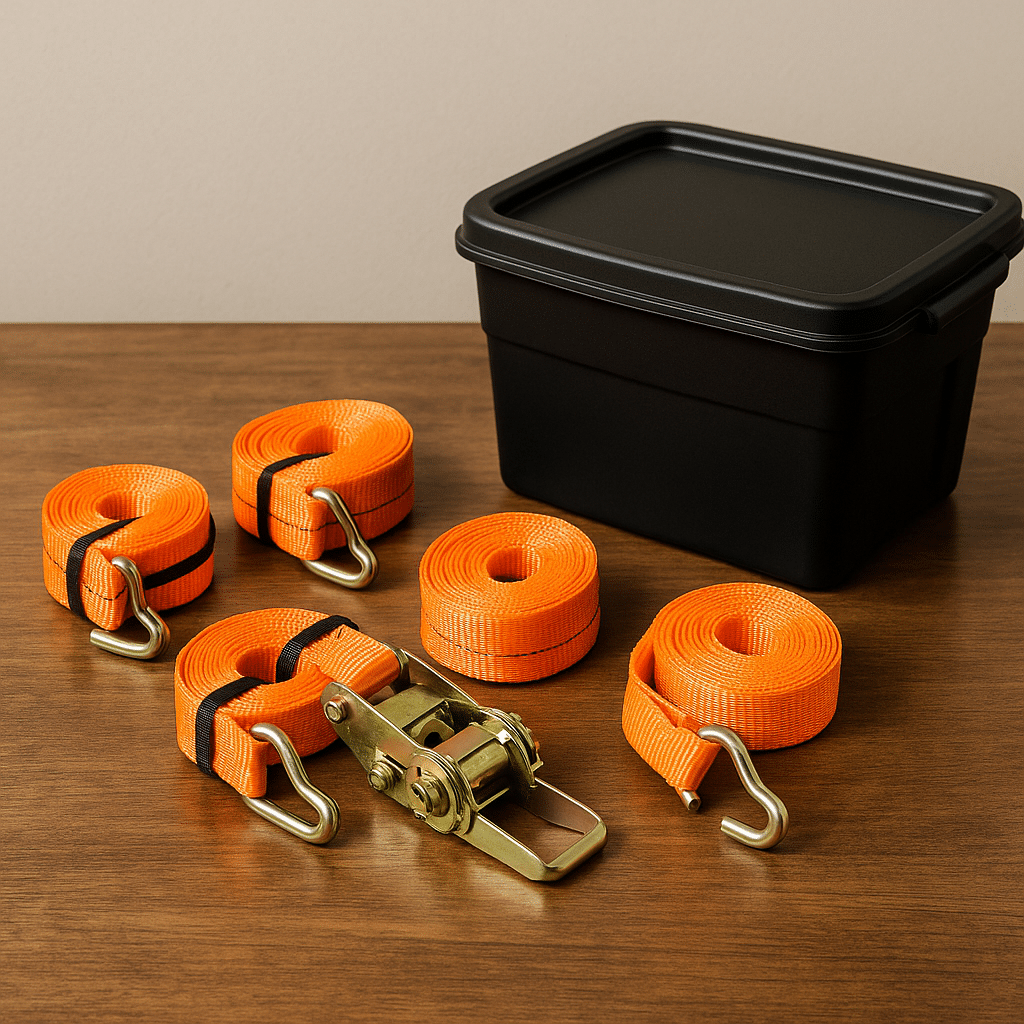
Hydraulic struts will violently spring open the moment the mattress lifts off—turning your bed into a dangerous, unwieldy lever. Bungee cords stretch unpredictably and can slip off stress points, while ratchet straps apply even pressure without crushing pistons. For queen/king frames, use two 2-inch ratchet straps in a crisscross pattern: Anchor one strap across the lid diagonally from front-left to back-right, and the second from front-right to back-left. Tighten just enough to immobilize the lid—never compress struts beyond their natural range.
Neutralize Hydraulic Struts Without Damaging Gas Pistons
Gas struts contain pressurized nitrogen; over-compressing them risks leaks or explosions. Here’s how to secure them safely:
1. Wrap struts in foam padding to prevent dents during transit
2. Engage the bed’s internal lock (if present) before adding straps
3. Apply furniture wax to pivot points to stop binding mid-move
4. Never use zip ties directly on struts—they can cut hydraulic lines
Test restraint by gently shaking the lid. If it moves more than 1cm, re-tighten.
Tilt the Bed Frame at 45 Degrees to Clear Standard 80cm Doorways
This isn’t “just tilting”—it’s precision geometry. With the frame vertical at 45 degrees, the person at the front grips the bottom edge of the headboard while the rear lifter holds the footboard’s base. Walk the frame through the doorway like a seesaw: The front navigator steps backward through the door first, guiding the top corner through the opening. As the frame pivots, the rear lifter shifts weight to their heels and rotates the base clockwise (or counter-clockwise) to align with the next hallway.
Avoid the #1 Doorway Jamming Mistake
People try to “muscle through” when the frame catches on door trim. Instead:
– Pause immediately and lower the frame 5cm
– Rotate it 5 degrees toward the wider wall side
– Re-engage lift with a “TILT MORE—UP!” command
If resistance continues, backtrack and re-measure—you likely missed an obstruction like baseboard molding.
Navigate Stairs by Lowering the Heavy End First

Stairs turn bed moving into a physics nightmare: Gravity pulls the heavy headboard section downward, risking loss of control. For descent, the strongest team member positions themselves at the bottom of the stairs, bearing 70% of the weight. The top lifter guides the frame downward while the spotter braces the rear. Move one stair at a time—never skip steps.
Stair Ascent Technique for King-Size Frames
Going upstairs? Reverse the roles: The strongest person stays at the top, lifting the headboard section while the bottom lifter pushes upward from the footboard. Key tricks:
– Tilt the frame 20 degrees backward to shift weight toward top lifter
– Place furniture sliders under the footboard to reduce drag
– Pause every 3 steps to reset grip and check balance
If the frame weighs over 100kg (220lbs), stop—you need mechanical aids like a stair-climbing dolly.
Use Furniture Sliders to Protect Floors During Room-to-Room Moves

Hardwood floors get scratched by dragging bed frames, but lifting entire bases causes dropped loads. Furniture sliders solve both: Slide 4-6 plastic discs under the frame’s legs or base corners before lifting. For ottoman beds, place sliders under the footboard section where weight concentrates. Once in motion, the frame glides with minimal effort—reducing required lifting force by 60%.
When to Avoid Sliders (And What to Use Instead)
Never use sliders on:
– Carpeted floors (they sink in, increasing resistance) → Use moving blankets as drag mats
– Stairs (sliders cause uncontrolled sliding) → Opt for shoulder harness straps
– Vinyl/LVP flooring (plastic discs can scratch) → Cover sliders with felt pads
For tight turns, lift one corner 2cm to reposition sliders—never drag the frame sideways.
Inspect Hydraulic Systems Before Replacing the Mattress
The final step isn’t just “putting the mattress back.” Hydraulic damage often hides until it’s too late—like a slow nitrogen leak that causes the lid to sag after reassembly. Immediately after positioning the frame:
1. Remove all straps slowly while bracing the lid with your knee
2. Test the strut mechanism by lifting the lid halfway—listen for hissing
3. Check pivot points for new cracks or bent brackets
4. Operate the lid 3 times to confirm smooth motion
If the lid drops suddenly or won’t stay open, struts are damaged. Do not add weight—call a technician before proceeding.
Moving your bed frame without disassembly saves 2-3 hours of reassembly time and protects warranty coverage—but only if you respect hydraulic physics and dimensional realities. By measuring pathways with military precision, securing lids with ratchet straps (not bungees), and moving with coordinated 45-degree tilts, you’ll avoid the #1 pitfalls that turn simple moves into disasters. Remember: Three people, clear commands, and never forcing a jammed frame. If your bed exceeds 150kg or requires navigating more than 10 stairs, professionals with stair-climbing dollies are worth every penny. Now go reclaim your space—intact frame and all.


