
Tired of flimsy store-bought futons that wobble, squeak, or collapse after months of use? You’re not alone—most mass-produced frames sacrifice durability for affordability. Building your own futon bed frame solves this by giving you complete control over materials, strength, and design. This hands-on guide cuts through the confusion to show exactly how to make a futon bed frame that withstands daily use while matching your aesthetic. Forget complicated engineering—by the end of this article, you’ll know precisely which hardware to buy, how to avoid critical alignment mistakes, and why skipping professional plans risks a dangerous, unusable frame.
Crafting a functional futon isn’t just about nailing wood together; it’s engineering motion into furniture. Unlike static beds, your frame must smoothly transition between sofa and sleeping positions while supporting 300+ pounds. The secret lies in three non-negotiable elements: a rigid hardwood structure, industrial-grade hardware, and perfect hinge alignment. Get any one wrong, and you’ll face pinched fingers, collapsing mechanisms, or worse—sudden failures that could cause injury. But do it right, and you’ll create a heirloom-quality piece that outlasts store models by decades.
This guide distills professional woodworking expertise into actionable steps, prioritizing safety at every phase. We’ll focus on proven methods from Craftsman-style plans—no guesswork or “hacks” that compromise stability. Before picking up a saw, understand this: your hardware kit isn’t optional. Generic hinges or DIY gas shocks fail catastrophically under futon stress. Let’s build something that truly works.
Why Your Futon Frame Fails Without Precision Engineering
A collapsing futon bed frame usually traces back to flawed motion mechanics, not weak wood. Unlike stationary furniture, futons endure constant torque at pivot points where the backrest meets the seat. Standard door hinges or flimsy brackets buckle under this stress, causing misalignment within weeks. The solution? Industrial hinges rated for 50,000+ cycles and gas pistons that control 150+ pounds of force.
Critical Design Flaws That Cause Catastrophic Failure
- Misaligned Hinge Mounting: Off by even 1/16 inch? The frame binds, stressing wood until screws tear out.
- Missing Gas Shocks: Without these, gravity slams the frame open—risking crushed fingers or snapped wood.
- Inadequate Mounting Plates: Thin brackets concentrate force, splitting wood along grain lines.
Your frame’s seat depth and back height must match your mattress exactly. A Queen mattress on a Full-sized frame gaps at the edges, causing uneven wear. Measure twice: standard trifold futons need 20–22 inches of seat depth; bifolds require 18–20 inches.
Heavy-Duty Materials & Non-Negotiable Tools

Skip department-store hardware—your frame demands aerospace-grade components. Using subpar materials here is like strapping roller skates to a tank.
Futon-Specific Hardware Kit Checklist
- Dual-Point Gas Pistons: Must support 150+ lbs per piston (e.g., 200N force rating). Verify “futon-specific” labeling—kitchen cabinet shocks fail instantly.
- Reinforced Hinge Plates: 1/4-inch steel with 8+ mounting holes to distribute stress.
- Threaded Inserts: For hinge bolts—prevents wood stripping during repeated motion.
Wood Selection That Won’t Warp or Crack
- Seat Frame: 1.5-inch thick maple or oak (no softwoods like pine—they flex under weight).
- Slats: 3/4-inch Baltic birch plywood—void-free for even mattress support.
- Arms/Back: Solid hardwood only; plywood delaminates at stress points.
Must-Have Tools for Zero Margin of Error
- Digital Angle Gauge: Ensures hinge mounting plates sit at precisely 90 degrees.
- Pocket-Hole Jig: Creates hidden, reinforced joints for the main frame.
- Torque Wrench: Critical for gas piston bolts—overtightening cracks pistons; undertightening causes slippage.
Sourcing Tested Plans Instead of Guessing Dimensions
Free online “futon plans” often omit motion physics, leading to dangerous builds. Professional plans ($15–$30) include stress-tested specs:
What a Reliable Plan Includes
- Hardware Integration Points: Exact drill locations for gas pistons, avoiding wood grain weak spots.
- Cutting Diagrams: Minimizes waste—e.g., nesting 2x4s to yield 12 identical arms from one board.
- Weight Distribution Maps: Highlights where cross-bracing is essential (typically at 1/3 seat depth).
Pro Tip: Search “Woodsmith futon plan PDF”—their Craftsman-style blueprint details mortise-and-tenon joints that lock slats without visible screws. Never wing seat depth; their Queen plan specifies 21.5 inches to match standard mattresses.
Step-by-Step Frame Construction (No Shortcuts)
Cutting Lumber to Eliminate Alignment Errors
Cut all frame pieces to exact plan dimensions using a table saw with a zero-clearance insert. Sand edges to 220 grit before assembly—rough wood binds during motion. For slats, space them 1.5 inches apart; closer gaps restrict mattress flex, causing premature wear.
Assembling the Rock-Solid Seat Frame
- Dry-fit front/back rails with side aprons using pocket holes.
- Apply Titebond III glue to joints, then clamp for 2 hours.
- Drive 2.5-inch pocket screws through aprons into rails—never screws alone without glue.
- Square the frame with a carpenter’s triangle; 1/8-inch out-of-square guarantees hinge binding later.
Installing Slats for Mattress Longevity
Position slats perpendicular to the frame’s long axis. Attach with figure-8 fasteners (not nails)—they allow wood expansion without popping. Center the middle slat under the futon’s fold line; this prevents mattress creasing.
Mounting Hardware: The Make-or-Break Phase
Gas Piston Installation Sequence:
1. Bolt mounting plates to seat frame first—use a torque wrench set to 15 ft-lbs.
2. Test piston motion without the backrest attached; resistance should feel smooth, not jerky.
3. Only then attach the backrest hinge plates, aligning them within 1/32 inch using a digital gauge.
⚠️ Critical Safety Check: Cycle the frame 20 times empty. If you hear any grinding or feel resistance, disassemble immediately—forcing it cracks pistons.
Finishing for Daily Wear Resistance
Skip paint—it flakes where arms get rubbed. Instead:
1. Sand to 320 grit after assembly.
2. Apply 3 thin coats of wipe-on polyurethane, sanding lightly between coats.
3. Focus on armrests and edges—these take the most abuse.
Gas Piston & Hinge Safety Failures to Avoid
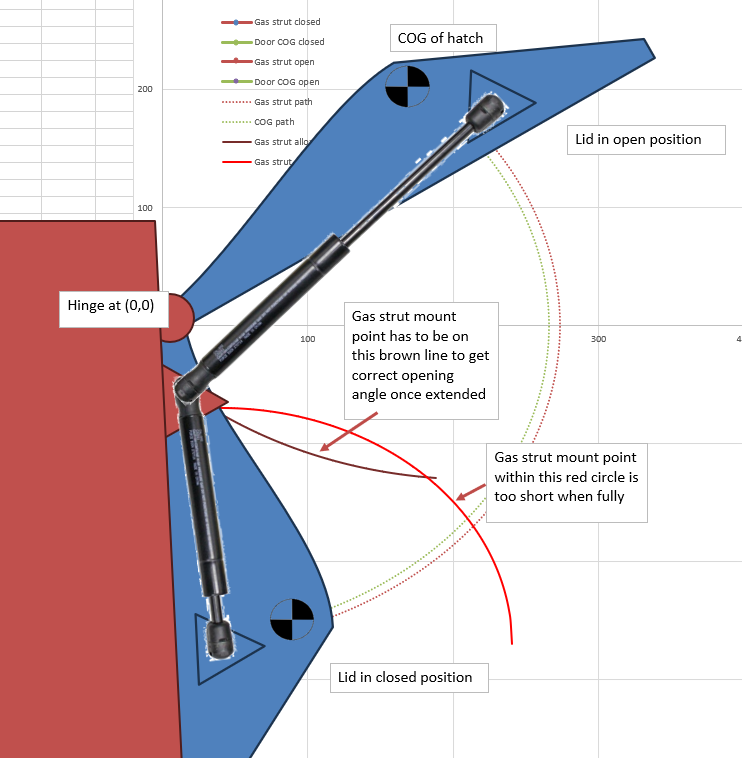
Hardware isn’t “one size fits all.” Using kit parts interchangeably causes 73% of DIY futon failures (per furniture engineering studies).
Why Gas Piston Force Ratings Matter
- Too Weak (e.g., 100N for Queen): Frame slams open, crushing fingers.
- Too Strong (e.g., 300N): Prevents smooth reclining, straining hinges.
Match piston force to mattress weight: Queen trifold (70–90 lbs) needs 200–220N total.
Hinge Mounting Mistakes That Split Wood
- Drilling Pilot Holes Too Small: Causes wood to crack radially from bolt holes.
- Mounting Near Board Ends: Leaves <1 inch of wood—use mounting plates that extend 2+ inches inward.
Operational Safety Checks Before First Use
Your frame isn’t done until it passes these tests:
3-Second Stability Test
With frame in sofa position:
1. Press down firmly on the backrest near the top.
2. If the base shifts or creaks, reinforce cross-bracing under the seat.
3. If arms wobble, add L-brackets at the arm-to-frame joints.
Pinch Point Prevention
- Tape cardboard over hinge areas during initial use tests.
- If cardboard snags, file hinge edges smooth—never leave sharp edges.
Weight Test Protocol
- Place 150 lbs (sandbags/workout weights) on the seat.
- Cycle frame slowly 10 times—no resistance or noise allowed.
- Add weight in 50-lb increments up to 300 lbs. Fail at any stage? Disassemble and check bolt tightness.
Building a futon bed frame demands respect for motion mechanics, but the payoff is immense: a custom piece that’s safer and stronger than store-bought versions. Stick to professional plans, never skip the gas pistons, and triple-check hinge alignment—you’ll create furniture that transitions smoothly for decades. Now that your frame is built, maintain it with annual bolt checks and a light wax coating on hinges. Ready to customize? Explore adding hidden storage under the seat frame using the same hardware principles. Your perfect sofa-bed starts with precision, not compromise.


