
Struggling to climb into bed or worried about safety with a standard-height metal frame? You’re not alone—nearly 40% of adults over 50 modify bed heights for easier access. Lowering your metal bed frame solves this instantly, whether you need it for mobility reasons, a thicker mattress, or that sleek low-profile look. The best part? Most frames can be dropped 3-6 inches in under 20 minutes using hardware already included. This guide cuts through the confusion (especially that critical “up to go down” trick) and delivers a foolproof process for any common metal frame. By the end, you’ll know exactly how to adjust your specific model safely and permanently.
Pin-and-Hook Metal Bed Frame Adjustment
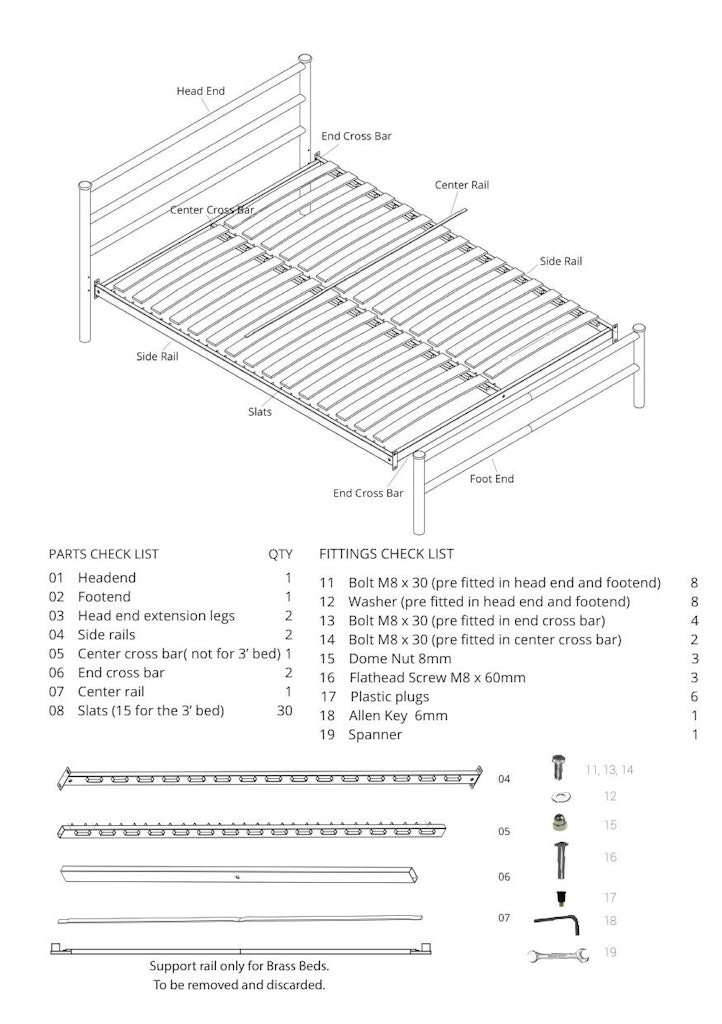
This design dominates budget and mid-range metal frames. If your side rails snap onto the headboard/footboard legs with a metal hook secured by a removable pin, you’re working with this system. The key to lowering it lies in counterintuitive positioning—moving the attachment point higher on the leg post actually lowers the bed height. This happens because the rail hook sits above the pin connection. Raising the hook’s position shortens the effective leg length beneath the rail.
Why Moving Up Lowers Your Bed Height
Visualize your bed leg as a ladder. The side rail connects via a hook latched into one rung. If you move that hook to a higher rung (closer to the top of the leg), the rail sits lower relative to the floor. Common mistake: Trying to use a lower rung makes the bed taller. Always target the second or third hole from the top for a safe 2-4 inch drop without compromising stability.
Step-by-Step Pin Adjustment Process
-
Remove safety pins correctly: Locate the cotter pin (hairpin-shaped) or flat-head retaining clip securing the clevis pin. Grip it firmly with needle-nose pliers—never your fingers—and pull straight out. If rusted, tap the clevis pin downward gently with a rubber mallet first to break corrosion.
-
Reposition the rail hook: Lift the side rail slightly to disengage the hook from its current hole. Slide the entire rail assembly upward until the hook aligns with your chosen higher hole. Critical check: Ensure the hook sits fully seated in the hole—not partially hanging—before reinserting the pin.
-
Secure connections: Push the clevis pin straight through both the hook and leg post until it protrudes evenly on both sides. Reinstall the cotter pin with its loop opening downward to prevent snagging sheets. Repeat identically on all four corners.
Pro Tip: Place painter’s tape on the floor marking each leg’s position before disassembly. This prevents misalignment during reassembly that causes wobbling.
Bolt-and-Nut Metal Bed Frame Adjustment
Heavy-duty frames (common in platform beds or hospital-style models) use bolts through aligned holes in the leg posts and rails. Lowering requires repositioning these bolts higher on the leg. Unlike pin systems, here you’re moving the bolt up the leg post while the rail’s mounting bracket stays fixed.
Identifying Bolt System Compatibility
Check for multiple horizontal holes stacked vertically on the leg posts where rails attach. Bolts will be 3/8″ to 1/2″ thick with visible nuts on the outer side. If your frame has only one fixed bolt position per leg, it likely isn’t adjustable—look for replacement legs instead (covered later).
Precise Bolt Relocation Steps
-
Support the rail first: Before loosening bolts, place a sturdy box or stool under the rail. Removing bolts releases tension—without support, the rail could drop unexpectedly and pinch fingers.
-
Loosen strategically: Use a 13mm or 1/2″ socket wrench to loosen nuts only 2 full turns. Don’t remove completely yet. Tap the bolt head lightly with a mallet to break rust. If bolts spin freely, hold the bolt head with a second wrench while loosening the nut.
-
Reposition and tighten: Lift the rail to align bolt holes with your target higher position on the leg post. Insert the bolt, add washers (if original), then hand-tighten the nut. Final tighten to “firm but not straining”—overtightening strips metal threads. Target 15-20 ft-lbs torque if using a torque wrench.
Warning: Never skip washers! They distribute pressure and prevent the nut from sinking into the rail’s metal, which causes wobbling within weeks.
Troubleshooting Stubborn Metal Bed Frame Connections

Dealing with Frozen Pins and Bolts
Rusted hardware is the #1 adjustment roadblock. For pins that won’t budge:
– Spray penetrating oil (like PB Blaster, not WD-40) directly into the hole around the pin
– Wait 20 minutes—let it creep into threads
– Tap the pin horizontally (side-to-side) with a mallet to break corrosion
– Never use excessive force; a bent pin means replacement is needed
For seized bolts:
– Apply heat with a hairdryer for 60 seconds to expand metal
– Use a 6-point socket (not 12-point) for better grip
– Try “shock tightening”: Gently tap the wrench handle clockwise with a mallet to break rust
Fixing Uneven Bed Height After Adjustment
If one corner sits higher after lowering:
1. Measure rail height from floor at all four corners with a tape measure
2. If difference exceeds 1/4 inch, loosen only the higher corner’s connection
3. Tap the rail downward gently with a rubber mallet until level
4. Re-tighten while holding rail in position
5. Pro Tip: Place shims (folded cardboard works) under low legs temporarily while adjusting—never as a permanent fix
Critical Safety Checks Before Using Your Lowered Bed
Stability Test Protocol
Never skip this step—improperly adjusted frames collapse under weight. Perform these checks before rematressing:
– Stand the frame upright and apply 50 lbs of downward pressure on each rail corner
– Push laterally on headboard/footboard—zero wobble should occur
– Listen for creaking at connection points (indicates loose hardware)
– Red Flag: If the frame shifts more than 1/2 inch during testing, disassemble and re-tighten all connections
Weight Distribution Verification
Place your full body weight on the frame in multiple positions:
– Sit firmly on each edge
– Lie down and roll side-to-side
– Test near connection points (most failure occurs here)
If connections flex visibly or make popping sounds, raise the frame 1-2 inches—your frame may not support extreme lowering.
When Standard Lowering Won’t Work: Alternative Solutions
Shortening Metal Bed Legs Safely
For non-adjustable frames (common in older models), shorten legs instead:
1. Remove legs completely
2. Mark cut line 1-2 inches from bottom using a level
3. Cut with a metal hacksaw (use 24 TPI blade for clean cuts)
4. File sharp edges smooth
5. Reattach legs upside down so the cut end contacts the floor
Warning: Never cut more than 2 inches—this compromises structural integrity. Always cut all legs identically.
Compatible Replacement Legs for Height Reduction
Hardware stores sell universal bed leg adapters:
– Telescoping legs: Adjust from 4″-8″ height (e.g., Odeezy Bed Legs)
– Low-profile brackets: Replace standard legs with 2.5″ stubs (IKEA TROFAST works for many frames)
– Cost: $8-$15 per leg vs. $150+ for a new frame
Ensure diameter matches your frame’s leg socket (measure inner width with calipers).
Maintenance to Prevent Future Height Issues
Monthly Stability Routine
After lowering your frame:
– Tighten all bolts/pins before rematressing (easier access)
– Apply silicone-based lubricant to pin holes quarterly
– Check for hairline cracks near connection points
– Critical: Retighten connections after the first 2 weeks—metal settles under mattress weight
When to Call a Professional
Seek help if:
– Frame shows bending or warping near joints
– Original hardware is damaged beyond replacement
– You’ve lowered more than 4 inches on a standard frame
A handyman typically charges $50-$75 for safe height adjustment—worth it to avoid collapse risks.
Lowering your metal bed frame isn’t just about comfort—it’s a safety upgrade that pays off every time you climb in or out of bed. By targeting the correct holes on pin systems or repositioning bolts higher on leg posts, you’ve gained 3-6 crucial inches of accessibility in under 20 minutes. Remember to always test stability rigorously before use and perform quarterly bolt checks. If standard adjustments don’t work, affordable replacement legs offer a permanent fix. Now that your bed sits at the perfect height, enjoy easier movement and that satisfying low-profile aesthetic—without the expense of a new frame. Ready to optimize further? Explore how to silence squeaky bed frames with our companion guide.


