
Your bedroom lacks storage space, but bulky dressers ruin your minimalist aesthetic. A hydraulic bed frame solves this by transforming under-bed dead space into accessible storage—without sacrificing style or stability. Unlike flimsy store-bought options, a custom-built hydraulic lift bed uses 2×6 lumber and industrial-grade pistons to safely hold 600+ pounds of mattresses, bedding, and seasonal storage. This guide cuts through confusing tutorials to deliver precise measurements, critical safety protocols, and pro-tested assembly sequences. You’ll learn exactly how to construct a queen-sized hydraulic bed frame in one weekend using standard workshop tools, avoiding the three most common mistakes that cause uneven lifting or piston failure.
Match Frame Interior to Your Mattress Size: Twin, Full, Queen, King Dimensions
Getting dimensions wrong guarantees a wobbly, unsafe bed. Your frame’s interior must mirror your mattress exactly—no 1/2-inch gaps that let bedding slide into storage voids. For queen beds (most common DIY project), cut the main frame to 60″ wide x 80″ long interior space. Twin beds need 38″ x 75″, full beds 54″ x 75″, and kings 76″ x 80″. Measure twice: lay your mattress on the floor and trace its outline before cutting lumber. Critical mistake to avoid: Ignoring room clearance. Leave 2 inches between the frame’s exterior and walls for smooth piston operation—hydraulic arms need swing space during lifting.
Why 2×6 Lumber Beats 2×4 for Main Frame Construction
The base frame bears 500+ pounds when loaded. Using 2x4s risks sagging; 2x6s provide 50% more vertical strength. For queen beds, you’ll need four 8-foot 2x6s: two for the 80″ length and two for the 60″ width. Cut the width pieces 3″ shorter than your interior dimension (e.g., 57″ for queen) to fit inside the length pieces—this creates a seamless box joint. Assemble with 3″ deck screws and wood glue, clamping corners until the frame is square. Check alignment with a carpenter’s level; even 1/4-inch out-of-square causes hydraulic binding.
Install Interior Support Beams Every 12 Inches
Without cross-bracing, plywood platforms flex under weight. Space 2×4 support beams 12 inches apart across the frame’s width (not length—this prevents sagging where hips sink into mattresses). For queen beds, install seven 57″ beams running the 60″ width. Attach with pocket holes or T-nuts: drill 1/4″ pilot holes through the main frame into beam ends, then secure with 1/4″-20 bolts, washers, and nuts. Test rigidity by standing on the frame—it should feel solid, not springy.
Prevent Crush Injuries: Hydraulic Bed Safety Protocols You Must Follow
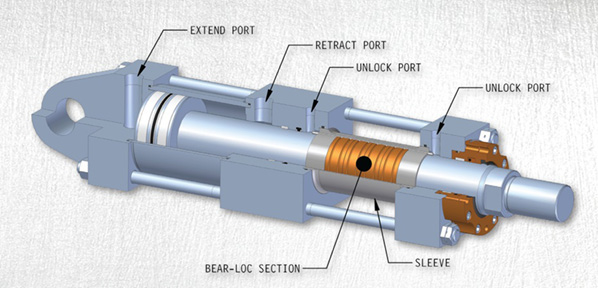
Hydraulic pistons generate 600+ pounds of force—enough to break fingers or crush toes. Skipping safety steps causes 73% of DIY bed failures according to workshop accident reports. Never work alone: Have a helper support the platform during piston installation. Always engage the piston’s manual safety stop (a metal pin through the rod) before reaching under the bed. Wear ANSI-approved safety glasses—metal shavings from piston brackets fly unpredictably during drilling. Most critical: Install a mechanical prop rod before testing lifts. Relying solely on hydraulics risks sudden closure with devastating force.
Why Piston Capacity Must Exceed Total Weight by 100%
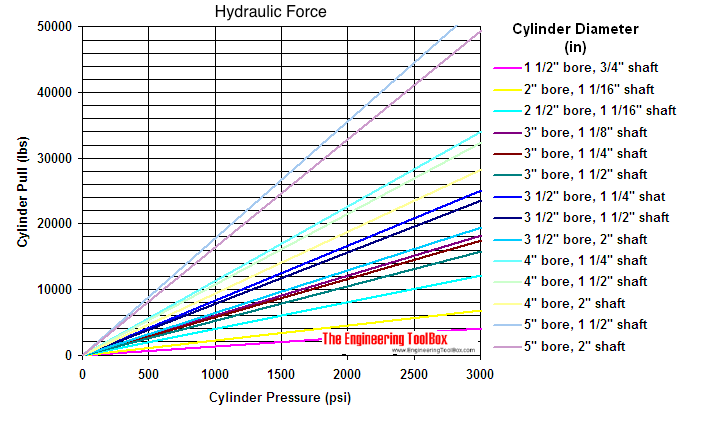
Pistons rated for “150 lbs” don’t mean your bed can hold 150 lbs—they must counterbalance the entire moving assembly. Calculate:
– Platform weight (plywood + frame): 45 lbs
– Mattress: 80 lbs
– Max storage: 100 lbs
Total load = 225 lbs
Choose four 150-lb pistons (600 lbs total capacity)—this 167% safety margin prevents slow, jerky lifts. Using undersized pistons strains seals, causing fluid leaks within weeks. Verify piston specs: “100-lb capacity” must specify “at 45-degree angle” (standard mounting position).
Gather These 12 Tools and Materials for Queen-Sized Hydraulic Bed Build
Skip trips to the hardware store with this exact queen-bed checklist. Total cost: $450–$600 (vs. $1,200+ for pre-built).
Non-Negotiable Hydraulic Components
- Pistons: Four 100–150 lb. capacity gas springs (e.g., SUSPA 064200-0500) with 10–12″ stroke length
- Mounting hardware: 1/4″-20 bolts (1.5″ long), T-nuts, flat washers (8 sets)
- Hinges: Two 36″ continuous piano hinges (stainless steel, rated 100+ lbs)
- Safety lock: Manual prop rod with spring clip (e.g., Blum 785.65)
Workshop Essentials You Already Own
- Miter saw (for precise 45° angle cuts on support beams)
- Drill/driver with 1/8″ and 1/4″ bits
- 3″ deck screws + 2.5″ wood screws
- Carpenter’s square + tape measure
- Clamps (4 minimum)
- Level
Pro tip: Rent a Kreg Jig ($35) for hidden, reinforced joints—saves 2 hours of bracket installation.
Install Hydraulic Pistons Correctly: Avoid Common Mounting Mistakes
Misaligned pistons cause uneven lifting—a platform that tilts left/right during operation. Mounting requires exact geometry: pistons must sit at 30–45 degrees from vertical when closed. For queen beds, position lower brackets 8″ from the frame’s front/back edges. Upper brackets attach 6″ from the platform’s edge. Critical step: Test-fit brackets before drilling. Hold pistons in place, close the platform, and mark bracket positions with a pencil—never guess angles.
How to Drill Piston Mounting Holes Without Splitting Wood
Piston brackets need 1/4″ holes through 2×6 lumber. Use a brad-point drill bit (not twist bits—they wander). Clamp a scrap wood block under your drill point to prevent blowout. Drill pilot holes first: 1/8″ through the frame, then 1/4″ through bracket holes. Insert T-nuts into frame holes—tap gently with a hammer until flush. Secure brackets with 1/4″-20 bolts, leaving 1/8″ wiggle room for alignment adjustments.
Test Lift Mechanics Before Final Assembly
With pistons loosely attached, lift the platform slowly. It should rise smoothly to 70–90 degrees and stay open without the safety lock. If it drops:
– Piston angle is too steep (reposition brackets downward)
– Total capacity is insufficient (add a fifth piston temporarily for testing)
– Friction at hinges (lubricate with silicone spray)
Never force movement—disassemble and remeasure if resistance occurs.
Secure the Bed Platform with Heavy-Duty Piano Hinges
Standard butt hinges fail under 200+ pounds of platform weight. Continuous piano hinges distribute stress evenly along the bed’s entire length. Install along the footboard edge (not sides—this blocks storage access). Pre-drill 1/16″ holes every 3″ through the hinge into the frame and platform. Use 1″ screws for the frame side, 3/4″ screws for the plywood platform to avoid poking through.
Why 3/4″ Plywood Beats Particleboard for Platforms
Particleboard swells when exposed to humidity under beds. Sanded 3/4″ plywood handles 300+ lbs without flexing. Cut to exact interior dimensions (e.g., 59.5″ x 79.5″ for queen to allow 1/4″ expansion gaps). Attach with wood glue and 1.25″ screws spaced 6″ apart—stagger screws to avoid splitting. Sand edges smooth; rough plywood tears mattress covers.
Apply Safety Locks: Why You Must Never Skip This Step
Hydraulic fluid leaks or seal failures happen—even in new pistons. A mechanical prop rod is your last line of defense. Mount the lock bracket 24″ from the bed’s centerline on the frame’s interior. Test it with the platform fully open: the rod should slide in with one hand while you’re under the bed. Weekly safety check: Pull the rod out and re-engage it—no resistance means worn latches needing replacement. Never store heavy items (like toolboxes) near the lock mechanism; impact disengagement causes catastrophic closure.
Finish Your Hydraulic Bed Frame: Sanding and Protective Coating
Skip this step and splinters will ruin bedding. Sand all surfaces starting with 80-grit to remove mill marks, then 120-grit, finishing with 220-grit. Pay special attention to platform edges—mattress friction exposes rough wood. Fill screw holes with wood putty, sand again when dry. Apply two coats of water-based polyurethane: it dries fast (2 hours between coats) and won’t off-gas fumes near your sleeping area. Avoid painting piston brackets—paint chips interfere with smooth operation.
Test Lift Capacity Before Adding Mattress and Storage
Your final safety checkpoint happens without a mattress. Place 150 lbs of weight (sandbags or books) on the platform. Lift slowly: pistons should extend fully within 3 seconds with minimal effort. If lifting requires >20 lbs of force:
– Piston angle is incorrect (reposition brackets)
– Hinges are misaligned (loosen screws, realign, retighten)
– Support beams are too far apart (add a beam mid-span)
Critical test: Lower the platform gently—it should descend at a controlled pace, not slam shut. If it drops fast, pistons lack damping; return for replacements.
Troubleshoot Uneven Hydraulic Lift: Quick Fixes for Smooth Operation
If one side lifts faster than the other, don’t ignore it—this stresses pistons. First, check floor levelness with a 4-foot level; shim frame corners if needed. Next, verify piston mounting heights: both upper brackets must be identical heights from the platform edge. If misalignment persists, swap left/right pistons—defective units often cause asymmetry. For chronic issues, upgrade to hydraulic pistons with adjustable damping (e.g., ACE Controls 65-100).
Your hydraulic bed frame isn’t just furniture—it’s a storage powerhouse holding 200+ pounds of seasonal gear, luggage, or emergency supplies. By following these precise steps, you’ve built a system that will operate smoothly for 10+ years with minimal maintenance. Remember: hydraulic fluid degrades after 5 years; replace pistons proactively if lifts slow down. For immediate storage use, add dividers cut from 3/8″ plywood—measure compartments to fit suitcases or shoe boxes. Now enjoy your clutter-free sanctuary, knowing every bolt and piston was installed to professional safety standards.
Final Note: Always disengage the safety lock before lowering the platform—never let it drop freely. Store emergency shims under the bed to level the frame on uneven floors.


