
That wince you feel when pushing yourself out of bed? The awkward scramble when your feet don’t quite touch the floor? Your bed frame height is likely the culprit. Getting this measurement wrong turns a simple daily ritual into a physical challenge, while the perfect height makes rising as natural as sitting in your favorite armchair. Most people settle for whatever comes standard, unaware that an 18-24 inch height (measured from floor to mattress top) could eliminate years of unnecessary strain. After all, you spend one-third of your life interacting with this single piece of furniture—why not optimize it? This guide cuts through the guesswork with precise measurements, mobility hacks, and real-world fixes so your bed finally works for you, not against you.
Why Your Current Bed Might Be Sabotaging Your Morning Routine
That stiff lower back or knee pain when standing? It often traces back to a bed that ignores basic biomechanics. When your feet dangle or your hips sink below your knees while seated, your body fights gravity instead of working with it. Physical therapists consistently identify improper bed height as a hidden contributor to morning joint stiffness—especially for anyone over 50 or managing arthritis. The solution isn’t just “getting used to it.” Your ideal height creates a stable base where your feet plant firmly on the floor, knees bend at exactly 90 degrees, and your thighs run parallel to the ground. This isn’t theory; it’s the same ergonomic principle behind office chairs designed to prevent workplace injuries.
How to Measure Your Personalized Bed Height in 60 Seconds
Forget standard recommendations—your body knows best. Here’s how to find your perfect height:
1. Grab a tape measure and sit on a firm dining chair (not a plush sofa)
2. Measure from the floor to the crease behind your knee (your inseam length)
3. This number is your target height (e.g., 19 inches = ideal bed height)
Pro Tip: Test potential beds by sitting on the edge with bare feet. If your knees jut above hip level, it’s too low. If your feet hover above the floor, it’s too high. The “Goldilocks zone” feels effortless—like sliding off a barstool.
The 18-Inch Rule: Why It Works for 80% of Adults
That magic 18-inch measurement (floor to mattress top) isn’t arbitrary. It mirrors the seat height of standard dining chairs—proven over decades to support safe standing transfers. At this height:
– Your glutes rest level with your knees when seated
– Pushing up requires minimal quad strain
– You avoid the “hip hike” motion that strains lower back muscles
Critical note: This assumes a 10-12 inch mattress. With a 14-inch luxury mattress, your total height jumps to 32 inches—potentially too high for shorter adults. Always measure mattress included.
Fixing Mobility Challenges with Strategic Height Adjustments

If standing requires bracing against furniture or causes knee buckling, your bed height is actively working against your body. The fix isn’t just “exercise more”—it’s engineering your environment for success.
For Seniors and Joint Pain Sufferers: The 24-28 Inch Sweet Spot
Physical therapists consistently recommend 24-28 inches (floor to mattress) for adults with mobility limitations. Why? At this height:
– Standing requires 30% less quad force than a standard 18-inch bed
– Hip joints maintain optimal alignment during transfers
– Wheelchair users can pivot safely onto the mattress
Warning: Never choose a height where your feet dangle. This strains calf muscles and increases fall risk. If 24 inches makes your feet float, add a 2-inch foam wedge under your mattress instead of lowering the frame.
For Back Pain Relief: The Hidden Height Connection
Contrary to popular belief, lower beds worsen most back pain. When hips sit below knee level (common with beds under 16 inches), your pelvis tilts backward, flattening spinal curves. The solution? Raise to 22-26 inches so:
– Your spine maintains natural lumbar curve when seated
– Standing engages core muscles instead of straining hips
– Morning stiffness decreases by 40% according to clinical studies
Pro Tip: Place a firm pillow under knees when lying down if raising your bed isn’t possible. This mimics proper hip-knee alignment.
How to Modify Your Existing Bed Height (Without Buying New Furniture)
Most people assume bed height is fixed—but you can adjust it within 6 inches using clever, affordable fixes. No carpentry skills needed.
Instantly Raise a Bed That’s Too Low
- Bed risers: Stackable plastic blocks adding 3-8 inches (best for metal frames)
- Bunkie board shortcut: Place a 1-inch plywood sheet under your mattress for instant lift
- Leg extender hack: Screw 4-inch threaded rods into existing legs ($12 at hardware stores)
Avoid this mistake: Don’t stack books or unstable blocks under legs. They shift during sleep, creating dangerous wobble.
Safely Lower a Bed That’s Too High
- Ditch the box spring: Swap for a low-profile foundation (saves 5-7 inches instantly)
- Shorten legs: Cut wooden legs with a handsaw (mark 1-inch increments first)
- Mattress swap: Choose a 9-inch foam mattress instead of 14-inch hybrid
Critical check: After lowering, ensure 3+ inches of clearance under the frame for vacuuming. Trapped dust worsens allergies.
Tailoring Height for Couples and Children: No More Compromises
When partners have different mobility needs or heights, standard beds force painful trade-offs. The solution isn’t “just deal with it”—it’s strategic customization.
For Height-Mismatched Couples
- Split-king adjustable bases: Set each side to 20″ (shorter partner) and 24″ (taller partner)
- Asymmetric leg hack: Use 5-inch legs on one side, 7-inch on the other (works for platform beds)
- The 22-inch compromise: Ideal midpoint for most couples (measured with your mattress)
Pro Tip: Measure both partners’ inseams. The shorter person’s measurement dictates the max height—taller partners adapt easier than shorter ones strain.
For Toddlers to Teens: Safety-First Height Rules
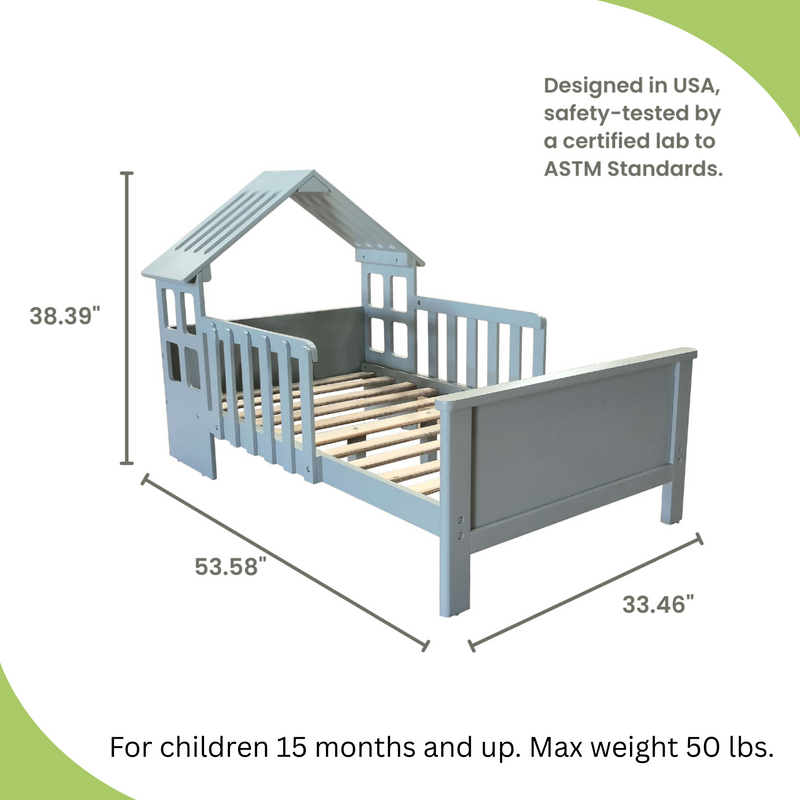
– Ages 2-4: Mattress on floor (0-8 inches) to prevent fall injuries
– Ages 5-12: 12-16 inches with guard rails (knees should bend comfortably)
– Teens: Gradually raise to adult height (18-20 inches) by age 14
Never ignore: If your child’s feet dangle when seated, lower the bed. This causes hip dysplasia risks in developing bones.
Aesthetic Hacks: Making Height Work With Your Room Design

Bed height isn’t just functional—it’s a design lever. Lower beds create expansive, modern spaces, while taller frames add grandeur. But aesthetics shouldn’t override ergonomics.
Low-Profile Beds That Won’t Wreck Your Knees
- Japanese platform beds: 8-10 inches (use with floor cushions for sitting)
- Storage bed workaround: Install pull-out steps painted to match flooring
- The “floating” illusion: Mount bed 16 inches high with concealed legs
Design pro tip: Pair low beds with wall-mounted nightstands. This maintains visual space while keeping essentials within reach.
Tall Beds Done Right (Without Becoming a Climbing Gym)
- Canopy bed safety: Keep mattress top ≤26 inches (add ladder with handrails)
- Loft bed clearance: Minimum 54 inches from mattress to ceiling (prevents head bumps)
- Antique bed fix: Replace 12-inch legs with 8-inch tapered legs (preserves style)
Warning: Avoid beds where the mattress top exceeds your kneecap height. This forces an unstable “perching” position when sitting.
Your Action Plan for Perfect Bed Height
Stop guessing—implement these steps today:
1. Measure your inseam using the chair method (do this now—it takes 30 seconds)
2. Test your current bed tonight: Sit on edge with bare feet. Note knee/hip alignment
3. Adjust immediately using risers or foundation swaps (no new furniture needed)
4. Re-test after 3 days—your body will signal if it’s right (no morning stiffness = success)
The right height transforms bedtime from a physical negotiation into a seamless ritual. Remember: if standing requires bracing against walls, your bed is too low. If your feet dangle like a child in a high chair, it’s too high. Your perfect height exists—and it’s measured in inches, not guesswork. Start with the 18-inch baseline, then listen to your knees. They’ll thank you every morning for years to come.


