
Ever struggled with back pain that keeps you awake at night or found yourself piling up pillows just to watch TV comfortably in bed? You’re not alone—nearly 80% of adults experience back pain at some point, and many discover adjustable beds offer relief. But have you ever stopped to wonder exactly how do adjustable bed frames work? These aren’t just fancy platforms with buttons; they’re precision-engineered systems designed to transform your sleep experience through targeted support and positioning. Understanding the mechanics behind these frames helps you maximize their benefits and select the perfect model for your needs.
Adjustable bed frames deliver therapeutic advantages that go beyond simple comfort. Medical professionals frequently recommend them for reducing snoring, alleviating acid reflux symptoms, improving circulation, and providing targeted relief for chronic pain conditions. The real magic happens through a sophisticated interplay of motors, actuators, and control systems working together to create customized support exactly where your body needs it.
Inside Your Adjustable Bed Frame: 7 Components That Make Position Changes Possible

When you press a button on your remote and your bed smoothly transitions from flat to zero-gravity position, you’re witnessing several critical components working in harmony. The foundation of any adjustable bed is its segmented platform, typically divided into head, lumbar, and foot sections connected by flexible hinges. These segments allow independent movement while maintaining mattress support. High-quality frames use aircraft-grade steel in their construction to handle repeated adjustments without warping or weakening over time.
The frame’s stability depends on its base design—some models feature a solid platform that moves as a single unit, while premium versions use a split foundation allowing each side to adjust independently. This split design is particularly valuable for couples with different comfort needs. Look for frames with reinforced center support beams if you’re purchasing a queen or king size, as these prevent sagging in the middle during adjustments.
Why the Knee Break Matters More Than You Think
That subtle bend between your calves and thighs when you elevate your legs isn’t just for comfort—it’s biomechanically essential. The knee break (or leg lifter) reduces pressure on your lower back by maintaining proper spinal alignment when the foot section elevates. Without this feature, raising your legs would pull your pelvis forward, potentially worsening back pain instead of relieving it. Premium frames position this break at precisely 15-20 degrees to optimize blood flow while preventing the “hammock effect” that can strain your spine.
How Wall-Hugger Technology Keeps You Centered in Your Room
Traditional adjustable bases move toward the wall as you recline, forcing you to reposition nightstands and creating dangerous gaps between the bed and wall. Wall-hugger frames solve this with a patented sliding mechanism that moves the entire base slightly forward as the head elevates. This clever engineering keeps your position relative to the room constant—meaning your reading lamp stays within reach and you won’t accidentally kick the wall when adjusting positions during the night. The difference becomes immediately noticeable when you compare standard versus wall-hugger models side by side.
How Linear Actuators Quietly Lift 500+ Pounds in Your Adjustable Bed
The silent muscle behind every smooth position change is the linear actuator system. These aren’t ordinary motors—they’re precision-engineered components capable of lifting 500 pounds or more while operating at noise levels below 45 decibels (quieter than a refrigerator hum). Each actuator contains a powerful DC motor connected to a threaded rod that extends and retracts through a gear system. As the rod moves, it pushes or pulls the connected bed section into position with remarkable control.
Single vs. Dual Motor Systems: Which Provides Better Independent Control
Single-motor frames use one powerful motor to control both head and foot elevation simultaneously. While more affordable, they force you to raise both sections together—meaning you can’t elevate just your legs without also raising your head. Dual-motor systems feature separate motors for head and foot sections, allowing true independent adjustment. For couples, split-king dual-motor frames take this further by providing completely separate controls for each side of the bed. If you share your bed or have specific medical needs requiring precise positioning, dual-motor operation is worth the investment.
Why Motor Quality Determines Long-Term Reliability
Not all motors are created equal. Premium adjustable bases use brushless DC motors that generate less heat, operate more quietly, and last significantly longer than traditional brushed motors. Look for frames with thermal overload protection—a safety feature that automatically shuts down the motor if it overheats during extended use. Most quality frames can handle 1,500+ position changes before requiring maintenance, but cheaper models may start straining after just a few hundred cycles.
Remote Control Not Working? Fix These 3 Common Adjustable Bed Connection Issues
Your remote control seems dead, but before you panic about expensive repairs, check these common connection problems that account for 90% of “broken” remotes. First, verify the base unit’s power connection—many users overlook that the bed requires constant power even when not in use to maintain memory settings. Second, check for interference from nearby electronics; LED lights and certain chargers can disrupt the wireless signal. Third, replace the remote batteries—cheap alkaline batteries often leak and damage remotes over time, so use lithium batteries for longer life.
Smartphone Integration: When Your App Won’t Connect to the Bed
Modern adjustable beds with app control sometimes experience connectivity issues. If your smartphone app shows “device not found,” try these steps in order: 1) Restart both your phone and the bed’s control box (unplug for 30 seconds), 2) Ensure Bluetooth is enabled on your phone (some apps require location services too), 3) Move closer to the bed frame (within 10 feet), and 4) Check for firmware updates in the app settings. Most connection problems resolve with these simple troubleshooting steps rather than requiring professional service.
Zero-Gravity Position Mechanics: The Science Behind Optimal Body Alignment
NASA developed the zero-gravity position to reduce stress on astronauts’ bodies during launch, and adjustable beds have adapted this technology for everyday use. When properly positioned, your knees should be slightly elevated above your heart level while your upper body rests at a 120-degree angle. This configuration reduces gravitational pressure on your spine by up to 8x compared to sitting upright, while improving circulation by allowing blood to return to your heart more efficiently. The precise angle matters—too flat won’t provide benefits, while too steep can cause sliding or discomfort.
Split-King Frame Operation: How Couples Get Custom Comfort on One Bed

A split-king adjustable base is essentially two twin XL frames working in concert under a single king mattress. The magic happens through synchronized control systems that allow partners to share one remote while maintaining independent settings. Higher-end models feature “partner alert” technology that gently vibrates the other side when adjustments are made, preventing sudden movements from disturbing your partner. For best results, use a flexible mattress (like memory foam or latex) that accommodates the split foundation without creating a noticeable gap in the middle.
Mattress Compatibility Checklist: Avoiding Damage to Your Adjustable Base
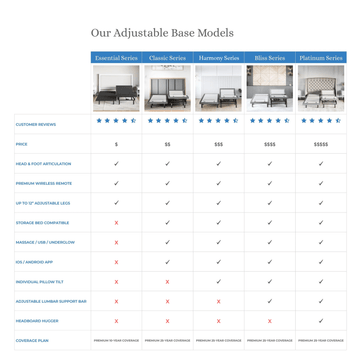
Not all mattresses work with adjustable frames—using the wrong type can void your warranty and damage both mattress and frame. Follow this compatibility checklist:
– Memory foam: Must be 10″ or less in thickness with high flexibility rating
– Latex: All natural latex mattresses work well due to inherent flexibility
– Hybrid: Check manufacturer specifications—some coil systems resist bending
– Innerspring: Avoid traditional innersprings; only use models specifically labeled “adjustable base compatible”
– Firmness: Medium-soft to medium firmness works best (5-7 on 10 scale)
Never use pillow-top mattresses thicker than 14 inches or any mattress with rigid internal components. The repeated bending can cause permanent damage to both the mattress and the frame’s actuators.
5-Minute Monthly Maintenance Routine to Keep Your Adjustable Bed Running Quietly
Preventative maintenance extends your adjustable bed’s life significantly. Set a monthly reminder for this quick routine:
1. Wipe down all exposed metal surfaces with a dry microfiber cloth to prevent dust buildup
2. Check for loose bolts at hinge points (tighten with included Allen wrench)
3. Apply silicone-based lubricant to actuator rods (never use oil-based products)
4. Test all position presets to ensure smooth operation
5. Vacuum under the frame to remove debris that could interfere with movement
Warning: Never stand on your adjustable base or place excessive weight on one section—this can bend actuator rods and void your warranty. If you hear grinding noises during operation, stop using the bed immediately and contact customer support.
Understanding how do adjustable bed frames work transforms you from a passive user to an informed owner who can maximize comfort and longevity. When properly maintained, these sophisticated systems can provide therapeutic positioning for 10+ years, making them a worthwhile investment in your health and sleep quality. Pair your frame with a compatible mattress, follow the simple maintenance routine, and you’ll experience the full benefits of personalized positioning—whether you’re seeking pain relief, better sleep, or just the perfect angle for your morning coffee.


