
Your bed frame isn’t just furniture—it’s the foundation of restful sleep and bedroom aesthetics. Selecting the right bed frame directly impacts your mattress longevity, comfort when getting in and out of bed, and the overall ambiance of your personal sanctuary. Too many people choose based solely on appearance, only to discover later that the frame doesn’t properly support their mattress type, overwhelms their space, or fails to meet their functional needs. This comprehensive guide cuts through the confusion with specific, actionable criteria for selecting a bed frame that perfectly balances form and function. You’ll learn exactly what to measure, which materials withstand daily use, and how to match your frame choice to your specific sleeping habits and bedroom layout—ensuring your investment supports years of quality rest.
Why Your Bed Frame Choice Directly Affects Sleep Quality
Most sleep experts agree that your bed frame significantly influences sleep quality through proper support and stability. A poorly chosen frame can cause premature mattress wear, uncomfortable sleeping surfaces, and even disrupt sleep with annoying squeaks and creaks during the night.
How Weak Bed Slats Damage Your Mattress Over Time
The spacing and material of bed slats determine whether your mattress receives adequate support. When slats sit more than 3-4 inches apart, your mattress lacks consistent support, causing uneven wear and potential sagging in unsupported areas. Solid wood slats provide the most stable foundation, while flimsy metal or thin plywood alternatives often bend under weight, transferring stress to your mattress. Check for reinforcement bars in the center of queen and king frames—these prevent sagging in the most heavily used area where sleepers naturally settle.
The Hidden Connection Between Frame Height and Sleep Comfort
Your ideal bed frame height depends on your physical needs and bedroom layout. For adults over 50 or those with mobility issues, a frame that positions the mattress 20-24 inches from the floor makes getting in and out of bed significantly easier. If your nightstand is taller than 26 inches, choose a frame that brings your mattress to a similar height for comfortable reaching. Low-profile platform beds work well with modern aesthetics but can strain knees and backs for some users. Measure your current bed setup—if you struggle to sit up or stand from your current height, adjust accordingly in your new frame selection.
Critical Measurements You Must Take Before Shopping
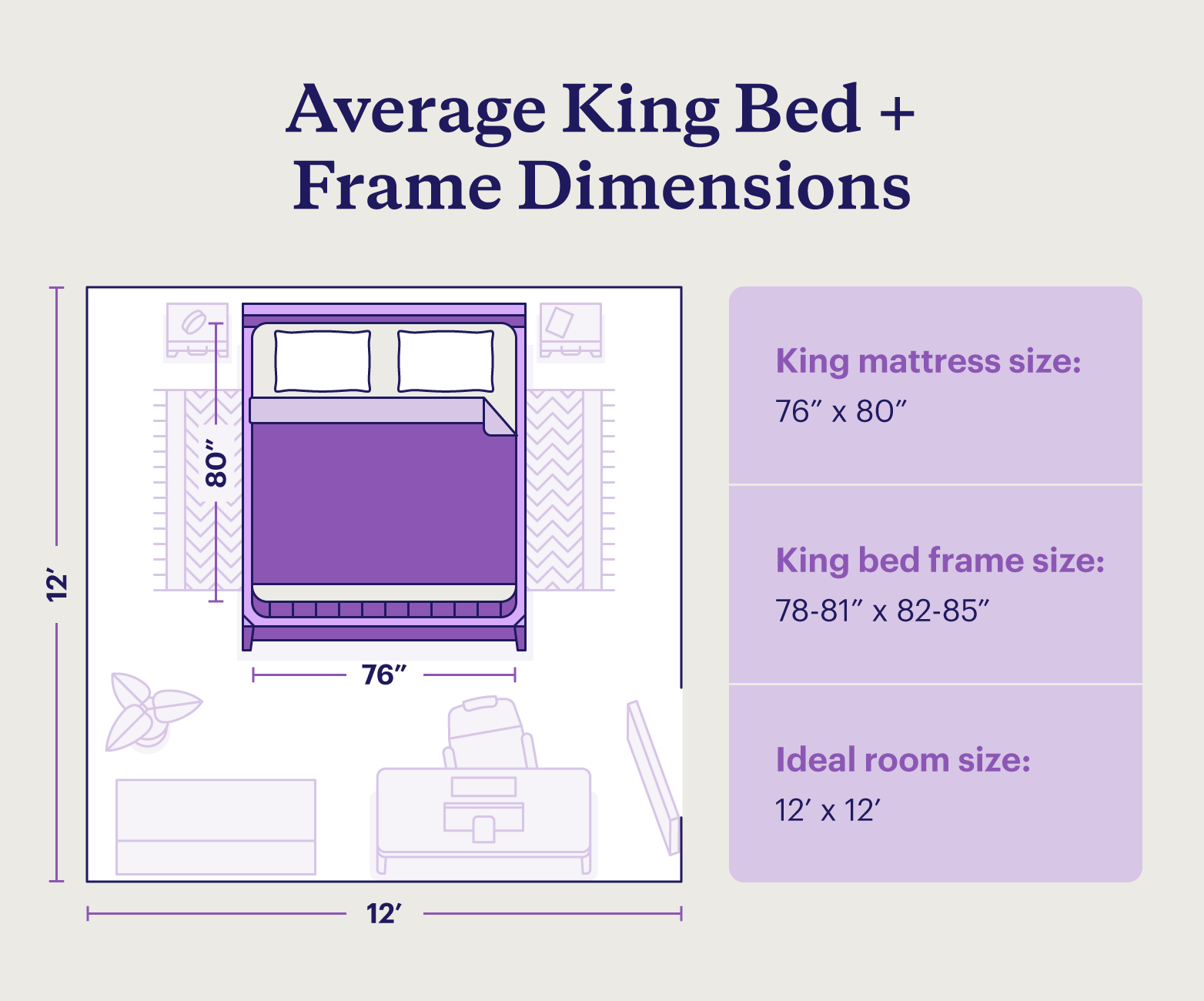
Skipping precise measurements is the most common mistake when choosing a bed frame, leading to costly returns or compromised bedroom layouts. Proper measurement ensures your frame fits through doorways, complements your room size, and accommodates your specific mattress.
Room Dimensions That Determine Your Maximum Frame Size
Before browsing styles, measure your bedroom’s length and width, then subtract 24 inches from each dimension. This calculation reveals your maximum frame size while maintaining essential walking space around the bed. For example, in a 12×10 foot bedroom, your frame should measure no larger than 10×8 feet to allow comfortable movement. Don’t forget vertical clearance—tall headboards require sufficient ceiling height, especially in rooms with sloped ceilings or low-hanging fixtures. Measure doorways and stairwells in your home, as a Queen frame that fits in your bedroom won’t help if it can’t navigate your home’s tight corners during delivery.
Mattress Compatibility: Avoiding Costly Mismatches
Your existing mattress dictates critical frame requirements. Memory foam and latex mattresses require solid or closely-spaced slat platforms without box springs, while innerspring mattresses often perform better with traditional frames that accommodate box springs. Measure your mattress thickness—ultra-plush mattresses over 14 inches may require taller frames to position the sleeping surface at an accessible height. If you’re purchasing both mattress and frame simultaneously, verify compatibility specifications from both manufacturers to prevent voiding warranties or compromising support.
Material Matters: Selecting Durable Bed Frame Construction

The materials used in your bed frame determine its longevity, stability, and maintenance requirements. Understanding the pros and cons of each material helps you invest in a frame that withstands years of nightly use without compromising on style.
Solid Wood vs. Engineered Wood: The Durability Breakdown
Solid hardwood frames made from oak, maple, or walnut represent the gold standard for durability, often lasting decades with proper care. These frames develop a beautiful patina over time and can be refinished if damaged. However, they come at a premium price point and require occasional tightening of joints as wood naturally expands and contracts with humidity changes. Engineered wood frames (plywood or MDF with wood veneer) offer a more affordable alternative that resists warping better than solid wood in humid climates, but they lack the longevity and cannot be refinished. Avoid particleboard frames entirely—they deteriorate quickly under mattress weight and moisture exposure.
Metal Frame Strength: Tubing Gauge and Joint Construction
When considering metal frames, examine the tubing gauge—lower numbers indicate thicker, stronger metal. Look for frames with 16-gauge or lower (thicker) steel tubing for residential use. Critical strength comes from joint construction: welded joints outperform bolted connections which can loosen over time. Test the frame’s stability by checking for cross-bracing in the center—queen and king sizes require substantial center support to prevent sagging. Powder-coated finishes resist chipping better than painted metal, while wrought iron frames provide exceptional durability but require occasional rust prevention maintenance in humid environments.
Space-Saving Solutions for Small Bedrooms
Bed frames with integrated storage transform cramped bedrooms into functional, organized spaces without sacrificing style or comfort. These innovative designs maximize every inch of available square footage.
Hydraulic Lift Storage: Hidden Space Without Compromising Style
Hydraulic lift mechanisms provide the most accessible under-bed storage, allowing you to raise the entire mattress assembly with minimal effort. Unlike drawer systems that require clearance space on both sides of the bed, hydraulic lifts work in tight corners and against walls. They accommodate bulky items like seasonal clothing, extra bedding, or suitcases that won’t fit in traditional drawers. When evaluating hydraulic systems, check the lift mechanism’s weight capacity—quality systems support up to 200 pounds of stored items in addition to your mattress weight. Properly designed hydraulic beds maintain a low-profile aesthetic while delivering maximum storage efficiency.
Drawer Configuration Strategies for Maximum Usability
Storage beds with drawers require strategic placement for daily convenience. Prioritize deeper drawers on the side where you stand when making the bed—these accommodate larger items like folded blankets. Shallower drawers work better on the opposite side for frequently accessed items like pajamas or bedtime reading materials. Consider drawer glide quality: full-extension ball bearing glides provide smoother operation and better access to the back of the drawer than basic nylon glides. Measure your intended storage items before purchasing—some narrow drawer configurations won’t accommodate standard-sized pillowcases or folded sheets.
Budget Considerations That Prevent Costly Mistakes
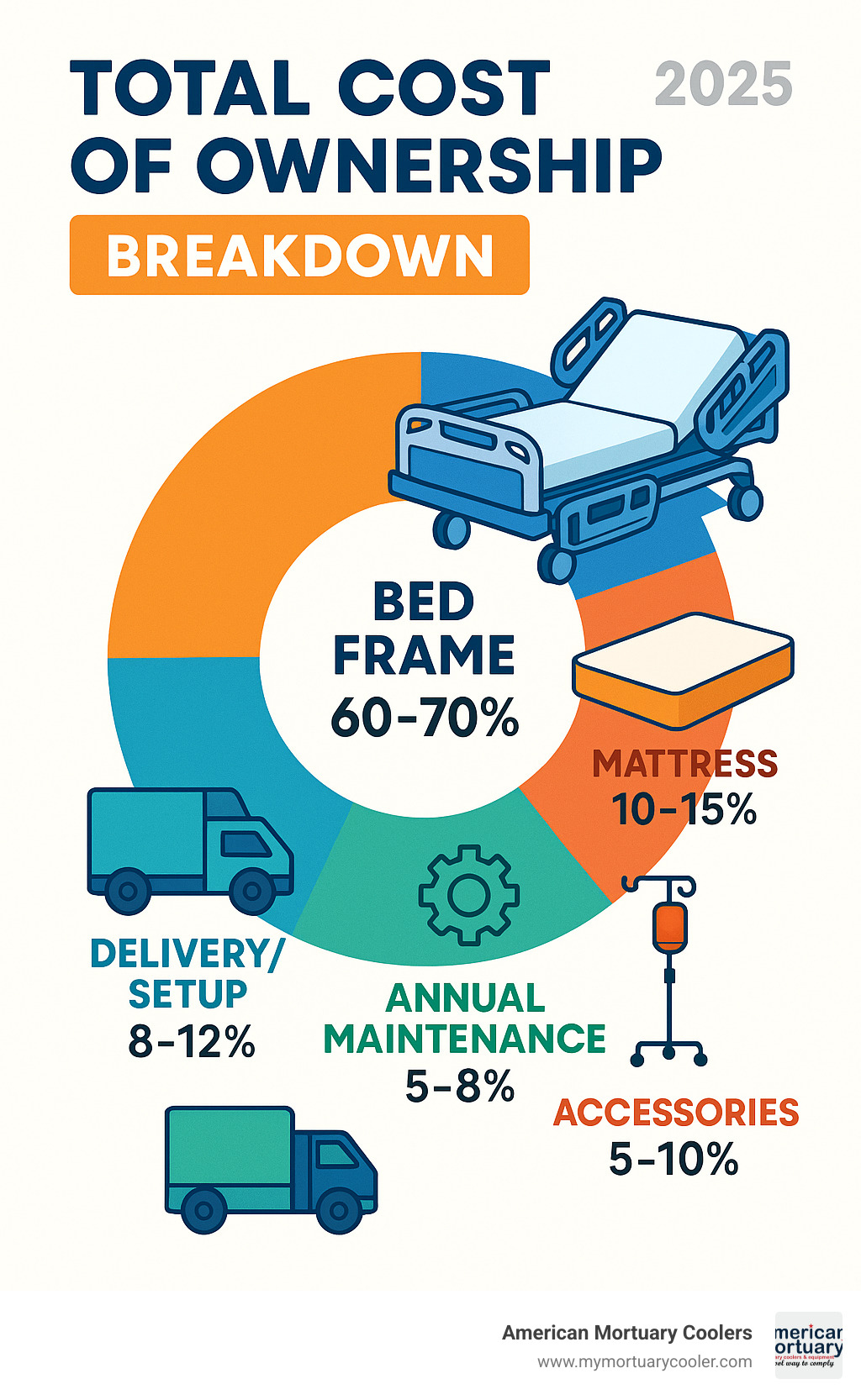
Your bed frame budget should account for more than just the purchase price. Smart shoppers factor in long-term value, delivery costs, and potential accessories to avoid unexpected expenses that compromise their initial savings.
Hidden Costs That Inflate Your Bed Frame Investment
Delivery and assembly fees can add 15-25% to your bed frame cost, especially for large or heavy models requiring white-glove service. Measure your home’s access points—frames that must be assembled in the bedroom often carry premium delivery charges. Budget for essential accessories like bed risers (if you need additional under-bed clearance) or specialized mattress anchors for platform beds. Quality frames include comprehensive warranties covering structural integrity for 5-10 years, while budget options may offer only 1-year coverage. Factor in potential replacement costs—cheap frames often need replacing within 3-5 years, while quality constructions last 10-15 years.
Value Indicators That Signal Quality Construction
Certain features consistently indicate superior bed frame construction regardless of price point. Look for reinforced corner joints with metal brackets or mortise-and-tenon construction in wooden frames. In platform beds, center support legs that extend to the floor (not just connecting to side rails) prevent sagging. Metal frames should have weight capacities clearly stated—reputable manufacturers specify maximum weight including mattress and occupants. Avoid frames requiring frequent tightening of bolts as this indicates poor initial construction. The best value often lies in mid-range frames from established furniture makers rather than ultra-cheap online options or premium designer pieces with minimal functional upgrades.
Step-by-Step Selection Process for Confident Decision Making
Follow this streamlined selection process to eliminate overwhelm and ensure your bed frame meets all your functional and aesthetic requirements without compromising on quality.
Measure Twice, Purchase Once: The Critical Pre-Shopping Checklist
Begin by measuring your bedroom dimensions, doorways, and stairwells with a steel tape measure—paper measurements lead to errors. Record your mattress dimensions and thickness precisely. Note your current bed height from floor to sleeping surface and identify any mobility challenges that affect your ideal height. Create a list of non-negotiable features like under-bed storage requirements or specific style preferences. Research delivery options for your area before falling in love with a particular frame—some high-end models have limited delivery availability that could delay your purchase.
Test Drive Before You Commit: What to Check in Showrooms
When testing frames in person, sit firmly on the edge to assess stability—quality frames won’t wobble or create excessive bounce. Run your hands along joints and edges to check for smooth finishes and secure connections. For storage beds, open and close drawers multiple times to evaluate glide smoothness and weight capacity. Sit against the headboard to verify comfortable back support angle and height. Ask about the slat system—request to see the frame disassembled if possible to examine construction quality. Bring photos of your bedroom to ensure the frame’s style and color coordinate with your existing decor.
Choosing the right bed frame requires balancing practical measurements with personal comfort preferences and aesthetic desires. By prioritizing proper support for your mattress type, verifying exact dimensions for your space, and selecting materials that match your lifestyle and budget, you’ll invest in a foundation that enhances your sleep quality for years to come. Remember that the perfect bed frame isn’t just beautiful—it functions seamlessly within your daily routine, supports your physical needs, and provides the stable foundation your mattress requires to deliver optimal comfort. Take the time to follow this structured selection process, and you’ll transform your bedroom into a truly restful sanctuary designed specifically for your needs.


