
That sinking feeling when you realize your mattress is sliding off the frame or gaping spaces expose your box spring is all too familiar. Discovering your bed is too small for frame creates immediate instability, safety risks, and that awkward aesthetic of a mattress spilling over the edges. This mismatch often happens after replacing a mattress without checking dimensions or inheriting a frame from previous owners. What seems like a minor measurement error can lead to dangerous wobbling, damaged bedding, and disrupted sleep. You’ll learn exactly how to diagnose the mismatch, implement four proven fixes ranging from quick DIY hacks to permanent solutions, and prevent this costly mistake next time—all without replacing your mattress prematurely.
Ignoring a bed too small for frame scenario risks more than just discomfort. That unstable mattress could shift during sleep, causing falls or back strain from uneven support. Gaps between mattress and frame collect dust bunnies, dead skin, and pests while the constant friction wears down your mattress edges. Most homeowners waste money buying new bedding before realizing the frame is the culprit. This guide cuts through the confusion with step-by-step fixes verified by furniture technicians. You’ll gain confidence to stabilize your sleeping surface within hours using tools already in your garage or a single hardware store trip.
Spotting Critical Mismatch Warning Signs Before Damage Occurs
Don’t assume minor gaps are harmless—these visible red flags confirm your bed frame is dangerously undersized. Immediately inspect for mattress overhang exceeding half an inch on any side, where the foam or fabric visibly droops past the frame’s edge rails. This isn’t just cosmetic; it means your weight concentrates on unsupported edges, accelerating sagging. Next, test stability by sitting on each corner—if the mattress slides sideways or creates a rocking motion, the frame lacks proper containment. You’ll hear telltale creaking as the box spring rubs against metal frame corners during movement.
Pay special attention to foundation misalignment where your box spring sits unevenly on the frame’s support slats. This creates pressure points that warp wooden slats and indent foam layers over time. Never ignore gaps wider than 1 inch—they allow children’s fingers or pets’ paws to get trapped during play. Measure suspected gaps with a ruler; if the space exceeds your thumbnail width (about 0.5 inches), your frame fails basic safety standards. Temporary fixes like shoving books under corners only worsen instability by creating uneven support surfaces that twist the frame structure.
Precise Measurement Protocol to Confirm Frame-Mattress Mismatch
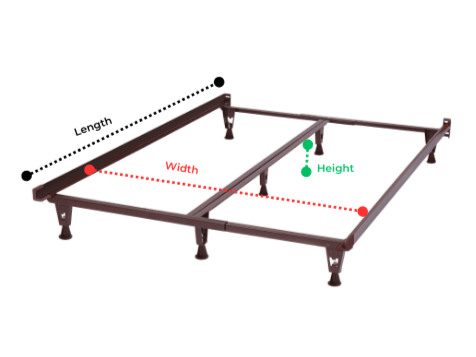
Grab your tape measure and notepad—estimates cause 90% of bed frame sizing errors. Start by measuring your mattress at its absolute widest points: extend the tape diagonally corner-to-corner across the top surface, then repeat along both side edges. Mattresses expand over time; a “queen” labeled 60×80″ often measures 61×81″ after years of use. Record the largest dimensions you find. Now measure the frame’s interior support area where the mattress actually rests—not the outer frame edges. Focus specifically on the inner width between side rails and inner length between head/foot rails where slats or mesh attach.
Compare numbers immediately: if your frame’s interior measurements are smaller than the mattress dimensions by even 0.25 inches, you have a bed too small for frame situation. For example, a 79.5″ long frame holding an 80″ mattress creates dangerous overhang. Critical mistake alert: Many measure only the frame’s exterior, missing how inner rails narrow the support surface. Always measure where weight transfers—typically 1-2 inches inside the outer frame. Re-measure twice when tired; fatigue causes measurement errors that lead to unnecessary mattress replacements. This 5-minute process prevents $1,000+ mistakes.
Proven Fixes Ranked by Effort and Effectiveness
Stabilize Small Gaps Under 2 Inches With Shim Method
This $15 solution works when your bed is too small for frame by less than a ruler’s width. Purchase 1×3 pine boards (actual size 0.75″x2.5″) from any hardware store—skip pressure-treated wood to avoid off-gassing near your bed. Cut planks to match your frame’s side rail length using a handsaw (takes 15 minutes). Place boards atop side rails where mattress overhangs, ensuring they sit flush against the frame’s inner edge. Secure with 1.5-inch wood screws driven upward through rail undersides—never screw into center slats as this weakens structural integrity. For non-permanent use, line boards with adhesive felt pads to prevent slippage, but expect reduced stability during vigorous movement.
- Pro Tip: Sand board edges smooth to prevent fabric snags
- Time Required: 30 minutes
- Difficulty: Beginner (no power tools needed)
- Warning: Avoid stacking multiple boards—this creates unstable ledges
Bolt-On Metal Extenders for 2-6 Inch Gaps

When DIY shims won’t bridge the gap, commercial extender kits solve bed too small for frame issues professionally. These steel brackets bolt directly onto existing side rails, extending the support surface outward by 1-6 inches. Look for “bed frame extender kits” matching your rail thickness (typically 1-1.5″). Installation requires drilling pilot holes through your frame’s outer rails, then securing brackets with included bolts. The mattress now rests fully on the extended ledge with zero overhang. Unlike wood shims, these withstand years of use without warping and maintain factory-level stability.
- Key Benefit: Preserves original frame aesthetics while adding hidden support
- Cost Range: $25-$50 depending on bed size
- Critical Check: Verify kit compatibility with your frame’s rail shape (square vs. rounded)
- Mistake to Avoid: Forcing mismatched brackets causes metal fatigue and sudden failure
Strategic Platform Bypass for Minimalist Frames
Only attempt this if your frame has flat, stable legs and no center support bar. Remove the entire frame mechanism, placing box spring directly on the frame’s leg bases. This works when the frame’s footprint is only slightly smaller than the box spring—typically for platform-style frames with 4 corner legs. The box spring now gets full surface contact, eliminating gaps. Warning: This lowers bed height by 4-6 inches, making it hazardous for elderly users. Never use this method with traditional metal frames that rely on side rails for tension—the box spring will collapse inward without lateral support.
- Safety Test: Sit firmly on all four corners—if box spring sags more than 1 inch, abort immediately
- Best For: Modern platform beds with solid leg bases
- Time Required: 10 minutes
- Limitation: Reduces under-bed storage space significantly
Permanent Replacement: When to Cut Your Losses
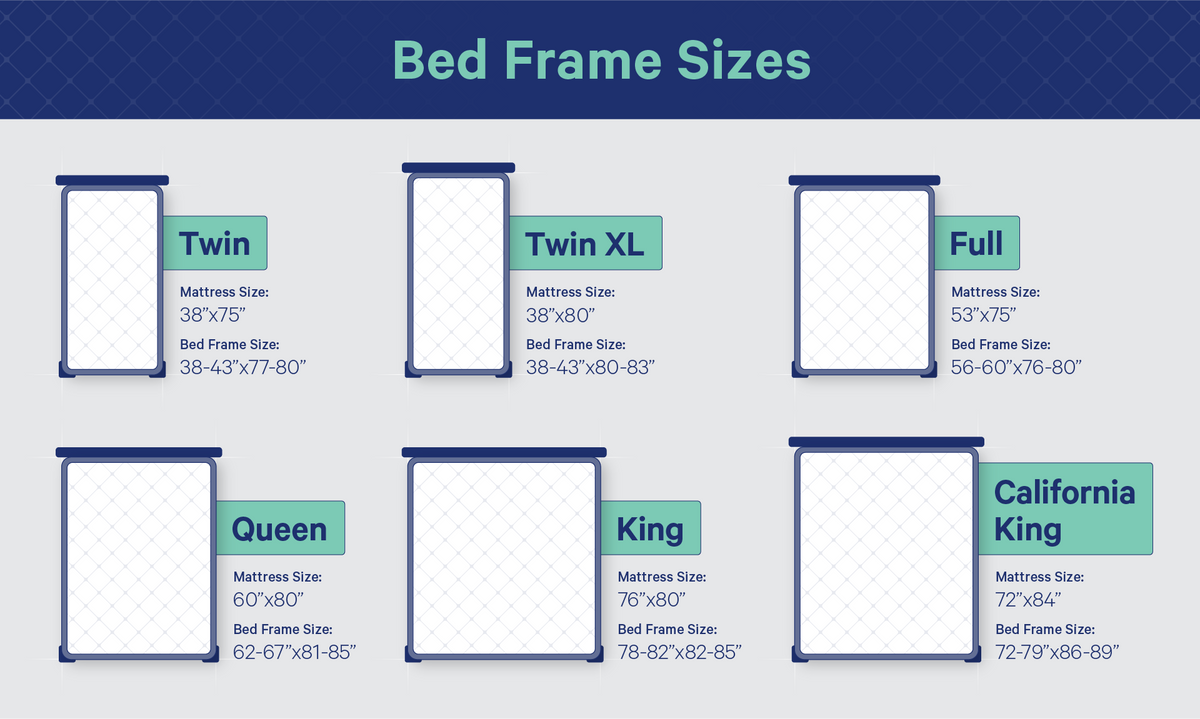
If gaps exceed 3 inches or your frame shows rust/bent rails, replacement is non-negotiable. Continuing to use an undersized frame damages mattresses through uneven pressure, voiding warranties when sagging occurs. Invest in a frame matching your mattress’s actual dimensions, not nominal sizes (“queen” often varies by brand). Opt for platform beds with solid slat foundations—they eliminate box springs entirely, removing one potential mismatch point. Critical insight: Measure your mattress first, then buy frames. Most returns happen because shoppers assume standard sizes fit universally.
- Cost-Saving Tip: Buy frames 1-2 inches larger than your mattress for future replacement flexibility
- Warning Sign: Squeaking noises during use indicate imminent structural failure
- Long-Term Value: Quality frames last 15+ years versus 3-5 for makeshift fixes
Prevent Future Mismatches With Smart Buying Habits
Never purchase frames or mattresses without cross-referencing actual dimensions. When shopping online, download the product’s spec sheet and check “interior frame dimensions” versus “mattress dimensions”—reputable brands list both. For in-store purchases, bring your tape measure and verify the frame’s inner support area matches your existing mattress. Crucial step: Account for mattress expansion—add 0.5 inches to both length and width when comparing. Keep a permanent record of your mattress measurements (e.g., “Queen: 61.25″ W x 80.5″ L”) in your phone notes for future reference.
Avoid the “nominal size trap” where retailers label frames as “queen” without clarifying interior dimensions. Demand exact measurements before paying. When inheriting furniture, measure immediately—older frames often run smaller than modern mattresses. For custom solutions, consider adjustable bed frames with telescoping rails that accommodate size variations. This 2-minute verification saves hundreds in avoidable replacements.
Immediate Action Plan for Bed Frame Stability
A bed too small for frame demands prompt action—but prioritize safety over speed. For gaps under 1 inch, install felt-lined shims tonight to prevent immediate sliding. Gaps over 2 inches require extender kits or replacement; don’t risk injury with temporary fixes. Always test stability after repairs by applying full body weight to each corner. Remember that persistent wobbling indicates deeper structural issues beyond simple sizing mismatches. Your mattress warranty likely excludes damage from improper frame support, making correct sizing a financial necessity. Invest in precise measurements once, and sleep soundly for years knowing your foundation is perfectly matched. For ongoing maintenance, recheck frame stability every six months by tightening bolts and inspecting for rail warping—this catches problems before they compromise safety.


