
You’ve invested in a quality mattress, but what about the foundation that supports it all? Your bed frame works silently through the night, bearing your weight and providing stability for restful sleep. Yet many homeowners wonder exactly how long they can expect this crucial piece of bedroom furniture to last. Understanding your bed frame lifespan helps you plan for replacement and maximize your investment in better sleep.
The reality is that bed frame longevity varies dramatically based on several key factors. While a poorly constructed frame might fail within a few years, a well-made, properly maintained bed frame can serve you reliably for well over a decade. The difference often comes down to material quality, construction methods, and how well you care for this essential furniture piece.
Knowing what determines your bed frame lifespan empowers you to make informed decisions when purchasing and maintaining this foundational bedroom element. Let’s explore the critical factors that influence how many years of service you can expect from your bed frame and how to extend its functional life.
What Determines Your Bed Frame’s Longevity by Material Type

The primary material used in your bed frame’s construction serves as the most significant predictor of its service life. Different materials offer varying levels of durability, resistance to wear, and overall longevity.
Metal Bed Frames: The Endurance Champions
Steel and iron bed frames represent some of the most durable options available. When properly constructed with appropriate thickness and quality welding, these metal frames withstand years of nightly use with minimal degradation. A well-built metal bed frame featuring a center support leg for larger sizes typically delivers 10 to 20 years of reliable service with only basic maintenance.
The primary threats to metal frame longevity include exposure to high humidity that can lead to rust formation over time and potential joint squeaking as connections loosen. Fortunately, regular bolt tightening every few months effectively prevents most noise issues and maintains structural integrity. Unlike wood frames that can crack or warp, metal frames maintain their shape and strength remarkably well when properly cared for.
Solid Wood Bed Frames: Built to Last Generations
High-quality solid wood bed frames constructed from hardwoods like oak, maple, or walnut offer exceptional longevity when properly cared for. These frames often become family heirlooms rather than disposable furniture. The key to their extended bed frame lifespan lies in both the wood species and the joinery techniques employed.
Frames featuring traditional woodworking joints like dovetails or mortise and tenon connections significantly outlast those relying solely on screws and brackets. When properly assembled and maintained away from extreme humidity fluctuations, a solid hardwood frame can easily serve for decades—or even a lifetime. This makes them a smart investment for those seeking furniture that lasts.
Engineered Wood Frames: The Budget Option’s Limitations
Particleboard, MDF, and other composite bed frames dominate the budget furniture market but come with significant longevity trade-offs. While initially cost-effective, these frames typically deliver only 3 to 10 years of service before showing signs of wear. The compressed wood fibers and resin binders simply cannot withstand years of consistent pressure like solid materials.
The hardware and connection points in engineered wood frames represent their weakest links. Repeated stress from nightly use causes these connections to loosen, strip, and eventually fail. Exposure to moisture—even ambient humidity—can cause swelling and warping that compromises structural integrity. While proper assembly and maintenance can extend their bed frame lifespan somewhat, these frames rarely match the longevity of solid alternatives.
Common Factors That Drastically Shorten Your Bed Frame’s Service Life

Even high-quality bed frames can fail prematurely when subjected to conditions that exceed their design parameters or when basic maintenance is neglected.
Weight Overload: The Silent Frame Killer
Every bed frame carries a specific weight capacity that includes not just sleepers but the mattress, bedding, and any additional items stored on or under the bed. Consistently exceeding this limit places tremendous stress on joints, slats, and support structures. Overloaded frames develop cracks, bent components, and failing connections much faster than those operating within their design parameters.
The cumulative effect of weight overload often goes unnoticed until significant damage has occurred. What begins as minor squeaking can progress to dangerous instability as structural components weaken under sustained pressure beyond their intended capacity.
Neglected Maintenance: The #1 Cause of Premature Failure
Loose bolts, brackets, and connections account for the vast majority of bed frame problems. Without regular tightening, these connections work loose through normal movement, creating wobble, noise, and eventually structural failure. An annual maintenance routine—thoroughly checking and tightening all visible fasteners—prevents most common issues and significantly extends your bed frame lifespan.
Many homeowners ignore minor squeaks and wobbles until they become major problems. Addressing these early warning signs with simple maintenance preserves the frame’s structural integrity and prevents small issues from escalating into irreparable damage.
Substandard Construction Quality
Frames constructed with thin-gauge metal, low-density woods, or inferior hardware have inherently limited lifespans regardless of care. The quality of connectors, brackets, and fasteners proves just as critical as the primary frame material. Cheap knock-down furniture often uses undersized screws and flimsy brackets that strip out quickly under normal use.
When purchasing a new bed frame, examine the hardware quality and connection points carefully. Well-constructed frames feature substantial connectors, proper reinforcement at stress points, and quality materials throughout—not just in visible areas.
Environmental Stressors You Can Control
Placement matters more than many realize. Setting your bed frame on an uneven surface creates uneven stress distribution that accelerates wear on specific components. Similarly, high humidity environments cause wooden frames to swell and contract, weakening joints over time, while promoting rust on metal components.
Bedroom temperature fluctuations and direct sunlight exposure can also degrade certain materials over time. Positioning your bed away from windows, vents, and exterior walls helps maintain more consistent conditions for your frame.
Critical Warning Signs Indicating Your Bed Frame Needs Replacement
Don’t wait for a catastrophic failure that could damage your mattress or cause injury. Recognize these unmistakable indicators that your bed frame has reached the end of its functional lifespan.
Persistent Structural Noises
Occasional creaking is normal, but continuous squeaking, popping, or grinding sounds that persist after tightening all connections signal serious wear. These noises indicate that joints have worn beyond repair, creating movement where there should be solid connection. Ignoring these sounds allows damage to progress until the frame becomes unsafe.
Visible Structural Damage
Cracks in wooden rails or legs, bending or warping of metal components, and splintering wood surfaces represent clear visual evidence of structural compromise. Even small cracks in load-bearing components can rapidly worsen under continued stress. When you see these signs, replacement becomes necessary for safety reasons.
Instability and Sagging
A bed frame should remain rock-solid during normal use. If you notice wobbling, rocking, or visible sagging in the center support area, the frame has lost its structural integrity. This instability not only creates discomfort but also transfers improper stress to your mattress, potentially voiding its warranty and shortening its lifespan too.
Five Essential Maintenance Practices to Maximize Your Bed Frame Lifespan
Schedule Regular Tightening Sessions
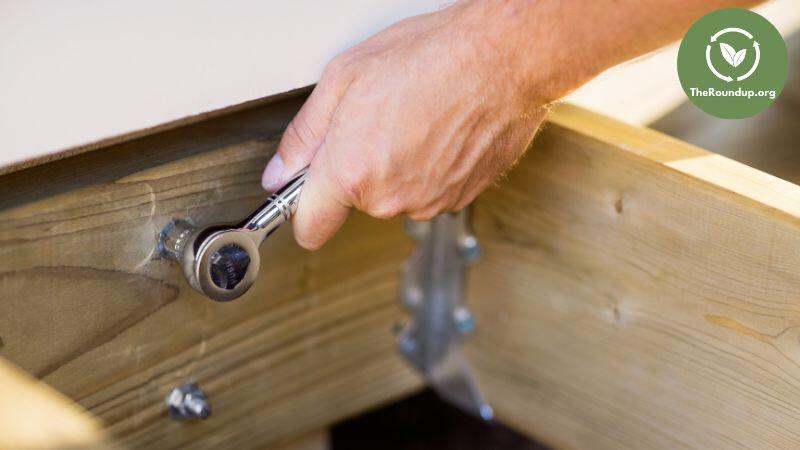
Set calendar reminders to inspect and tighten all connections twice yearly. Using the appropriate tools, methodically check every bolt, nut, and bracket throughout the frame. This simple five-minute task prevents the vast majority of common problems and can easily double your bed frame lifespan with minimal effort.
Inspect and Maintain Slats Systematically
Wooden slats and support systems bear direct mattress pressure and require regular attention. Check for cracks, warping, or dislodged slats during your maintenance sessions. Replace any damaged slats immediately and ensure all remain properly seated in their brackets. Consider upgrading to reinforced slats if your current ones show frequent wear.
Verify Proper Center Support Alignment
For queen and king-sized beds, the center support leg proves critical to structural integrity. Ensure this support makes firm contact with the floor and adjust its height as needed when placing the bed on different flooring types. Misaligned center supports cause frames to bow, leading to premature failure of side rails and connections.
Prioritize Correct Initial Assembly
Take the time to assemble your bed frame properly on a flat surface following manufacturer instructions precisely. Forcing components together or using incorrect hardware creates immediate stress points that accelerate wear. Consider enlisting help for proper alignment during assembly—rushing this process guarantees future problems.
Respect Weight Capacity Limits
Be realistic about total weight on your bed frame, including mattress, sleepers, pets, and storage. Stay well within the manufacturer’s stated capacity to prevent unnecessary stress on structural components. When purchasing, select a frame rated for significantly more weight than your typical usage to build in a safety margin.
Your bed frame serves as the silent foundation of restful sleep, yet its longevity depends on informed choices and basic maintenance. By selecting quality materials, respecting weight limits, and performing simple upkeep, you can significantly extend your bed frame lifespan beyond industry averages. When replacement becomes necessary, understanding these factors helps you choose a frame that delivers years of reliable service—proving that proper care transforms a simple furniture purchase into a long-term investment in better sleep.


