
Finding tiny, pearl-like specks clinging to your bed frame sends a chill down any homeowner’s spine. These aren’t dust particles or wood splinters—they’re bed bug eggs on bed frame surfaces, the smoking gun of an active infestation already breeding in your sleeping space. Unlike early warning signs like stray bugs, discovering these eggs means bed bugs have established a reproductive foothold mere inches from your pillow. With hatched eggs confirming nymphs are already feeding and multiplying, delaying action transforms a manageable problem into a house-wide crisis within weeks.
Bed bug eggs on bed frame structures represent the most critical escalation point in an infestation. While single stray bugs might indicate a recent hitchhiker, clusters of eggs—especially those with opened caps—prove a breeding colony is thriving in your most intimate space. The milky-white pearly appearance against dark wood grain makes them deceptively visible yet easily dismissed as harmless debris. But as pest control veterans confirm daily, ignoring these “opaque mini rice” specks guarantees a multiplying army of blood-feeding pests. This guide cuts through the panic with verified identification tactics and the only solution that eradicates these resilient eggs: professional intervention.
Pinpointing Bed Bug Eggs on Your Bed Frame: Visual Proof
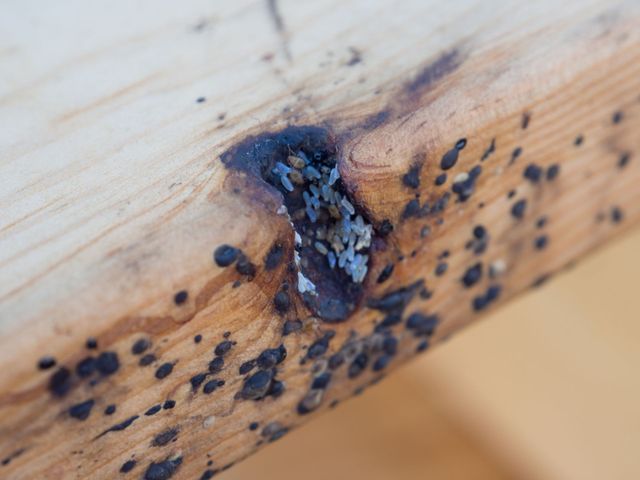
Don’t gamble with guesswork when tiny eggs threaten your home. Accurate identification separates true infestations from harmless lookalikes and dictates your next move. Bed bug eggs on bed frame components follow distinct patterns you can verify immediately with proper lighting and inspection techniques.
The “Opaque Mini Rice” Visual Test That Never Fails
Bed bug eggs on bed frame wood or metal resemble nothing else in your bedroom. They’re tiny oval specks (1mm long), about the size of a pinhead or grain of uncooked rice, with a milky-white or translucent pearly sheen. Unlike wood dust or fabric lint, they cling stubbornly to surfaces with a sticky secretion. On dark-stained bed frames, their pale glow makes them stand out like grains of salt against charcoal. Shine a flashlight at a 45-degree angle along seams—this low-angle lighting catches the eggs’ slight 3D curve, making them “pop” against flat surfaces. If you see clusters of these pearly dots in protected crevices, you’ve got bed bug eggs on bed frame structures confirmed.
Targeted Inspection Zones Where Eggs Hide
Bed bugs don’t scatter eggs randomly—they exploit the bed frame’s architecture for maximum protection. Focus your search on these high-risk zones where bed bug eggs on bed frame joints congregate:
– Screw holes and bolt channels: Probe every pre-drilled hole with a toothpick; eggs lodge deep inside these tunnels.
– Mitered joints and corners: Run a credit card along 90-degree angles where headboard rails meet footboards—eggs wedge into microscopic gaps.
– Under manufacturer labels or metal plates: Lift adhesive-backed plates; the void beneath is prime real estate for egg clusters.
– Hollow tube interiors: For metal frames, detach leg caps and inspect inner chambers with a mirror—eggs often coat interior walls.
Confirming Hatched Eggs: The Operculum Clue
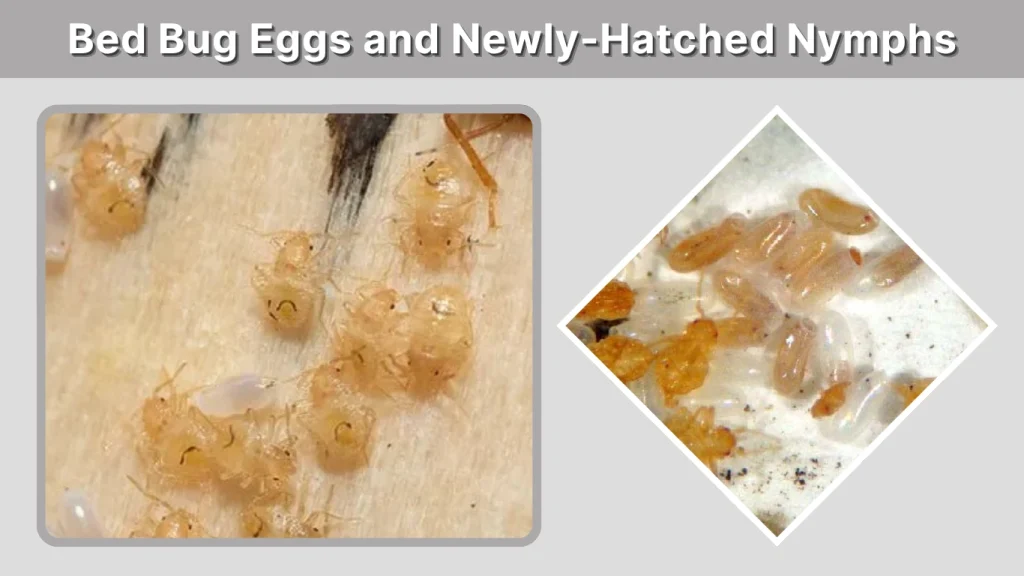
Finding empty eggshells is the definitive sign your infestation is active and growing. Hatched bed bug eggs on bed frame surfaces display a distinctive opened “cap” (operculum)—a circular, hinged lid the nymph pushes off during emergence. These translucent, dome-shaped shells remain stuck to surfaces, often clustered near fresh eggs. If your inspection reveals both milky-white eggs and these empty husks with visible openings, you’re dealing with a breeding colony that’s completed at least one life cycle. This isn’t a “maybe”—it’s proof nymphs are already feeding and laying new eggs nightly.
Why Bed Bug Eggs on Bed Frames Signal a Critical Infestation Stage
Spotting bed bug eggs on bed frame materials isn’t just concerning—it’s the inflection point where DIY remedies become useless. These eggs represent a reproductive bomb with a short fuse, and the bed frame’s location makes it the perfect launchpad for total bedroom domination.
Hatched Eggs = Breeding Colony Confirmed
Unlike spotting a lone bed bug (which could be a traveler), hatched eggs prove established breeding. Each visible cluster indicates dozens more hidden eggs, with new nymphs emerging every 6-10 days. Bed bug eggs on bed frame joints near your pillow mean bugs are feeding tonight and laying eggs as you sleep. The forum consensus is unambiguous: “Yes and hatched—you can see some of the tops opened up on them.” This isn’t an early warning—it’s evidence the infestation has passed the point of no return for homeowner treatments.
Correlating Eggs with Other Bed Frame Evidence
Bed bugs never operate alone. When you find bed bug eggs on bed frame surfaces, always check for these co-occurring signs:
– Black fecal spots: Smear-like stains resembling ink dots, often clustered near egg sites (“They like to shit where they lay eggs”).
– Translucent exoskeletons: Shiny, pale-yellow cast-off skins from growing nymphs—evidence of multiple life stages.
– Live nymphs: Pinhead-sized translucent bugs scurrying in cracks (not “microscopic” as myths claim).
Finding any of these alongside eggs confirms active feeding and breeding. As one experienced user warned: “If you’re seeing casings too, this is a full-blown infestation.”
Why DIY Removal of Bed Bug Eggs on Bed Frames Always Fails
Home remedies like sprays, powders, or steam rarely penetrate the microscopic crevices where bed bug eggs on bed frame joints hide. Their biology makes them nearly invincible to amateur tactics—and attempting DIY often spreads the infestation.
The Sticky, Hidden Nature of Bed Bug Eggs
Bed bug eggs on bed frame wood are coated in a glue-like substance that bonds them to surfaces, resisting scraping or vacuuming. They’re laid deep inside cracks narrower than a credit card’s edge—places sprays can’t reach and heat treatments often miss. Consumer-grade insecticides labeled for bed bugs fail against eggs because they can’t penetrate the chorion (eggshell). Even if you kill visible adults, surviving eggs hatch within days, restarting the cycle. As pest experts stress: “Finding eggs means you are beyond the ‘early detection’ stage.”
Dangerous Misidentifications That Waste Critical Time
Confusing bed bug eggs with other pests delays proper treatment. Forum users frequently spot lookalikes like:
– Spider beetle eggs: Smaller, more rounded, and laid in food debris (not bed frames).
– Carpet beetle larvae casings: Fuzzy, brown, and found near fabrics—not pearly white specks on wood.
– Mold spores: Cluster in damp areas, not dry bed frame joints.
If you’re unsure, demand high-resolution photos before acting. One user bluntly advised: “If you need a better picture, OP, GIVE US A BETTER IMAGE!” Misidentification risks spreading eggs through unnecessary disassembly.
Professional Extermination: The Only Solution for Bed Bug Eggs on Bed Frames
When bed bug eggs on bed frame structures appear, professional heat treatment is non-negotiable. Eggs require sustained 118°F+ temperatures for 90+ minutes—conditions impossible to achieve with homeowner equipment. Delaying guarantees the infestation migrates to adjacent rooms.
Why Immediate Professional Intervention Is Mandatory
Hatched bed bug eggs on bed frame joints = active reproduction = immediate professional call. Consumer products can’t replicate the precision of commercial treatments:
– Heat remediation: Professionals use thermal cameras and industrial heaters to raise entire room temperatures to 135°F for 6+ hours, penetrating every crack where eggs hide.
– Targeted insecticides: Only licensed applicators access non-repellent chemicals that transfer from hatched nymphs to new eggs.
– Whole-structure treatment: Bed bugs migrate fast—eggs in your frame mean they’re likely in baseboards, outlets, and adjacent furniture.
As one veteran warned: “Yes they are indeed bedbug eggs… A hard yes.” This isn’t a DIY project—it’s structural pest control.
What a Professional Bed Bug Inspection Delivers
Skip “free” bait-and-switch quotes. A legitimate inspection for bed bug eggs on bed frame components includes:
1. Forensic lighting: UV lamps and magnifiers to detect eggs in seams invisible to the naked eye.
2. Thermal mapping: Identifying heat signatures in wall voids connected to the bed frame.
3. Correlation analysis: Checking for fecal trails, casings, and live bugs to confirm infestation age.
4. Containment protocol: Sealing the room before disassembly to prevent spreading hatched nymphs.
Reputable companies provide written evidence of egg locations—not just “we saw bugs.” If they skip documenting bed bug eggs on bed frame joints specifically, get a second opinion.
Final Verification and Prevention Protocol
Confirming bed bug eggs on bed frame structures demands ruthless action. Seal your mattress in a certified bed bug-proof encasement immediately—this traps any bugs migrating from the frame. Place ClimbUp interceptors under all bed legs to catch fleeing nymphs. But understand: these are temporary holds, not solutions. The hatched eggs prove eggs survived previous treatments, meaning only whole-room heat remediation will break the cycle.
Do not disassemble the bed frame yourself—this scatters eggs into carpets and walls. Professionals use sealed tarps and HEPA vacuums during disassembly to contain debris. Schedule treatment within 48 hours; each day allows 20+ new nymphs to hatch. Post-treatment, inspect interceptors weekly for 8 weeks. Finding any bugs after heat treatment means eggs survived in adjacent walls—requiring a second treatment. Bed bug eggs on bed frame components are the infestation’s point of no return. Act now, or face a multiplying army in your sanctuary.


