
You’ve been searching for that perfect rustic bed frame to anchor your bedroom’s cozy, cabin-inspired aesthetic, but quality handmade pieces come with a hefty price tag. Instead of settling for mass-produced furniture that lacks character, you can craft your own authentic rustic bed frame using simple tools and affordable materials. This guide reveals exactly how to make a rustic bed frame that combines sturdy construction with genuine farmhouse charm, whether you’re working with reclaimed barn wood or new lumber. In the next few pages, you’ll discover the precise measurements, joinery techniques, and finishing methods that transform ordinary lumber into a conversation-worthy centerpiece for your bedroom.
Waking up in a bed that tells a story beats sleeping on anonymous factory furniture any day. A well-built rustic bed frame not only adds warmth and personality to your space but also becomes a legacy piece you’ll pass down for generations. Forget complicated woodworking skills—this process uses straightforward techniques that even beginners can master with proper guidance. By following these steps, you’ll create a bed that supports your mattress properly while showcasing the natural beauty of wood grain and texture that defines true rustic design.
Essential Tools and Materials Checklist for Your Project
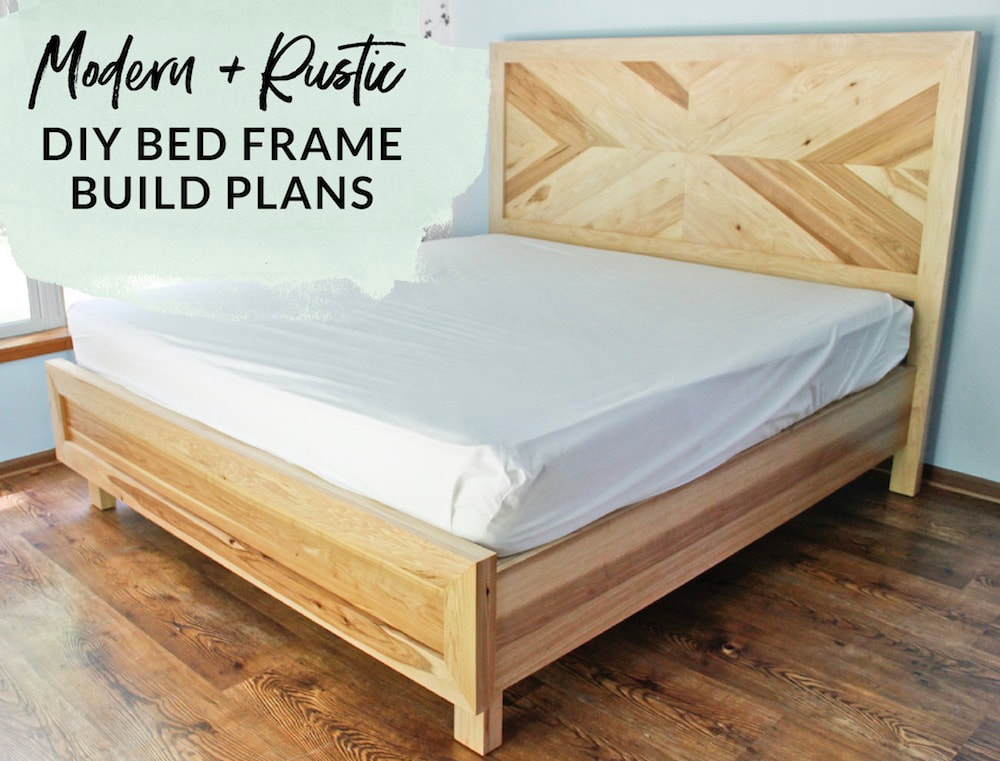
Before you start cutting wood, gather these specific items to avoid frustrating mid-project store runs. Having everything ready ensures smooth workflow and prevents mistakes caused by improvisation.
Must-Have Tools for Precision Construction
- Miter saw or circular saw – For clean, accurate cuts on rough lumber
- Heavy-duty drill/driver – With multiple drill bits for pilot holes and driving screws
- Orbital sander with 80-220 grit paper – To smooth rough surfaces while preserving rustic character
- Quality clamps (4-6) – To hold pieces securely during assembly
- Level and framing square – Critical for ensuring your bed frame sits perfectly square
- Tape measure and pencil – For precise marking and measurements
- Safety glasses, hearing protection, and dust mask – Non-negotiable protection during cutting and sanding
Selecting the Right Lumber for Authentic Rustic Character
Choosing appropriate wood makes or breaks your rustic bed’s appearance and durability. For a queen-size bed, you’ll typically need:
- Legs: Four 4×4 posts (44″ for headboard, 24″ for footboard)
- Frame: 2×6 or 2×8 lumber for side rails, headboard and footboard (two 82″ pieces for side rails, two 62.5″ for head/footboard)
- Slat system: Twelve to sixteen 1×4 or 2×4 slats (58.5″ long)
- Hardware: 3-5″ lag bolts with washers, 2.5″ wood screws, and metal bed rail fasteners
Reclaimed barn wood creates the most authentic rustic look but requires thorough inspection for nails and straightening. If using new lumber, rough-sawn pine or Douglas fir offers affordable character. Avoid pressure-treated wood for indoor furniture due to chemical off-gassing.
Cutting and Preparing Your Lumber Like a Pro
Dimensioning Your Bed Frame Components Accurately
Measure twice and cut once—this adage saves costly mistakes with expensive lumber. For a standard queen bed:
- Cut your posts: Four 4x4s to 44″ (headboard) and 24″ (footboard)
- Prepare side rails: Two 2x8s to 82″ (mattress length + 2″ clearance)
- Cut headboard/footboard rails: Two 2x8s to 62.5″ (mattress width + 2.5″)
- Create slats: Twelve to sixteen 1x4s to 58.5″ (mattress width – rail thickness)
Pre-Assembly Wood Preparation Techniques
Before assembly, properly prepare each piece:
- Sand all surfaces with 80-grit paper to remove splinters while preserving texture
- Round sharp edges slightly with sandpaper for safety and comfort
- Pre-drill all screw and bolt holes to prevent splitting, especially near ends
- For reclaimed wood, inspect thoroughly for hidden nails using a metal detector
Assembling the Headboard and Footboard for Maximum Stability

Creating Strong Joints That Withstand Daily Use
Your headboard forms the visual anchor of the bed, so build it to last:
- Position components: Lay headboard posts flat with rails between them
- Drill through holes: Create 1″ diameter holes through posts where rails will pass through
- Insert rails: Slide horizontal rails through the posts for that signature rustic through-tenon look
- Secure with bolts: Use 4″ lag bolts with washers at each joint, tightening securely but not excessively
Adding Rustic Character Without Compromising Strength
Enhance visual interest while maintaining structural integrity:
- Strategic distressing: Use a chain to create random dents on non-structural surfaces
- Exposed joinery: Leave tenons visible rather than hiding them for authentic craftsmanship
- Natural imperfections: Preserve knots and grain variations that tell the wood’s story
Building Side Rails with Proper Slat Support System

Installing Ledger Strips for Reliable Slat Attachment
Your slats need solid support to prevent mattress sagging:
- Position ledger strips: Attach 1×2 strips 1.5″ from the bottom edge of side rails
- Secure with glue and screws: Use construction adhesive plus 2″ screws every 8 inches
- Ensure level installation: Check with a level before final tightening
Adding Critical Center Support for Queen and King Beds
Without proper center support, larger beds will sag noticeably:
- Install a 2×4 center beam running from headboard to footboard
- Add an adjustable center leg at the midpoint for height compensation on uneven floors
- Space cross braces every 16 inches along the center beam
Installing the Slat System for Optimal Mattress Support
Proper Slat Spacing and Attachment Methods
Your slats form the foundation for your mattress, so get this right:
- Space slats 2-3 inches apart for proper ventilation and support
- Secure each slat with two 2.5″ wood screws through the ledger strips
- Start from the center and work outward to maintain even spacing
Preventing Common Slat Problems Before They Start
Avoid these frequent issues with proper installation:
- Sagging slats: Use 2x4s instead of 1x4s for heavier mattresses or larger beds
- Squeaking: Apply wax to screw threads before installation
- Loose slats: Pre-drill holes slightly larger than screw diameter to allow for wood movement
Finishing Techniques for Authentic Rustic Appeal
Sanding for the Perfect Balance of Smoothness and Texture
Achieve that coveted rustic feel under your hands:
- Start with 80-grit to remove major imperfections
- Progress to 120-grit for overall smoothing
- Finish with 220-grit on edges and surfaces you’ll touch frequently
- Preserve some texture on flat surfaces for authentic character
Choosing and Applying the Right Finish
Enhance natural beauty without creating a plastic-like sheen:
- Clear options: Danish oil or matte polyurethane preserves natural color
- Weathered look: Mix 1 part white paint with 3 parts water for subtle whitewash
- Rich tone: Medium walnut stain followed by matte topcoat
- Application tip: Always test finishes on scrap wood first and apply in the direction of the grain
Troubleshooting Common Rustic Bed Frame Issues
Fixing Wobble and Instability Quickly
A wobbly bed frame compromises both comfort and safety:
- First check: Tighten all lag bolts and connections with a socket wrench
- Second step: Add corner braces at headboard and footboard joints
- Final solution: Install an anti-tip kit to secure the bed to wall studs
Eliminating Annoying Squeaks Permanently
Squeaks develop as wood moves with use—stop them before they start:
- Apply beeswax or paraffin to all joint contact points before assembly
- Insert thin cardboard shims between slightly loose joints
- Tighten but don’t over-tighten hardware, which can strip wood
Maintenance Tips to Extend Your Bed Frame’s Lifespan
Simple Routine Checks That Prevent Major Problems
Perform these quick inspections quarterly:
- Tighten all bolts and screws (wood naturally expands and contracts)
- Check for developing cracks in structural components
- Inspect slats for excessive flexing or wear
- Reapply finish to worn areas before they deteriorate
Seasonal Adjustments for Wood Movement
Wood responds to humidity changes—anticipate these shifts:
- In dry winter months, slightly tighten hardware as wood shrinks
- In humid summer months, allow for expansion by not over-tightening
- Keep beds away from direct heating vents that accelerate drying
Building your own rustic bed frame delivers unmatched satisfaction and personalization. Unlike store-bought furniture, your handmade creation carries the story of your craftsmanship and reflects your unique aesthetic. By following these precise steps, you’ve created more than just a place to sleep—you’ve built a functional work of art that enhances your bedroom’s atmosphere while providing years of reliable service. The natural variations in your wood, the subtle imperfections from hand assembly, and the personal touches you’ve added all contribute to a truly one-of-a-kind piece that mass production could never replicate. Now, enjoy the restful sleep that comes from knowing you’ve created something beautiful with your own hands.


