
Nothing transforms a bedroom like a handcrafted bamboo bed frame that combines sustainable materials with clean, natural aesthetics. If you’re searching for “how to make a bamboo bed frame,” you’ve discovered the perfect solution for creating durable, eco-friendly bedroom furniture that stands the test of time. Bamboo grows rapidly without pesticides, making it one of the most sustainable building materials available, and its natural strength rivals traditional hardwoods. This guide delivers everything you need to build a professional-quality bamboo bed frame from scratch, even if you’re new to woodworking. You’ll learn proper bamboo preparation techniques, structural reinforcement methods most DIYers miss, and finishing processes that protect your investment for years to come.
Why Bamboo Outperforms Traditional Wood for Bed Frames
Bamboo’s remarkable tensile strength—stronger than many hardwoods—makes it ideal for supporting heavy mattresses and active sleepers. Unlike oak or maple that takes decades to mature, bamboo reaches harvestable size in just 3-5 years, making your DIY bed frame genuinely eco-friendly. When properly dried and treated, bamboo bed frames resist warping and cracking better than traditional lumber, especially in changing humidity conditions. The natural golden hue of bamboo creates a warm, organic feel in any bedroom that painted or stained wood simply can’t replicate. Plus, building with bamboo gives you complete control over dimensions, allowing you to customize your bed frame to fit unusual room layouts or specific mattress sizes.
Required Tools for Your Bamboo Bed Frame Project

Before cutting your first bamboo pole, gather these essential tools to ensure precision and safety throughout your build. Working with bamboo requires specific tools that handle its unique hollow structure without causing splits or cracks.
Must-Have Cutting and Measuring Equipment
- Sharp Miter Saw with Bamboo Blade: Use a carbide-tipped blade with at least 80 teeth to prevent splintering during cuts
- Precision Measuring Tools: Laser level, combination square, and steel tape measure for accurate 90-degree angles
- Clamping System: At least four 24-inch bar clamps plus quick-grip clamps for holding pieces during assembly
- Drill with Variable Speed: Essential for pre-drilling holes without splitting bamboo’s thin walls
Critical Safety Gear for Bamboo Construction
Always wear safety glasses and a respirator when cutting or sanding bamboo—its fine dust can irritate lungs and eyes. Bamboo fibers become airborne during sanding, so a N95 mask isn’t optional. Hearing protection matters too since cutting through dense bamboo creates significant noise. Keep a fire extinguisher nearby as bamboo dust is highly flammable when concentrated.
Selecting and Preparing Quality Bamboo Poles

Choosing the right bamboo determines whether your bed frame lasts decades or fails prematurely. Never use green, freshly cut bamboo—it must be properly cured to prevent cracking as it dries.
How to Identify Mature, Dry Bamboo
Look for poles with a golden-brown color indicating full maturity (at least 3-5 years old). Avoid bamboo with green streaks, which signals recent harvesting. Check for uniform diameter—ideal poles measure 2-3 inches across for bed frames. Run your hand along the pole; smooth texture without soft spots indicates proper drying. Reputable bamboo suppliers typically cure poles for 6-12 months before selling, but verify this before purchasing.
Cutting and Sanding Bamboo Without Damage
When cutting bamboo, always support both sides of the cut line to prevent crushing the hollow tube. Place scrap wood inside the bamboo while cutting to minimize splintering. Start sanding with 120-grit paper to remove nodes and imperfections, then progress to 220-grit for smoothness. Pay special attention to cut ends—they’re prone to splintering and should be sanded thoroughly in circular motions. For a professional finish, seal all cut ends with wood glue to prevent moisture absorption that causes cracking.
Building Your Bamboo Headboard and Footboard Frame
Your headboard forms the visual centerpiece of the bed, so proper construction ensures both beauty and structural integrity. Most DIYers make the mistake of building flimsy headboards that wobble—here’s how to avoid that.
Creating a Rock-Solid Headboard Structure
Cut four main vertical posts to your desired height (typically 48-54 inches for queen beds). For queen-size frames, use two 80-inch horizontal rails connecting the posts at top and bottom. Reinforce all joints with both wood glue and stainless steel screws—bamboo’s hollow nature requires extra support. Drill pilot holes 1/8-inch smaller than your screw diameter to prevent splitting. For added strength, install internal wooden braces between bamboo poles using mortise and tenon joints.
Footboard Construction Tips Most Guides Skip
While footboards are typically lower (12-18 inches), they still need proper reinforcement. Create a rectangular frame with horizontal support rails spaced no more than 18 inches apart. Unlike headboards, footboards benefit from diagonal cross-bracing to prevent racking forces from weakening the structure over time. Always attach footboards to side rails with bed bolts rather than screws—this allows disassembly for moving while maintaining strength.
Constructing Side Rails That Won’t Sag Over Time
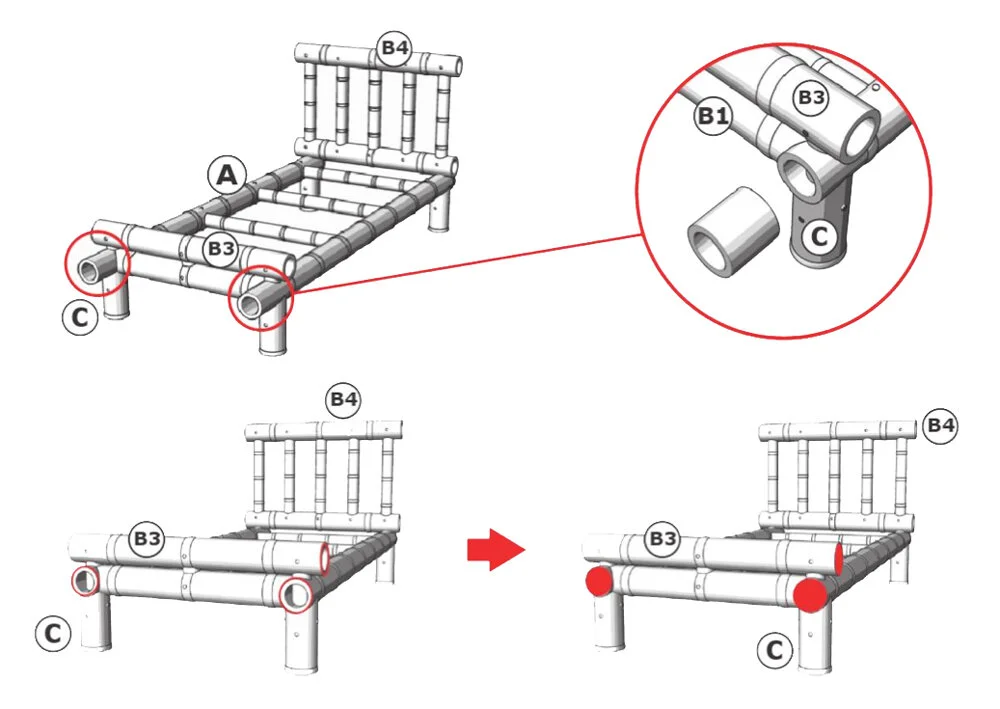
Side rails provide crucial longitudinal support but commonly fail when DIYers use inadequate bracing. Your mattress weight concentrates on these rails, so proper construction prevents dangerous sagging.
Proper Spacing for Vertical Support Posts
Space vertical bamboo posts every 16 inches along side rails—this exceeds standard building codes for bed frames. For queen and king sizes, add a center support rail running parallel to the side rails, connected with horizontal cross-members every 12 inches. Use 3-inch exterior-grade screws with pilot holes to connect all horizontal and vertical elements, applying wood glue to each joint before assembly.
Preventing Rail Separation at Corners
The most common bed frame failure occurs where side rails meet headboards. Avoid this by using bed rail bolts with oversized washers that distribute pressure across bamboo’s surface. Drill precise holes through both frame components, then insert bolts with lock nuts tightened just enough to allow slight movement (preventing stress cracks from daily use).
Installing Correct Slat Spacing for Mattress Support
Your slat system determines mattress longevity—improper spacing causes premature wear. Bamboo bed frames require different slat considerations than traditional wood frames.
Calculating Optimal Slat Distance
Space wooden slats no more than 3 inches apart across the entire bed surface—this prevents memory foam or latex mattresses from developing body impressions. For innerspring mattresses, 4-inch spacing works, but 3 inches remains ideal for all mattress types. Always attach slats to an internal wooden frame, not directly to bamboo rails—this distributes weight properly and prevents bamboo cracking.
Creating Removable Slat Systems
Design your slat system with removable end caps so you can access the internal frame for maintenance. Use wooden cleats attached to the internal frame that support slat ends, allowing easy removal for cleaning or adjustments. This hidden framework of 2×4 lumber provides the actual structural support—your bamboo frame serves as beautiful exterior cladding.
Finishing Techniques for a Smooth, Protective Surface
The right finish enhances bamboo’s natural beauty while protecting against moisture and daily wear. Most DIYers apply too much finish, creating a sticky, uneven surface.
Step-by-Step Bamboo Finishing Process
- Sand entire frame with 400-grit paper for silky smoothness
- Wipe clean with tack cloth to remove all dust particles
- Apply thin coat of food-grade tung oil with clean cloth
- Allow 24 hours drying time before light sanding with 400-grit
- Apply second thin coat, focusing on end grain areas
- Wait 48 hours before placing mattress on frame
Never use polyurethane on bamboo bed frames—it creates a plastic-like surface that chips and yellows over time. Tung oil or hard wax oil soaks into bamboo fibers, enhancing durability without altering the natural texture you worked so hard to achieve.
Pro Tips to Avoid Common Bamboo Bed Frame Mistakes
Even experienced woodworkers make critical errors when building with bamboo for the first time. These insider tips prevent costly mistakes that compromise your bed’s safety and longevity.
Critical Stability Checks Before Adding Mattress
After assembly but before adding your mattress, perform these tests: Apply 150 pounds of pressure to each corner and the center—no creaking or movement should occur. Shake the frame side-to-side; any wobble indicates weak joints needing reinforcement. Place a level on all horizontal surfaces—even slight tilting affects mattress comfort and longevity.
Seasonal Maintenance Your Bamboo Frame Needs
Bamboo expands and contracts with humidity changes, so check bolt tightness seasonally. Apply additional tung oil every 6-12 months, focusing on high-wear areas like handrails. Keep your bamboo bed away from direct sunlight and heating vents to prevent uneven drying that causes cracks. With proper care, your bamboo bed frame will last 20+ years while maintaining its beautiful natural appearance.
Building your own bamboo bed frame delivers unmatched satisfaction and sustainable bedroom furniture that store-bought options can’t match. By following these precise construction techniques, you’ve created a sturdy, beautiful centerpiece that showcases your craftsmanship while supporting restful sleep for years to come. Now that you’ve mastered bamboo bed frame construction, consider expanding your sustainable furniture collection with matching bamboo nightstands or a headboard shelf system.


