
Picture this: sinking into a bed that cradles you with handwoven rope instead of springs, its rustic frame whispering stories of craftsmanship. That’s the magic of learning how to make a rope bed frame—a project blending old-world artistry with modern DIY satisfaction. Forget flimsy store-bought frames; this sturdy, breathable alternative supports your mattress through a tensioned grid of natural fiber rope, eliminating the need for box springs while adding serious character to your bedroom. In just a weekend, you’ll transform raw lumber and coiled rope into a functional heirloom. By the end of this guide, you’ll know exactly how to size your frame, drill precision holes, weave a drum-tight grid, and avoid the #1 mistake that causes sagging. Let’s reclaim the art of handmade sleep.
Choosing the Right Rope and Wood for Lasting Support
Skip this step, and your bed will sag within weeks. Your rope choice makes or breaks the project’s durability. Manila rope (made from abaca fibers) is the traditional pick—strong, grippy, and beautifully textured—but it stretches 5-10% as it settles. Polypropylene rope won’t stretch or rot, ideal for humid climates, though it lacks manila’s earthy charm. Avoid nylon; it’s too elastic. For thickness, 3/8-inch diameter handles most body weights, but go 1/2-inch for heavier users or king-sized beds.
Your wood must withstand constant tension without warping. 4×4 pressure-treated pine posts (36 inches tall for standard beds) anchor the corners, while 2×6 side rails (cut 3-5 inches longer than your mattress) form the frame. Never use plywood—it’ll splinter under rope friction. Sand all edges to 220 grit before assembly; rough wood shreds rope fibers over time. Pro tip: Soak manila rope in water for 1 hour before weaving. As it dries, it shrinks and self-tightens the grid.
Why Your Rope Choice Determines Comfort
- Natural fibers (manila/jute): Mold to your body but require retightening every 6 months
- Synthetic fibers (polypropylene): Zero stretch, perfect for allergy sufferers
- Critical red flag: Any rope with a “static elongation” over 15% will sag prematurely—check manufacturer specs
Building a Rock-Solid Frame That Won’t Wobble
Most DIY rope beds collapse because builders skip structural reinforcements. Your frame must handle 300+ pounds of downward force without shifting. Start by cutting four 4×4 posts to 36 inches (for a 25-inch bed height) and side rails to 80 inches (for a queen mattress). Here’s the pro assembly sequence:
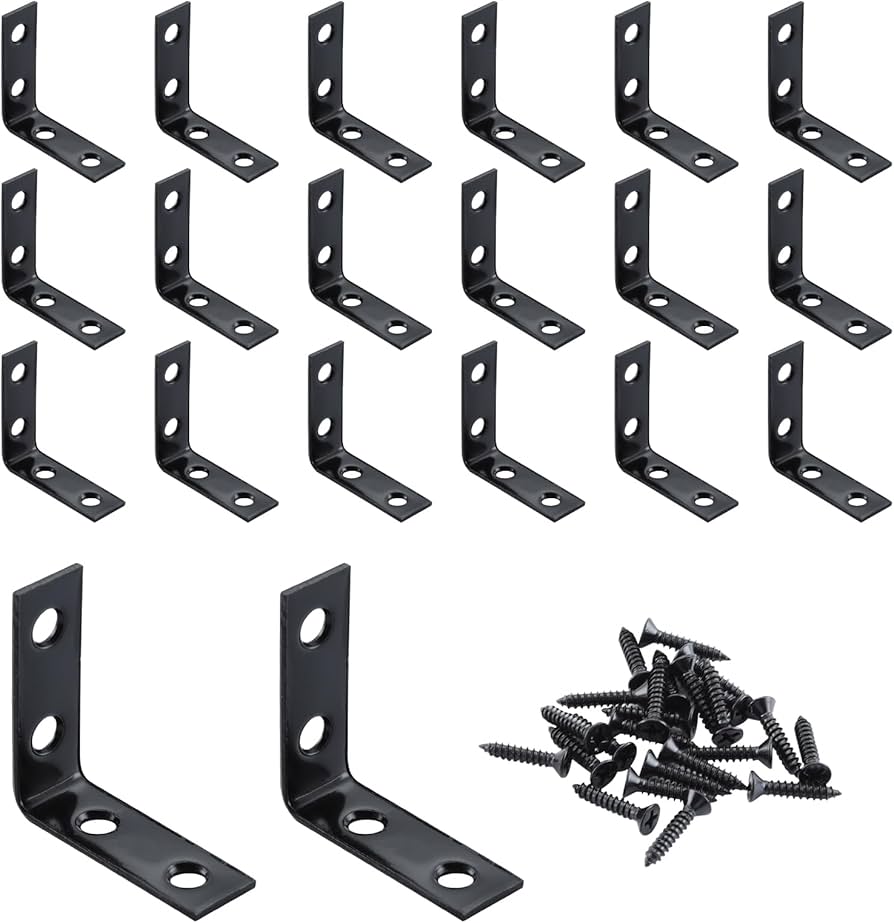
- Lay rails flat and clamp them into a rectangle. Drill 3/16-inch pilot holes at each corner, then secure with 3.5-inch lag screws and corner braces (not just screws!).
- Attach posts vertically using 1/2-inch carriage bolts through pre-drilled 5/8-inch holes—this prevents wood splitting better than screws.
- Add cross-bracing: Install two 2×4 supports mid-frame (parallel to head/foot rails) every 18 inches. This stops mattress sagging in the center.
⚠️ Critical mistake: Skipping cross-braces causes “hammock effect” where the rope grid dips under your hips. Always add at least two mid-frame supports for queen/king sizes.
Precision Hole Drilling: Your Grid’s Foundation
This step separates amateur builds from pro results. Holes must align perfectly across opposite rails or your weave will twist. For a queen bed:
- Mark hole positions every 4 inches along the top edge of both side rails—start 2 inches from each corner post. Use a carpenter’s square to ensure marks are level.
- Drill vertically downward with a 3/8-inch spade bit (for 1/4-inch rope) or 1/2-inch bit (for 3/8-inch rope). Angle errors >2 degrees will cause uneven tension.
- Countersink holes slightly on the inner frame edge so knots won’t rub against the rope grid.
Troubleshooting Misaligned Holes
- Problem: Rope pulls diagonally, creating weak spots
- Fix: Use a drill guide jig clamped to the rail. Test alignment by threading a straight rod through opposite holes before cutting rope.
Weaving the Rope Grid: Tension Is Everything
Now for the satisfying part—weaving your rope bed frame. This isn’t decorative; it’s structural engineering. Follow this sailor-tested method:
Starting the Warp (Lengthwise Strands)
- Anchor your rope to the head rail’s first hole with a double fisherman’s knot, leaving a 6-inch tail.
- Pull rope taut across to the foot rail’s matching hole. Thread through, then pull until it resists gentle plucking (like a guitar string).
- Repeat every 4 inches, maintaining identical tension. Use a rope tensioner (a 12-inch wooden paddle with notches) to avoid hand fatigue.
Creating the Weft (Widthwise Strands)
- Weave perpendicular over/under the warp strands in a simple basket pattern.
- After every 3 rows, hammer a wooden dowel through the weave to tighten slack.
- Lock the final row with a clove hitch around the frame rail, then tuck ends under adjacent ropes.
💡 Pro shortcut: Use a weaving shuttle (a 6-inch wooden paddle with a rope groove) to speed up threading. No shuttle? Tape the rope end to a bent coat hanger.
Why Your Grid Must Feel Like a Drum Head
Test tension by pressing your palm firmly on the grid—it should rebound instantly without sinking. If it dimples, retighten every 3rd strand. Proper tension distributes weight evenly, preventing pressure points.
Critical Finishing Steps Most Builders Skip

A rushed finish sabotages months of work. Do these before adding your mattress:
- Apply wood sealant to all frame surfaces (especially rope-contact points). Tung oil protects against moisture without slippery residues.
- Recheck every knot with a wrench; vibrations loosen them during initial use.
- Test with 200 lbs (stack books in a duffel bag) for 24 hours. Retighten any slack spots.
Fixing Common Sagging Issues
- Sag at center? Add a third cross-brace mid-frame
- Loose edges? Reweave the perimeter with double-thickness rope
- Persistent stretch? Switch to polypropylene for the next grid
Maintenance Secrets for Decades-Long Use
Your rope bed isn’t “set and forget.” Natural fibers need seasonal care:
- Every 3 months: Flip the mattress and retighten the grid using the dowel-twist method (insert dowel, rotate 180° to shorten rope loops).
- Humid climates: Dust with silica gel packets inside the frame to prevent rope rot.
- When to replace: Natural rope lasts 5-7 years; synthetics 10+. Replace if strands fray or tension drops >1 inch under weight.
🌟 Expert insight: Add a “safety line”—a thin secondary rope zigzagged under the main grid. It catches you if a primary strand fails, adding peace of mind.
Why This Project Beats Store-Bought Frames
Building how to make a rope bed frame isn’t just cost-effective (materials run $150 vs. $500+ for artisan versions); it’s a functional masterpiece. Unlike metal frames, rope breathes to regulate temperature, and the slight flex reduces pressure points for deeper sleep. Plus, you control every detail—from post height for under-bed storage to rope color for your aesthetic. When guests run their hands over the taut grid, they’ll ask, “You made this?” That pride? Worth every splinter.
Start with a queen-sized frame this weekend. Cut your lumber Tuesday, weave Wednesday, and by Friday night, you’ll sleep on a bed that’s truly yours—no factories, no assembly lines, just wood, rope, and your hands. The first creak of that rope grid under your weight? That’s the sound of craftsmanship winning. Now go tighten those knots.


