
That empty space under your bed is prime real estate for storage that’s going completely to waste. If you’re tired of cluttered closets and overflowing drawers while valuable cubic feet sit empty beneath your mattress, a lift-up storage bed frame is your solution. This ingenious DIY project transforms your bed into a massive hidden storage compartment while maintaining a sleek, modern profile that elevates your entire bedroom aesthetic.
Building a lift-up storage bed frame isn’t just for professional carpenters—anyone with basic woodworking skills can create this space-saving marvel in a weekend. By following these detailed steps and paying special attention to the lifting mechanism specifications, you’ll create a bed that not only stores seasonal clothing, extra bedding, or sports equipment but also operates smoothly for years without sagging or sticking. Let’s transform that wasted space into your most valuable storage asset.
Why Your Standard Bed Frame Is Wasting Valuable Storage Space
Most conventional bed frames leave 8-12 inches of completely unusable space beneath your mattress. This dead zone represents up to 20 cubic feet of storage capacity in a queen-sized bed—enough to store four large suitcases, 15-20 comforters, or an entire season’s worth of clothing. A properly constructed lift-up storage bed frame converts this neglected space into accessible, organized storage without increasing your bedroom’s footprint.
The key difference between a simple platform bed and a functional lift-up storage bed lies in the engineering of the lifting mechanism. While platform beds merely raise your mattress off the ground, a true lift-up storage bed incorporates a precisely calculated hydraulic system that counterbalances the weight of your mattress and platform, allowing you to open it with one hand. This subtle but critical distinction determines whether your storage solution becomes a daily convenience or an occasional chore.
Exact Tools and Materials Needed for a Queen-Size Lift-Up Bed
Core Materials Checklist for Smooth Operation
- Frame lumber: 50-60 board feet of knot-free 2×4 or 2×6 lumber (pressure-treated for humidity-prone areas)
- Platform materials: One 4’x8′ sheet of 3/4″ plywood (birch or maple for visible edges)
- Storage compartment: 1/2″ plywood for sides, 3/4″ for base (one 4’x8′ sheet typically sufficient)
- Lifting hardware: Two heavy-duty continuous (piano) hinges (48″ minimum for queen)
- Hydraulic system: 2-4 gas struts rated for 100-150 lbs each (critical for smooth operation)
- Reinforcement: 90-degree steel corner braces (12-16 pieces), 3″ wood screws (minimum 50)
Must-Have Tools for Precision Construction
- Pocket hole jig (Kreg Jig) for hidden, reinforced joinery
- Circular saw with fine-tooth blade for clean plywood cuts
- Cordless drill with magnetic bit holder and depth stop
- Heavy-duty clamps (4-6) for precise assembly
- Digital angle finder for gas strut mounting
Pro Tip: Purchase gas struts with ball sockets rather than clevis mounts—they provide smoother operation and easier adjustment during installation. Always buy struts rated 20% higher than your calculated weight to ensure longevity.
Building a Rock-Solid 2×4 Support Frame That Won’t Sag
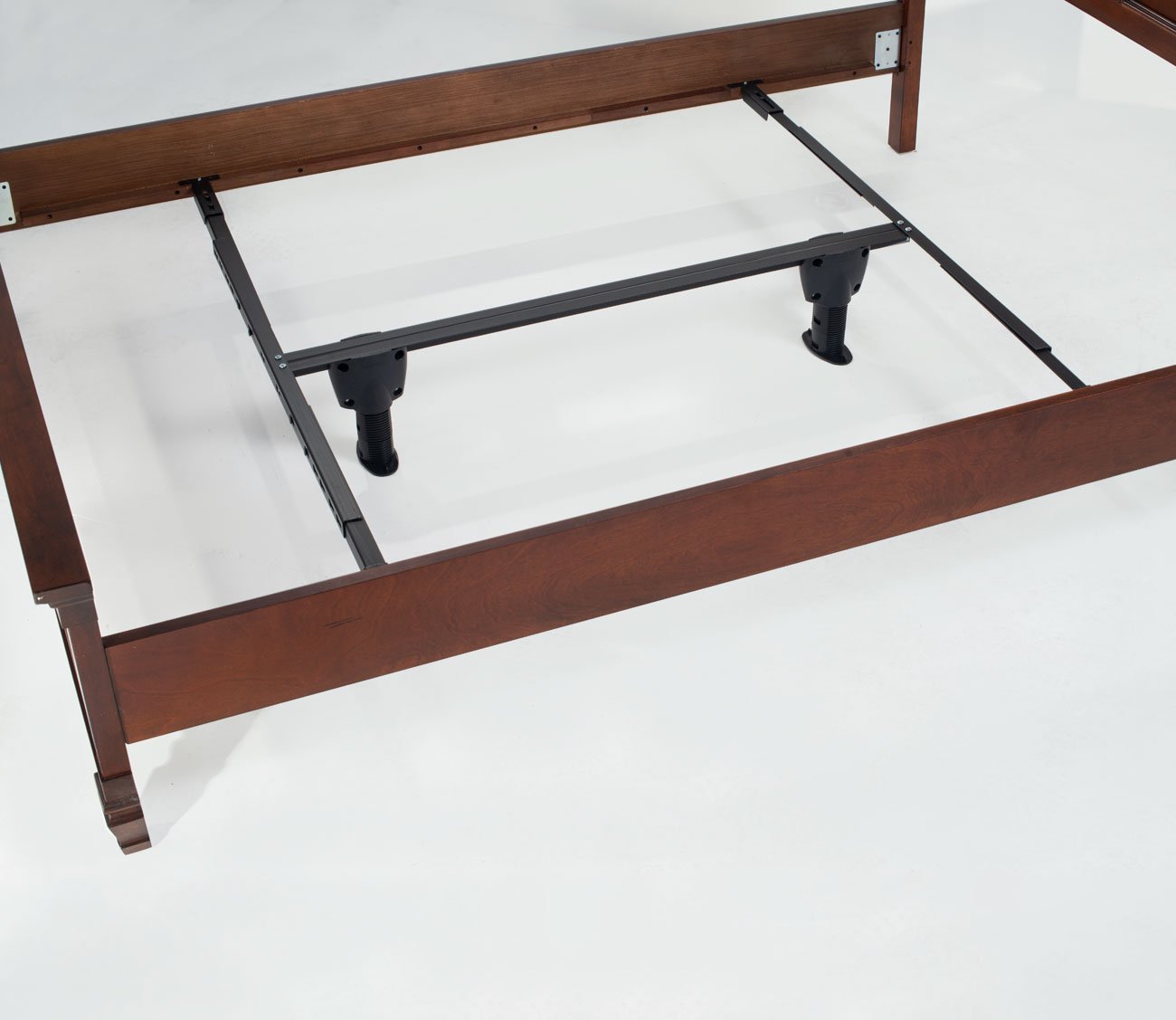
Cutting and Assembling Your Foundation
Start by cutting your 2×4 lumber to create a rectangular outer frame that’s 1-2 inches larger than your mattress dimensions. For a standard queen mattress (60″x80″), cut two pieces at 81″ and two at 61″ to allow for slight overhang. Assemble using 3″ wood screws driven through pre-drilled holes to prevent splitting—never rely on nails alone for structural integrity.
Critical reinforcement step: Install a center support beam running the full length of the frame, positioned exactly midway between the long sides. For queen and king sizes, add two additional cross supports spaced 16-24 inches apart. Without this center support, your platform will inevitably sag under mattress weight within months.
Squareness Verification Technique
After assembly, verify perfect squareness using the 3-4-5 triangle method: measure 3 feet from one corner along one edge, 4 feet along the adjacent edge, then check that the diagonal distance between these points is exactly 5 feet. Repeat for all corners—any deviation means your frame isn’t square, which will cause binding in the lift mechanism later.
How to Calculate the Right Gas Strut Strength for Your Mattress Weight

Precise Weight Calculation Method
Accurate weight calculation separates functional lift-up beds from frustrating failures. Weigh your mattress (typically 100-150 lbs for queen), then calculate platform weight (3/4″ plywood = 2.25 lbs/sq ft × platform area). Add estimated storage weight (50-70 lbs for typical use). Critical formula: Total weight × 1.2 = minimum required gas strut capacity.
Example: Queen mattress (120 lbs) + platform (85 lbs) + storage (60 lbs) = 265 lbs total. Multiply by 1.2 safety factor = 318 lbs minimum capacity. With two gas struts, each must support at least 159 lbs—so select 160+ lb struts.
Gas Strut Positioning Geometry
Mount struts at a 35-45 degree angle when the bed is closed—this provides optimal mechanical advantage. The lower mounting point should be 1/3 of the way up from the hinge on the storage compartment wall, while the upper point attaches to the main frame approximately 6-8 inches from the hinge line. Incorrect positioning is the #1 cause of beds that are either impossible to close or won’t stay open.
Step-by-Step Piano Hinge Installation on Your Lift-Up Platform
Perfect Hinge Alignment Technique
Install your continuous hinge along the entire back edge where the storage compartment meets the main frame. First, clamp the hinge in position without screws, then drill pilot holes through every third hinge hole. Critical step: Use a straightedge to verify perfect alignment before driving any screws—misaligned hinges cause binding that wears out gas struts prematurely.
Hidden Screw Method for Clean Appearance
For a professional finish, drill pocket holes along the inside edge of the storage compartment where it meets the hinge. This allows you to secure the hinge from beneath, hiding all screw heads. Apply wood glue to the joint before final screwing for added strength—this reinforcement prevents hinge pull-out under repeated use.
Safety Latches That Prevent Accidental Closure of Heavy Platforms

Essential Dual-Latch System
Install two automatic safety latches—one on each side near the head of the bed. These latches should engage automatically when the platform reaches 90 degrees of opening, preventing accidental closure that could cause serious injury. Never skip this safety feature—a queen-sized platform with mattress can weigh over 250 lbs and close with tremendous force.
Soft-Close Damper Integration
Add hydraulic dampers to your gas struts or install soft-close hinges to prevent the platform from slamming shut. These $15-20 components protect both your fingers and the bed’s structural integrity by controlling the closing speed. Properly installed dampers make the platform lower silently and smoothly over 3-5 seconds.
Upholstering Your Storage Lid for a Professional Finished Look
Foam and Fabric Application Process
- Cut 1-2″ high-density foam to match your platform dimensions
- Spray adhesive on both foam and platform, wait 2 minutes for tack
- Position foam carefully—once set, it won’t reposition
- Stretch heavy-duty upholstery fabric tightly across the foam
- Staple fabric to the underside every 1-2 inches, pulling taut with each staple
Pro Tip: Use a fabric with 20-30% stretch for easier corner wrapping. Start stapling from the center of each side, working toward corners, then fold corner fabric like wrapping a present for a clean, professional finish without wrinkles.
3 Costly Mistakes That Cause Lift-Up Beds to Fail Prematurely
Insufficient Structural Reinforcement
The most common failure point is the platform sagging between supports. Solution: Space cross supports no more than 16 inches apart and use 3/4″ plywood—not particle board or MDF—which has 3x the stiffness. For heavy mattresses, add a second layer of 1/4″ plywood glued and screwed to the underside.
Gas Strut Miscalculation
Too weak: Platform won’t stay open. Too strong: Impossible to close. Solution: Use an online gas strut calculator with your exact weight measurements. When in doubt, select struts with slightly higher capacity—they’re easier to adjust downward than upward.
Poor Hinge Selection
Standard door hinges fail under platform weight within months. Solution: Invest in true continuous (piano) hinges rated for 100+ lbs per foot. For queen beds, use two 48″ hinges with stainless steel pins for maximum durability.
Building a lift-up storage bed frame properly requires attention to mechanical details that most DIY guides overlook, particularly the precise gas strut calculations and hinge installation. By focusing on these critical elements and following the exact measurements and techniques outlined here, you’ll create a bed that functions smoothly for decades—not just until the gas struts fail. The investment of careful planning pays off every time you effortlessly access your hidden storage with one hand while the bed stays securely open. For best results, test your mechanism at each stage with weights matching your final mattress load before adding finishing touches—this simple step prevents 90% of common lift-up bed failures.


