
That old metal bed frame gathering dust in your garage or taking up space during your move needs to go—but you’re not sure how to handle it properly. Metal bed frames are bulky, heavy, and can’t simply be tossed in the regular trash. The right disposal method saves you headaches, prevents fines, and ensures environmentally responsible handling. Whether you’re upgrading your bedroom furniture, moving to a new place, or clearing out after a renovation, this guide gives you the exact steps to dispose of your metal bed frame safely and efficiently. You’ll learn how to disassemble it properly, choose the best disposal method for your situation, and avoid common mistakes that could cost you time and money.
Essential Safety Gear Before Handling Your Metal Bed Frame
Before you even touch that heavy metal structure, proper protection prevents serious injuries during disassembly and transport. Metal bed frames often develop sharp edges from years of use, hidden rust spots that can cause tetanus, and substantial weight that can crush fingers or toes if pieces shift unexpectedly. Skipping safety precautions turns a simple disposal task into a potential emergency room visit—especially when dealing with queen or king-size frames that can weigh 50-100 pounds or more.
Critical Protective Equipment for Bed Frame Disposal
Protecting yourself isn’t optional when handling metal furniture—these three items form your essential safety barrier:
- Heavy-Duty Work Gloves: Standard gardening gloves won’t cut it. You need reinforced leather or cut-resistant gloves that protect against sharp metal edges, rust particles, and pinching hazards when separating frame sections.
- ANSI-Z87 Safety Glasses: Tiny metal fragments or rust particles can fly when prying apart stubborn connections. Safety glasses with side shields prevent eye injuries that could cause permanent damage.
- Steel-Toed Boots or Sturdy Work Shoes: Never attempt this task in sandals or sneakers. A single dropped frame section can cause severe foot injuries—steel toes provide crucial protection against crushing accidents.
Must-Have Tools for Efficient Metal Frame Disassembly
Having the right tools ready saves hours of frustration and prevents damage to both the frame and your property. Most metal bed frames use standard hardware, but years of use can cause parts to seize up or rust together. Before starting, gather these essentials:
- Adjustable Wrench Set (10-15mm range): For stubborn nuts and bolts that have seized over time
- Rubber Mallet (2-3 lbs): For tapping connections apart without damaging metal surfaces
- Channel Lock Pliers: For gripping and twisting rounded-off fasteners
- Tarp or Heavy-Duty Blanket: To protect floors and contain small parts during disassembly
Step-by-Step Metal Bed Frame Disassembly Process
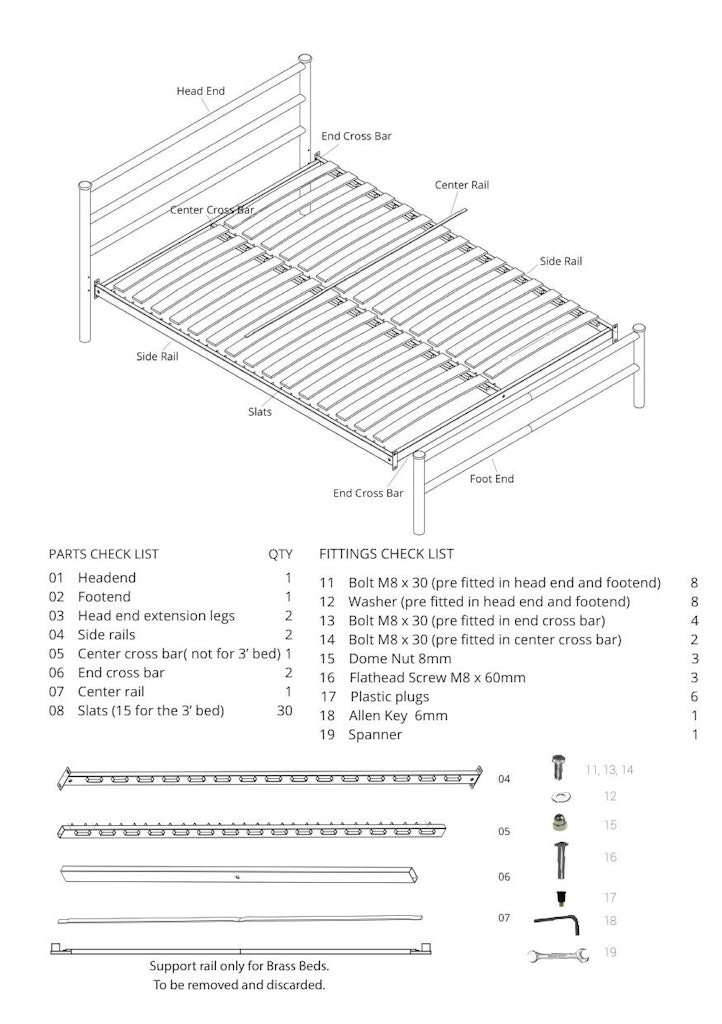
Disassembling your metal bed frame properly makes disposal manageable and prevents damage to walls, floors, or the frame itself during removal. Rushing this stage often leads to bent metal, stripped screws, and unnecessary frustration. Taking 15-20 minutes to methodically take apart your frame saves significant time and effort when you reach the disposal stage—especially if you plan to transport it yourself or qualify for scrap metal recycling.
How to Remove Mattress Support Components First
Start by clearing all bedding and support structures before tackling the main frame:
- Remove your mattress and set it aside in a clean, dry location
- Take off any box spring, foundation, or slats that sit inside the frame
- Check for hidden fasteners beneath fabric covers or decorative elements
- Keep all small parts (screws, bolts, washers) in a labeled container
Pro Tip: Take photos with your phone at each disassembly stage. This documentation helps if you later decide to reassemble the frame or need to explain its configuration to a recycling center.
Identifying and Removing Frame Fasteners Properly
Your approach depends entirely on the frame’s construction method:
- Bolted Frames (Most Common): Look for visible nuts and bolts at corner joints. Spray penetrating oil on rusted fasteners and let sit for 10 minutes before attempting removal.
- Slotted Rail Systems: These often use spring-loaded pins—locate the release mechanism (usually a small lever or button) before forcing separation.
- Welded Frames (No Disassembly): If your frame has no visible fasteners and appears as one continuous piece, it’s welded. You’ll need to transport it whole or hire professionals with cutting equipment.
Warning: Never use excessive force when separating connections. If a section won’t budge after reasonable effort, stop and reassess—forcing metal can create dangerous sharp edges or cause sudden collapse.
Best Metal Bed Frame Disposal Methods Ranked

Choosing the right disposal method saves money, prevents environmental harm, and ensures compliance with local regulations. Your options range from free (with effort) to premium convenience services, but not all methods work for every situation. Consider your frame’s condition, your physical capability, local regulations, and budget before deciding.
Scrap Metal Recycling: The Eco-Friendly Money-Saver
This should be your first disposal option if possible—most metal bed frames contain 50-100 pounds of recyclable steel:
- How to Prepare: Disassemble completely, remove non-metal parts (plastic feet, fabric covers), and bundle metal pieces with wire or twine
- Finding Recyclers: Use Earth911.com or call local scrap yards—they often pay $0.05-$0.15 per pound for clean steel
- Transport Tips: Load metal pieces in your vehicle’s trunk or truck bed, not the passenger area, for safety
Realistic Expectation: While you won’t get rich ($2-$10 for most bed frames), this method keeps metal out of landfills and puts a little cash in your pocket.
Municipal Bulk Item Pickup: Hassle-Free City Service
Most cities provide scheduled bulky item collection for residents:
- Check Requirements: Visit your city’s waste management website—most require disassembly to under 6×4 feet
- Schedule Early: Pickup slots often fill weeks in advance, especially in spring/summer moving seasons
- Cost Factor: Expect $25-$75 per item, but this beats hauling fees and potential fines for improper disposal
Critical Reminder: Never place bed frames at curbside outside scheduled pickup times—this counts as illegal dumping in 95% of municipalities and carries fines up to $500.
Donation Options for Serviceable Metal Frames
If your frame remains structurally sound with minimal rust:
- Call First: Salvation Army, Habitat for Humanity ReStores, and local shelters often accept bed frames—but many have stopped due to storage limitations
- Condition Standards: Frames must be complete (all parts present), rust-free, and easily reassembled
- Transport Requirement: You’ll typically need to deliver it yourself during specific donation hours
Donation Reality Check: Many charities now refuse metal bed frames due to low demand and high storage costs—verify acceptance before disassembling.
Metal Bed Frame Disposal Mistakes to Avoid

Certain disposal methods seem convenient but carry serious consequences—both legally and environmentally. What takes 5 minutes to dump can generate hours of headache and hundreds in fines if done improperly.
Why Illegal Dumping Costs Far More Than Proper Disposal
Leaving your frame in an alley, forest, or abandoned property might seem easy, but:
- Fines Start at $300+ in most jurisdictions and can exceed $1,000 for repeat offenses
- Cameras Catch Dumpers: Municipalities increasingly use license plate recognition at known dumping sites
- Environmental Harm: Metal frames take decades to decompose and leach chemicals into soil
Better Alternative: If all disposal options seem too expensive, contact your city’s waste department—they often have hardship programs for low-income residents.
The Dangerous Myth of Burning or Burying Metal Frames
Some believe burning removes paint or coatings before disposal, but:
- Toxic Fumes: Burning painted or treated metal releases carcinogenic dioxins and heavy metals
- Fire Hazard: Metal retains heat for hours, creating unexpected fire risks
- Legal Consequences: Illegal burning violations typically carry steeper fines than proper disposal costs
Choosing Your Disposal Method: Quick Decision Guide
| Option | Best When… | Time Required | Hidden Considerations |
|---|---|---|---|
| Scrap Recycling | Frame is fully disassembled | 2-3 hours total | Call first—some yards reject painted metal |
| City Pickup | You lack transport or strength | Schedule 3-7 days ahead | Must disassemble to city size limits |
| Donation | Frame is like-new condition | 1-2 hours for drop-off | Most charities require all parts present |
| Junk Removal | On tight deadline or no vehicle | Same-day service possible | Minimum fees often apply for small loads |
Final Recommendation: For 80% of users, scrap metal recycling provides the best balance of cost, convenience, and environmental responsibility. Disassemble your frame completely, remove non-metal components, and call local recyclers before transporting. If your frame remains welded or you lack transportation, schedule city bulky item pickup—this method avoids fines while ensuring proper disposal. Never choose convenience over compliance; the $50 you save by illegal dumping could cost you $500 in fines plus cleanup fees. With proper planning, disposing of your metal bed frame becomes a straightforward task completed in a single afternoon.


