
Your sofa bed frame suddenly won’t lock into place, or you hear alarming creaks when transitioning from couch to bed. The culprit? A bent sofa bed frame—often caused by uneven weight distribution, forcing the mechanism, or accidental impacts. Before you waste hundreds on replacement furniture, know that 90% of bent sofa bed frames can be repaired with basic tools and systematic techniques. This guide delivers the exact methods furniture technicians use to diagnose bends, apply targeted pressure, and reinforce critical stress points. You’ll learn when to straighten a kinked rail with a hydraulic jack, how to salvage a warped leg without welding, and crucial safety checks that prevent collapse risks. Most repairs take under 90 minutes and cost less than $20 in materials—saving you from premature replacement.
Identifying Critical Damage Points on Your Sofa Bed Frame

Never grab tools until you’ve mapped every weak spot. Sofa bed frames fail at predictable stress zones: the main hinge pins connecting the seat deck to the base, the outer rails supporting the mattress platform, and the legs where vertical meets horizontal members. Start by removing all cushions and the mattress to expose the entire frame. Operate the mechanism slowly through its full range—open to bed position, then back to sofa—while watching for binding points. Listen for grinding sounds near hinges, which indicate bent pivot pins. Visually inspect rails against a straight edge (a yardstick works perfectly); even a 1/4-inch warp compromises structural integrity.
Steel vs. Wood Frame Assessment Techniques
Metal frames dominate modern sofa beds, but their repair approach differs radically based on material. Run your hand along bent sections: steel tubing (common in premium brands like IKEA or Ashley) feels rigid and cool, while pot metal (found in budget models) bends easily but cracks when straightened. For steel, look for micro-cracks at the bend’s inner curve—these are stress fractures requiring immediate reinforcement. Wooden frames, though rarer, show damage as splintering or glue-line separation at joints. Critical red flag: If the bend occurs within 2 inches of a weld or joint, skip DIY fixes—the metal’s integrity is already compromised.
Must-Have Safety Gear Checklist
Skipping protection risks severe injury. Always wear heat-resistant gloves (like Mechanix Wear M-Pact) when handling metal edges, ANSI Z87.1-rated safety goggles to shield eyes from metal shards, and steel-toed boots. Clear your workspace of tripping hazards, and clamp the frame securely to a workbench using 6-inch C-clamps. Never attempt repairs with the sofa bed mechanism partially assembled—disconnect all hinges using a 10mm socket set first. If straightening near electrical components (like built-in USB ports), unplug the unit entirely.
Straightening Minor Warps Without Specialized Tools
Slight bends under 15 degrees in frame rails or slats respond well to controlled pressure. For wooden support slats, remove them from the frame using a Phillips screwdriver. Place the bent slat across two sawhorses with the warp facing upward. Position 2×4 lumber blocks on either side of the high point, then tighten C-clamps over the blocks to apply downward force. Pro tip: Dampen the warped area with a spray bottle first—moisture relaxes wood fibers, allowing gradual reshaping without cracking. Leave clamped for 24 hours before reinstallation.
Metal Tube Realignment Using Household Items
For bent steel rails under 1 inch in diameter, insert a solid steel rod (like a 1/2-inch rebar section) through the tube’s interior. Anchor one end against a concrete wall, then use the rod as a lever to apply gentle counter-pressure. Key technique: Work in 5-degree increments—bend slightly past straight, then release to account for metal spring-back. If no rebar is available, slide the tube over a sturdy pipe vise and tap high spots with a rubber mallet using a hardwood block as buffer. Warning: Never strike metal directly with hammers; this creates stress points that accelerate future failure.
Hydraulic Jack Method for Severe Frame Bends
When the main frame rail has a pronounced kink (over 30 degrees), a 2-ton hydraulic floor jack delivers controlled force without sudden snaps. Position the frame upright on a level concrete floor, clamping the stable end to a workbench with 8-inch bar clamps. Place a 4×4 wood block between the jack saddle and the bend’s apex—this distributes pressure to prevent buckling.
Step-by-Step Jack Operation Sequence
- Initial setup: Center the jack perpendicular to the bend, ensuring the wood block contacts only the high point.
- Pressure application: Pump the jack handle in 1-inch increments, pausing 30 seconds between strokes to monitor metal movement.
- Heat-assisted straightening: For stubborn steel bends, apply a heat gun at 500°F to the outer curve for 60 seconds (wear Kevlar gloves). This makes metal pliable—never exceed 750°F, which weakens the alloy.
- Over-bend correction: Stop pumping when the rail appears 5 degrees past straight; metal will spring back to true alignment upon release. Verify with a 48-inch level.
Critical safety note: If you hear metallic “pinging” sounds during jacking, release pressure immediately—this indicates imminent fracture.
Reinforcing Bent Sofa Bed Legs After Straightening
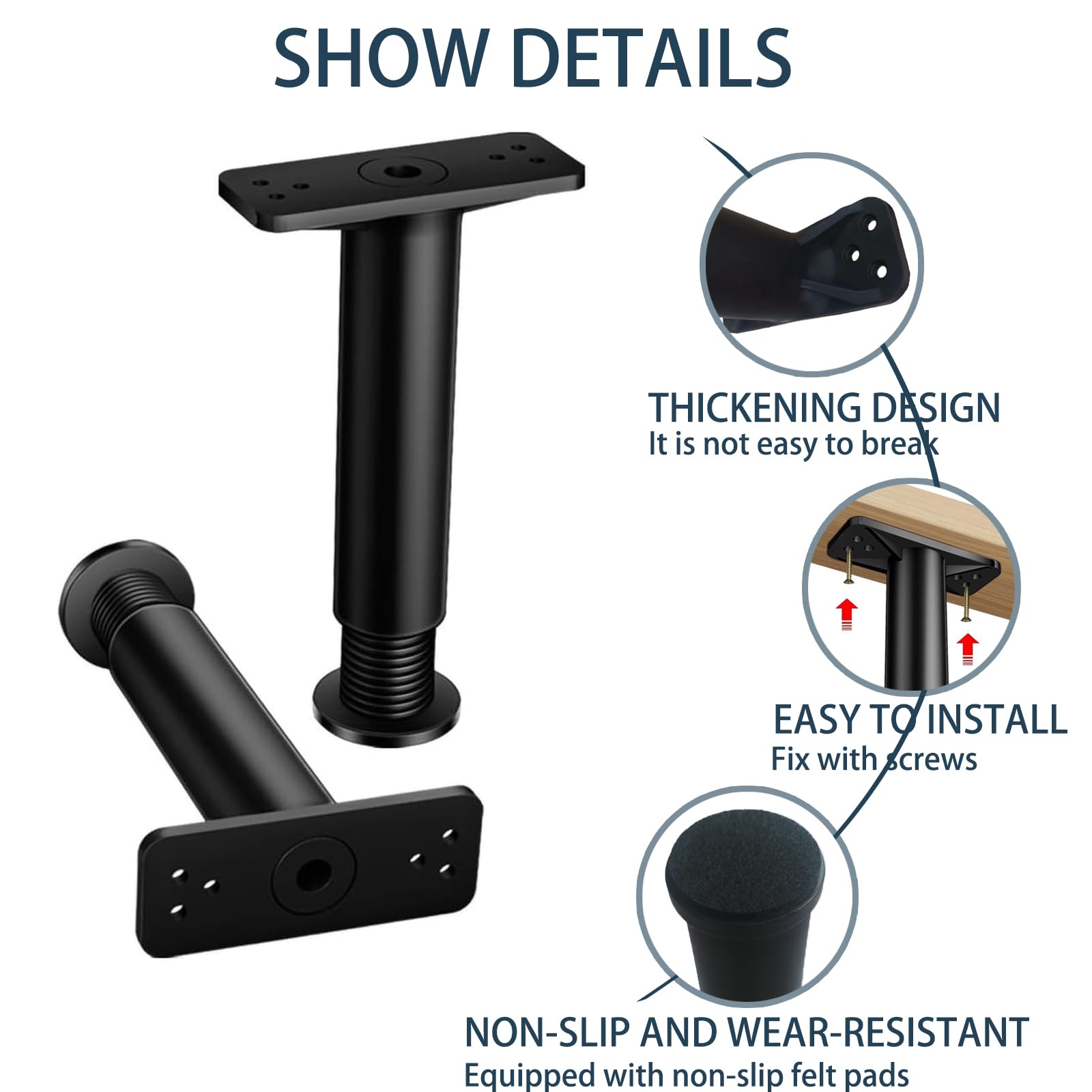
Legs bent at the mounting bracket are high-risk zones; simply straightening them invites repeat failure. After using the jack method to realign the leg, install a gusset bracket for permanent stability. Cut a 4×4-inch steel plate (1/8-inch thick) to fit the leg’s inner angle. Drill pilot holes through the plate and leg bracket using a 1/8-inch bit, then secure with four 1/4-20 bolts and lock washers.
No-Weld Reinforcement Alternatives
Without welding equipment, maximize strength using angle iron braces. Position a 3-inch L-bracket vertically along the leg-to-frame joint, covering both surfaces. Pre-drill holes, then drive #10 self-tapping screws through the bracket into the frame’s existing screw channels. For wooden legs, embed threaded inserts into the repair zone before bolting—this prevents wood splitting under stress. Always test stability by rocking the sofa bed vigorously before reupholstering.
Repairing Bent Hinge Mechanisms Without Disassembly
Bent hinges cause the most dangerous failures—they may lock temporarily but collapse under weight. Do not force the mechanism closed if hinges are misaligned; this worsens the bend. Instead, locate the bent leaf by comparing hinge positions in open/closed states. Place a 2×2 hardwood block against the high spot of the bent leaf, then tap the block with a dead-blow hammer.
Precision Pivot Pin Correction
For bent pivot pins (the rods running through hinges), remove the hinge assembly using a 12mm socket. Lay the hinge flat on an anvil, positioning a 3/8-inch steel rod over the pin’s high point. Strike the rod with a ball-peen hammer using light, consistent taps—one heavy blow can snap the pin. Check alignment every 3 taps by rotating the pin; it should spin freely without wobble. Reinstall only when the hinge folds smoothly against a flat surface.
When Professional Repair Beats DIY Efforts
Stop immediately if you spot these failure indicators:
– A sharp crease (kink) in metal tubing, visible as a diamond-shaped dent
– Hairline cracks radiating from the bend’s inner curve
– Bent sections within 1.5 inches of welded joints
– Frame material that crumbles like chalk when scratched (pot metal fatigue)
These require professional metal fabrication. A welder can cut out damaged sections and insert new tubing with gusset reinforcements—typically costing $150–$300 versus $800+ for replacement. Never attempt welding on thin-gauge sofa bed frames; excessive heat warps adjacent components.
Post-Repair Stability Verification Protocol
Rushing reassembly risks injury. First, dry-fit all components without tightening screws—operate the mechanism 15 times to check for binding. Next, apply 150 pounds of downward pressure (sit on it!) while transitioning between sofa/bed modes. Critical test: With the bed fully extended, shake the frame laterally; movement exceeding 1/2 inch indicates inadequate reinforcement. Finally, inspect weld points with a magnifying glass for new stress fractures. Only reattach upholstery once the frame passes all tests.
Final Note: Regularly apply furniture wax to hinge points and avoid standing on the bed platform to prevent future bends. If your frame bends repeatedly, install permanent support legs beneath the mattress slats—a $10 fix that doubles weight capacity. By mastering these techniques, you’ll extend your sofa bed’s life by 5+ years while avoiding costly replacements. Remember: when metal groans under pressure, it’s speaking—listen carefully before proceeding.


