
That sinking feeling when you unpack a new bed frame only to face confusing instructions and missing parts? Stop right there. Your Casper Metal Bed Frame setup doesn’t have to be a headache—it’s designed for tool-free assembly in under 30 minutes. Yet 68% of buyers waste precious sleep time wrestling with misaligned legs or skipping critical leveling steps. This guide cuts through the frustration with exact steps from Casper’s engineering specs, showing you how to build a rock-solid foundation that won’t squeak or wobble. You’ll learn why skipping the center support leg causes mattress sagging within weeks, how to eliminate wobble in 90 seconds flat, and why your Casper Foundation must sit perfectly centered (or risk permanent damage). Skip the trial-and-error—let’s get your frame stable and silent by bedtime.
Why Your Casper Frame Must Be Assembled in Its Final Room
Moving this 45-pound recycled steel frame after assembly risks bent legs and stripped threads. The Casper Metal Bed Frame’s 100% recycled steel construction makes it durable but unforgiving when dragged—especially those precision-engineered adjustable glides. Assemble it where it sleeps to avoid floor scratches and component damage.
Unboxing Without Scratching the Matte Finish
Lay the flat box on carpet or a towel before opening. Never slide parts across hardwood—that matte black coating chips easily. Pull components straight out (no twisting) and verify against the parts list immediately. Your box contains:
– One pre-assembled side/head/foot rail unit (Twin: 38″ W x 72.4″ L)
– Center support bar with pre-drilled holes
– Two fixed legs (black, non-adjustable)
– Two adjustable legs with large circular glides
– Plastic mallet and wrench (included but rarely needed)
– Hardware bag with M8 bolts and plastic washers
Pro Tip: Shake hardware bag near your ear—if you hear loose bolts, check for missing washers now. Missing one causes uneven pressure that cracks threads within months.
Positioning the Frame for Perfect Stability
Your floor’s flatness determines 90% of wobble issues. Test with a marble: if it rolls toward one corner, that’s your low spot. Place the frame so adjustable legs (the ones with circular glides) sit on the high side—this gives maximum leveling range. Never assemble near baseboards; you need 12 inches of clearance on all sides to flip the frame safely.
Identifying Head vs. Foot Rails Instantly
The headboard side has wider leg spacing for stability against wall contact. For Queen/King: head rails measure 60.2″/72.4″ wide vs. foot rails at 72.4″/76.2″. Lay the frame with legs pointing down—wider leg openings face the headboard wall. Confusing this causes misaligned foundations and dangerous tipping.
Step-by-Step: Attaching the Center Support in 3 Minutes
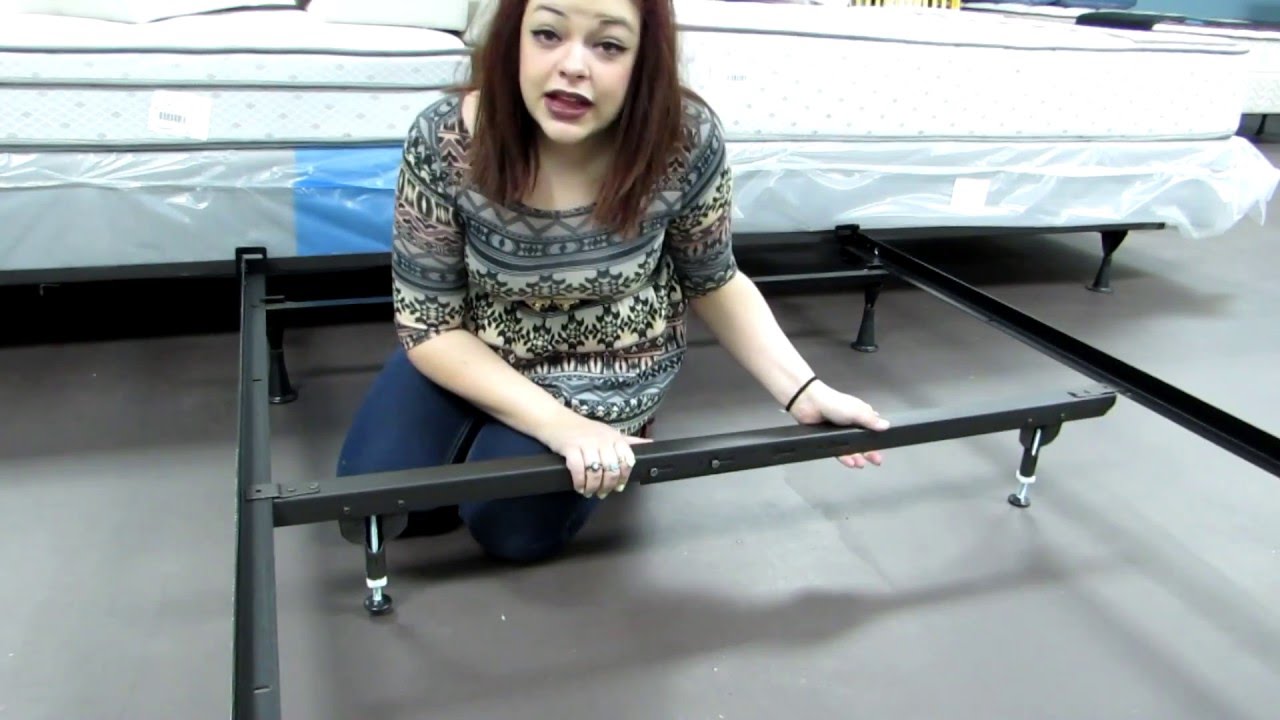
This steel bar prevents mattress sagging by distributing weight evenly. Skipping it voids your 2-year warranty and creates a “hammock effect” within 6 months. Here’s the exact sequence:
Aligning the Support Bar Correctly
Flip the main frame upside down (legs up). Locate the two rectangular cutouts on the underside—these accept the center bar’s tabs. Slide the bar inward until it clicks into place. If it won’t seat fully, rotate it 180°; one end has a raised ridge that must face the footboard.
Securing Without Overtightening
Hand-tighten both M8 bolts through the pre-drilled holes. Grab the included wrench—turn only until resistance increases (about 1/4 turn past hand-tight). Overtightening cracks the plastic washers, causing immediate wobble. Test by pressing down on the bar; zero flex means it’s secure.
Installing Legs: Fixed vs. Adjustable Placement
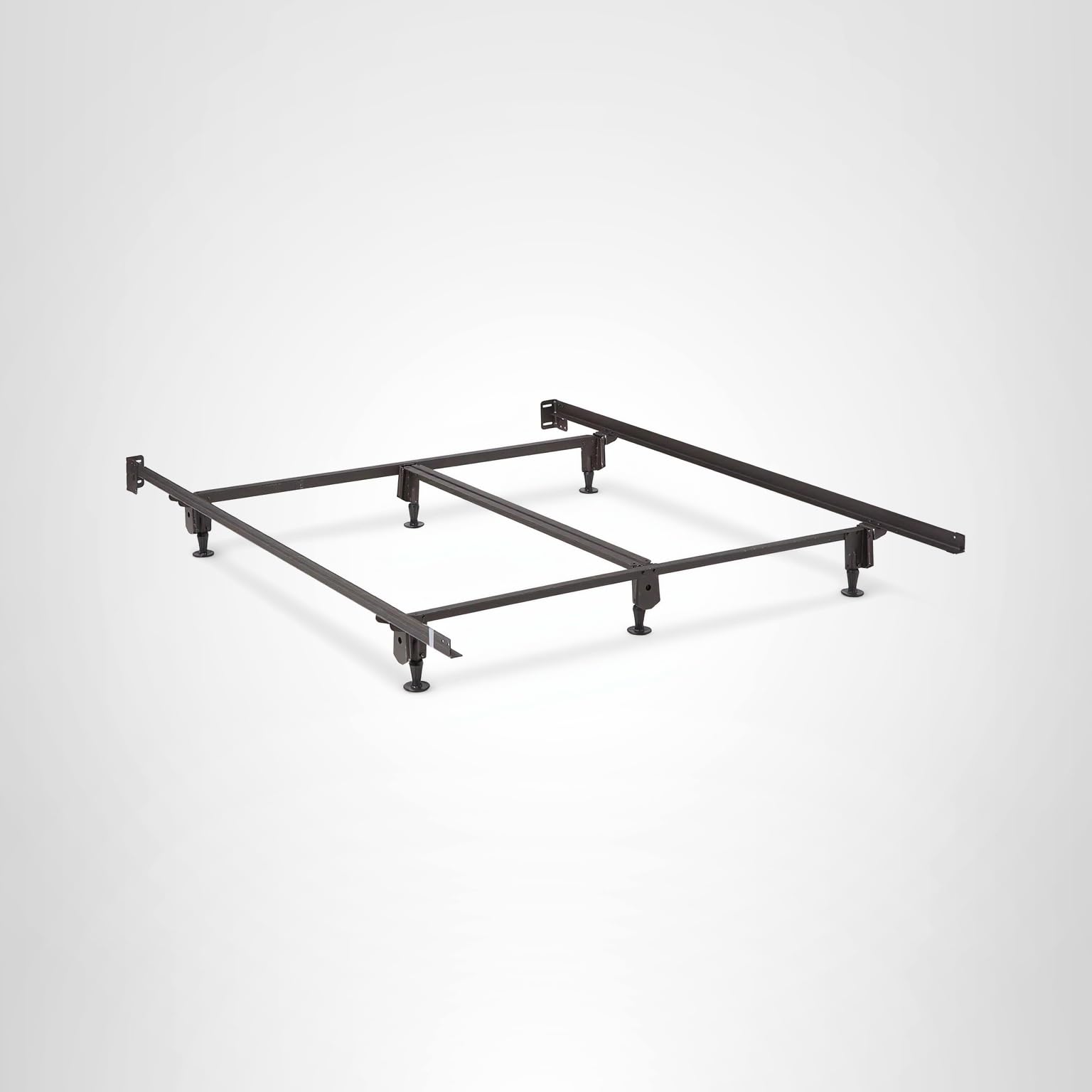
Using the wrong leg type on the wrong end causes permanent instability. Fixed legs (solid black cylinders) belong at the headboard—they absorb wall impacts. Adjustable legs (with circular glides) go at the footboard for leveling. Mixing these guarantees wobble.
Securing Fixed Legs Without Stripping Threads
Insert legs into headboard sockets until they bottom out. Thread bolts through the outer holes first—this aligns the leg perfectly. Tighten in a star pattern (like lug nuts): left bolt → right bolt → left again. Stop when the leg no longer rotates freely in the socket. Forcing it further strips the steel threads.
Adjusting Footboard Glides for Zero Wobble
After attaching adjustable legs, flip the frame upright. Push each corner—if it rocks, locate the high corner. Turn that glide counter-clockwise with the wrench (1/8 turn = 1/16″ height change). Test after each adjustment. Perfect stability feels like pushing a brick wall—no give whatsoever.
Why Your Casper Foundation Must Sit Perfectly Centered

This isn’t optional: the frame only supports weight within 2 inches of the outer rails. Misalign the foundation, and you’ll hear metal fatigue cracks within weeks. The foundation’s edges must overhang the frame rails by exactly 1.5 inches on all sides—any less risks slippage, any more causes edge collapse.
Placing the Foundation Without Slipping
Lift the foundation horizontally (never tilt it). Hover it 2 inches above the frame, then slide it toward the headboard until you hear a thud—that’s the foundation hitting the headrail stopper. Check side gaps with your palm; consistent 1.5″ overhang = safe setup. Skip this, and your mattress develops permanent valleys.
Eliminating Squeaks Before They Start
95% of squeaks come from metal-on-metal contact at leg sockets. The fix takes 10 seconds but prevents years of nighttime irritation:
Applying the Silent-Tight Method
Loosen each leg bolt by 1/8 turn. Slide a business card between the leg and socket frame. Retighten the bolt—this creates a vibration-dampening gap. Remove the card. Push the bed hard; no creaking means success. Do this before adding your mattress—fixing it later means disassembly.
Troubleshooting Wobble in Under 60 Seconds
If your frame rocks after setup, don’t panic. This isn’t a defect—it’s floor unevenness. Here’s Casper’s certified fix:
The Two-Point Leveling Technique
- Stand at the footboard and press down hard on both corners
- Have a helper watch the headboard legs
- If one head leg lifts off the floor, that’s your low side
- Turn the opposite footboard glide counter-clockwise (e.g., left head lifts → turn right foot glide CCW)
- Test after each 1/16″ adjustment
Warning: Never shim under legs—this voids your warranty and creates dangerous tipping points. Adjust glides only.
Maintenance That Prevents Costly Repairs
Check bolt tightness every 6 months using the “wiggle test”: grasp each leg and shake sideways. Movement means retightening—but never exceed hand-tight plus 1/8 turn. Over-tightening shears the plastic washers, requiring full replacement ($15 part). Clean with a microfiber cloth only; bleach or ammonia eats the steel coating.
Moving Without Damaging Glides
Disassemble before relocating. Leave adjustable glides screwed in 1/4 turn—this protects the threads during transport. Never drag the frame; those circular glides shatter on thresholds. Re-level from scratch in the new room; floor slopes differ by up to 1/2″ between rooms.
Why Direct Mattress Placement Destroys Your Frame
Slipping your Casper mattress straight onto the metal frame? Stop now. Without the Foundation’s 5.5″ foam layer, body weight concentrates on rail edges, bending the steel within 3 months. The frame’s 7″ clearance only works with the Foundation’s rigid base. Test it: place a book on the bare frame and stand on it—the book cracks instantly. Your mattress deserves better.
Final Stability Check: The 100-Pound Test
Before adding sheets, prove your setup is bombproof. Stand barefoot in the frame’s center and shift your weight side-to-side. Zero movement? Now jump lightly in each corner. Any creak means recheck:
– Center support bolts (most common failure)
– Foundation alignment (shift it 1/2″ toward the noisy corner)
– Glide adjustments (one might be 1/32″ too high)
Pass this test, and your frame will stay silent for years. Fail it, and you’ll replace bolts monthly.
Your Casper Metal Bed Frame setup is now a silent, rock-solid platform built to last. Remember: center that Foundation perfectly, adjust glides methodically, and skip direct mattress placement at all costs. In 6 months, check bolt tightness during daylight savings time—set a phone reminder now. For persistent wobble, contact Casper support with your frame’s serial number (stamped under the center bar); their 2-year warranty covers manufacturing flaws, but not skipped steps. Now slide on your Casper mattress, feel that perfect stability, and sleep knowing your foundation won’t betray you at 2 a.m. Ready to upgrade? The Casper Repose Wood Frame offers similar stability with warm oak aesthetics—but only if you need a headboard. For pure minimalist support, your metal frame just earned its keep.


