
You’re jolted awake for the third time tonight as your partner rolls over, sending ripples through the mattress that feel like an earthquake in your side of the bed. That frustrating sensation—bed frame motion transfer—steals deep sleep from millions of couples nightly. When movement travels freely across your sleeping surface, even minor shifts prevent you from reaching restorative REM cycles. The consequences are brutal: chronic fatigue, morning grogginess, and strained relationships as partners resort to separate bedrooms. But here’s the good news—your current bed setup isn’t hopeless. By strategically addressing how your frame transmits vibrations, you can transform restless nights into peaceful co-sleeping. This guide reveals exactly how to isolate motion at its source, using proven techniques backed by sleep science.
Motion transfer occurs when energy from one sleeper’s movement travels through the bed structure to the other side. While often dismissed as a minor annoyance, research shows these micro-disturbances fragment sleep architecture, reducing deep sleep by up to 30%. The root culprit? A poorly damped bed frame that acts like a trampoline, amplifying vibrations instead of absorbing them. Traditional metal frames with loose joints or flexible slats create a domino effect where a simple leg twitch becomes a full-body jolt. Crucially, your frame works with your mattress as a system—flimsy foundations undermine even high-end mattresses. The solution lies in disrupting this energy pathway through structural modifications and smart component pairing.
Why Bed Frame Motion Transfer Ruins Your Sleep Cycle
Motion transfer isn’t just about discomfort—it actively sabotages your sleep physiology. When your partner moves, kinetic energy travels through the frame rails, slats, and joints, vibrating your mattress surface. These disturbances trigger micro-awakenings you might not consciously register, but they prevent you from entering Stage 3 deep sleep where tissue repair and memory consolidation occur. Over time, chronic sleep fragmentation elevates cortisol levels, weakening immunity and increasing irritability. Couples experiencing severe motion transfer report 40% higher rates of sleeping separately within six months—a decision that often strains intimacy. The critical insight? Your bed frame isn’t passive support; it’s an active vibration conductor. Frames with weak center supports or wobbly leg joints act like tuning forks, resonating with every movement.
How Your Frame Transmits Vibrations Like a Drumhead
Think of your bed frame as a drum: when one area is struck (your partner turns), the entire surface vibrates. Metal frames with multiple connection points create “resonance highways” where energy flows freely between rails. Wooden slats spaced too far apart (over 3 inches) allow mattress sections to move independently, creating wave-like motion. Even seemingly solid platforms fail if joints aren’t tightened monthly—loose bolts turn the frame into a rattling amplifier. The worst offenders are basic metal frames with single center legs; they lack lateral stability, so side-to-side motion travels unimpeded.
Replace Your Mattress With Motion-Isolating Materials
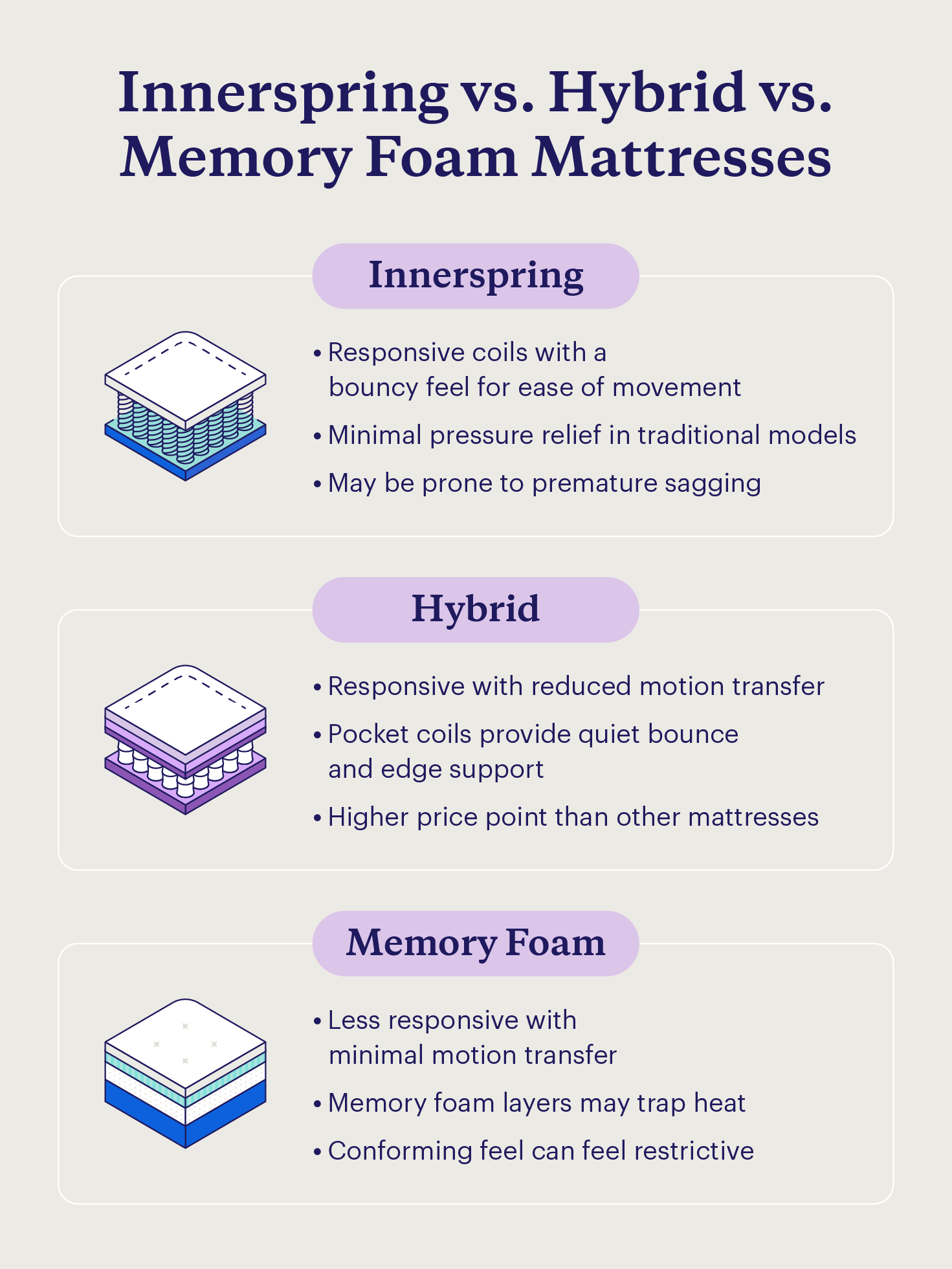
Your mattress is the first shock absorber against motion transfer. Upgrading this component alone can reduce felt vibrations by 70% when paired with the right frame.
Choose Between Memory Foam, Latex, or Pocketed Coils
Memory foam mattresses absorb movement through viscoelasticity—the material deforms under pressure then slowly rebounds, trapping kinetic energy. High-density latex offers similar isolation with more bounce resistance. For hybrid lovers, individually pocketed coils are essential; each spring moves independently within fabric sleeves, preventing motion from traveling across the bed. Avoid traditional interconnected innersprings where coils are linked by wires—these create a “trampoline effect” that magnifies motion transfer. If replacing your entire mattress isn’t feasible, add a 2-3 inch memory foam topper. This budget fix creates an immediate damping layer that stops vibrations at the surface level.
Tighten and Reinforce Your Bed Frame Structure
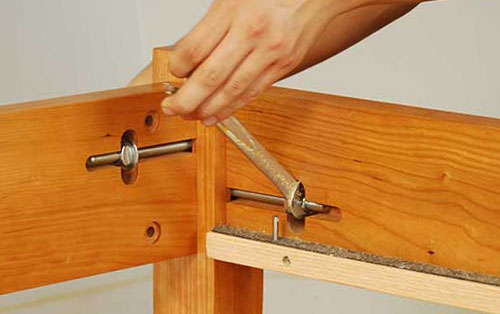
A loose frame turns minor movements into major disturbances. This fix takes 10 minutes but delivers dramatic results.
Secure Every Bolt and Check Slat Integrity
Start by tightening all frame bolts—the headboard-to-rail connections and center support brackets are common culprits. Use a wrench to ensure snug (not overtightened) joints. Next, inspect wooden slats: replace any cracked or warped pieces and ensure spacing is 3 inches or less. Wider gaps allow mattress sections to move independently, transferring motion like dominoes. For queen/king frames, verify your center support beam runs the full length with leg(s) touching the floor—this prevents “sag points” that channel vibrations. Critical warning: Never skip the center support on large beds; omitting it increases motion transfer by 200%.
Switch to a Solid Platform Bed Frame Design
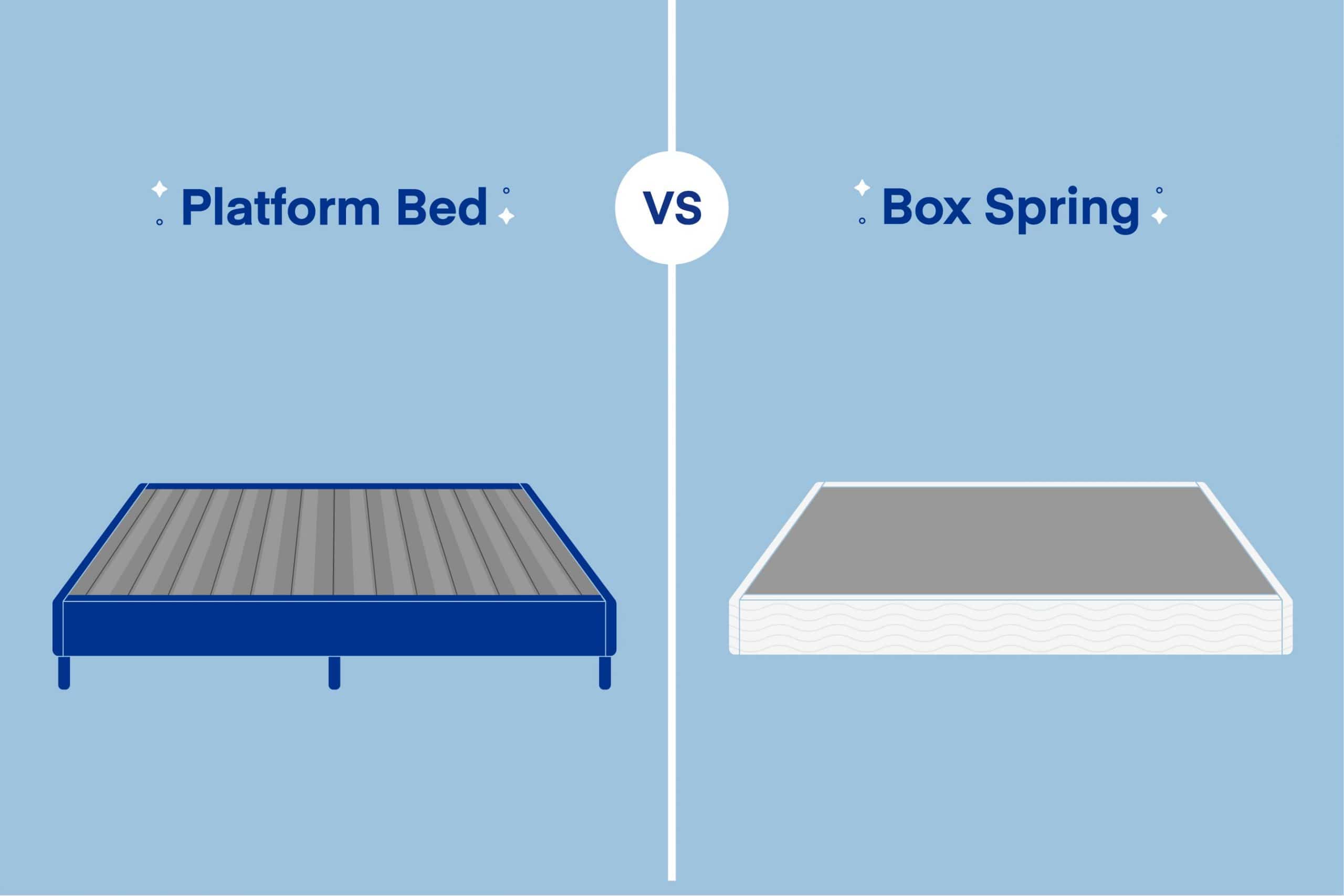
Your frame’s construction determines how effectively it dissipates energy. Solid platforms outperform traditional box springs every time.
Why Platform Frames Beat Box Springs for Motion Control
Platform beds with rigid wooden slats distribute weight evenly across the entire surface, eliminating bounce points. Unlike box springs—which compress and rebound like a springboard—solid platforms absorb vibrations through mass. Look for frames with thick, non-flexible slats (minimum 1-inch thickness) and reinforced corner joints. Metal frames can work if they feature cross-bracing and a low center of gravity, but avoid designs with visible flex when pressure is applied to the center. The ideal platform feels immovable when you shake it—any give indicates poor motion isolation.
Install Anti-Vibration Pads Under Bed Legs
This $15 fix addresses a hidden motion pathway: floor vibrations.
How Floor-Borne Vibrations Amplify Bed Shaking
Hardwood or tile floors transmit vibrations from footsteps or HVAC systems directly into bed legs, which then resonate through the frame. Placing dense rubber pads (like Sorbothane isolators) or heavy anti-slip rugs under each leg breaks this connection. The pads compress slightly under weight, converting kinetic energy into harmless heat. For maximum effect, choose pads at least 1/2-inch thick that extend beyond your bed’s footprint—this prevents “edge bounce” when sitting on the mattress edge.
Optimize Your Mattress-to-Frame Pairing Strategy
Even great components fail when mismatched. This is where most couples waste money.
Fix the Bouncy Mattress/Frame Combo Disaster
If you love your springy innerspring mattress but hate the motion transfer, don’t replace it yet. Place a high-density 1-2 inch foam pad directly on your slats before adding the mattress. This creates a shock-absorbing intermediary layer that dampens frame vibrations. Conversely, memory foam mattresses need rigid support—never pair them with flexible box springs, which cause excessive sinkage and motion channeling. The golden rule: dense surfaces require solid bases, bouncy surfaces need damping layers.
Split Your Bed Into Two Independent Sleeping Zones
For severe cases where one partner is highly restless, physical separation is the only true solution.
Build a True Twin XL Duo System
Two separate Twin XL frames placed side-by-side eliminate structural motion transfer entirely. Use a low-profile frame design to maintain a seamless surface, then place a yoga mat between them to prevent shifting. Cover the gap with an oversized king-size mattress pad. This setup mimics a king bed while ensuring zero frame-to-frame vibration transmission. Pro tip: Anchor frames to wall studs if available—this prevents “walking” when partners move.
Upgrade to a Decoupled Bed Frame Engineering
Premium frames solve motion transfer through physics, not padding.
How Split-Beam Designs Isolate Motion at the Source
Brands like Thuma use a revolutionary “floating” design where weight transfers to two rigid side rails via a central beam. This creates two independent suspension zones—movement on the left side dissipates entirely within its rail structure without crossing the centerline. Unlike standard platforms where rails connect front-to-back, decoupled frames break the vibration pathway at the most critical junction. While pricier, these frames deliver hospital-bed-level motion isolation ideal for light sleepers with active partners.
Combine These Fixes for Complete Motion Elimination
Start with these priority steps to maximize impact:
Your 3-Step Motion Transfer Eradication Plan
- Immediately tighten all frame bolts and add vibration pads—this costs nothing but time
- Add a memory foam topper if replacing your mattress isn’t possible this month
- Install a center support beam if missing (under $25 for queen/king)
For lasting results, pair a pocketed-coil mattress with a solid platform frame. If motion transfer persists after these fixes, your frame likely has irreparable flex points—time for a decoupled design. Remember: motion isolation isn’t about comfort alone; it’s an investment in your health, relationship, and daily cognitive function. By targeting the structural pathways that transmit vibrations, you’ll finally experience what undisturbed sleep should feel like—deep, restorative, and truly yours.


