
You sink into bed after a long day, only to feel yourself sliding toward the center like you’re in a hammock. That frustrating dip in the middle of your bed frame isn’t just annoying—it strains your spine, shortens your mattress lifespan, and turns restful sleep into a battle against gravity. When your bed frame dipping in middle becomes the nightly norm, it’s a clear sign your foundation is failing under weight and time. This guide cuts through the confusion with actionable fixes you can implement tonight, from $5 reinforcements to permanent structural solutions. You’ll learn exactly why your frame sags, how to diagnose the culprit in 10 minutes, and which repair method matches your bed’s specific weakness—so you can reclaim a flat, supportive sleep surface without replacing your entire setup.
That persistent valley forming under your hips or waist typically starts subtly but worsens rapidly once the frame’s integrity is compromised. Ignoring a dipping bed frame risks permanent mattress damage and chronic back pain, as your body fights unnatural alignment all night. Whether you own a budget-friendly platform bed or a heavy-duty metal frame, the solutions here target the root causes—not just symptoms—so you’ll understand why each fix works. Let’s transform that sinking feeling into solid, level support.
Why Your Bed Frame Dips in the Middle: Center Support Failures
The core issue behind bed frame dipping in middle always traces to inadequate weight distribution at the frame’s weakest point. Platform beds with widely spaced slats (over 3 inches apart) flex under pressure, while metal frames bow when side rails lack cross-bracing. Most critically, center support beams sag when legs sink into carpet or bolts loosen over time, shifting weight to the frame’s edges instead of the foundation. Wooden frames develop hairline cracks at stress points near joints, and particleboard components swell or crumble with humidity exposure. Even “sturdy” frames fail when center legs are omitted during assembly—a common oversight with flat-pack furniture. If your dip worsens when two people sit on the bed, the center support system is definitively overloaded.
Diagnosing Your Bed Frame Dip: 5-Step Inspection Checklist
Before grabbing tools, pinpoint exactly where your frame fails with this targeted inspection:
Locate the Exact Sag Point by Weight Testing
Stand at the foot of the bed and press down firmly along the centerline with both hands. Note where resistance suddenly drops—that’s your dip epicenter. For slatted bases, lie on your back and have someone observe which slats bend excessively. If the dip centers under your hips (not the mattress edge), the problem is internal frame support, not foundation instability.
Check Floor Contact and Leg Stability
Place a level across both center legs. If bubbles float toward the dip side, legs are uneven or sinking. Test carpet-penetrating legs by rocking the bed—they should move as one unit, not wobble independently. Hardwood floors expose gaps under legs; slide a business card underneath. If it slides freely, shims are needed immediately.
Installing a Center Support Beam for Sagging Bed Frames

A missing or weakened center beam is the #1 cause of bed frame dipping in middle. Reinforcing it takes 20 minutes and costs under $15.
Bolt Reinforcement for Wooden Beams
Sandwich sagging wooden beams with two 8-foot 2x4s cut to match the beam’s length. Position one 2×4 flush against each side of the beam, then drill 3/8-inch pilot holes every 12 inches through all layers. Secure with 5-inch carriage bolts, washers, and lock nuts—never screws, which strip particleboard. Tighten incrementally to avoid warping the beam. For severe sags, jack the beam level with a floor jack before bolting.
Metal Beam Reinforcement with Mending Plates
Snap a chalk line along both edges of a sagging metal beam. Position 12-inch steel mending plates over the line, centered at the dip point. Drill 1/4-inch holes through plate and beam, then secure with 1.5-inch self-tapping metal screws. Add a second plate 6 inches toward the headboard for triangulated support.
Reinforcing Slats Causing Bed Frame Dips
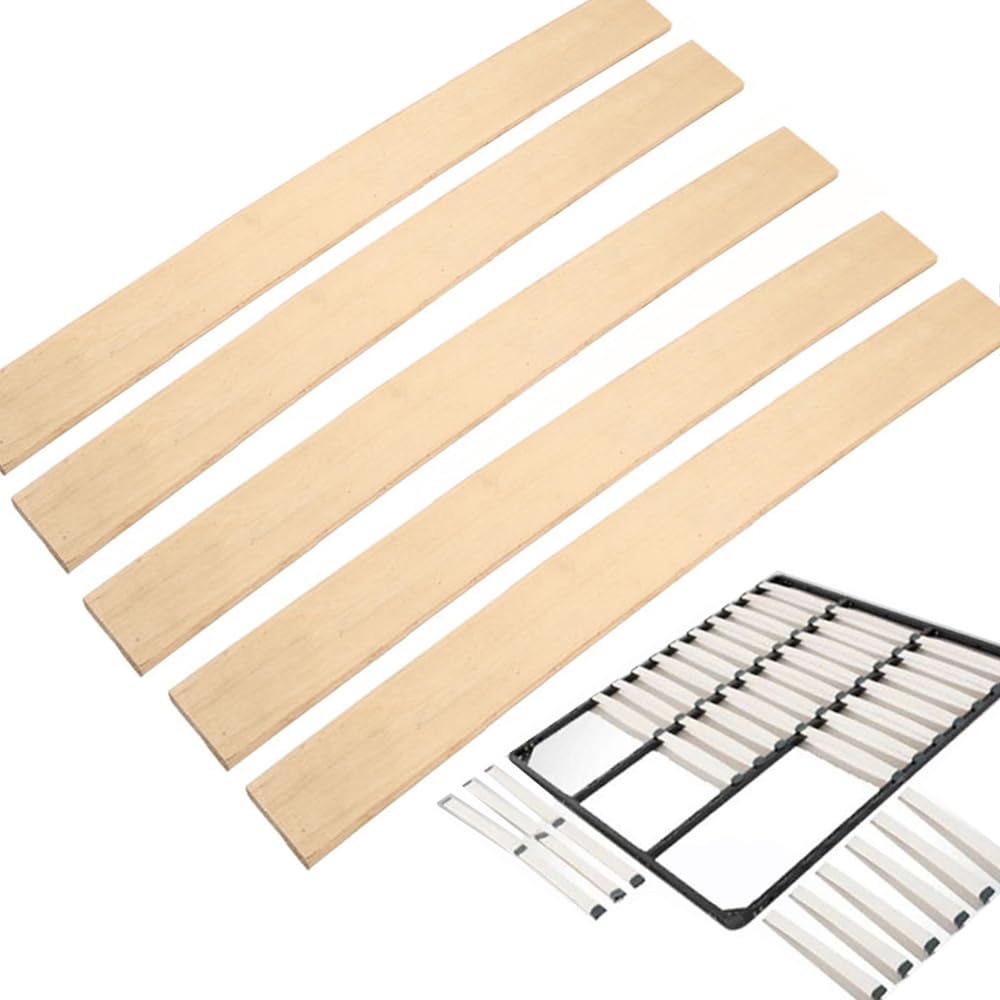
Spaced too wide or cracked slats let mattresses form body-shaped valleys. Fix this without replacing all slats.
Doubling Slats for Instant Support
Measure gaps between existing slats. If over 3 inches, cut 1×3 pine boards to fit lengthwise between them using a miter saw. Position new slats directly under common pressure points (hips and shoulders). Secure with 1.25-inch pocket screws driven at 45-degree angles into adjacent slats—never glue, which restricts wood’s natural flex. For metal frames, clip wire mesh between slats to distribute weight.
Bunkie Board Emergency Fix
Place a 0.75-inch plywood bunkie board (cut to bed dimensions) directly on slats. This bridges weak spots instantly but requires removing the mattress first. For ongoing use, add non-slip rug pad underneath to prevent shifting.
Adding Support Legs to Stop Center Dip
Center legs that sink into carpet or tilt on uneven floors transfer zero weight to the floor—making your frame dip.
Adjustable Leg Installation for Uneven Floors
Remove the mattress and locate the beam’s lowest point. Position a 16-inch adjustable bed leg (like IKEA’s FEJKA) under it. Extend the leg until snug, then tighten the locking collar. Critical tip: Place a 4×4-inch hardwood block under the leg base on carpet—this prevents sinking by 300% versus direct contact. Test by sitting on the dip point; no movement should occur.
Plywood Reinforcement for Severe Bed Frame Dips

When beams and slats fail completely, a plywood platform creates a new foundation.
3/4-Inch Plywood Platform Installation
Cut ACX exterior-grade plywood to your bed’s inner dimensions (allow 1/8-inch gap on all sides). Lay it directly over slats, ensuring edges align with the frame’s top lip. Secure every 6 inches with 1-inch brad nails—avoid screws that can protrude through mattress fabric. For extra rigidity, glue seams with construction adhesive before nailing. This fix handles up to 1,000 lbs and stops dips permanently.
Reinforcing Frame Joints Preventing Sagging
Loose corner joints let frames twist under weight, accelerating center dips.
L-Bracket Reinforcement for Wobbly Corners
Disassemble the frame enough to access inside corners. Position 4-inch steel L-brackets vertically along the joint, with one flange on the headboard rail and the other on the side rail. Drill pilot holes, then secure with 1.5-inch structural screws. Pro move: Wrap joints in fiberglass tape before screwing for 3x grip strength in particleboard.
Upgrading to Heavy-Duty Slat Systems
Prevent future dips with commercial-grade slats designed for high weight.
Steel-Reinforced Slats for 500+ Lb Capacity
Replace wooden slats with steel-channel slats (like Zinus Strong Base). These have 1.5-inch spacing and flex only 0.2 inches under 250 lbs—versus 1+ inch for standard wood. Installation takes 15 minutes: unclip old slats, slide new ones into grooves, and lock end clips. For king beds, add a third center leg to match the slats’ support density.
Preventing Bed Frame Dips Before They Start
Stop dips before they form with these maintenance habits:
Monthly Weight-Distribution Checks
Rotate your mattress head-to-foot monthly to prevent localized wear. Every 30 days, tighten all frame bolts with a 1/4-turn—over-tightening cracks particleboard. Place a level on center legs after heavy use; if uneven, adjust immediately. For couples, sleep with a slight space between bodies to reduce concentrated pressure on the dip zone.
When to Replace Your Bed Frame Instead of Repairing
DIY fixes fail when structural damage is advanced. Replace your frame immediately if:
– Visible cracks exceed 1/8-inch in wooden beams or joints
– Metal frames bend visibly when pressing down on side rails
– Dips worsen within 24 hours of reinforcement attempts
– Center legs sink more than 1/2-inch into flooring under weight
Choose replacement frames with triple center legs for queen/king sizes and weight ratings 25% above your actual load. Solid hardwood or steel-tube frames last 15+ years where particleboard fails in 3.
Final Fixes for a Flat, Supportive Sleep Surface
That sinking feeling when your bed frame dipping in middle disappears once you target the exact failure point. Start with the $10 leg shim test—if it reduces the dip, you’ve found your solution. For chronic sags, the plywood platform or steel slat upgrade delivers permanent results without replacing your mattress. Remember: a properly reinforced frame should show zero flex when you sit at the center with knees bent. Implement one fix tonight, and by tomorrow, you’ll sleep on a foundation that supports your body—not fights it. Your spine (and mattress warranty) will thank you.


