
Your bed frame silently shapes every night’s rest, yet most shoppers focus solely on mattresses while overlooking this critical foundation. Choosing the wrong bed frame can trigger mattress sagging, disrupt your sleep posture, and clash with your bedroom’s visual harmony—costing you hundreds in premature replacements. With 73% of sleepers reporting discomfort from inadequate support systems (according to industry data), this bed frame buying guide cuts through the confusion. You’ll discover exactly how to match frame types to your mattress warranty requirements, calculate precise space measurements, and avoid the #1 mistake that voids manufacturer guarantees. Let’s transform your foundation selection from overwhelming to effortless.
Room Dimensions and Mattress Size Compatibility Check
Ignoring your actual space dimensions is the fastest route to a bedroom disaster. Measure your room’s length and width with a metal tape measure, then subtract 24 inches from each dimension to allow for walking space and furniture placement. A queen mattress (60″x80″) requires a minimum 10’x12′ room, while king sizes (76″x80″) need 13’x15′ rooms to prevent claustrophobic crowding. Always verify your mattress tag for exact dimensions—many “queen” mattresses vary by 1-2 inches between brands. Test fit by taping the mattress outline on your floor with painter’s tape; if you can’t walk around all four sides comfortably, downsize your frame. Remember: California king mattresses (72″x84″) need extra length clearance for closet doors and hallways during delivery.
Why Standard Sizing Charts Mislead Shoppers
Manufacturer size charts rarely account for bed frame overhang. A typical queen frame extends 2-4 inches beyond the mattress on all sides, adding 4-8 inches to the total footprint. Always request the frame’s external dimensions from the seller—don’t assume “queen frame” equals standard size. Custom-sized mattresses (common in older homes) require bespoke frames; forcing a standard frame creates dangerous gaps where limbs can get trapped.
Material Durability and Aesthetic Comparison

Solid hardwood frames (oak, maple, walnut) withstand 500+ lbs weight capacity but cost 40% more than alternatives. Look for kiln-dried wood with visible grain continuity at joints—this prevents warping. Avoid frames with particleboard cores disguised as solid wood; tap the surface—if it sounds hollow, it’s engineered wood. Metal frames excel in durability-to-cost ratio: powder-coated steel handles 700+ lbs but requires checking weld points for hairline cracks. For upholstered frames, test fabric rub counts—anything under 15,000 double-rubs will pill within a year. Velvet and leather-look fabrics show wear fastest; linen weaves hide daily use better.
Spotting Weak Construction in 30 Seconds
Examine connection points where legs meet the frame. Metal frames should have gusseted brackets (triangular reinforcements), not single bolts. Wooden frames require mortise-and-tenon joints—avoid frames relying solely on screws or dowels. Shake the display model vigorously; any creaking indicates poor joinery. For upholstered bases, lift one corner—if the frame flexes more than 1 inch, it lacks cross-support for heavy mattresses.
Platform Bed Advantages for Modern Bedrooms
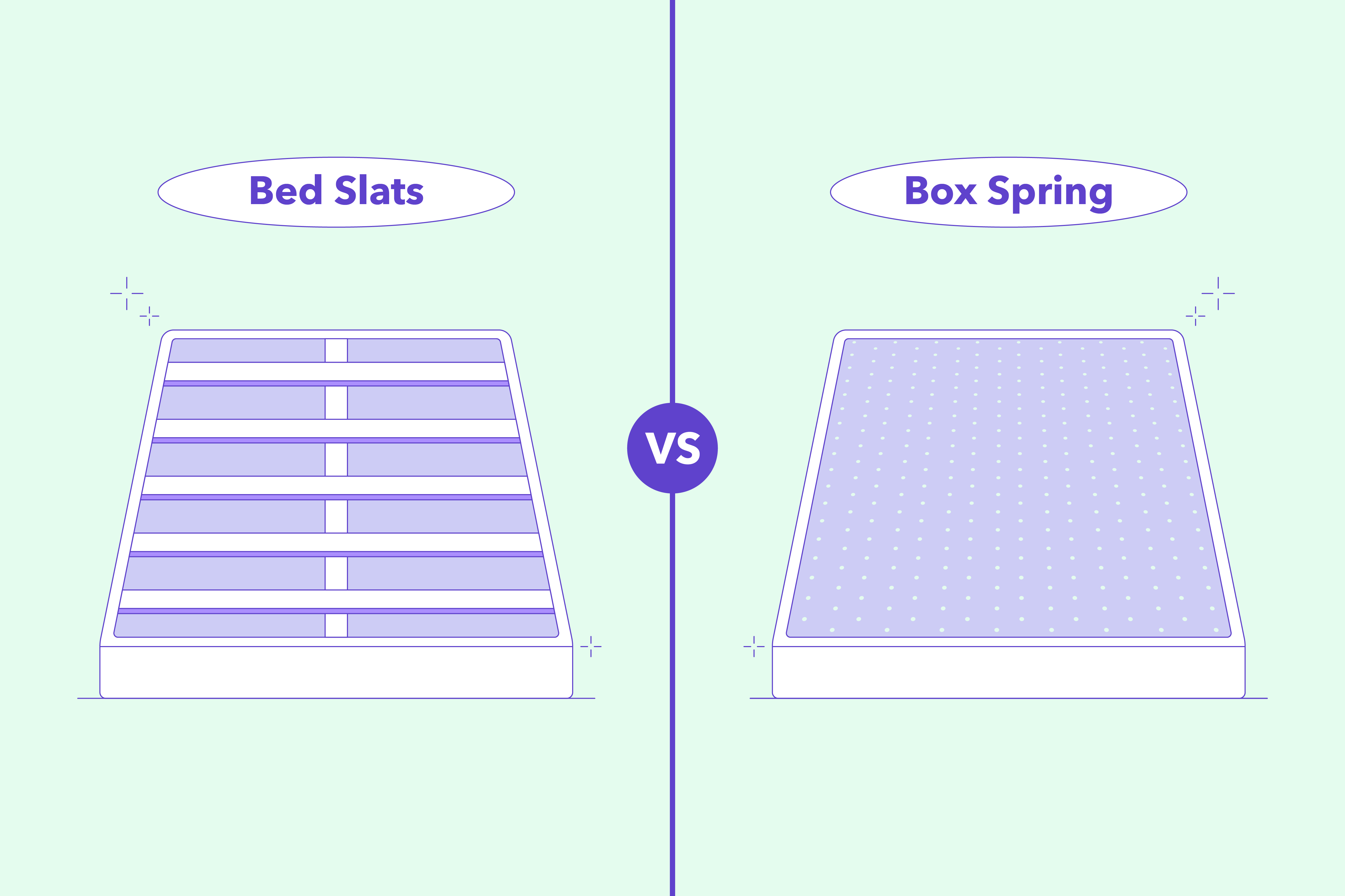
Platform beds eliminate box spring costs while providing ideal support for memory foam and latex mattresses. Their low profile (typically 12-18 inches total height) creates a grounded, serene aesthetic perfect for contemporary spaces. Look for slats spaced no more than 3 inches apart—critical for preventing foam mattress sagging. Opt for flexible birch slats over rigid ones; they absorb movement and reduce squeaking. Avoid platform beds with solid wood bases unless they have 1-inch ventilation gaps—trapped moisture accelerates mold growth under mattresses.
When Platform Beds Become Problematic
Platform frames fail with innerspring mattresses requiring bounce. If your mattress warranty specifies “box spring required,” using a platform voids coverage. Measure clearance under the frame before buying—if less than 10 inches, storage bins won’t fit. Tall sleepers (over 6′) often find platform beds too low for easy entry/exit; test the height by sitting on your current bed’s edge.
Space-Saving Storage Bed Frames for Small Rooms
Under-bed storage frames add 8-12 cubic feet of hidden space—equivalent to a nightstand per side. Drawers on full-extension glides (pulling out completely) maximize usable space versus shallow “false drawers.” Hydraulic lift mechanisms handle heavier loads (up to 200 lbs) but require 6 inches of clearance on all sides for operation. For tiny bedrooms, prioritize frames with vertical storage: headboards with cubbies or shelves keep essentials accessible without floor space.
Storage Frame Maintenance Mistakes
Never store heavy items (books, tools) in lift-top compartments—they strain hydraulic pistons. Use fabric bins for drawer contents to prevent scratching mechanisms. In humid climates, leave storage compartments open 1-2 days monthly to prevent musty odors. Avoid frames with storage requiring mattress removal; you’ll abandon the feature after the first use.
Mattress Support Systems: Avoiding Costly Mistakes
:max_bytes(150000):strip_icc()/platform-bed-vs-box-spring-5216570-5acea4bcf8f641d8a0c4e1a44e5ad321.png)
Your frame’s support system directly impacts mattress longevity. Solid platform bases (1-inch thick wood or metal sheets with ventilation holes) work exclusively for foam/latex mattresses but create uncomfortable pressure points on innersprings. Slatted bases require precise spacing: 2.5-inch gaps for memory foam, 3-inch for hybrids. Flexible slats should bow 1/2 inch under light pressure—they’ll flatten under mattress weight. Box springs only provide benefits with traditional innerspring mattresses; using them under foam creates harmful “hammocking.”
Diagnosing Support System Failures
Sagging concentrated in the center? Slats are too widely spaced. Random dips? Broken slats need replacement. If your mattress warranty requires specific support but the frame lacks documentation, demand written confirmation from the seller before purchasing. Never place a mattress directly on carpet—the lack of airflow voids most warranties within 6 months.
Navigating Bed Frame Assembly and Delivery Options
“Ready-to-assemble” (RTA) frames save 25-35% upfront but often require 2.5-4 hours of labor. Check if tools are included—many budget brands omit Allen wrenches. Look for color-coded hardware and pre-drilled holes; mismatched bolt sizes cause 68% of assembly failures. For heavy wooden frames, verify if the kit includes a step stool—reaching top corners safely prevents injury. “White glove” delivery (adding 15-20% to cost) includes debris removal and 30-minute setup checks; worth it for multi-piece headboards or mobility-limited buyers.
Assembly Red Flags to Heed
Frames requiring permanent modifications (drilling into walls) indicate poor design. If assembly instructions lack torque specifications for bolts, overtightening will strip threads. Avoid kits with more than 50 parts—each connection point is a future squeak source. Always assemble on a blanket; dragging heavy sections across floors causes irreversible finish damage.
Determining Optimal Bed Height and Storage Clearance
The ideal bed height lets your feet rest flat when seated on the edge (typically 20-23 inches from floor to mattress top). Test this by sitting on your current bed—if your knees form a 90-degree angle, match that height. For under-bed storage, measure from the floor to the frame’s lowest point: 12+ inches accommodates standard bins, while 8-10 inches fits flat storage cases. Tall sleepers need hydraulic lift mechanisms that clear 14+ inches when raised.
Height-Related Health Impacts
Beds under 18 inches strain hip flexors when exiting—problematic for seniors or arthritis sufferers. Over 24 inches creates dangerous fall risks (accounting for 12% of bedroom injuries). If using a box spring, factor in its 5-9 inch height when calculating total clearance. Always measure with your specific mattress—the same frame holds memory foam 1-2 inches lower than innersprings.
Final Bed Frame Buying Checklist: Ensure You Don’t Miss Anything
Run through this verification sequence before checkout to prevent costly returns:
✅ Warranty Alignment Test: Place your mattress warranty sheet beside the frame specs. Circle matching support requirements (slat spacing, weight limits). No match? Walk away.
✅ Mobility Stress Test: Have both sleepers sit on the edge simultaneously. If the frame shifts or creaks, it lacks reinforcement for your combined weight.
✅ Door Swing Clearance Check: Open all nearby doors with the taped mattress outline in place. If doors hit the frame, choose a lower-profile design.
✅ Mattress Entry Simulation: Measure hallways and staircases. Add 6 inches to the frame’s longest dimension—this is your minimum clearance for delivery.
✅ Longevity Inspection: For wood frames, shine a flashlight along joints to spot filler掩盖 cracks. For metal, check powder coating at stress points for thinning.
Choosing your bed frame shouldn’t feel like navigating a maze. By prioritizing support system compatibility with your mattress type, verifying precise spatial measurements, and scrutinizing construction details, you’ll secure a foundation that lasts 10+ years. Remember: the perfect frame disappears beneath you—providing silent, unwavering support night after night. Before finalizing, sleep on display models in-store for 5 minutes to test height comfort, and always photograph assembly instructions for future reference. Your ideal rest starts from the ground up.


