
Waking up with back pain only to discover dust bunnies nesting under your mattress? You’re not alone. Over 68% of people who skip bed frames report premature mattress sagging and unexplained allergy flare-ups within two years. That simple metal or wooden frame beneath your mattress isn’t just furniture—it’s your first line of defense against mold, pests, and chronic discomfort. When you elevate your sleep setup just 12 inches off the ground, you unlock dramatic improvements in health, space efficiency, and wallet protection that floor-sleeping simply can’t match.
Most mattress warranties void instantly when placed directly on flooring because trapped moisture warps internal coils and foams. Yet countless buyers treat bed frames as optional extras, not realizing they’re sacrificing 3-5 years of mattress life. By the end of this guide, you’ll see how the right frame turns your bedroom into a cleaner, safer, and more organized sanctuary—proving this often-overlooked purchase pays for itself through avoided costs and better sleep.
Why Your Mattress Needs Airflow (Not Floor Contact)
Placing your mattress directly on hardwood, tile, or carpet creates a moisture trap. Cold flooring causes condensation underneath your mattress—especially in basements or humid climates—leading to invisible mold colonies within 48 hours. Users report musty odors and allergy symptoms vanishing within days of elevating their mattress. Bed frames solve this by enabling 360-degree airflow, letting your mattress “breathe” like lungs. This isn’t just about comfort; it’s warranty protection. Manufacturers require minimum 3-inch clearance beneath mattresses, and floor contact often voids coverage when mold damage appears.
How to Spot Moisture Damage Before It’s Too Late
- Check for: Soggy spots or discoloration on the mattress underside
- Test airflow: Slide your hand between mattress and floor—if it feels damp or cold, elevate immediately
- Critical fix: Use bed risers (minimum 4 inches tall) if replacing your frame isn’t immediate
What Happens When Airflow Fails
Without proper elevation, foam layers compress prematurely from trapped humidity, creating permanent sagging. Springs rust when exposed to moisture, causing uncomfortable lumps. Dust mites thrive in damp environments—multiply your exposure by sleeping directly above their breeding ground. One user documented replacing a $1,200 mattress after just 3 years due to floor moisture; with a frame, it likely would have lasted 8+.
Floor-Level Pests vs. Elevated Protection

Crawling insects don’t need invitations—they’ll exploit any ground-level access. Bed frames create a critical barrier against bed bugs, ants, and cockroaches that naturally travel along baseboards. In pest-prone areas, this elevation is your frontline defense. Users in Florida and Texas report significantly fewer infestations after switching from floor beds to frames with legs. Crucially, frames make pest detection possible: you can spot early signs like shed skins or droppings during routine checks. Floor mattresses hide these warnings until infestations explode.
Bed Bug Detection Checklist for Frame Owners
- Inspect frame legs weekly with a flashlight for dark spots (fecal stains)
- Slide a credit card along slats to dislodge hidden bugs
- Place interceptors under each leg to trap climbing pests
Why Rodents Avoid Elevated Beds
In rural or older homes, rodents and snakes pose real risks. A bed frame’s height forces them to cross open territory to reach you—a natural deterrent. More importantly, it gives you clear sightlines to spot intruders. Floor beds let pests crawl directly under your sleeping area, making prevention nearly impossible. One user in Louisiana credits their 18-inch platform frame with preventing snake encounters common in her region.
Transform Under-Bed Space Into Functional Storage
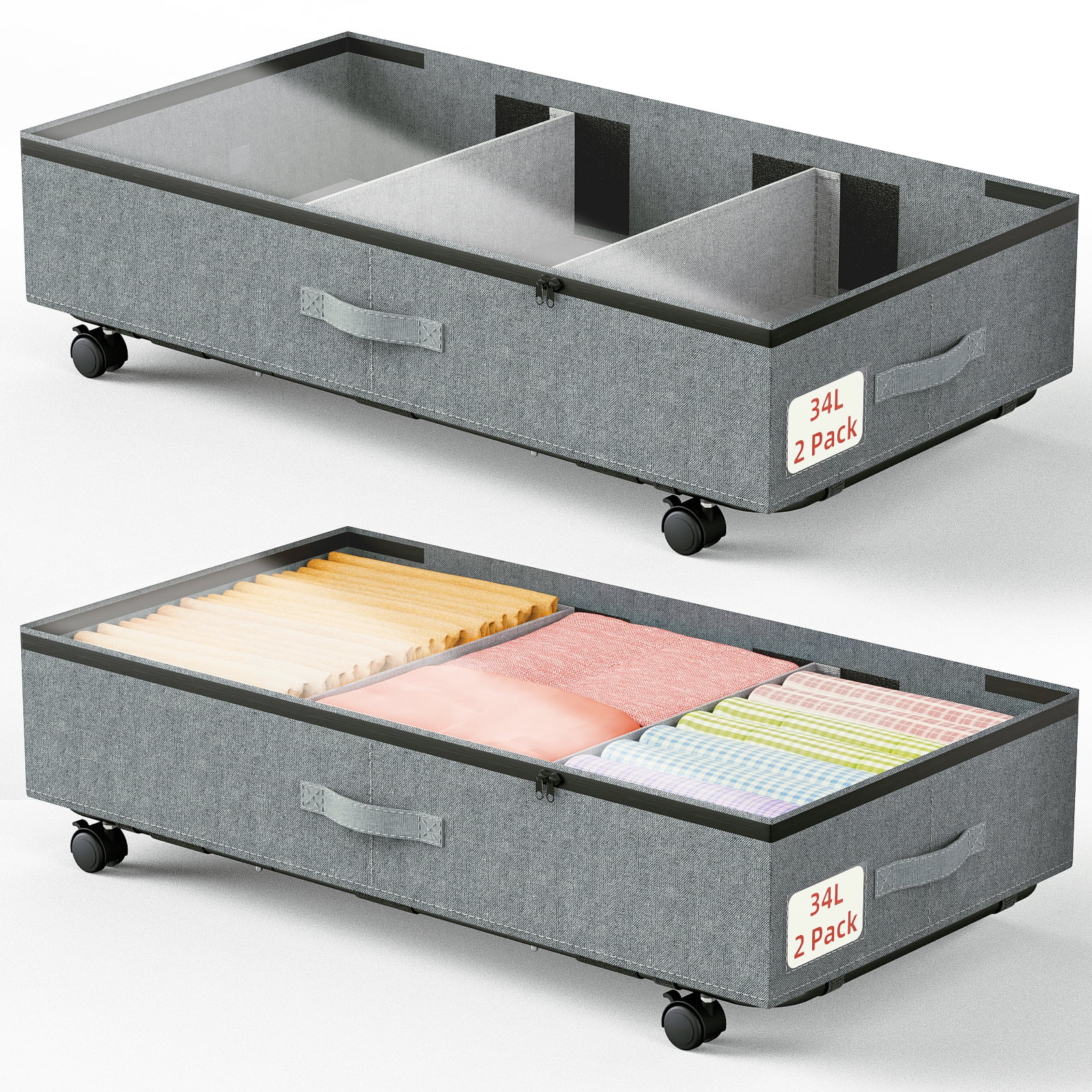
That 6-12 inch gap beneath your bed isn’t wasted real estate—it’s prime storage territory. Platform frames with 14+ inch clearance turn dead space into organized zones for seasonal items, luggage, or workout gear. In studio apartments under 500 square feet, this vertical storage can eliminate the need for a dresser. Users report storing up to 80% more by using slim rolling bins for off-season clothing and vacuum-sealed bags for bulky bedding.
Smart Storage Hacks for Tiny Bedrooms
- Rolling bins: Fit under low-profile frames (12-inch clearance) for shoes or accessories
- Vacuum bags: Store comforters and pillows flat under king/queen frames
- Label everything: Use clear bins with visible tags—no more crawling under bed to find items
- Pro tip: Add LED strip lights under the frame for instant visibility
Avoid These Storage Mistakes
Storing heavy items like books or tools directly on frame slats causes warping. Never exceed your frame’s weight limit (check manufacturer specs). Wooden frames absorb moisture from stored fabrics—add silica gel packs to bins in humid climates. And never store chemicals or sharp objects; leaks or punctures could damage your mattress.
The Ergonomic Secret to Pain-Free Mornings
Struggling to swing your legs out of bed? A properly elevated mattress (19-25 inches from floor) reduces hip and knee strain by 40% compared to floor-level sleeping. This isn’t just comfort—it’s joint preservation. For seniors or those with arthritis, the right height allows using leg muscles (not back strain) to stand. One physical therapist notes patients with chronic back pain improved mobility within weeks of raising their bed height.
Finding Your Ideal Bed Height
- Under 5’5″: 19-21 inch height for easy foot contact
- Over 6 feet: 22-25 inch height to prevent shoulder hunching
- Mobility aids: Match height to walker or wheelchair seat level
- Test it: Sit on your current bed—if feet dangle, you need higher elevation
Why Low Beds Worsen Morning Stiffness
Floor mattresses force you to “push up” from extreme hip flexion, compressing spinal discs. This strains lower back ligaments daily. Elevating just 8 inches changes the biomechanics, letting you pivot at the hips using leg strength. Users with sciatica often cite bed height adjustments as critical to pain management.
How Bed Frames Save You $500+ Over Time
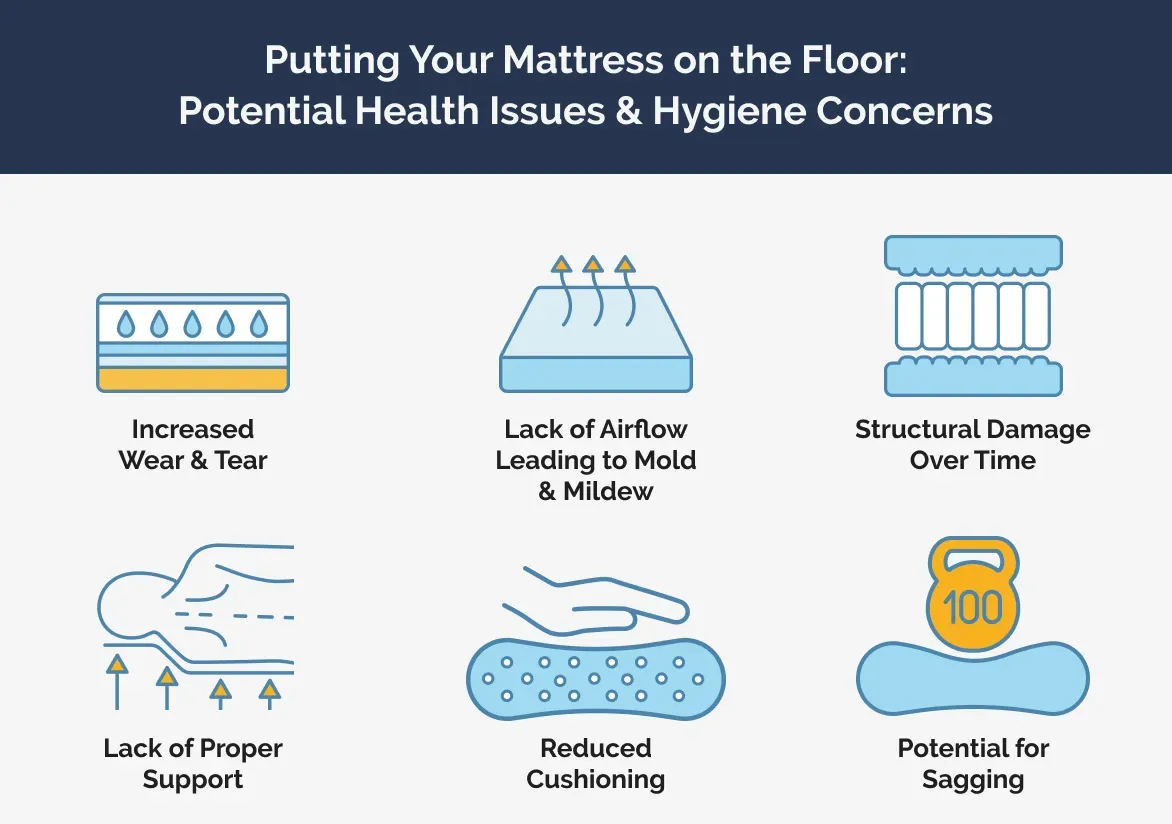
Think frames are expensive? Skipping one costs far more. Mattresses last 2-5 years longer with proper airflow—delaying $800+ replacements. You’ll also avoid mold remediation ($500+) and pest control ($300+) bills common with floor beds. Even basic metal frames ($70) pay for themselves in year one. Budget buyers succeed with thrifted frames or DIY pallet builds, but never skip elevation.
Real Cost Comparison: Frame vs. Floor Bed
| Expense | With Frame (10-year span) | Floor Bed (5-year span) |
|---|---|---|
| Mattress replacement | $1,000 | $2,000 |
| Mold remediation | $0 | $600 |
| Pest control | $0 | $400 |
| Total | $1,000 | $3,000 |
Budget-Friendly Frame Strategies
- Thrift stores: Solid wood frames for $20-$50 (inspect for sturdiness)
- IKEA basic: Metal platform frames under $100 with 500lb capacity
- DIY hack: Cinder blocks + plywood platform (ideal for apartments)
- Warning: Avoid wobbly frames—test weight capacity before buying
Choosing a Frame That Actually Works
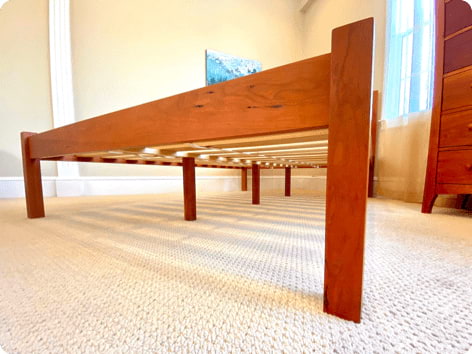
Not all frames deliver benefits. Flimsy slats spaced over 3 inches apart cause uneven support and premature sagging. Prioritize these non-negotiables: center support legs for queen/king sizes, hardwood or steel construction, and 12-18 inch clearance. Platform frames eliminate box springs (saving $150+), while metal options deter pests better than wood.
Must-Check Features Before Buying
- Leg thickness: Minimum 1.5-inch diameter for stability
- Slats: 2.5 inches apart max; solid wood or reinforced plastic
- Center beam: Required for beds over full size
- Weight test: Sit on frame corners before assembly—no flexing
What to Avoid
Skip frames with thin metal tubing that dents easily. Avoid “no-sag” kits as cheap fixes—they fail within months. Never use a frame without legs (like low-profile platforms) in basements or humid rooms. And always measure your room: leave 24+ inches on all sides for airflow and access.
The Final Sleep Upgrade You’re Missing
Your bed frame isn’t furniture—it’s a health tool, storage solution, and financial safeguard rolled into one. By elevating your mattress just 12 inches, you slash mold risks, block pests, ease morning aches, and unlock hidden storage. Most importantly, you protect your $1,000+ mattress investment for years longer than floor sleeping allows.
Start tonight: slide your hand under your mattress. If it feels cool or damp, elevate immediately with risers. Within weeks, you’ll notice fewer allergy symptoms, easier movement, and a bedroom that finally feels organized. For under $100, a basic frame delivers returns that compound for a decade—proving the best sleep upgrades often hide in plain sight beneath your bed.
Next step: Measure your current bed height against the 19-25 inch ideal range. If you’re below 18 inches, prioritize a frame upgrade this month—your back and wallet will thank you.


