
Your brass bed frame was once the gleaming centerpiece of your bedroom, but now it’s dull and covered in stubborn tarnish that no ordinary dusting can fix. That warm, golden glow that made your bedroom feel luxurious has faded under layers of grime and oxidation. Cleaning a brass bed frame requires specific techniques depending on whether it has a protective lacquer or natural finish—use the wrong method, and you could permanently damage this investment piece. In this guide, you’ll discover exactly how to identify your brass bed frame’s finish, select the safest cleaning approach, and restore that showroom shine without risking scratches or chemical damage.
Most homeowners make the critical mistake of treating all brass the same, not realizing that lacquered and unlacquered brass demand completely different care routines. The wrong cleaner can strip protective coatings or accelerate tarnishing, turning a simple cleaning task into an expensive restoration project. Whether your brass bed frame is a cherished antique or a modern statement piece, this comprehensive guide provides step-by-step instructions tailored to your specific finish type. You’ll learn how to safely remove years of tarnish using household items you already own, plus professional techniques for maintaining that brilliant luster long after cleaning.
Identify Your Brass Bed Frame’s Finish Before Cleaning

Your first critical step determines everything that follows—mishandle this identification process, and you risk ruining your bed frame’s finish. Run your fingers along an inconspicuous area like the underside of a bed rail; lacquered brass feels completely smooth and sealed, while unlacquered brass has a slightly porous texture. Check for manufacturer labels or paperwork that might indicate the finish type, as many modern brass bed frames come pre-lacquered to prevent tarnishing.
How to Test for Lacquer Without Causing Damage
Perform this simple test on a hidden area: dip a cotton swab in acetone (nail polish remover without oils) and gently rub a small spot. If the swab shows yellow residue, your brass is unlacquered; if it remains clean, you have a lacquered finish. Never skip this step—using abrasive cleaners on lacquered brass strips the protective coating, leaving it vulnerable to rapid tarnishing that requires professional refinishing.
Why Finish Identification Prevents Costly Mistakes
Lacquered brass bed frames need gentle surface cleaning only, as harsh polishes eat through the clear protective layer. Unlacquered brass requires regular polishing to maintain shine since it naturally tarnishes when exposed to air. Mistaking one for the other leads to either ineffective cleaning (using only dusting on unlacquered brass) or irreversible damage (applying metal polish to lacquered surfaces). This single identification step saves hundreds in potential restoration costs.
Gather These Essential Cleaning Supplies for Brass Bed Frames

Before touching your brass bed frame, assemble these specific tools that won’t scratch or damage the delicate surface. Professional conservators recommend using only microfiber cloths or 100% cotton T-shirts cut into squares—never paper towels which contain wood fibers that create micro-scratches. A soft-bristled toothbrush (new and unused) proves indispensable for cleaning intricate scrollwork and crevices where tarnish accumulates.
Must-Have Cleaning Solutions for Different Brass Finishes
For lacquered brass frames: mild dish soap (like Seventh Generation Free & Clear), distilled water, and a second dry microfiber cloth. For unlacquered brass: white vinegar, lemon juice, table salt, and flour for homemade polishing paste. Safety note: Wear nitrile gloves during cleaning to prevent skin oils from accelerating tarnish and work in a well-ventilated area, especially when using vinegar solutions.
Tools That Prevent Accidental Damage
Keep a magnifying glass handy to inspect hard-to-see areas for damage before cleaning. Use painter’s tape to mark cleaned sections on large bed frames so you maintain consistent pressure and coverage. Most importantly, have multiple clean cloths ready—never reuse a cloth that’s picked up tarnish particles, as this spreads contamination and creates swirl marks across the surface.
Clean Lacquered Brass Bed Frames Without Stripping the Finish
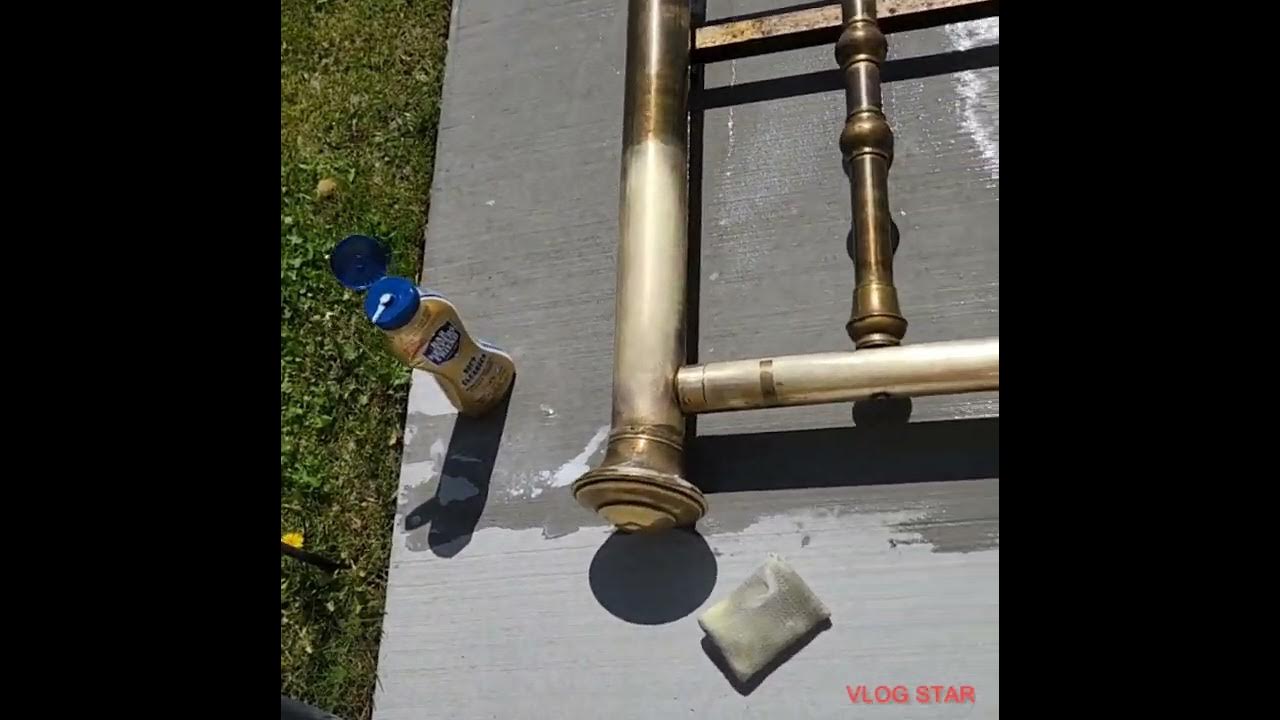
Lacquered brass bed frames require the gentlest approach since aggressive cleaning strips the protective coating. Start by removing loose dust with a dry microfiber cloth, using light pressure and following the metal’s grain direction—typically vertical on bed posts and horizontal on rails. Never spray cleaners directly onto lacquered brass as liquid can seep under the coating at microscopic edges, causing bubbling and peeling.
Step-by-Step Lacquered Brass Cleaning Process
- Mix 2 drops of mild dish soap in 1 cup of distilled water (tap water leaves mineral spots)
- Dampen one corner of your microfiber cloth in the solution, then wring until almost dry
- Wipe a small section using downward strokes on vertical surfaces, horizontal on rails
- Immediately follow with a second dry cloth to prevent water spotting
- Work section by section, never letting cleaning solution dry on the surface
Troubleshooting Common Lacquered Brass Problems
If you notice cloudy spots after cleaning, they indicate water trapped under compromised lacquer—address this immediately by drying thoroughly with a hairdryer on cool setting. For stubborn fingerprints, dampen a cotton swab with rubbing alcohol and gently roll over the spot, then dry. Never use commercial brass cleaners on lacquered surfaces as their abrasives create permanent haze by micro-scratching the finish.
Deep Clean Unlacquered Brass Bed Frames With Natural Solutions
Unlacquered brass bed frames develop beautiful patina but require more intensive cleaning to restore shine. Begin with a soap-and-water wash to remove surface grime before tackling tarnish—this prevents embedding dirt into the metal during polishing. For moderate tarnish, the lemon-salt method works wonders: cut a lemon in half, dip the cut side in salt, then gently rub tarnished areas following the brass grain. The citric acid dissolves oxidation while salt provides gentle abrasion.
Three Proven Homemade Brass Polishes for Heavy Tarnish
Vinegar-Salt-Flour Paste: Mix 1/4 cup vinegar, 1 tsp salt, and enough flour to form a spreadable paste. Apply with cloth, let sit 5 minutes, then rinse thoroughly. Lemon Juice Alternative: Substitute vinegar with equal parts lemon juice for a gentler option on delicate finishes. Ketchup Shortcut: The vinegar and tomato acids in ketchup break down tarnish—apply, wait 10 minutes, then wipe clean. Critical: Always rinse completely with distilled water and dry immediately to prevent new tarnish formation.
When to Consider Commercial Brass Cleaners
For extremely heavy tarnish or neglected antique brass bed frames, professional conservators sometimes recommend commercial cleaners like Brasso as a last resort. Apply a pea-sized amount to a soft cloth (never directly to brass), rub in small circles for 30 seconds max, then immediately wipe clean with a damp cloth followed by thorough drying. Warning: These contain harsh chemicals that accelerate future tarnishing—use only when natural methods fail and always reapply protective wax afterward.
Dry and Protect Your Brass Bed Frame After Cleaning
The drying phase makes or breaks your cleaning results—water spots form within minutes on improperly dried brass. Use a second clean microfiber cloth to buff the surface immediately after rinsing, applying light pressure in the direction of the metal grain. For intricate bed frames, use a soft toothbrush to remove moisture from crevices before final buffing. This step prevents “water spotting”—mineral deposits that etch into brass if left to air dry.
Long-Term Protection Methods by Finish Type
For lacquered brass: apply a thin coat of furniture wax every 6 months to enhance protection. For unlacquered brass: rub a tiny amount of mineral oil or brass-specific paste wax onto the surface using a soft cloth, then buff lightly. This creates an invisible barrier against moisture and skin oils that cause tarnishing. Pro tip: Place felt pads under decorative objects on your bed frame to prevent localized tarnish rings from trapped moisture.
Prevent Future Tarnish With Smart Maintenance Habits
Establish a simple weekly routine that keeps your brass bed frame gleaming with minimal effort. Dust with a dry microfiber cloth every 7-10 days using downward strokes on vertical surfaces—this removes skin oils and airborne particles before they bond with the metal. Keep brass bed frames away from direct sunlight and heating vents, as UV rays and temperature fluctuations accelerate oxidation.
Seasonal Deep Cleaning Schedule
Every 3 months: Perform a gentle soap-and-water cleaning on lacquered frames or light polishing on unlacquered brass. Every 6 months: Reapply protective wax to unlacquered brass. Annually: Inspect for any finish damage or hard-to-reach tarnish buildup. Critical mistake to avoid: Never use glass cleaners or all-purpose sprays—they contain ammonia that reacts with brass to create permanent dark stains.
Emergency Tarnish Prevention After Accidental Exposure
If your brass bed frame gets wet from spills or high humidity, dry it immediately with a soft cloth followed by a gentle buffing. For areas touched frequently (like bed posts), apply a thin layer of clear nail polish as a temporary barrier—this creates a sacrificial layer that you can remove and reapply during regular cleaning. Always test protection methods on hidden areas first to ensure compatibility with your specific brass alloy.
What Absolutely Never to Do When Cleaning Brass Bed Frames
Avoid these common mistakes that cause irreversible damage to brass bed frames. Never use steel wool, scouring pads, or abrasive cleaners—even “gentle” ones like baking soda can scratch brass when used improperly. Don’t soak brass components or allow cleaners to pool in joints, as moisture penetration causes internal corrosion. Most importantly, never mix cleaning chemicals—combining vinegar and ammonia creates toxic fumes while vinegar and bleach produces chlorine gas.
Recognizing and Fixing Common Cleaning Disasters
If you accidentally strip lacquer, stop cleaning immediately and contact a professional metal restorer—DIY recoating often creates uneven finishes. For dark spots from chemical damage, try gently rubbing with undiluted olive oil for 24 hours, then wiping clean. When in doubt about damage severity, take close-up photos in natural light and consult a conservator before attempting further cleaning—most “ruined” brass can be restored by professionals.
Your brass bed frame represents both a functional piece and a design statement worth preserving correctly. By identifying your finish type first, using appropriate cleaning methods, and establishing simple maintenance habits, you’ll keep that warm golden glow shining for decades. Remember that consistent gentle care beats infrequent aggressive cleaning—most brass bed frames only need thorough polishing once or twice a year when properly maintained. Start with a simple weekly dusting routine today, and your brass bed will remain the stunning focal point of your bedroom without constant restoration work.


