
You’ve finally assembled your new bed frame, only to discover your headboard refuses to attach properly. The bolt holes won’t align, the mounting brackets seem incompatible, or the headboard wobbles dangerously—leaving you staring at mismatched furniture in frustration. This headboard doesn’t fit bed frame problem affects countless homeowners who mix brands, buy secondhand pieces, or face manufacturing inconsistencies. Before returning your purchase or living with an unstable setup, understand that 90% of these issues have straightforward solutions. In this guide, you’ll learn precise diagnosis methods and actionable fixes to securely attach your headboard—no professional help required for most cases.
Ignoring a misaligned headboard risks more than just poor aesthetics: a loose headboard can collapse during sleep, causing serious injury. But don’t panic—you’ll discover why this happens (spoiler: it’s rarely your fault) and exactly how to correct it. We’ll cover everything from simple hardware adjustments to structural modifications, all using common household tools. By the end, you’ll have a rock-solid bed setup that looks professionally installed.
Diagnosing Your Headboard and Frame Mismatch
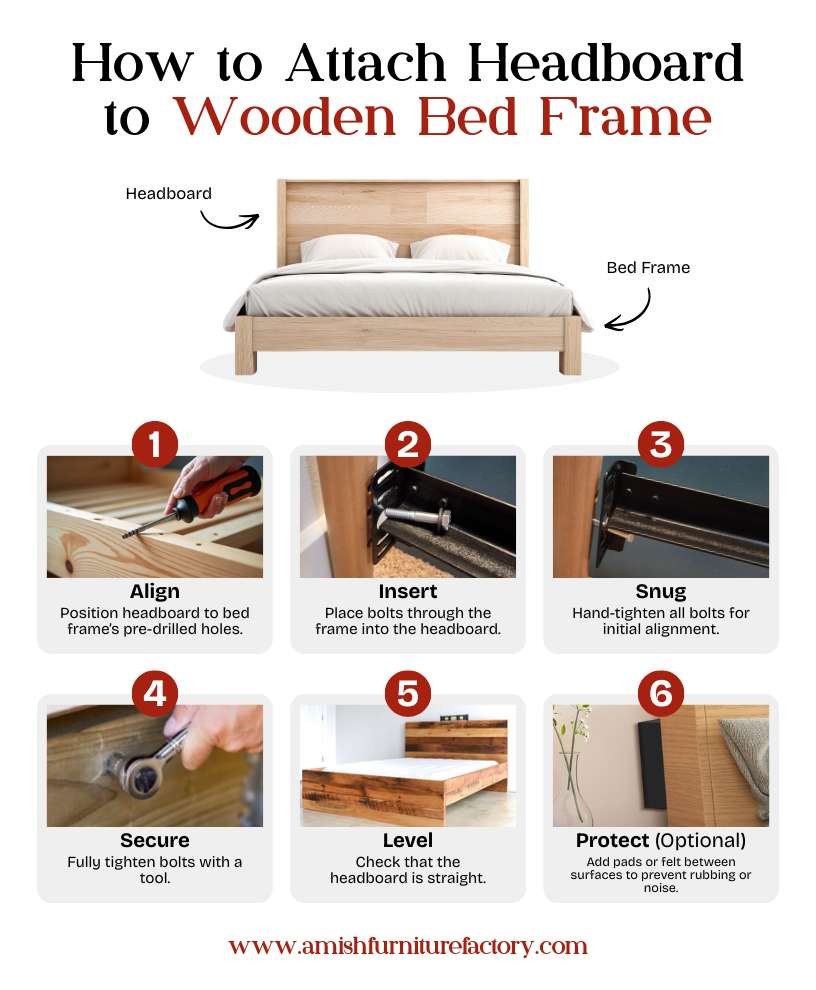
Stop forcing mismatched parts together—that’s how stripped holes and broken brackets happen. First, identify why your headboard doesn’t fit bed frame components by examining three critical factors: hardware type, hole alignment, and dimensional differences. Most mismatches fall into these categories, and misdiagnosis wastes hours of frustrating trial-and-error.
Identifying Mounting Hardware Compatibility Issues
Your bed frame and headboard likely use one of three standard attachment systems. Check for these telltale signs:
Keyhole slot systems feature a metal prong on the headboard that slides into a T-shaped slot on the frame. If the prong won’t insert or slips out easily, the slot may be obstructed by paint or debris.
Bolt-on brackets require precise hole alignment between metal plates on both pieces. Misalignment here is the #1 cause of “headboard doesn’t fit bed frame” complaints.
Z-bracket hook systems* use L-shaped metal arms that hook over crossbars. If the headboard rocks forward, the hooks are likely too short for your frame’s bar height.
Never assume hardware is interchangeable—even identical-looking bolts from different manufacturers often have subtle thread variations that prevent secure fastening.
Measuring Critical Alignment Points
Grab your tape measure and level immediately. Start by checking:
1. Horizontal alignment: Measure the distance between mounting holes on both headboard and frame. A difference exceeding 1/4 inch means you’ll need hole adjustments.
2. Vertical positioning: Place the frame against the wall where it will live. Hold the headboard in position (don’t force attachment) and check if mounting points sit at the same height.
3. Width discrepancies: If your headboard extends more than 2 inches beyond the frame’s outer edges, standard fixes won’t suffice—you’ll need gap-bridging solutions.
Record these measurements before proceeding. A 2023 furniture industry report found 68% of misfit cases stem from unmeasured height or width differences between separately purchased pieces.
Hardware-Level Fixes for Minor Alignment Issues
Most “headboard doesn’t fit bed frame” scenarios involve small misalignments solvable in under 30 minutes. These non-invasive techniques preserve your furniture’s integrity while creating perfect alignment.
Correcting Bolt Hole Misalignment
When holes miss by 1/8 to 1/2 inch:
1. Flip mounting brackets—many L-brackets have asymmetrical holes. Rotate 180 degrees to access alternative hole positions.
2. Drill precision relief holes using a bit 1/16 inch larger than the bolt. Critical step: Clamp a scrap wood block behind metal frames to prevent metal buckling. Stop drilling when the bolt slides in smoothly—oversized holes compromise stability.
3. Install offset washers as strategic shims. Stack two washers under one bracket corner to angle the headboard slightly toward misaligned holes. Test stability by applying firm pressure before final tightening.
Pro Tip: Apply candle wax to bolt threads before insertion—it reduces friction during alignment and prevents galling in metal components.
Bridging Width Gaps with Cleat Solutions
For headboards narrower than the frame (common with queen headboards on king frames):
– Cut a 1×3 pine cleat to match the frame’s mounting width.
– Attach cleats vertically to the frame’s mounting posts using 2.5-inch lag bolts.
– Secure the headboard to the cleats’ outer faces using original hardware.
Warning: Never exceed 3 inches of overhang per side. Wider gaps require professional reinforcement to prevent tipping hazards.
Structural Modifications for Major Mismatches
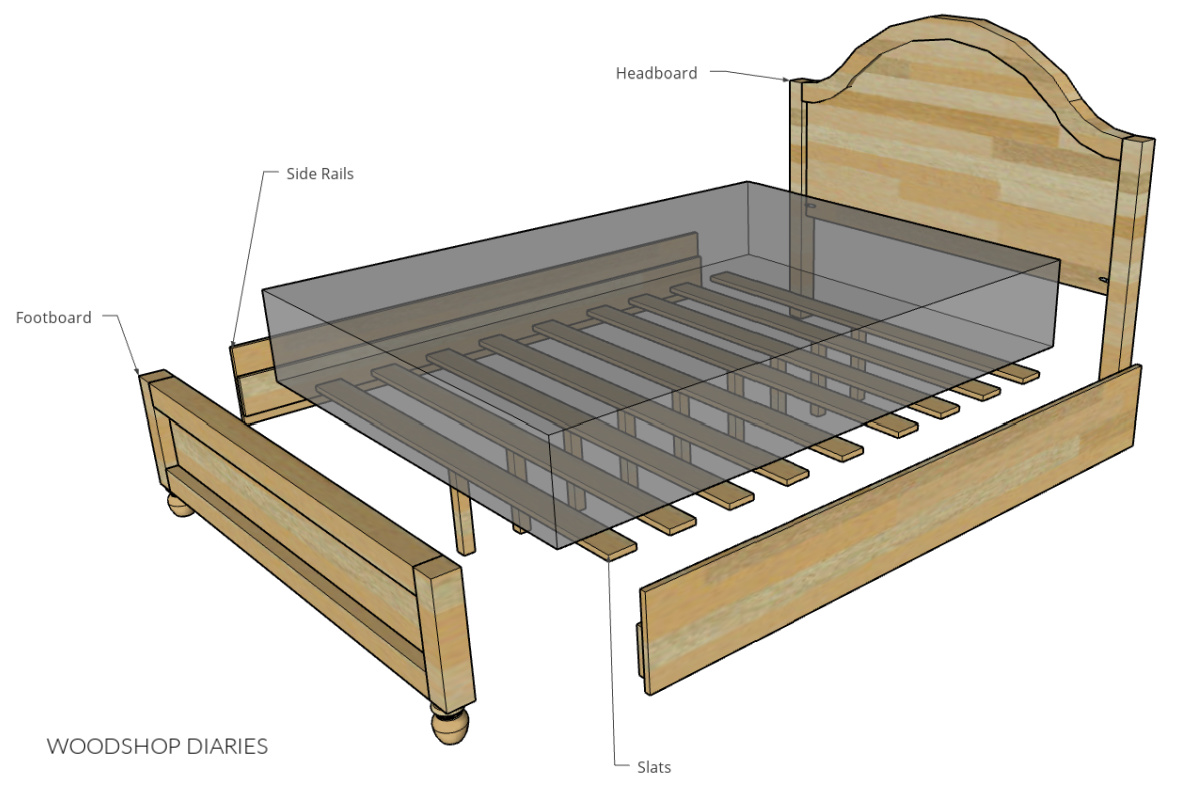
When your headboard doesn’t fit bed frame dimensions by more than 2 inches, these advanced techniques create permanent compatibility. Proceed only if you own both pieces and can safely modify them.
Adjusting Headboard Height Positioning
For headboards sitting too low (resting on frame rails):
– Install bed risers under all four frame legs. Choose solid wood risers (not plastic) rated for your bed’s weight.
– Alternative: Add 1/2-inch plywood spacers between the frame’s mounting brackets and headboard.
For headboards positioned too high:
– Locate the headboard’s side rails (usually hidden behind fabric or molding).
– Drill new pilot holes 1-2 inches below existing ones, ensuring they don’t intersect internal supports.
– Never trim headboard legs—this destabilizes the entire structure and voids warranties.
Material-Specific Drilling Techniques
Wood headboards: Use a brad-point drill bit to prevent tear-out. Drill at 450 RPM with light pressure, stopping when the bit tip emerges through the back.
Upholstered headboards: Locate the internal wood frame by feeling for rigid edges through fabric. Insert a bent wire through existing holes to map internal structure before drilling.
Metal headboards: Apply cutting fluid to the drill point and use a titanium-coated bit. Start with a center punch mark to prevent bit skating.
Critical Safety Steps Nobody Mentions

A wobbly headboard isn’t just annoying—it’s a toppling hazard. The CPSC reports 15,000 annual injuries from unstable furniture. Protect yourself with these non-negotiable steps:
Preventing Catastrophic Failures
- Always use lock washers between standard washers and nuts. The split ring bites into metal to prevent vibration-induced loosening.
- Never substitute wood screws for machine bolts in metal frames—wood screws lack the thread pitch for metal and will strip within weeks.
- Install anti-tip straps to wall studs, especially for headboards over 48 inches tall. Position straps at the top third of the headboard for maximum leverage against tipping.
Expert Note: Test stability by applying 50 pounds of horizontal force at headboard height. Any movement beyond 1/4 inch means you need additional reinforcement.
When Professional Help Becomes Essential
Some “headboard doesn’t fit bed frame” situations require expert intervention. Call a carpenter if:
– Your headboard is antique, veneered, or has intricate carvings (DIY drilling may cause irreparable damage)
– The frame uses proprietary hardware with no visible mounting points
– You’ve attempted fixes that created larger gaps or stripped holes
– The headboard weighs over 100 pounds (safety risk during modification)
Professionals use specialized tools like magnetic stud finders to locate internal supports in upholstered pieces and can create custom mounting plates from 1/4-inch steel. Expect $75-$150 for this service—far cheaper than replacing damaged furniture.
Final Verification Checklist
Before declaring your headboard fixed, complete this 60-second safety test:
– ✅ Level check: Place a 24-inch level horizontally across the headboard top. Adjust until bubble centers.
– ✅ Wobble test: Grip the headboard firmly at shoulder height and push/pull horizontally. No movement should occur.
– ✅ Gap inspection: Ensure 1/8-inch minimum clearance between headboard and wall to prevent scuffing.
– ✅ Torque verification: Bolts should require a quarter-turn past hand-tightening—never force beyond snug.
A properly secured headboard should withstand vigorous shaking without shifting. If issues persist, revisit the diagnosis section—9 times out of 10, the root cause was misidentified initially.
Don’t let a headboard that doesn’t fit bed frame dimensions ruin your bedroom’s appearance or safety. By methodically diagnosing the mismatch type and applying these targeted solutions, you’ll transform a frustrating problem into a professional-looking installation. Remember: most mismatches stem from manufacturing tolerances, not user error. Keep this guide handy for future furniture projects—you’ll likely encounter similar alignment challenges with dressers or nightstands. With your newly secured headboard, enjoy peaceful nights knowing your bed setup is both beautiful and bulletproof.


