
Waking up with stiff joints, neck pain, or acid reflux could mean your flat mattress is working against your body’s natural needs. More than 50 million Americans suffer from chronic back pain alone, yet few realize their sleeping position significantly impacts this daily discomfort. An adjustable bed frame benefits extend far beyond simple convenience—it actively supports your body’s physiological requirements while you rest. By elevating specific body parts to optimize alignment and circulation, these innovative bases address common sleep disruptors that traditional flat beds can’t solve. You’ll discover how minor positional changes can dramatically reduce pain, improve breathing, and transform restless nights into truly restorative sleep—proving that sometimes, the right angle makes all the difference for your health.
Stop Waking Up With Morning Back Pain Today
Traditional flat mattresses force your spine into unnatural alignment that strains muscles and joints throughout the night. When you elevate your upper body 15-30 degrees on an adjustable frame, you take pressure off lumbar discs while maintaining natural spinal curvature. This simple adjustment redistributes weight away from sensitive pressure points that cause morning stiffness.
How to Find Your Perfect Pain-Relief Position
Your ideal angle depends on your primary sleep position and specific pain points:
- Back sleepers with lower back pain: Elevate head 15-20 degrees while raising knees 5-10 degrees to maintain lumbar support
- Side sleepers with shoulder pain: Slightly elevate upper body (10-15 degrees) to reduce shoulder compression
- Stomach sleepers (not recommended): Transition to back sleeping with 5-10 degree elevation to reduce neck strain
Pro tip: Start with minimal elevation and gradually increase over several nights. Your body needs 3-5 days to adjust to new sleeping positions before experiencing maximum pain relief.
Why Flat Sleeping Worsens Disc Compression
When lying flat, gravity pulls your spine downward, increasing pressure between vertebrae by up to 250%. This compression narrows nerve pathways and reduces blood flow to spinal tissues—directly contributing to that familiar morning ache. Adjustable frames counteract this by creating a gentle slope that decompresses discs while supporting natural alignment.
End Snoring and Sleep Apnea Without Mask Dependency

Over 90 million Americans experience snoring, with 20 million suffering from obstructive sleep apnea. Simply elevating your head 30-45 degrees opens upper airways by preventing tongue and soft tissue collapse in the throat. This mechanical solution works immediately without requiring uncomfortable masks or invasive procedures.
The 30-Degree Rule for Clearer Breathing
Research shows elevating your head at least 30 degrees significantly reduces airway obstruction:
- Mild snoring: 30-degree elevation typically stops vibration of soft palate
- Moderate sleep apnea: Combine head elevation with knee support for optimal airway opening
- Severe cases: Use adjustable positioning alongside medical treatment for complementary relief
Warning: Don’t just stack pillows—they compress under your weight, losing elevation and creating neck misalignment. Only a true adjustable base maintains consistent therapeutic positioning all night.
Eliminate Nighttime Acid Reflux With Strategic Elevation
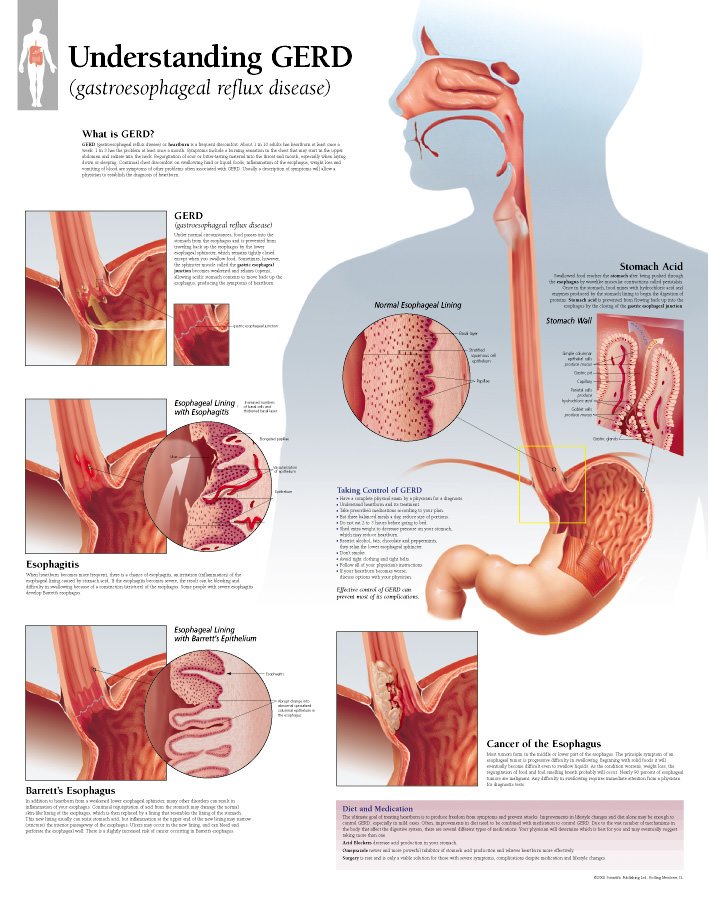
If you’ve ever experienced that burning sensation creeping up your throat after lying down, you know traditional flat sleeping aggravates GERD. Elevating your upper body 6-8 inches uses gravity to keep stomach acid where it belongs—below your esophagus. This simple positional therapy reduces reflux episodes by up to 70% according to clinical studies.
Finding Your Reflux Relief Sweet Spot
Your ideal elevation depends on your specific symptoms:
- Occasional heartburn: 30-45 degree head elevation
- Chronic GERD: 45-60 degree elevation with slight knee bend to prevent sliding
- Laryngopharyngeal reflux (silent reflux): Higher elevation (60 degrees) for first 2-3 nights
Pro tip: Wait 3-4 hours after eating before lying down, even with elevation. Combine positional therapy with dietary changes for maximum effectiveness.
Improve Circulation While You Sleep: The Leg Elevation Secret
Swollen ankles, restless legs, and varicose veins often worsen at night due to poor circulation. Elevating your legs 6-12 inches above heart level reverses venous pressure, allowing blood to flow back to your heart without fighting gravity. This simple adjustment reduces swelling by up to 40% and prevents that heavy, achy feeling in your legs.
The Zero Gravity Position: NASA-Engineered Recovery
NASA discovered astronauts experienced less physical stress in space when their bodies were positioned with legs slightly elevated above the heart. Replicating this “zero gravity” position (head elevated 15 degrees, legs elevated 12 degrees) distributes body weight evenly while optimizing circulation:
- Reduces pressure on spine by 27%
- Decreases heart workload by 12%
- Improves oxygen saturation by 5-8%
Time-saving shortcut: Program your adjustable base with a single-button zero gravity preset for instant transition from sleeping to recovery position.
Transform Bedtime Into Independent Living Support
For seniors or those with limited mobility, the simple act of getting in and out of bed can cause daily pain and fear of falling. Adjustable frames with sit-assist functionality lift you to a near-seated position, reducing strain on hips and knees by up to 60%. This feature maintains independence while significantly lowering fall risk—especially critical during nighttime bathroom trips.
Safe Transfers Without Caregiver Assistance
Follow this safe transfer sequence:
- Press sit-assist button to elevate upper body to 70-degree angle
- Swing legs over side of bed while maintaining back support
- Use bed frame’s handgrips (if available) to push up from seated position
- Stand slowly while frame remains partially elevated for balance support
Critical safety note: Always ensure the floor is clear before attempting transfers. Keep a non-slip mat beside your bed for immediate footing.
Enhance Daily Activities Beyond Sleep Hours
Your bed shouldn’t just support sleep—it should enhance your entire bedtime routine. Adjustable frames turn your bedroom into a multipurpose space where you can comfortably read, work, or watch television without straining your neck or back.
Create Your Perfect Entertainment Position
- Reading position: Head elevated 45 degrees, knees slightly bent for lumbar support
- TV watching: Head elevated 30 degrees, feet elevated 10 degrees to prevent swelling
- Working from bed: Head elevated 20 degrees with laptop on adjustable tray at eye level
Pro tip: Many modern bases include USB ports and under-bed lighting—features that transform your bed into a functional workspace without compromising spinal health.
Accelerate Post-Surgery Recovery With Precision Positioning
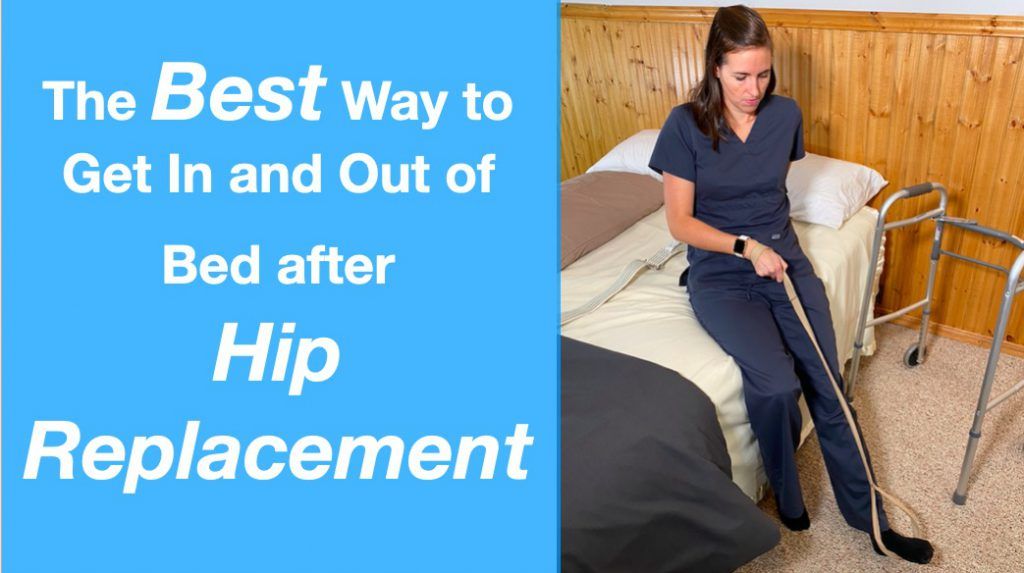
After hip, knee, or back surgery, finding a comfortable sleeping position feels impossible on traditional mattresses. Adjustable frames allow precise positioning that reduces swelling, prevents strain on surgical sites, and promotes optimal blood flow to healing tissues.
Positioning Guidelines for Common Surgeries
- Hip replacement: Keep operated leg elevated above heart level with abduction pillow
- Knee surgery: Elevate entire leg 6-8 inches with slight bend at knee
- Spinal surgery: Sleep in zero gravity position to minimize disc pressure
Expert note: Consult your surgeon before using an adjustable base post-operation. Some procedures require specific positional restrictions during initial healing phases.
Who Actually Needs an Adjustable Bed Frame Most?
While anyone can enjoy enhanced comfort, these groups experience life-changing benefits:
- Chronic pain sufferers: 78% report significant reduction in back pain within two weeks
- GERD patients: 65% eliminate nighttime heartburn with proper elevation
- Seniors with mobility issues: 92% maintain independence longer with sit-assist functionality
- Pregnant women: Leg elevation reduces swelling while upper body tilt improves breathing
Reality check: If you regularly use three or more pillows to address pain or breathing issues, an adjustable frame will provide more consistent, effective support.
Making the Investment: Long-Term Value Beyond Initial Cost
Quality adjustable bases range from $800-$3,000, but consider these long-term savings:
- Eliminates need for expensive wedge pillows ($50-$150) that lose shape
- Reduces pain medication costs for chronic conditions
- Extends mattress lifespan by distributing wear evenly
- Prevents costly falls among seniors (average fall treatment: $14,000)
Smart shopping tip: Look for bases with at least 15-year motor warranties and dual controls for split-king setups. The best models operate at under 45 decibels—quieter than a whisper.
Your sleep surface should actively support your health, not work against it. The adjustable bed frame benefits revealed here demonstrate how strategic positioning addresses specific physiological needs that flat mattresses can’t solve. From reducing chronic pain to improving circulation and supporting independence, these frames transform passive rest into active recovery. Whether you’re struggling with specific health issues or simply seeking better quality rest, the right positional support could be the missing element in your sleep wellness routine. Start tonight by experimenting with elevation—your body will thank you tomorrow morning.


