
Tired of your guest room sitting empty 95% of the time? Building a foldable bed frame transforms unused space into functional living area while providing comfortable sleeping accommodations when needed. This comprehensive guide shows you exactly how to build a foldable bed frame that safely supports up to 600 pounds while seamlessly disappearing against your wall. Whether you’re working with a studio apartment, home office, or multi-purpose room, a properly constructed foldable bed frame can double your space utilization without sacrificing comfort or safety.
Heavy-Duty Pivot Hinges and Wall Brackets: Your Bed’s Foundation
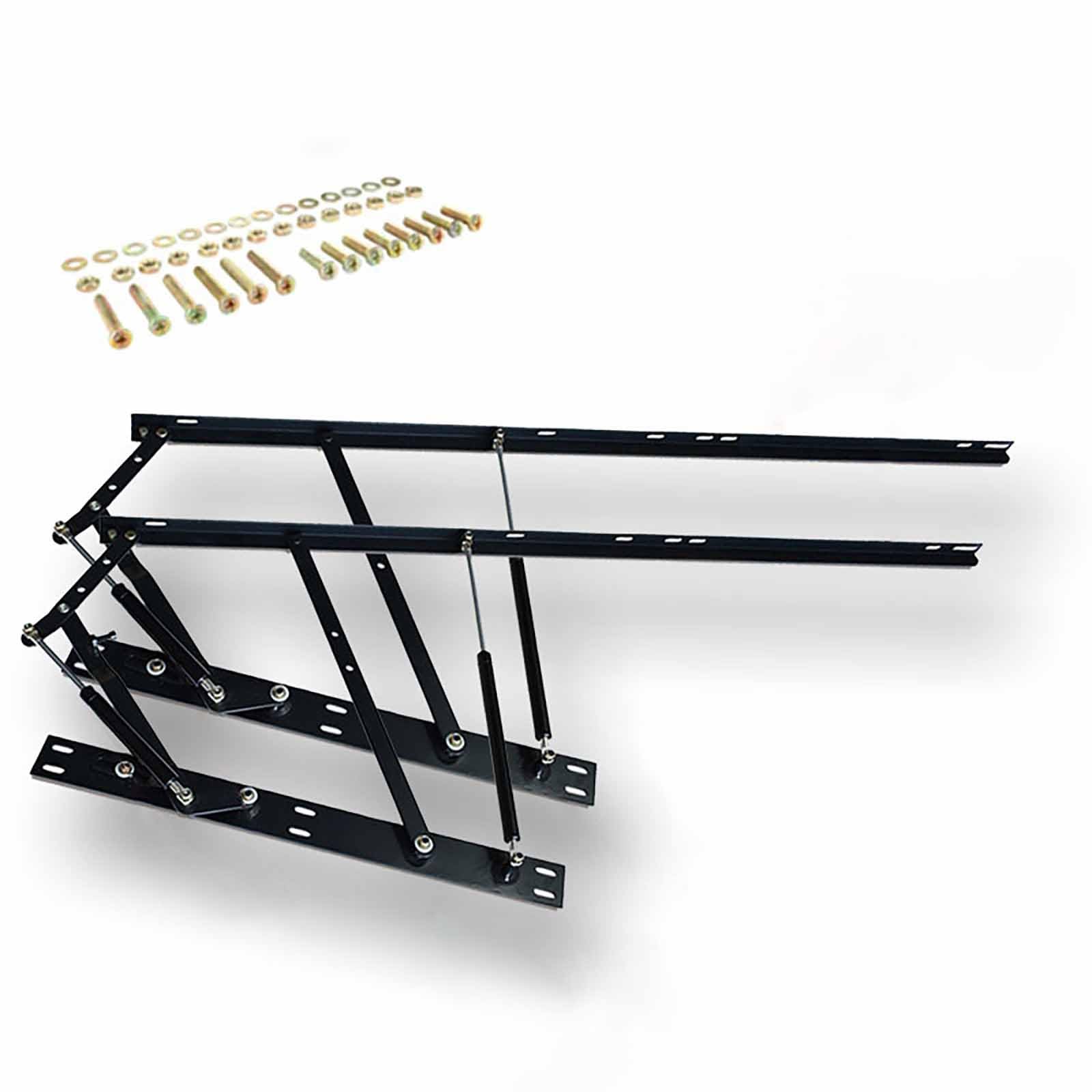
The difference between a reliable foldable bed and a dangerous hazard comes down to your pivot system. Never attempt this project with standard door hinges—they’ll fail under the dynamic load as the bed moves. Instead, invest in specialized hardware rated for at least 500 pounds dynamic load capacity.
Critical Hardware Specifications You Must Check
When selecting your pivot system, verify these specifications before purchasing:
– Pivot hinge thickness: Minimum 1/4-inch steel (14-gauge or thicker)
– Bolt diameter: Through-bolts of at least 3/8-inch diameter, not screws
– Wall bracket depth: Minimum 6-inch projection from wall for stability
– Mounting pattern: At least 4 vertical mounting points per side
Professional-grade hardware kits typically include everything you need for proper installation, including the heavy-duty steel brackets that must anchor directly into wall studs. Remember that drywall anchors alone cannot support this weight—your brackets must connect to solid wood studs or concrete.
Gas Struts vs. Counterweight Systems: Choosing the Right Lift Mechanism
Your lift mechanism determines how smoothly and safely your bed operates. Gas struts (gas springs) have become the standard for DIY foldable bed frames because they provide consistent counterbalance without complex pulley systems.
How to Size Gas Struts Correctly
For queen-sized beds, you’ll need two gas struts with a combined force rating that slightly exceeds your total bed weight:
– Measure your mattress weight (foam queen: 50-100 lbs)
– Calculate your frame weight (wood: 75-150 lbs)
– Add 20% safety margin to determine required strut force
Most DIY builders find 80-100 pound force struts work well for queen beds. Install them with the cylinder end attached to the wall bracket and the piston end connected to the bed frame—reversing this creates dangerous instability. Always leave shipping pins in place until both struts are fully mounted to prevent accidental deployment.
Building Your Sturdy Wood Frame Without Welding
While metal frames offer superior strength, a properly constructed wood frame provides excellent performance with basic woodworking tools. Here’s how to build a bed frame that won’t sag or warp over time.
Step-by-Step Frame Construction
- Cut 2×4 lumber to your mattress dimensions plus 1 inch (for clearance)
- Assemble the rectangular frame using 3-inch deck screws and wood glue
- Install cross-braces every 16 inches using 1×3 lumber
- Reinforce all corners with 6-inch steel gusset plates
- Sand all surfaces thoroughly before final assembly
For the mattress support, use 1×4 slats spaced 2 inches apart rather than solid plywood. This reduces weight by 30% while improving mattress ventilation. If using a memory foam mattress, add a center support rail to prevent sagging in the middle of the frame.
Wall Mounting That Won’t Fail: The Critical Safety Step

More foldable bed failures happen from improper wall mounting than any other cause. This single step determines whether your bed operates safely for years or becomes a dangerous hazard.
Proper Wall Attachment Procedure
- Use a stud finder to locate and mark all wall studs (typically 16 inches apart)
- Verify stud location by drilling small pilot holes at floor and ceiling
- Mount vertical wall brackets using minimum 3-inch lag bolts into studs
- Drive bolts at least 2 inches into solid wood for proper holding power
- Reinforce with plywood backing if mounting on external walls
Your brackets must connect to at least four wall studs for a queen-sized bed—never skip this requirement. If your wall layout doesn’t align with standard stud spacing, install a horizontal plywood backer board that spans multiple studs before attaching your hardware.
Installing Safety Locks That Prevent Accidents
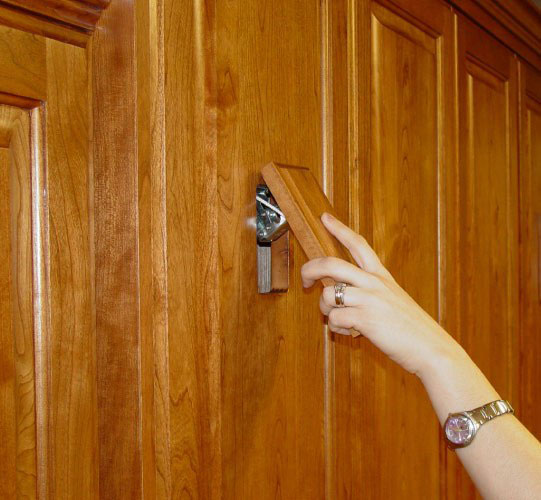
Safety locks are not optional accessories—they’re essential components that prevent your bed from accidentally deploying or collapsing. Every foldable bed frame must have two independent locking systems.
Essential Locking Mechanisms
- Upright position lock: A robust pin or bolt that secures the bed when stored
- Down position lock: A secondary latch that prevents the bed from folding during use
- Emergency release: A mechanism accessible from both sides for quick disengagement
Test your locks with the bed empty before adding a mattress. The upright lock should require deliberate force to release—you don’t want a curious child or accidental bump to deploy a 200-pound bed frame. For added safety, install a child-proof lock that requires simultaneous pressing of two buttons.
Common DIY Foldable Bed Mistakes That Create Hazards
Even experienced DIYers make critical errors when building foldable bed frames. Avoid these dangerous pitfalls that compromise safety and functionality.
Critical Errors That Cause Bed Failures
Insufficient wall reinforcement: Mounting brackets to drywall alone creates immediate failure points. Always anchor into studs with proper lag bolts.
Ignoring mattress thickness: Failing to account for mattress depth prevents the bed from closing flush against the wall, creating a dangerous gap and misalignment.
Poor weight distribution: Uneven frame construction causes stress points that lead to premature hardware failure. Use a level during assembly to ensure perfect balance.
Skipping the safety locks: Never rely solely on gas struts to hold the bed upright—they’re designed for smooth operation, not long-term static support.
Testing and Safety Checks Before First Use
Your foldable bed frame requires rigorous testing before it’s safe for regular use. Never skip these critical verification steps.
Mandatory Safety Verification Process
- Without a mattress, slowly lower and raise the bed 10 times
- Check for smooth operation without binding or jerking
- Apply 150% of maximum intended weight (sandbags work well)
- Test all safety locks under load
- Inspect all connections for movement or stress marks
If your bed slams shut or requires excessive force to move, your gas struts are incorrectly sized or installed. A properly balanced foldable bed frame should lower smoothly with one hand and stay in any position without drifting.
Maintenance Schedule for Long-Term Reliability
Unlike traditional beds, foldable bed frames require regular maintenance to ensure continued safe operation. Implement this simple care routine:
Essential Maintenance Tasks
- Monthly: Tighten all visible connections and inspect for movement
- Quarterly: Lubricate pivot points with silicone-based lubricant
- Annually: Replace gas struts (they lose pressure over time)
- Biannually: Inspect wall anchors for signs of pull-out
Keep a maintenance log noting each service date and any observations. After five years, consider replacing all critical hardware components, as metal fatigue can develop even with proper use.
Finishing Touches That Make It Look Professional
A well-finished foldable bed frame blends seamlessly with your decor when stored. These professional touches elevate your DIY project from functional to furniture-quality.
Cosmetic Improvements Worth Making
- Sand all edges to 220-grit smoothness before finishing
- Apply two coats of polyurethane for durability
- Install decorative trim to hide hardware edges
- Add soft-close bumpers to prevent slamming
- Paint or stain to match your room’s color scheme
For multi-functional spaces, consider adding a thin decorative panel that attaches when the bed is stored, transforming it into a bookshelf or artwork display. This simple addition makes the folded bed virtually disappear into your room’s design.
A properly built foldable bed frame delivers incredible space-saving benefits while maintaining safety and comfort. By focusing on heavy-duty hardware, proper wall mounting, and rigorous safety testing, you’ll create a space-transforming solution that functions reliably for years. Remember that when it comes to foldable bed frames, cutting corners on hardware or installation creates unacceptable risks—invest the time upfront to build it right. Your future self will thank you when your bed operates smoothly long after cheaper, hastily-built alternatives have failed.


