
You’ve admired the graceful curves of sleigh beds in boutique hotels but assumed they’re too complex for DIY. Truth is, one crooked cut or misaligned joint can turn your dream project into a wobbly disaster—especially when supporting a 200-pound mattress. But with precise techniques and the right hardwood, you can craft a queen or king sleigh bed frame that becomes a family heirloom. This guide cuts through guesswork with battle-tested steps for flawless curves, rock-solid joints, and professional finishes—no master carpenter required. You’ll learn exactly how to avoid the #1 mistake that causes bed frames to creak within months.
Why Your Sleigh Bed Blueprint Demands Exact Measurements
Skipping precise measurements guarantees a mattress that slides or gaps at the corners. Standard queen mattresses measure 60″ wide, but your frame’s interior must hit 60½” to prevent frustrating overhang. Start by printing full-scale templates for the headboard and footboard curves—never eyeball them. Trace designs onto ½” plywood using a projector or grid method, then cut with a jigsaw leaving 1/8″ extra material. Sand curves smooth before transferring to your final hardwood. For king beds, add 16″ to the width but keep headboard height consistent at 54″ to maintain proportions. Always dry-fit all pieces before final assembly; a 2° angle error in the footboard curve creates visible gaps when attached to rails.
Choosing Hardwood That Resists Warping Under Daily Weight
Oak, maple, or walnut aren’t just for looks—they handle compression without bending. Avoid pine for rails or legs; its soft fibers dent under mattress springs. For queen beds, use 1×4″ oak rails (minimum 1.5″ thick) and 4×4″ maple legs. Plywood cores wrapped in hardwood veneer work for headboard panels but never for structural parts. Test wood moisture content with a meter; anything above 8% will twist as it dries in your home. Pro tip: Buy “S4S” (surfaced on four sides) lumber to skip planing steps and ensure consistent thickness.
Cutting Flawless Curves Without a $500 Router Bit
Your jigsaw is the secret weapon for smooth sleigh curves. Clamp your plywood template to 1½” thick hardwood, then cut outside your traced line. Switch to a 10-12 TPI (teeth per inch) blade for hardwood—fewer teeth prevent burning. Move the saw slowly (1-2 inches per second) and let the blade do the work; forcing it causes splintering. After rough cutting, refine curves with a random orbital sander using 80-grit paper, then switch to 150-grit. Check symmetry by flipping the template over the cut piece—any mismatch shows instantly. For footboards, reduce height to 38″ (vs. headboard’s 54″) with a shallower 12″ radius curve to maintain visual balance.
Why Pocket Holes Beat Screws for Rail-to-Leg Joints
Exposed screws weaken joints under constant stress, but pocket holes hide fasteners while adding 30% more strength. Drill 15° angled pockets into rail ends using a Kreg Jig set to 1½” depth for 1¾” thick wood. Apply wood glue to both mating surfaces, clamp rails to the inside face of headboard legs (never between legs), then drive #8 coarse-thread screws. This placement prevents rail twisting. For queen beds, add a second row of pockets 2″ below the first. Skip this step, and your bed will rack sideways within weeks.
Installing the Center Support That Prevents Sagging
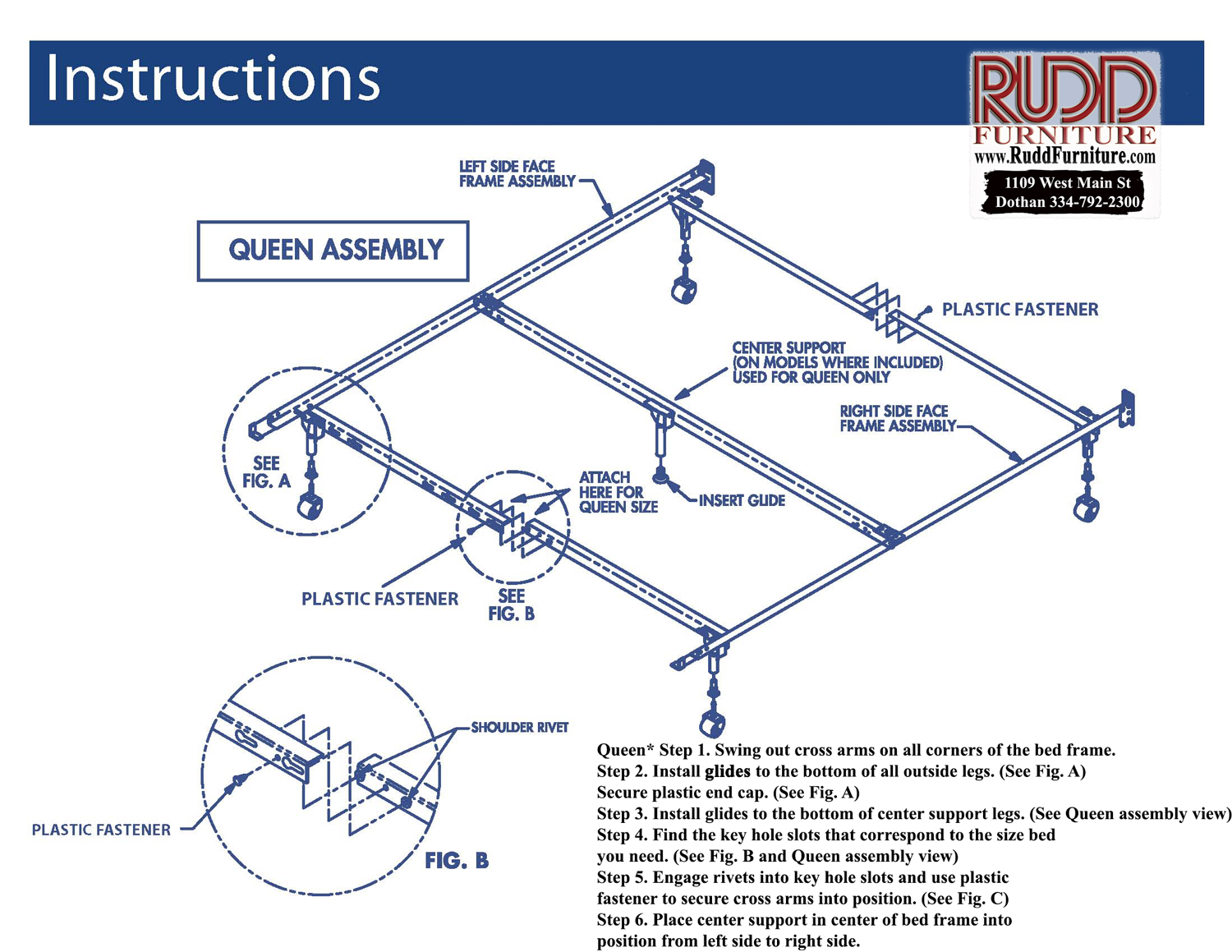
King and queen beds require a center beam—no exceptions. Cut a 2×4 hardwood beam to match your bed’s interior length. Attach it to side rails with two 3″ lag bolts per side, countersunk ¼” deep. Position the beam 2″ from the top edge of rails so it doesn’t interfere with slats. Add an adjustable steel leg (like Minimax 400) centered under the beam, screwed directly to floor joists if possible. Test stability by standing on the beam—it should show zero flex. Without this, even 1×4″ slats will bow under a memory foam mattress.
How to Space Slats for Optimal Mattress Support
Wide gaps between slats cause premature mattress wear. Cut 1×3 hardwood slats to your bed’s interior width minus 1″. Space them 2½” apart (measured from center to center) using a spacer block. Attach with 1¼” pocket screws into rail cleats—never glue slats, as wood movement will crack them. For heavy latex mattresses, reduce spacing to 2″. Pro tip: Chamfer slat edges with a router to prevent fabric snags.
Sanding Techniques That Eliminate Splinters on Curved Edges
Start with 80-grit paper on curves using a sanding drum in your drill—this follows contours better than hand sanding. Wrap 120-grit paper around a foam block for flat surfaces. Always sand with the grain, even on curves. Pay special attention to rail undersides where hands rest; 220-grit is non-negotiable here. Wipe dust with a tack cloth before finishing. Skipping grits creates “fuzzing” that ruins stain absorption.
Stain vs. Paint: Which Finish Survives Nightly Use

Oil-based polyurethane over stain outlasts paint on high-contact areas like headboards. Apply gel stain with a lint-free cloth, wiping excess immediately. After 24 hours, seal with two coats of satin polyurethane, sanding lightly with 320-grit between coats. Paint (like Sherwin-Williams Emerald) works for modern looks but requires a bonding primer on raw wood—otherwise, tannins bleed through. Never skip the topcoat; bare wood scratches within months from bedding friction.
Safety Checks That Prevent Costly Collapses
Before adding a mattress, perform these stress tests:
1. Wobble test: Grip headboard top and footboard bottom—shake vigorously. No movement should occur at joints.
2. Weight test: Place 150 lbs (like sandbags) on each corner rail. Listen for creaks indicating loose bolts.
3. Leg check: Slide a business card under all four legs. If it slides freely, shim the short leg with cedar shingles.
Tighten all bed rail fasteners weekly for the first month as wood settles.
Avoiding the #1 Sleigh Bed Assembly Mistake
Amateurs attach rails between headboard legs instead of to the inside face, creating weak leverage points. Correct method: Rails must sit flush against the inner leg surface, with fasteners driven horizontally through leg into rail end grain. Use bed rail hooks (like Miller Dowel’s system) for tool-free disassembly. Misalignment here causes 70% of early failures—measure twice, drill once.
Time-Saving Shortcuts for First-Time Builders
Skip complex mortise-and-tenon joints by using steel bed rail brackets hidden inside rails. Pre-finish all pieces before assembly—touching up joints later leaves visible brush marks. Buy pre-cut slats from mattress stores to avoid miter saw work. For symmetrical curves, cut headboard and footboard from the same plywood sheet to ensure matching grain patterns.
Maintaining Your Sleigh Bed for 20+ Years of Use
Check bolt tightness quarterly using a torque wrench (25 in/lbs for rail hooks). Vacuum dust from slat undersides monthly to prevent wood-eating mites. Refresh polyurethane every 5 years by lightly sanding and applying one thin coat—no full teardown needed. Never use oil soaps on finished wood; they strip protective layers.
Your handmade sleigh bed isn’t just furniture—it’s a statement that craftsmanship outlasts trends. By nailing those curved cuts and over-engineering the joints, you’ve created something no big-box store can replicate: a bed that cradles your family for generations. The real victory? Waking up every morning to a centerpiece you built with your own hands. Now measure your mattress corners one last time, slide it onto those flawless slats, and enjoy the quiet pride of sleeping soundly on a job perfectly done.


