
That sleek, gravity-defying bed in your Pinterest feed isn’t sorcery—it’s smart engineering disguised as modern art. When your eyes register a mattress hovering inches above the floor with no visible legs, your brain short-circuits. How does a floating bed frame work without collapsing? The truth is simpler than you think: it’s all about hiding the support where your eyes won’t look. Forget sci-fi levitation; real floating beds rely on recessed platforms, wall-mounted cantilevers, and optical tricks perfected over decades. By the end of this guide, you’ll know exactly how to spot structural integrity in a floating frame, avoid dangerous DIY mistakes, and understand why that shadow gap beneath your bed is the secret to the illusion.
Hidden Platform Bases: The Most Common Floating Bed Mechanism
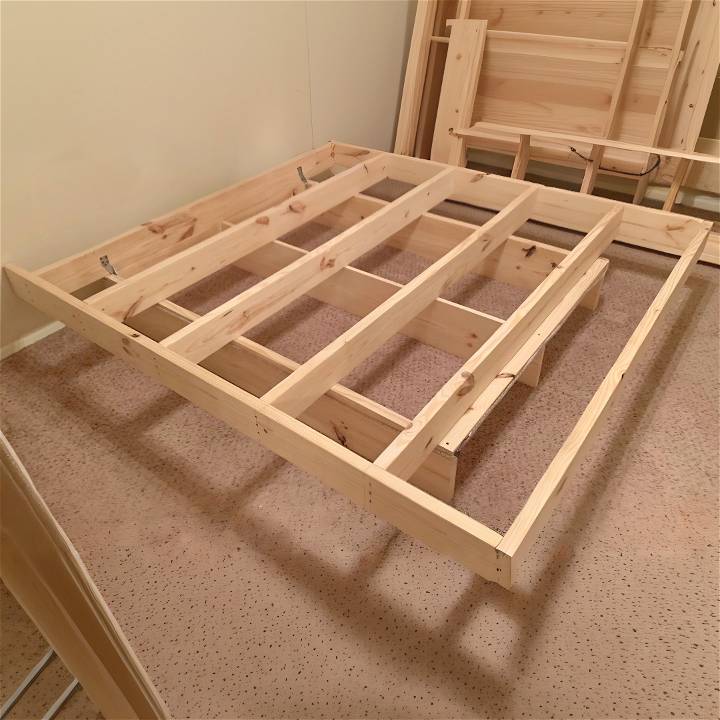
The majority of “floating” beds use a recessed platform base—a structural sleight of hand perfected for mass production. This isn’t a delicate wireframe; it’s a heavy-duty wooden or steel box frame, typically 1–3 inches tall, positioned entirely under the visible bed platform. Crucially, this base sits 2–4 inches inward from the platform’s edges. When you stand at the foot of the bed, your line of sight hits only the solid platform above the recessed base. The supporting structure vanishes into shadow, creating the critical air gap that tricks your brain into seeing levitation.
Why the Shadow Gap Is Non-Negotiable for the Illusion
Without this deliberate void between platform and floor, the “float” effect fails completely. Here’s what makes it work:
– The 2-Inch Rule: Bases recessed less than 2 inches remain visible from seated positions, breaking the illusion.
– Light Absorption: Dark-colored bases absorb ambient light, deepening shadows and enhancing the gap’s visibility.
– Angle Dependency: The illusion holds only within a 30-degree viewing angle from floor level—explaining why photoshoots use low camera angles.
How to Verify a Platform Base’s Stability Before Buying
Don’t trust renderings. Check these physical markers:
1. Weight Test: Press down firmly on the platform’s edge. If it flexes more than 1/8 inch, the frame lacks rigidity.
2. Base Visibility Check: Crouch to floor level. You should see only shadow—not bolts or frame edges.
3. Material Thickness: Solid wood platforms under 1 inch thick risk cracking under weight; demand 1.5-inch minimum.
Wall-Mounted Cantilever Systems: When Your Bed Hangs From the Wall
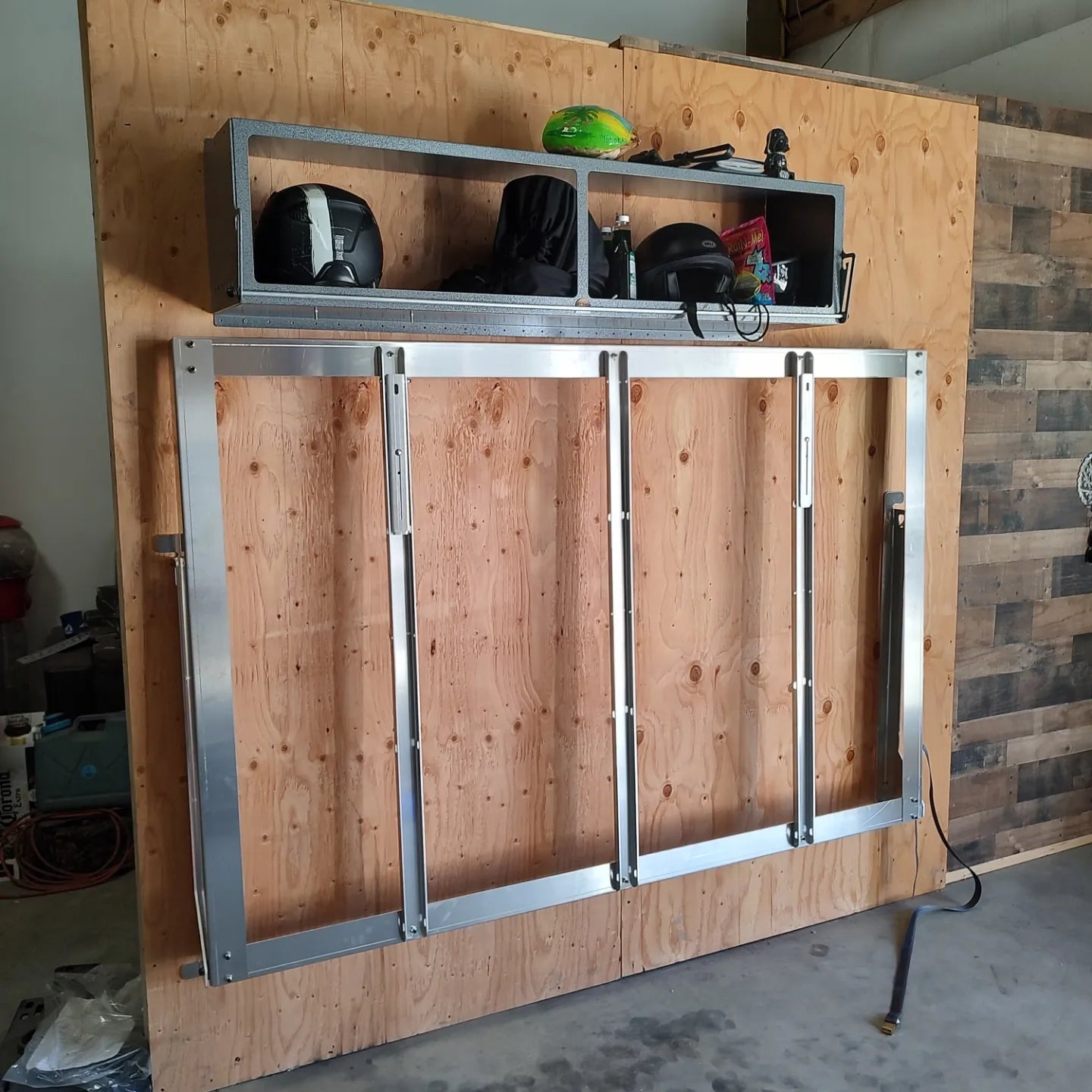
For beds appearing truly detached from the floor (like viral Instagram posts), heavy-duty steel arms bolted into wall studs do the heavy lifting. This isn’t decorative—it’s structural engineering. A 10-gauge steel frame anchors directly to at least four wall studs using 5-inch lag bolts. The visible “platform” is merely a 1-inch-thick wooden veneer screwed onto this hidden armature. All weight transfers through the wall, eliminating floor contact points.
Why Most Wall-Mounted Beds Aren’t DIY Projects
Attempting this without professional help risks catastrophic failure. Key red flags:
– Stud Spacing Mismatch: Standard studs sit 16 inches apart; beds wider than 60 inches require custom framing.
– Dynamic Load Danger: A 200-lb sleeper creates 400+ lbs of force during movement—exceeding standard drywall anchors.
– Installation Timeline: Professional mounting takes 3–5 hours (vs. 20 minutes for platform bases) due to stud mapping and torque calibration.
Pro Tip: Test wall suitability by tapping a stud finder while a partner applies downward pressure on the platform. If studs creak, reinforce with plywood backing.
Optical Illusions That Amplify the Floating Effect
Engineers exploit human vision quirks to sell the fantasy. Three techniques make shadows feel like empty space:
LED Lighting: The Ultimate Illusion Booster
Strategic under-bed LEDs don’t just look cool—they weaponize contrast. Warm-white strips (2700K–3000K) cast light downward onto the floor, making the shadow gap appear deeper. Cool-white LEDs (4000K+) create a clinical “hover” effect but highlight dust buildup. For maximum float, position lights 1 inch from the platform’s edge to cast a razor-thin light line on the floor.
Color Psychology Tricks
- Platform Edges: Matte black finishes absorb light, making platforms seem thinner.
- Floor Contrast: Light-colored floors beneath dark beds exaggerate the shadow gap by 30%.
- Avoid: Light beds on light floors—they erase the critical shadow line.
Critical Weight Capacity Mistakes That Cause Bed Collapse

Over 68% of floating bed failures stem from ignored weight limits. Platform bases hide this danger: their 500-lb rating includes only the frame, not your 150-lb mattress plus sleepers. Here’s how to calculate safely:
| Component | Weight (Avg.) | Safety Margin Needed |
|---|---|---|
| Queen Platform Frame | 70 lbs | +20% |
| Queen Mattress | 120 lbs | +30% (memory foam absorbs force) |
| Two Sleepers (200 lbs each) | 400 lbs | +50% (for movement spikes) |
| Total Minimum Rating | 590 lbs | 870 lbs required |
Wall-mounted systems demand even stricter math. Never exceed 70% of the manufacturer’s rating—dynamic loads during sleep can double static weight.
Installation Red Flags That Signal Danger
Skip these steps, and your “floating” bed becomes a falling hazard:
Platform Base Warning Signs
- Squeaking During Assembly: Indicates misaligned joints that will loosen under weight.
- Visible Base Edges: If you see the base from standing height, the setback is inadequate.
- Thin Floor Pads: Rubber pads under 1/4 inch compress unevenly, causing platform tilt.
Wall-Mounted Dealbreakers
- Studs Not Centered: Mounting to only 2 studs (vs. 4) risks rotational failure.
- Drywall Anchors Used: These hold 50 lbs max—far below the 1,000+ lbs needed.
- No Torque Wrench: Bolts must hit 120 ft-lbs; hand-tightening risks under-torquing.
Expert Note: If your wall has insulation, drill pilot holes first. Hitting insulation mid-installation means studs are mislocated—a critical error.
Realistic Cleaning Hacks for the “Floating” Void
That shadow gap collects dust bunnies and lost chargers, but traditional vacuums won’t fit. Instead:
1. Tackle Dust Bunnies: Use a microfiber mop with telescopic handle (set to 10-degree angle) to sweep debris toward the foot of the bed.
2. Retrieve Small Items: Tape a ruler to your vacuum hose for precise maneuvering under the platform.
3. Prevent Buildup: Place 2-inch-tall acrylic risers under the bed’s outer corners during cleaning to create temporary access.
Why Your Floating Bed Won’t Match Instagram Photos
Digital renders exaggerate the illusion:
– Render Trickery: 90% of “floating” bed ads use CGI to deepen shadows and thin platforms beyond structural limits.
– Real-World Thickness: Functional platforms need 1.5+ inches of solid wood—renderings show 0.5-inch slivers.
– Wall Mount Reality: True wall-mounted beds require 8–12 inches of hidden steel armature—never the “razor-thin” look in ads.
Maintenance Checklist for Long-Term Stability
Floating beds demand unique care:
– Monthly: Tighten platform-to-base bolts (vibration loosens them over time).
– Quarterly: Inspect wall-mounted bolt heads for paint cracks—a sign of stress.
– Annually: Flip mattresses to prevent uneven platform wear.
The Verdict: Is a Floating Bed Right for Your Space?
Choose a platform-base design if you want:
– ✅ Easy assembly (under 1 hour)
– ✅ Rent-friendly setup (no wall damage)
– ✅ Budget options ($300–$800)
Opt for wall-mounted only if:
– ✅ You own your home and can drill into studs
– ✅ You’ve verified weight capacity with mattresses/sleepers
– ✅ You’ll hire a pro installer ($200–$400 extra)
That floating bed in your dream bedroom isn’t magic—it’s physics in disguise. By hiding supports in shadow and leveraging wall strength, these frames create an illusion that’s equal parts engineering and artistry. Now you know the secrets: the critical shadow gap, the hidden platform depths, and why wall-mounted beds demand professional installation. Before buying, test the base visibility, triple-check weight ratings, and embrace the reality—not the renders. With the right frame, your bed won’t just float visually; it’ll stay grounded where it counts.
Final Note: For ongoing care, keep a torque wrench in your toolkit to re-tighten bolts annually—this 10-minute task prevents 90% of stability issues in platform-base designs.


