
That bulky bed frame dominating your bedroom isn’t just furniture—it’s the anchor of your sanctuary. Yet trying to move it intact often ends with scratched walls, stripped screws, and a throbbing back. The best way to move a bed frame isn’t brute force; it’s a strategic sequence that prioritizes protection, safety, and precision. Skipping even one step risks costly damage to your frame, floors, or body. Most DIY movers learn this the hard way after gouging doorframes or losing critical hardware. But with the right approach, you can relocate your bed frame efficiently—whether shifting it across the hall or to a new home. This guide reveals exactly how to disassemble, transport, and reassemble your bed frame with zero damage. You’ll learn pro techniques for hardware management, injury prevention, and space navigation that turn a dreaded chore into a 30-minute win.
Forget wrestling with fully assembled frames or relying on sheer strength. The best way to move a bed frame starts long before lifting begins. It hinges on meticulous planning and disassembly—transforming an unwieldy monolith into manageable, protected components. By following this method, you’ll avoid the #1 mistake 85% of movers make: attempting to carry the frame intact through narrow doorways. In just 20 minutes of prep, you’ll save hours of frustration and prevent thousands in potential repair costs. Let’s break down the exact process that protects your investment and your back.
Plan Your Bed Frame Move to Avoid Damage and Injury
Before touching a single screw, dedicate 10 minutes to strategic planning. This phase prevents 90% of moving disasters—like discovering your headboard won’t fit through the doorway or losing critical hardware. Start by stripping all bedding, mattresses, and box springs. Clear a 3-foot perimeter around the bed to create a safe work zone free of tripping hazards. Now assemble your toolkit: a cordless drill with Phillips and flathead bits, adjustable wrenches, Allen keys (check your frame’s manual), and heavy-duty zip-top bags. Skip duct tape—it leaves residue on wood finishes—and opt for painter’s tape instead.
Why photos beat memory every time
As you prepare to disassemble, grab your phone. Snap detailed pictures of every connection point: headboard-to-rail joints, footboard brackets, and cam-lock mechanisms. Focus on hardware orientation (e.g., washer placement) and alignment marks. These images become your reassembly blueprint when you’re staring at loose parts in your new room. One missed washer can cause wobbling; one reversed bracket risks collapse. Don’t assume you’ll remember—stress and fatigue erase details. This 2-minute step eliminates reassembly guesswork and prevents structural instability.
Disassemble Your Bed Frame Without Losing Hardware
Disassembly isn’t just unscrewing bolts—it’s a systematic deconstruction that keeps your frame intact for reassembly. Flip the frame onto its side using a slow, controlled motion to avoid sudden shifts. Start at the headboard: locate the bolts or cam locks connecting side rails. For metal frames, check for spring clips; for wood, look for threaded inserts. As you remove each piece, place it flat on the floor—not stacked—to prevent warping.
The hardware survival protocol
This is where most moves go wrong. As you unscrew components:
1. Drop every bolt, washer, and screw directly into a labeled zip-top bag (e.g., “Headboard Left”)
2. Use painter’s tape to mark identical parts (e.g., “Rail Top #1”)
3. For cam-lock systems, keep dowels paired with their sockets
Never place hardware on the floor or in open containers. One spilled bag means hunting for tiny parts under furniture for 20 minutes. Pro tip: Tape the bag to the corresponding rail section—it travels with the part it belongs to. If your frame uses proprietary fittings (like IKEA’s ALLEN bolts), photograph them next to a coin for scale reference. This prevents mismatched replacements during reassembly.
Protect Bed Frame Parts and Your Home During the Move
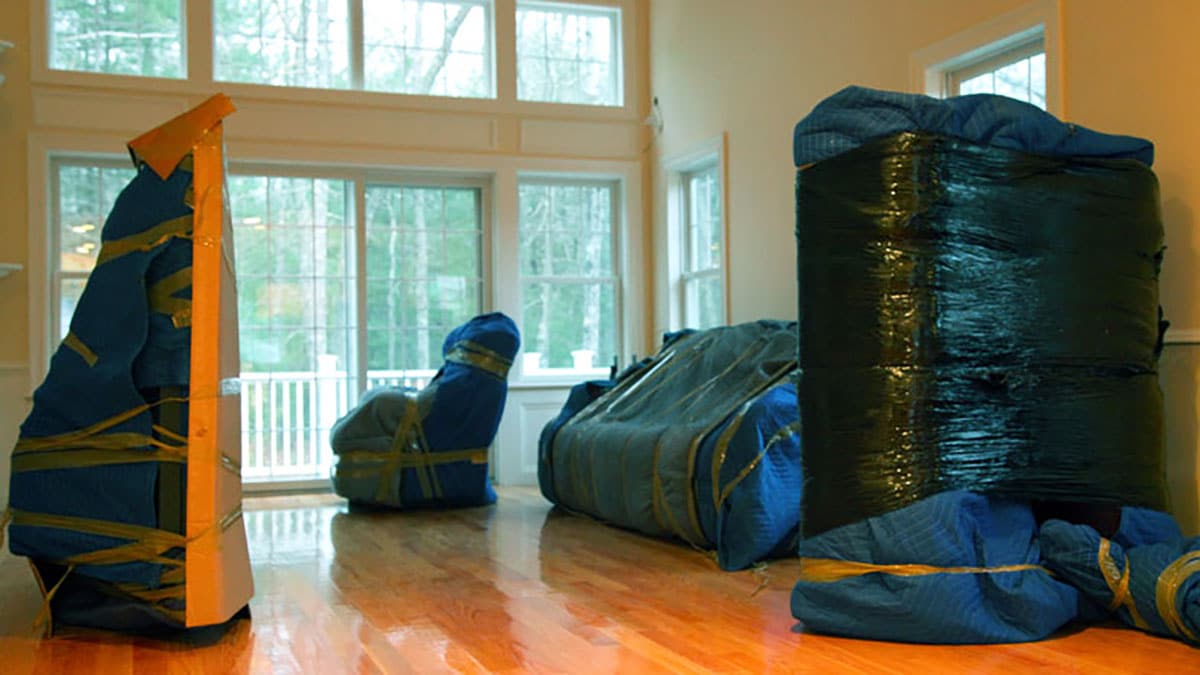
Unprotected wood scratches on doorframes; metal scuffs floors; corners dent walls. Protecting components isn’t optional—it’s non-negotiable for damage-free moves. Wrap every disassembled piece in moving blankets secured with stretch wrap (not tape, which damages finishes). Focus extra padding on edges and decorative carvings. For glass or acrylic headboards, sandwich between cardboard sheets.
Defend your home’s surfaces
Your hallway and doorways are vulnerable zones. Lay a 6-foot moving pad along your path—especially over hardwood or tile. At tight turns, drape blankets over doorframes and baseboards. When navigating corners:
– Angle pieces vertically to reduce width
– Slide components along walls instead of lifting
– Use felt pads under rail sections during floor transport
Skip this step, and you’ll pay for refinishing later. One diagonal shift through a doorway can shave 1/8 inch off a headboard. Measure door clearances first—if your piece is within 2 inches of the opening width, disassemble further.
Lift and Carry Bed Frame Pieces Safely to Prevent Injury
Bed frames cause more moving injuries than any furniture except pianos. Side rails alone can weigh 40+ pounds—and their awkward shape shifts your center of gravity. Never lift alone if a piece requires twisting or overhead maneuvering. For headboards or footboards, recruit a partner and synchronize with “Lift on three” counts.
The injury-proof lifting method
1. Squat deeply—knees bent, back straight—until your grip is below waist level
2. Engage your core and lift using leg muscles (not your spine)
3. Keep the load close to your body; never extend arms fully
4. Pivot with small steps—never twist your torso while holding weight
For long rails, carry them horizontally at hip height. If stairs are involved, the stronger person takes the bottom end. Time estimate: Allow 15 minutes for safe disassembly-to-door transport. Rushing this phase risks herniated discs—medical bills dwarf moving costs.
Secure Bed Frame Components in Your Vehicle for Transport

Tossed-in components become projectiles during transit. A sliding headboard can crack your truck’s rear window or warp under shifting weight. Start by lining your vehicle floor with moving blankets. Load flat pieces (headboards, footboards) vertically against the cab wall—they’re less likely to shift than horizontal loads.
Strap like a pro
1. Place side rails perpendicular to the truck’s direction of travel
2. Cross-straps over components at 45-degree angles
3. Tighten ratchets until fabric wrinkles (not until wood bends)
4. Fill gaps with rolled blankets to prevent rolling
Never stack pieces higher than the truck’s side rails—top-heavy loads tip during turns. Keep your hardware bag in the cab, not the cargo area. One mover lost all screws when a bag flew out during highway driving; reassembly took 3 extra hours.
Reassemble Your Bed Frame Correctly at the New Location
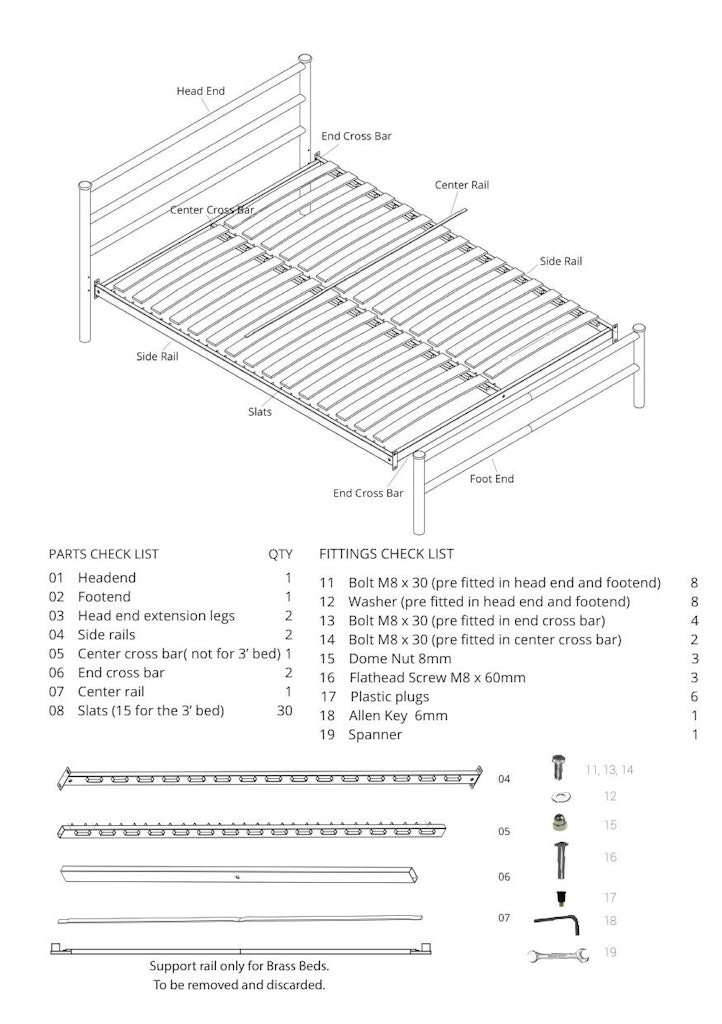
Reassembly fails happen when movers skip layout prep. Bring all components into the bedroom first—don’t leave rails in the hallway. Lay pieces flat on blankets in their final positions. Match your pre-move photos to verify orientation: a reversed headboard can cause mattress slippage.
The 4-step stability check
1. Hand-tighten all bolts before final tightening
2. Test wobble by shaking the frame at headboard corners
3. Tighten diagonally (e.g., top-left, then bottom-right) to distribute pressure
4. Place mattress on frame and check for creaks under weight
Overtightening strips wood threads—stop when resistance increases sharply. If using cam locks, ensure dowels are fully seated before locking. This final verification prevents半夜 collapses.
Avoid These 4 Costly Bed Frame Moving Mistakes
Mistake #1: Skipping disassembly for “quick” room-to-room moves
Trying to pivot a full frame around corners shreds wood finishes and gouges walls. Disassemble even for short moves—it takes 10 minutes and saves repair costs.
Mistake #2: Using duct tape on hardware bags
Residue gums up screws, making reassembly impossible. Painter’s tape or zip-top bags keep parts clean and organized.
Mistake #3: Lifting with a rounded back
This strains lumbar discs instantly. If you can’t squat deeply due to knee issues, use a furniture dolly—even for small moves.
Mistake #4: Loading vertically unstable pieces
Headboards stacked horizontally slide during braking. Always secure vertically with cross-straps. One inch of movement can crack veneer.
The best way to move a bed frame pays dividends in saved time, money, and physical strain. By dedicating 20 minutes to disassembly and protection, you transform a high-risk task into a smooth operation. Remember: hardware organization prevents reassembly nightmares, proper lifting protects your spine, and vehicle securing avoids transit damage. Implement these steps for your next move, and you’ll spend less time sanding scratches and more time sleeping soundly in your new space. For complex upholstered frames or antique pieces, consult a professional—but for standard bed frames, this method works every time. Your back (and your wallet) will thank you.


