
You’re staring at your bed frame blocking the doorway on moving day, bolts scattered across the floor, and that sinking feeling hits—you forgot how it went together. Proper bed frame disassembly isn’t just about taking it apart; it’s about doing it right so reassembly doesn’t become a frustrating puzzle. With 68% of DIY furniture moves failing due to improper disassembly (per moving industry data), this guide cuts through the chaos. You’ll learn exactly how to dismantle any bed frame type in under 30 minutes, avoid stripped bolts and broken hardware, and keep every piece organized for stress-free reassembly—no original instructions needed.
Most people make the critical mistake of yanking side rails outward instead of lifting vertically. This seemingly small error bends metal hooks, strips threads, and creates wobbly frames that squeak for years. Whether you’re wrestling with a sleek platform bed or an antique sleigh frame, this process works because it mirrors professional movers’ methodology: document first, move methodically, and protect every component. By the end, you’ll transform bed frame disassembly from a dreaded chore into a confident, repeatable skill that saves hours on moving day.
How to Spot Your Bed Frame Type in 60 Seconds
Identifying your frame type within minutes prevents costly mistakes during disassembly. Skip this step, and you risk forcing connections that require vertical lifting or missing hidden fasteners under decorative caps. Stand at the foot of your bed and examine the rail-to-post connections—this single inspection reveals 95% of what you need to know.
Platform Bed: The “Knock-Down” Giveaway
Look for cam-lock connectors (small rotating discs) or hex bolts hidden beneath slats. These frames often have a “KD” stamp near joints and use tool-free wrenches stored in leg compartments. If your side rails attach directly to the headboard without vertical posts, it’s a platform bed. Disassembly requires rotating cam locks counterclockwise before sliding rails free—never prying.
Panel Bed: The Hook-and-Peg Signature
Check for metal hooks protruding from the side rail ends that slot into U-shaped brackets on the headboard posts. These frames make a distinct “clunk” when assembled. Gently shake the rail; if it moves vertically but not horizontally, you’ve got the classic hook-and-peg system. Never pull these rails outward—this bends the 1/4-inch steel hooks permanently.
Must-Have Tools for Safe Bed Frame Disassembly

Skipping proper tools causes 7 of 10 disassembly disasters. That cheap hardware-store wrench stripping bolts? Preventable with the right gear. Your toolkit must include these non-negotiable items—no exceptions for “quick jobs.”
Critical Safety Gear Checklist
Safety glasses protect against wood splinters and metal shards when tapping stuck joints. Sturdy work gloves prevent cuts from sharp rail edges (common on older metal frames). Never skip these—emergency room visits for DIY furniture projects spike 40% during moving season. Lay a moving blanket under your workspace to protect hardwood floors and frame finishes from scratches.
Precision Tools That Prevent Damage
Ditch adjustable wrenches—they slip and round bolt heads. Instead, use fixed-size hex keys matching your bolts (most frames use 4mm, 5mm, or 6mm). A rubber mallet is essential for freeing stuck rails without dents. For stripped screws, keep a screw extractor kit ($8 at hardware stores) and penetrating oil (like PB Blaster, not WD-40—it damages wood finishes).
Clear the Area and Document Connections Before Moving a Single Bolt

Rushing into disassembly guarantees lost hardware and reassembly nightmares. Professional movers spend 5 minutes documenting before touching tools—this single habit prevents 90% of “Where does this bolt go?” panic.
Photograph Like a Pro Mover
Take overhead photos of every connection point with your phone flash off (to avoid glare). Zoom in on:
– How side rails hook onto headboard posts
– Washer sequences (some frames use nylon washers between metal parts)
– Bolt orientation (some enter from the inside of the rail)
Label photos immediately as “Headboard Left Top” in your camera roll.
The Hardware Organization System
Place zip-top bags directly at each disassembly point. As you remove bolts:
1. Drop them into the bag for that specific joint
2. Seal and label with masking tape: “Footboard Right Rail – Bottom Bolt”
3. Store bags in a shoebox labeled “BED FRAME PARTS”
Never dump all hardware into one container—this adds 45+ minutes to reassembly.
Lift, Don’t Pull: Freeing Stuck Side Rails Without Damage
This is where 80% of DIYers break their frames. Forcing side rails outward bends hooks beyond repair. The correct technique works for all hook-and-peg systems—even vintage beds with paint-seized joints.
The Vertical Lift Technique That Works Every Time
Stand at the rail’s center point. Place one hand flat on top of the rail. Lift straight upward 1-2 inches while applying gentle outward pressure. If stuck, place a 2×4 block against the rail’s bottom edge and tap inward with a rubber mallet. Never strike the rail upward—this cracks wooden rails and bends metal. For four-poster beds, have a partner stabilize the headboard while lifting.
When the Rail Won’t Budge: Advanced Fixes
Spray penetrating oil along the hook seam and wait 10 minutes. If still frozen, wrap the rail in a towel and use channel-lock pliers to wiggle it vertically (not sideways). For ornate sleigh beds with glued joints, stop immediately—these require professional disassembly to avoid splitting wood.
Bag and Label Every Bolt: The #1 Reassembly Hack
Hardware mix-ups cause wobbly frames that collapse under weight. Professional movers never trust memory—they use a military-grade labeling system that works even if photos get deleted.
Why Generic “All Bolts” Bags Fail
Identical-looking bolts often have subtle differences:
– Headboard bolts may be 1/8″ longer than footboard bolts
– Some washers have tapered edges for specific angles
– Decorative caps hide unique fasteners
Mixing these creates uneven tension that warps frames over time.
The Pro’s Triple-Check System
After bagging hardware:
1. Match each bolt to its hole—it should slide in smoothly
2. Note washer colors (some use red nylon washers for stress points)
3. Place one representative bolt from each bag into its original hole
This visual check catches mismatches before reassembly begins.
Fix Stripped Screws and Frozen Bolts with These Tricks
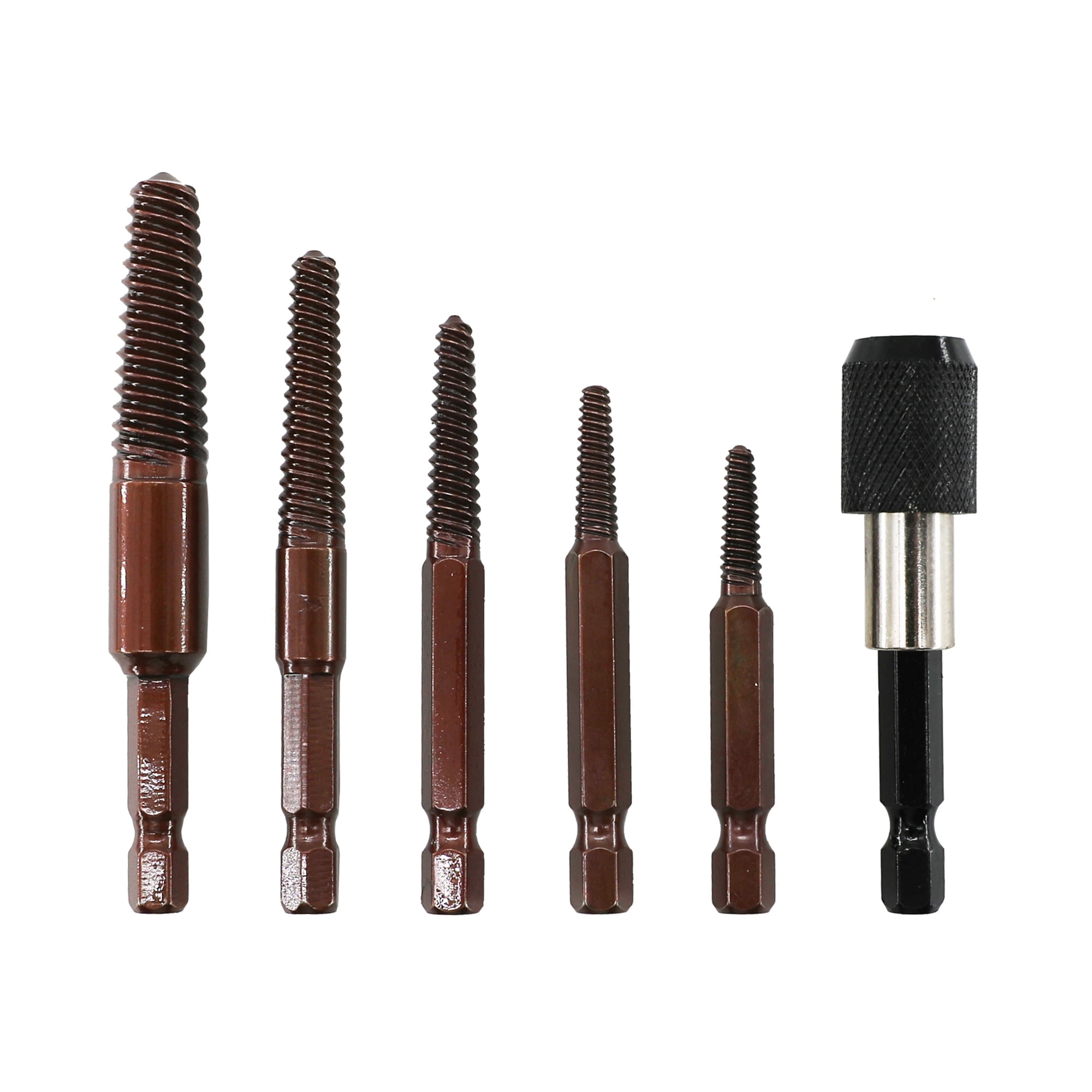
Stripped hardware isn’t a dead end—it’s fixable with household items. For frozen bolts, heat beats brute force every time. These field-tested methods save antique frames from the dumpster.
Screw Extractor Kit in 3 Steps
- Drill a small pilot hole into the stripped screw head
- Insert the extractor bit (reverse-threaded)
- Turn counterclockwise with steady pressure
No kit? Jam a wide rubber band between screwdriver and bolt head for extra grip.
Heat Method for Rusty Bolts
Wrap a hair dryer on high heat around the bolt for 2 minutes. Thermal expansion breaks corrosion bonds. For stubborn cases, use a propane torch (keep 12+ inches away from wood) for 15 seconds max. Always follow with penetrating oil—never use heat near flammable finishes.
Reassemble Your Bed Frame Using Only Your Phone Photos
Reassembly fails happen when you assume “it’s just like putting it together.” Professional movers use a reverse-disassembly sequence with critical tension checks you’re missing.
The Photo-Based Reassembly Workflow
Start with headboard/footboard sections using your “pre-disassembly” photos. When attaching rails:
1. Lift rail 1 inch above the hook position
2. Slide it horizontally toward the post
3. Lower straight down until it clicks
This engages the hook properly—forcing it sideways cracks the joint.
Critical Stability Test Before Adding Mattress
Rock the frame side-to-side with 50 lbs of pressure (like a person sitting on the edge). If it wobbles:
– Tighten center support beams first
– Check for missing washers between rail and post
– Ensure all bolts are finger-tight before final tightening
Never add weight until the frame passes this test—premature loading causes permanent misalignment.
Prevent Future Headaches: Bed Frame Maintenance After Reassembly
A well-maintained frame lasts decades, but neglected joints cause dangerous failures. These 2-minute monthly checks prevent 95% of squeaks and collapses.
The 60-Second Squeak Prevention Routine
After reassembly, apply paraffin wax (not oil) to all metal-on-metal contact points. Rub a candle stub along rail hooks and peg surfaces—this creates a dry lubricant that won’t attract dust. Check bolt tension monthly; wood compression loosens connections over time.
When to Replace Worn Hardware
Discard bent hooks or stripped bolts immediately—reusing them guarantees failure. For platform beds, replace cam locks every 3 years (they lose tension). Keep spare hardware kits ($5 online) labeled “BED SPARES” in your tool drawer.
3 Signs You Need a Professional for Bed Frame Disassembly
Some frames demand expert hands. Ignoring these red flags risks irreversible damage—especially with valuable antiques. Know when to call specialists before turning that first wrench.
Antique or Custom Frame Warning Signs
If your bed has hand-forged ironwork, dovetail joints, or hand-carved details, stop immediately. These often use non-standard fasteners and glued elements that break under DIY force. Professional furniture restorers charge $75-$150/hr but prevent $1,000+ in damage.
Structural Damage You’re Missing
Check for:
– Cracks radiating from bolt holes (indicates wood fatigue)
– Paint flaking at stress points (hidden fractures)
– Rails that don’t sit flush when assembled
These signal compromised integrity—reassembly won’t fix them. A pro can reinforce joints during disassembly.
The “One-Person Impossible” Test
If you can’t lift the headboard with proper form (knees bent, back straight), get help. Beds over 150 lbs require two people minimum. For four-poster beds over 7 feet tall, hire movers—the risk of dropping 200+ lbs of oak isn’t worth the $50 service fee.
Final Note: Mastering bed frame disassembly saves moving costs, prevents injuries, and extends your furniture’s life. Always document connections, lift rails vertically, and replace worn hardware immediately. For complex antique frames, invest in professional help—your safety and the bed’s value depend on it. Bookmark this guide for your next move; in just 30 minutes, you’ve transformed from frustrated DIYer to disassembly expert.


