
That box sitting in your bedroom isn’t just furniture—it’s the foundation for hundreds of nights of restful sleep. Assembling your queen size bed frame properly ensures your mattress stays supported, prevents annoying squeaks, and creates a stable sleeping surface that will last for years. Whether you’re moving into a new home or upgrading your bedroom, this guide eliminates the confusion of bed frame assembly with clear, actionable instructions anyone can follow. You’ll transform that pile of wood and hardware into a sturdy bed frame in under two hours with the right approach.
Most people struggle with bed frame assembly because they skip proper preparation or rush through critical alignment steps. I’ve seen countless customers return partially assembled frames to furniture stores simply because they didn’t check for squareness early in the process. By following this systematic approach—starting with smart organization and ending with strategic tightening—you’ll avoid the most common pitfalls that turn a simple project into a weekend headache. Let’s get your queen size bed frame built right the first time.
Gather Exactly What You Need Before Opening the Box
Opening that cardboard container only to discover missing parts or inadequate tools creates unnecessary stress. Proper preparation saves you from stopping mid-assembly to hunt for that one mysterious washer or borrow a level from a neighbor.
Collect These Specific Tools First
Your bed frame’s hardware pack likely includes basic fasteners, but these five items make assembly dramatically smoother:
- Cordless drill/driver with low torque setting and Phillips head bit (essential for driving dozens of screws without stripping)
- Rubber mallet (for gently aligning stubborn joints without damaging wood)
- 4-foot level (critical for ensuring your frame sits evenly on imperfect floors)
- Magnetic bit holder (prevents tiny screws from dropping into hard-to-reach places)
- Second person for 10 minutes during frame rotation (trying to lift alone risks injury and misalignment)
Smart Part Organization Method
Dump all components onto a clean, soft surface like carpet or cardboard—not hardwood floors that could scratch wood pieces. Then:
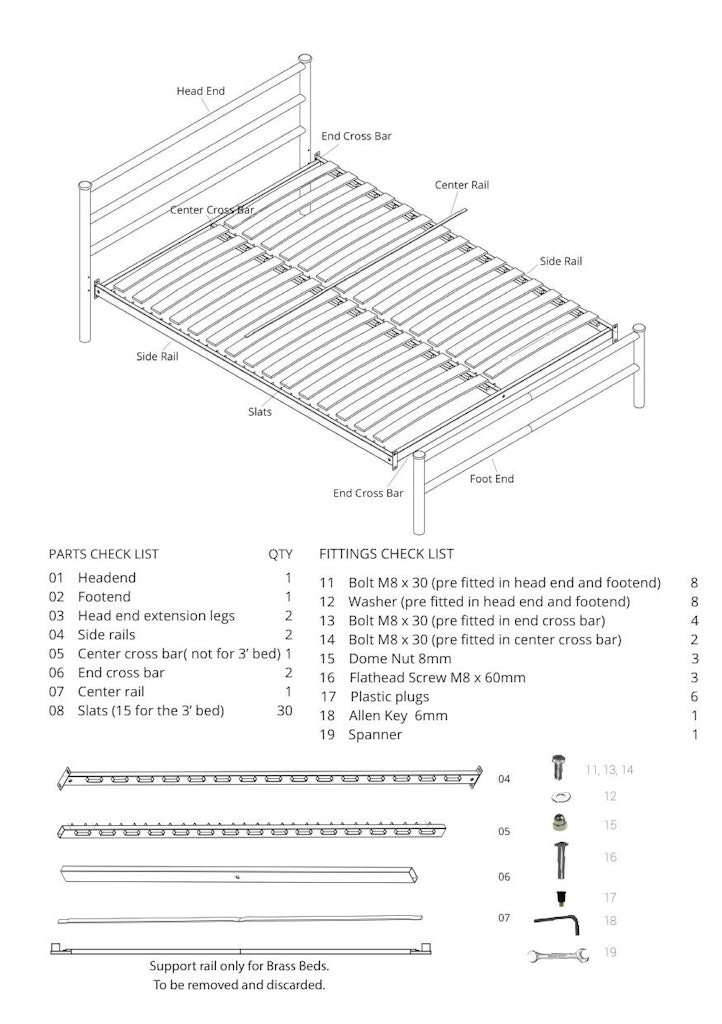
- Cross-reference every part against the manual’s inventory list immediately
- Group identical hardware in separate containers (one for bolts, one for washers, etc.)
- Identify the “male” cam locks (round dowels) and “female” connectors (cam mechanisms) in modern frames
- Lay out the four main structural pieces: headboard, footboard, and two side rails
This organization prevents the #1 assembly mistake—discovering missing parts after you’ve partially assembled the frame. If anything’s missing, contact the manufacturer before proceeding.
Build Your Queen Bed Frame in This Exact Order

Following the correct sequence prevents frustration and ensures structural integrity. Many people try to attach the center support too early or tighten everything immediately, creating alignment issues that compound as you work.
Connect Headboard and Side Rails with Precision Alignment
The headboard-to-rail connection determines your entire frame’s stability. Get this step right and the rest falls into place:
- Position the headboard vertically with manufacturer labels facing up (this orientation matters for cam lock systems)
- Align the pre-drilled holes on the headboard with the cam lock mechanisms on the side rail
- Insert cam dowels finger-tight—just enough to hold them in place
- Rotate the cam locks clockwise with an Allen wrench until they click into position
- Repeat for the opposite side rail, but don’t fully tighten yet
Critical Squareness Check: Measure diagonally from top-left to bottom-right corner, then top-right to bottom-left. These measurements must be identical. If they differ by more than 1/4 inch, gently tap misaligned corners with your rubber mallet until measurements match. A square frame prevents wobbling and uneven mattress wear.
Install Center Support System Before Attaching Footboard
Most queen size bed frames require center support to prevent mattress sagging—you’ll compromise structural integrity if you skip this:
- Slide the center support rail through the designated slots on both side rails
- Attach the vertical support leg to the center rail using the provided bolts
- Position the leg assembly so it stands perpendicular to the floor
- Adjust the leg’s height-adjustment foot until the entire assembly sits level
Warning: Never position the center leg directly under heavy mattress seams—this creates pressure points that accelerate wear. Center it between standard mattress coils or foam sections instead.
Secure Footboard with Final Alignment Verification
With the headboard and center support in place, attaching the footboard becomes straightforward:
- Lift the footboard into position, aligning its cam locks with the side rails
- Insert and rotate cam dowels as you did with the headboard
- Double-check diagonal measurements again—adding the footboard often shifts alignment
- Make final micro-adjustments by loosening one cam lock at a time while keeping others secure
This sequential approach—headboard first, then center support, then footboard—prevents the frame from racking (twisting out of square), which causes most long-term stability issues.
Tighten Everything Properly to Prevent Annoying Squeaks
This is where most DIYers fail—either under-tightening (causing movement and noise) or over-tightening (stripping cam locks). The correct method makes the difference between a silent frame and one that wakes you at 2AM.
Professional Tightening Sequence:
Start at the center of the frame and work outward in a star pattern:
- Tighten the center support leg bolts completely
- Move to the center cam locks on headboard and footboard
- Progress toward the outer corners, tightening each connection incrementally
- Make three passes: first to snug, second to firm, third to final tightness
Use your drill’s lowest torque setting for the final passes—most cam lock failures happen from excessive force. When properly tightened, you should feel resistance but not struggle to turn the wrench.
Pro Tip: Apply a tiny dab of bar soap to bolt threads before insertion. This creates a lubricating barrier that prevents “squeak points” where wood rubs against hardware under pressure.
Avoid These 4 Costly Assembly Mistakes
Even experienced furniture assemblers make these preventable errors that compromise your queen size bed frame’s longevity:
Mistake #1: Ignoring Floor Imperfections
Uneven floors cause constant stress on frame joints. Place your level across the side rails before adding the mattress. If the bubble isn’t centered, use thin cardboard shims under the low legs—not by twisting the frame out of square.
Mistake #2: Forcing Misaligned Parts
If cam locks don’t slide smoothly into place, don’t hammer them. Recheck part orientation—many frames have left/right specific components that look identical but won’t align properly when reversed.
Mistake #3: Skipping the Settling Period
New wood frames compress slightly under mattress weight. Re-tighten all connections after 48 hours of regular use. I recommend setting a phone reminder for one week after assembly.
Mistake #4: Using Inappropriate Tools
Standard screwdrivers often slip and strip cam lock heads. Use the exact Allen wrench size specified in your manual—typically 4mm or 5mm for queen bed frames.
Final Stability Checks Before Mattress Placement
Don’t assume your work is done once the frame stands upright. These three tests catch issues before they become sleep-disrupting problems:
- Rock Test: Apply firm pressure to each corner while the frame stands empty. No movement should occur at joints—excessive play means under-tightened connections.
- Weight Test: Sit gently on each edge of the frame. Listen for any creaking sounds that indicate rubbing wood or loose hardware.
- Slats Check: Ensure all slats sit completely within their grooves with no overhang. Bent or improperly seated slats create weak spots that fail under mattress weight.
Place your mattress only after passing all three tests. If you hear any noises during the weight test, identify the source by pressing different frame sections individually—most squeaks come from just one loose connection.
Maintain Your Queen Bed Frame for Years of Silent Support
A properly assembled queen size bed frame should last 10+ years with minimal maintenance. Extend its lifespan with these simple habits:
- Quarterly Tightening: Check all connections every three months using the star pattern method
- Seasonal Rotation: Rotate your mattress head-to-foot every six months to distribute wear evenly
- Dust Prevention: Vacuum under the bed monthly to prevent dust buildup that attracts moisture
- Humidity Control: Keep bedroom humidity between 40-50% to prevent wood expansion/contraction
When you assemble your queen size bed frame correctly using this systematic approach, you’re not just building furniture—you’re creating the foundation for better sleep quality. That initial investment of careful assembly pays off every night with silent, stable support that lets you wake up refreshed. Now that your frame stands strong and silent, all that’s left is to add your mattress and enjoy the results of your work.


