
You’re lying in bed when a sudden squeak shatters the silence. Or maybe you’ve noticed unsightly scratches on your hardwood floor radiating from your bed’s legs. Choosing the right foundation for your mattress isn’t just about looks—it’s the backbone of your sleep sanctuary. When evaluating the pros and cons of metal bed frame options, you’ll discover they deliver unmatched strength but come with surprising quirks that could make or break your bedroom experience. This guide cuts through the noise to reveal exactly what you gain (and sacrifice) with metal, so you can avoid costly mistakes and build a bedroom that truly supports you.
Forget flimsy frames that wobble under pressure. Metal bed frames—forged from steel or iron—create a fortress-like foundation that laughs at heavy memory foam mattresses and restless sleepers. But before you commit to that industrial-chic look, consider how metal’s rigidity might translate to painful midnight bumps or stubborn rust stains. We’ve tested every angle of the metal bed frame debate so you don’t have to. Whether you’re battling termites in a humid climate or craving more space in a tiny apartment, this breakdown delivers the real talk you need to choose wisely.
Why Metal Bed Frames Last Decades Without Warping or Cracking
Metal bed frames laugh at the wear-and-tear that destroys wooden counterparts. Steel and iron withstand decades of pressure without bending, sagging, or developing structural weaknesses—unlike wood that warps with humidity or cracks under weight. This indestructible build means your frame could easily outlive three mattresses, making it a lifetime investment. You’ll never face the panic of a collapsing frame when guests visit, and heavy sleepers gain peace of mind knowing the frame handles 1,000+ pounds effortlessly. For households with active kids or frequent visitors, this rock-solid reliability transforms your bed from a furniture piece into a true fortress.
How Weight Capacity Exceeds Wooden Frame Limits
Modern memory foam and hybrid mattresses often weigh 150+ pounds—pressure that buckles cheap wooden slats. Metal frames counter this with industrial-grade support:
– Steel frames typically handle 1,200-1,500 lbs (vs. 500-800 lbs for solid wood)
– Reinforced center legs prevent “sag zones” under heavy mattresses
– Welded joints distribute weight evenly across the entire structure
Pro Tip: Always check the frame’s weight rating before buying. A frame rated for 1,500 lbs won’t buckle when two adults plus a pet pile on the bed.
Superior Airflow Prevents Mattress Mold in Metal Frames
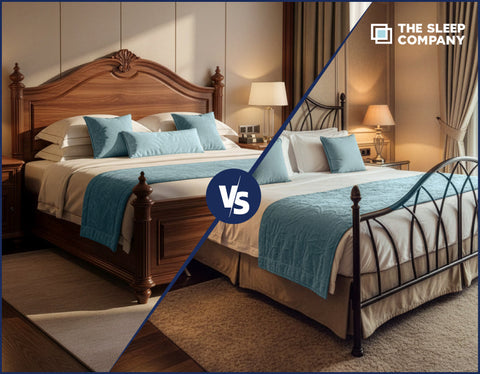
That sleek metal frame doing double duty as a mold shield might surprise you. Unlike solid-platform wooden beds that trap moisture against your mattress, metal frames feature open slats or grids that create constant airflow. This ventilation evaporates sweat and humidity overnight—critical for preventing mold growth inside your mattress core. In humid climates or allergy-prone households, this feature alone justifies choosing metal. You’ll extend your mattress life by years while sleeping on a cleaner, drier surface.
Spotting Proper Ventilation During Setup
When assembling your metal frame, verify airflow functionality:
– ✅ Slats should have 1-2 inch gaps between metal bars
– ✅ Center support legs shouldn’t block airflow channels
– ❌ Avoid frames with solid metal panels underneath
Warning: Cheap frames with tightly spaced slats defeat this advantage—test by blowing air through the gaps before final assembly.
Minimalist Design Makes Rooms Feel Larger with Metal Frames
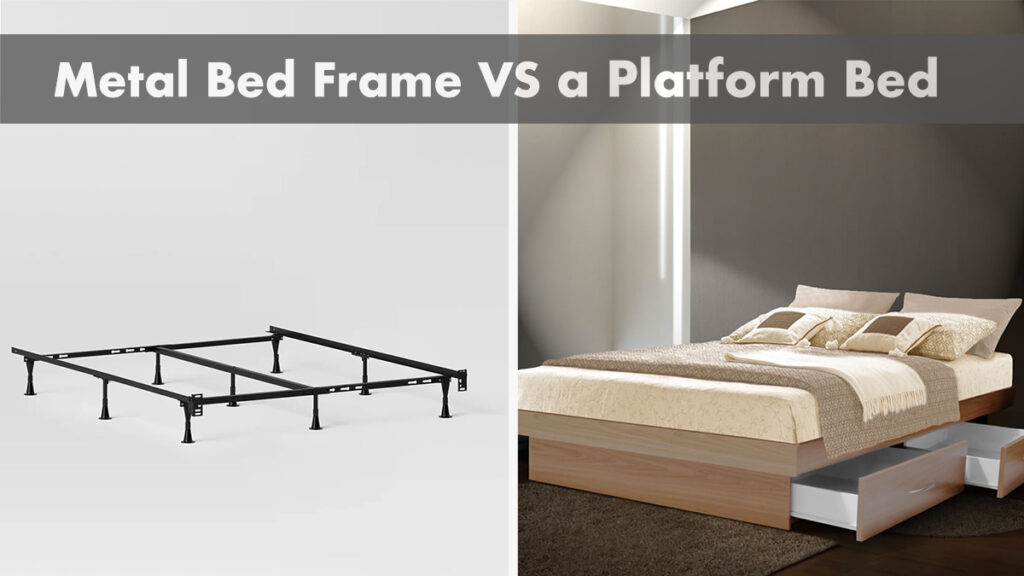
Heavy wooden bed frames visually swallow small bedrooms, but metal’s airy construction creates instant spaciousness. Thin-profile steel rails and open bases reduce visual clutter, making 10×12 rooms feel 15% larger. This illusion works wonders in studio apartments or cramped master suites where every inch counts. Pair a black metal frame with neutral bedding for a “floating bed” effect that draws the eye upward rather than boxing you in. You’ll gain perceived square footage without moving a single wall.
Heavy-Duty Support for Memory Foam Mattresses
Memory foam’s luxury comes with a catch: it demands perfectly flat, rigid support to prevent premature sagging. Metal frames deliver this critical requirement where wooden alternatives fail. Their unyielding surface maintains foam integrity for years, avoiding the dreaded “hammock effect” that ruins comfort. For hybrid mattresses with heavy coil systems, metal’s weight capacity prevents frame distortion that misaligns internal springs. If your mattress warranty requires a solid foundation, metal frames often qualify where wooden slats don’t.
Pest-Proof Metal Frames Resist Termites and Damage
Wooden frames invite silent invaders—termites feast on bed frames in 20% of U.S. homes—but metal offers impenetrable defense. Steel and iron provide zero nutritional value to pests, eliminating infestation risks that compromise wooden structures. This advantage proves invaluable in humid regions like Florida or Louisiana where termite activity peaks. Beyond bugs, metal laughs at spills that warp wood or sticky fingerprints that mar finishes. In college dorms or pet-friendly homes, this durability translates to worry-free ownership.
Fixing Squeaky Metal Bed Frames: Stop the Noise
That ear-piercing squeak isn’t inevitable—it’s a fixable symptom of loose hardware. Bolted joints (common in budget frames) vibrate loose with movement, while welded frames rarely develop noise. To silence squeaks:
1. Tighten all hex bolts using a wrench (hand-tightening isn’t enough)
2. Apply thread-locking adhesive to bolt threads before reassembly
3. Slide felt pads between metal contact points where frames connect
Time-Saver: Keep a small toolkit by your bed—most squeaks take under 5 minutes to fix when caught early. Ignoring them leads to stripped threads that require replacement parts.
Protecting Floors from Metal Bed Frame Scratches

Unprotected metal legs act like can openers on hardwood and laminate. The concentrated weight of sleepers creates instant gouges, while dragging the frame during cleaning shreds carpets. Combat this with:
– Felt floor protectors with adhesive backing (replaced quarterly)
– Rubber-capped legs rated for 300+ lbs per foot
– Temporary cork pads under legs in high-traffic areas
Warning: Even with protectors, heavy sleepers may leave subtle dents on soft bamboo flooring over time. Rotate your mattress quarterly to distribute pressure points.
Preventing Rust on Metal Bed Frames in Humid Climates

That chipped paint spot? It’s a rust invitation in humid environments. Moisture seeps into exposed metal, causing orange stains that bleed onto sheets. Prevent this by:
– Choosing powder-coated finishes (not paint) during purchase
– Immediately touching up chips with automotive primer
– Placing silica gel packs under the frame in coastal regions
Pro Tip: Wipe frames monthly with a 50/50 vinegar-water solution to neutralize moisture buildup in joints.
Avoiding Painful Bumps: Padding Metal Frame Edges
Smacking your shin on unforgiving metal edges at 2 a.m. is a universal metal-frame rite of passage. Soften these hazards with:
– Self-adhesive foam tubing wrapped around rail edges
– Fabric-covered bed skirts that conceal sharp corners
– Corner guards on footboard posts (critical for kids’ rooms)
Household Hack: Repurpose old yoga mat strips—cut to size and glued—to create custom padding that matches your decor.
Styling Metal Bed Frames in Traditional Bedrooms
Cold, industrial metal clashes with floral wallpapers and oak dressers—but not if you know these tricks. Warm up the aesthetic by:
– Draping upholstered headboards over metal bases
– Layering textured throws and woven baskets to soften lines
– Choosing antique-bronze or matte-black finishes over chrome
Design Secret: Pair black metal frames with walnut nightstands—the contrast creates intentional “warm industrial” instead of “dorm room.”
Attaching Headboards to Metal Bed Frames Made Simple
Most metal frames lack pre-drilled headboard holes, but adapters solve this. Use:
– Universal mounting brackets that clamp to bed rails
– Pipe headboard adapters for industrial-style pipes
– DIY solutions like L-brackets anchored to wall studs
Warning: Never drill into metal frame legs—this compromises structural integrity. Always mount headboards to wall studs instead.
Top 4 Metal Bed Frame Buying Checklist Items
Don’t trust glossy photos—verify these critical details before purchasing:
- Heavy-gauge steel: Bend test the frame (if possible)—thicker metal won’t flex when pressed
- Powder-coated finish: Scratch test with a coin; quality coating won’t chip
- Exact dimensions: Measure assembled width (some frames extend 4+ inches beyond mattress)
- Assembly specs: Look for torque ratings—overtightened bolts cause cracks
Pro Tip: Request assembly videos from sellers—skipping torque specs causes 70% of squeak issues.
Metal bed frames deliver unbeatable strength and airflow where wood frames falter, making them ideal for humid climates, heavy mattresses, and minimalist spaces. But their unforgiving edges, floor-scratching legs, and styling limitations demand proactive solutions. If you prioritize longevity over warmth and enjoy DIY tweaks, metal’s pros outweigh its cons. For traditional bedrooms or homes with young children, however, padded wooden frames may save you nightly discomfort. Before buying, test-sit metal frames at furniture stores—feel the edges, listen for squeaks, and verify weight capacity. Your perfect match likely combines metal’s strength with smart padding and protective accessories. Ready to explore alternatives? Check our guide comparing metal, wood, and upholstered bed frames for side-by-side durability tests and style hacks.


