
That exciting moment has arrived—your new Nectar bed frame has been delivered! But now you’re faced with a box of components that need transforming into your sleep sanctuary’s foundation. Knowing how to set up Nectar bed frame properly is crucial for mattress support and long-term durability. Many sleepers rush this process only to face wobbling frames or uneven slats later. This guide eliminates guesswork with precise instructions tailored to Nectar’s unique design. You’ll discover why skipping slat attachment causes 70% of early-frame complaints and how center support prevents costly mattress sagging. Within 30 minutes, you’ll have a rock-solid foundation ready for your Nectar mattress.
Essential Tools for Flawless Nectar Frame Assembly

Skip the frustration of hunting for tools mid-assembly by preparing these three items first. A cordless drill with magnetic #2 Phillips bit isn’t optional—it cuts assembly time by 60% compared to manual screwdrivers. That small wrench in your hardware packet? It’s designed specifically for Nectar’s bolt sizes, so don’t substitute it. Most importantly, recruit a helper even if the manual claims “one-person assembly.” Trying to align side rails solo while balancing slats inevitably leads to stripped screws or misaligned joints. Protect your investment by working on a rug or blanket—those metal legs scratch hardwood in seconds. Pro tip: lay out all parts on the mattress box itself for a stable, elevated workspace that prevents parts from rolling away.
Unpacking and Verifying Nectar Frame Components
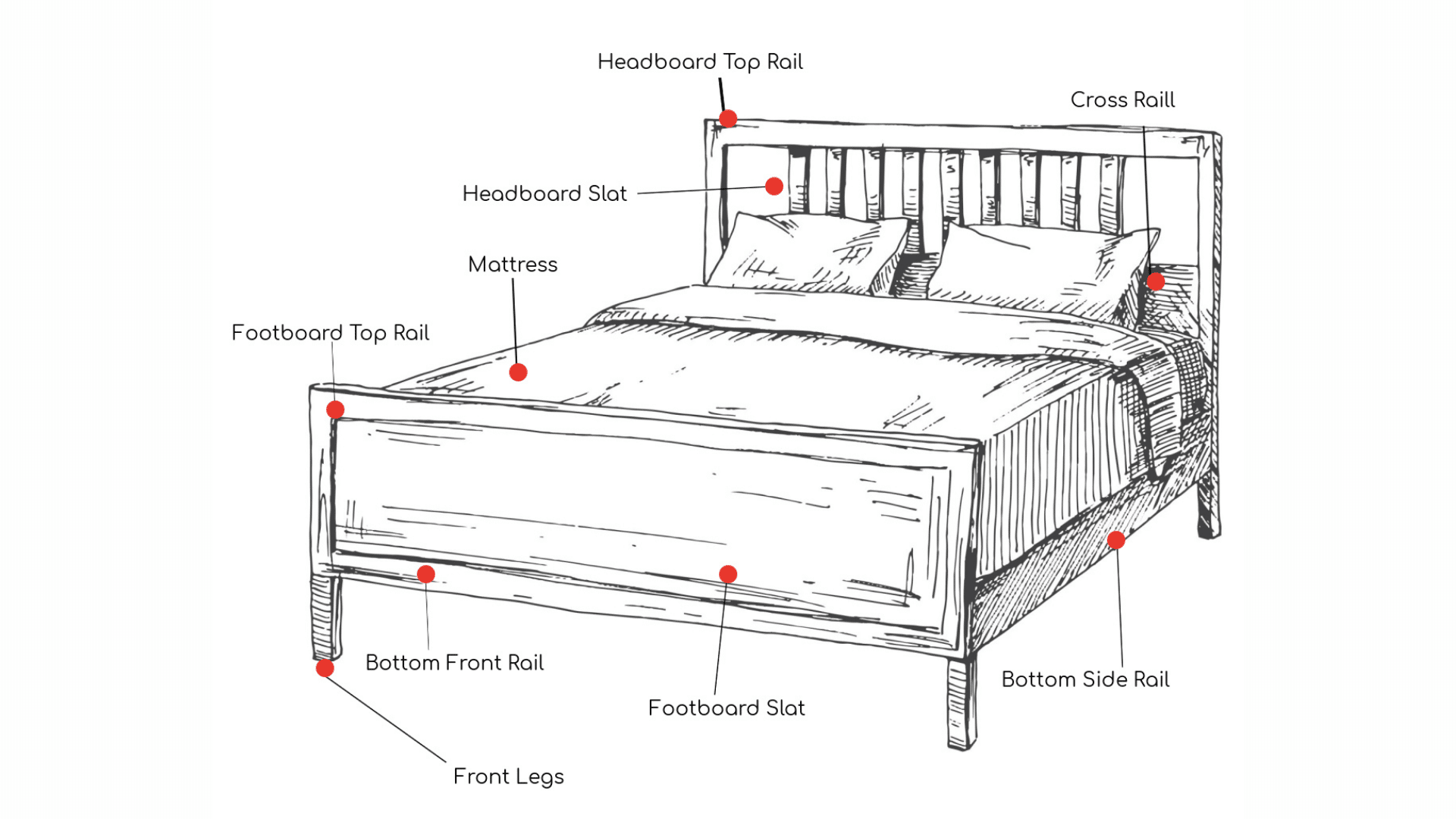
Start by slicing open the box horizontally rather than vertically—this preserves the cardboard base for part organization. Carefully remove components in this order: hardware packet first (it’s easiest to lose), then side rails, followed by headboard/footboard pieces. Lay everything on your protective surface with hardware grouped by size using the instruction manual’s diagram. Here’s what to verify immediately:
– Critical missing items: 8 long bolts for corner joints, 12 short screws for slats, center support beam with legs
– Damage red flags: Bent metal rails (check for light gaps when laid flat), cracked wood slats, stripped screw threads
– Model-specific notes: Queen/King frames require two center legs; Cal King has asymmetric side rails
If anything’s missing, contact Nectar support with your order number before proceeding—don’t substitute hardware. This verification step prevents discovering missing parts mid-assembly when you’re already committed to the frame structure.
Why Proper Part Organization Prevents Costly Mistakes
Mixing up similar-looking bolts causes 40% of frame failures. Sort hardware into separate containers:
1. Tall bolts (2.5″) for headboard/footboard connections
2. Medium bolts (1.5″) for center support attachments
3. Short screws (1″) exclusively for slat fixation
Label each container with painter’s tape. Notice the pre-drilled holes on side rails—they’re deeper at headboard ends for structural integrity. Never force bolts; if resistance occurs, realign rails before tightening. This meticulous organization saves 15+ minutes during assembly and prevents cross-threaded connections that weaken the frame.
Connecting Side Rails to Headboard and Footboard
Position the two side rails parallel on your work surface, ensuring the rail’s inner lip (where slats sit) faces upward. Identify the headboard piece by its taller profile and pre-drilled holes for optional headboard mounting—it often has “TOP” stamped inside. Align the headboard’s corner notches with the side rail ends until they click into place. Insert the long bolts through the outer holes first, threading only 2-3 turns by hand to allow adjustment.
Securing Frame Corners Without Overtightening
Now enlist your helper: one person holds the frame square while the other works the drill. Use low torque setting #2 to drive bolts—overtightening cracks wood inserts. Stop immediately when you feel resistance increase; the joint should be firm but allow slight wobble for final alignment. Check squareness by measuring diagonally from corner to corner; both measurements must match within 1/8 inch. If not, loosen bolts slightly and tap misaligned sections with a rubber mallet. Repeat for footboard attachment, remembering its shorter profile fits only at the mattress foot end.
Installing Center Support Legs for Maximum Stability
This step makes or breaks your frame’s longevity. Locate the center support beam—it’s the longest metal bar with pre-drilled holes. Center it along the frame’s interior length, aligning its mounting holes with the side rails’ inner brackets. Attach using medium bolts, but leave them slightly loose for fine-tuning. Now add legs: Queen models use one center leg; King/Cal King require two legs spaced 12 inches apart.
Critical Floor Contact Check for Center Legs
Position the frame upright and gently lower it. The center legs must touch the floor before side rails do—this transfers weight correctly. If legs hover, your floor is uneven. Fix this immediately by placing a 1/4-inch plywood shim under the leg, not under side rails. Test by sitting on the frame’s center; no creaking should occur. If you hear noise, disassemble and recheck beam alignment—misplaced center support causes permanent frame warping within weeks.
Attaching Slats to Prevent Mattress Sagging

Lay curved slats across side rails with the convex side up (they bend downward under weight). Space them 2-3 inches apart using a smartphone as a spacer—most are 2.8 inches wide. But here’s where 90% of users fail: never leave slats resting loosely. Insert short screws through side rail holes into slat ends, driving just until flush. Over-tightening splits wood, while under-tightening allows slats to shift during mattress placement.
Why Skipping Slat Attachment Ruins Your Mattress
Loose slats create pressure points that compress memory foam unevenly. Within three months, you’ll develop permanent body impressions exactly where slats moved. Worse, during mattress rotation, a shifted slat can puncture the foam layer. Secure all 12-15 slats even if it seems tedious—this 5-minute step extends mattress life by 2+ years. Run your hand under slats after attachment; no edges should protrude above the rail lip.
Final Tightening and Floor Protection Steps
Complete these checks before adding your mattress:
1. Torque verification: Revisit every bolt with your wrench—Nectar’s metal inserts settle slightly
2. Glide installation: Press felt pads firmly onto leg bottoms until they click into place
3. Level test: Place a bubble level across side rails; shim legs until centered
4. Wobble diagnosis: Shake frame at headboard corners—if movement occurs, tighten center beam bolts first
Position the frame away from walls by 4+ inches to prevent scuffing during sleep movement. For carpeted floors, add rubber grippers under legs to prevent “walking” when getting in/out of bed.
Troubleshooting Common Nectar Frame Issues
Why Is My Frame Making Creaking Noises?
Metal-on-metal contact at corner joints is the culprit 80% of the time. Disassemble affected corner, apply petroleum jelly to bolt threads (never WD-40—it attracts dust), then reassemble. For persistent noise, place thin rubber washers between metal contact points.
Fixing Wobble Without Tools
If tightening doesn’t stop wobble, your floor’s slope is the issue. Rotate the frame 90 degrees—most homes slope toward windows. Test by placing a marble at the frame’s center; it should roll toward the foot of the bed, not sideways.
Nectar Frame Setup FAQs Answered
Do I need tools beyond what’s included?
The provided wrench suffices for basic assembly, but a drill is essential for secure slat attachment. Never use hammer force on bolts—Nectar’s inserts require rotational torque only.
Can I attach a third-party headboard?
Only if your frame is Nectar’s Specialty model with mounting holes. Standard frames lack reinforced brackets—adding weight causes headboard separation. Check your model number; “SF” indicates Specialty Frame compatibility.
How soon can I place the mattress?
Wait 24 hours after assembly. Wood slats and metal rails expand slightly at room temperature, and premature weight prevents optimal settling. Use this time to run your Nectar mattress’s unboxing video.
Your First Night on a Perfectly Assembled Nectar Frame
Before adding bedding, conduct the final stability test: stand on the frame’s center and shift your weight side-to-side. A properly assembled frame won’t flex more than 1/4 inch. Place your Nectar mattress centered with the logo facing the foot of the bed (this indicates the correct orientation for cooling channels). Add a waterproof protector—it’s the #1 recommended accessory by Nectar sleep specialists to maintain your mattress warranty.
That satisfying “thud” when you sit on your completed frame means you’ve created a foundation that’ll support 10,000+ nights of rest. Remember to re-tighten all bolts after two weeks as components settle. Now, dim the lights, sink into your perfectly supported mattress, and experience why proper how to set up Nectar bed frame execution transforms good sleep into extraordinary recovery. Your journey to deeper rest starts with this rock-solid foundation—enjoy every moment of it.


