
You’re staring at your bedroom, frustrated by how cramped it feels despite minimal furniture. That towering traditional bed seems to swallow the space whole, making your apartment feel like a shoebox. Or perhaps you’ve caught your toddler attempting a risky leap from their high bed after a nightmare—again. If you’re seeking relief from these common frustrations, a low bed frame isn’t just a trendy design choice; it’s a practical solution transforming bedrooms nationwide. Sitting just 10-14 inches off the ground, these frames deliver surprising advantages that extend far beyond aesthetics. Discover why the benefits of a low bed frame are making them the secret weapon for modern sleepers seeking safety, spaciousness, and serene style—all while solving real problems you face daily.
This isn’t about sacrificing comfort for looks. Low-profile frames actively enhance your sleep environment by eliminating wobble during restless nights, creating breathing room in tight quarters, and simplifying routines like changing sheets. Forget the misconception that “low” means “less.” We’ll unpack exactly how this design delivers tangible improvements to safety, spatial perception, and daily convenience. By the end, you’ll understand precisely why homeowners from minimalist apartment dwellers to safety-conscious families are making the switch—and how to choose the perfect frame for your unique needs.
Why Low Bed Frames Prevent Tipping and Reduce Fall Risks

That unsettling wobble when you shift positions? It vanishes with a low bed frame’s physics-defying stability. By sitting significantly closer to the floor, these frames establish a lower center of gravity that resists tipping during movement—critical for active sleepers or couples sharing the bed. Unlike taller frames that can sway under pressure, the grounded design distributes weight evenly across the entire structure, creating a rock-solid foundation that won’t compromise during midnight tosses and turns.
How Low Profiles Protect Children and Pets During Sleep
Families gain an immediate safety upgrade: the reduced fall height minimizes injury risks for toddlers who roll out of bed or pets jumping down. A standard bed’s 24-inch height poses serious fall hazards, while a low frame’s 12-inch clearance dramatically lessens impact severity. Place a soft rug underneath for extra cushioning, and you’ve created a near-fall-proof zone. For parents, this means fewer panicked midnight checks and genuine peace of mind when little ones transition from cribs.
What to Check for Maximum Frame Stability
Inspect the frame’s construction before buying—solid wood or thick steel slats prevent sagging. Wiggle-test it in-store: any lateral movement indicates weak joints. Opt for designs with center support legs spanning the full width, especially for queen/king sizes. These legs anchor the frame to the floor, eliminating the “seesaw” effect common in flimsy platforms. Proper assembly is non-negotiable; overtightened bolts can strip wood, while loose ones cause dangerous wobbling.
How Low Bed Frames Create Space in Apartments and Lofts
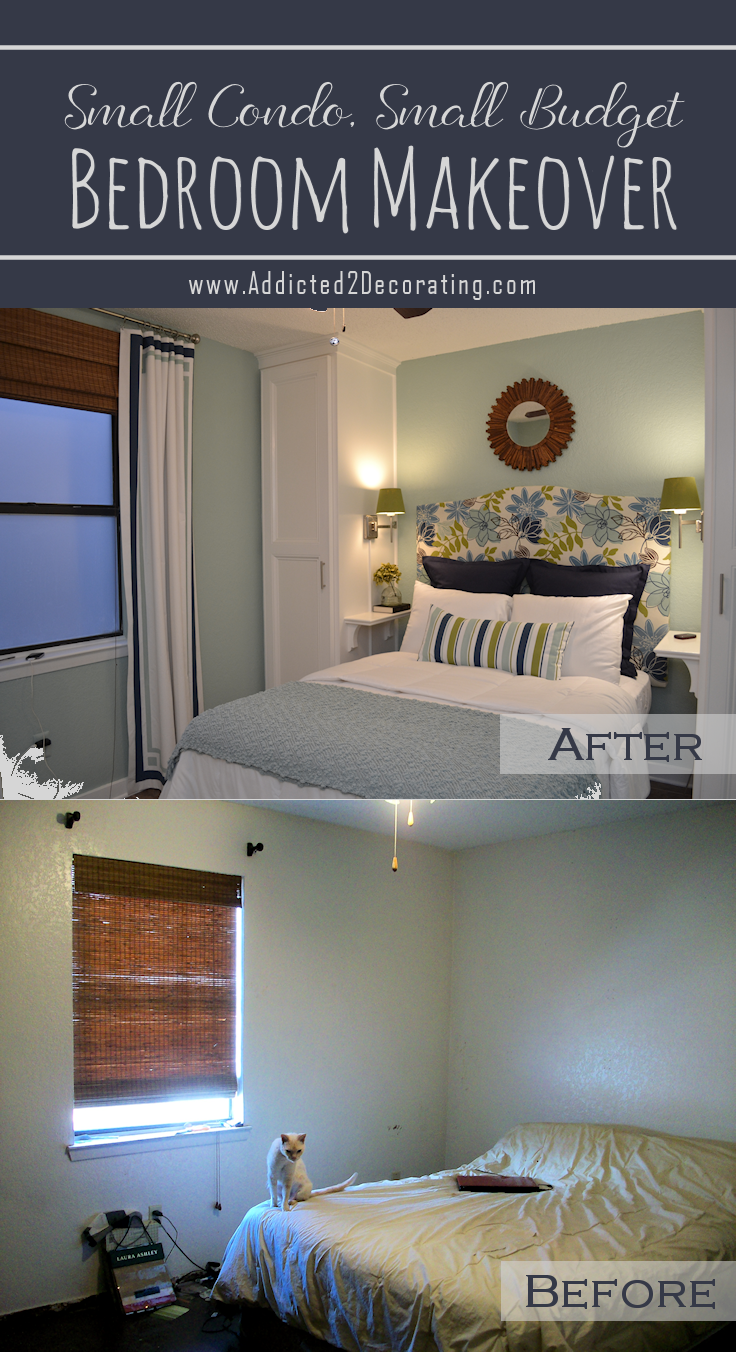
Your cramped studio suddenly feels expansive when you ditch the bulky bed frame dominating the room. Low-profile designs work like visual magic by lowering the room’s perceived weight, drawing the eye upward to emphasize ceiling height. This trick is transformative in spaces with 8-foot ceilings or lower, where tall furniture creates oppressive “cave-like” vibes. By sitting nearly flush with the floor, these frames make walls appear taller and floors stretch further—no renovation required.
Maximizing Small Bedrooms with Strategic Placement
Place your low frame against the longest wall to amplify depth perception. Pair it with floating nightstands to maintain unbroken floor lines, enhancing the airy effect. In studio apartments, position the bed perpendicular to the main living area; the low height prevents it from visually “blocking” the space, keeping your kitchen and living zones feeling connected. Avoid heavy bed skirts—they reintroduce visual bulk that negates the space-saving benefit.
Why Renters and Urban Dwellers Prioritize Low Frames
For apartment dwellers fighting square-footage battles, every inch counts. Low frames eliminate the “towering” presence of traditional beds, making 400-square-foot studios feel navigable. They also simplify moving—many disassemble into flat panels that fit elevators or stairwells. Urbanites report faster cleaning too: no crawling under high frames to vacuum dust bunnies, a critical perk when time is scarce between work and city life.
Achieving a Modern Minimalist Look Without Clutter
Forget the “bed as furniture” mentality. Low-profile frames vanish visually, letting your mattress and bedding become the focal point—a core principle of Scandinavian and Japandi design. Without box springs or raised foundations, these frames eliminate visual noise, creating a clean “floating” effect that reads as intentional rather than unfinished. The absence of bed skirts or valances further strips away ornamentation, aligning perfectly with the “less is more” ethos dominating contemporary interiors.
Material Choices That Elevate Your Aesthetic
Select materials that reinforce minimalism: light oak or walnut platforms add warmth without heaviness, while matte-black steel frames deliver industrial edge. Avoid ornate carvings or high-gloss finishes—they clash with the low frame’s understated elegance. Upholstered low frames in neutral linen or velvet offer texture while maintaining a low visual profile, ideal for blending comfort with sophistication in master suites.
Avoiding Common Style Pitfalls
Never pair a low frame with a towering headboard—it creates awkward proportions like a “bed on stilts.” Instead, choose headboards that sit flush with the mattress height or go headboard-free for ultimate minimalism. Steer clear of oversized nightstands; opt for wall-mounted shelves or slim cabinets that don’t compete with the bed’s clean lines. Remember: the frame’s strength lies in what it doesn’t add to your space.
Simplify Bed-Making: The Daily Low Frame Advantage
Struggling with fitted sheets on a high bed? Low frames slash bed-making time by 50% since you’re not stretching or balancing on tiptoes. Changing sheets becomes a one-person job—no more recruiting your partner to hold corners while you scramble for a step stool. The reduced height also prevents bedding from slipping off during the process, keeping your workflow smooth and frustration-free.
Effortless Under-Bed Access for Storage and Cleaning
Retrieve lost remotes or seasonal sweaters without contorting your body. Low clearance (typically 6-8 inches) is perfect for shallow rolling bins but discourages deep storage that attracts dust. For cleaning, slide a slim vacuum attachment underneath in seconds—no heavy lifting required. Pro tip: Use labeled, low-profile bins with handles for instant visibility of stored items.
Who Benefits Most from Easier Maintenance
Seniors or those with chronic pain find low frames revolutionary for daily upkeep. The reduced reach minimizes shoulder strain during sheet changes, while the stable platform supports weight when leaning to tuck in corners. For busy parents, faster bed-making means more morning minutes for coffee instead of wrestling with linens. This isn’t just convenience—it’s reclaiming time and energy lost to avoidable physical stress.
The Cozy Security of Sleeping Closer to the Ground
Many report deeper sleep in low beds, describing a “nestled” sensation that eases anxiety. Unlike elevated frames that can feel exposed, the grounded position creates subtle psychological safety—like sleeping in a protected nook rather than on a precarious ledge. This effect is especially valuable for light sleepers or those with nighttime fears, as the proximity to solid flooring provides tangible reassurance.
Why Low Frames Enhance Sleep Quality for Anxiety Sufferers
The reduced height minimizes disorientation upon waking, preventing that “where am I?” vertigo common with high beds. For trauma survivors or individuals with PTSD, the connection to the floor can foster emotional stability during vulnerable sleep hours. Pair your low frame with weighted blankets for compounded grounding effects that regulate nervous system responses.
Creating an Intimate Bedroom Sanctuary
Low frames naturally encourage a cocoon-like atmosphere. Layer floor pillows for lounging, add dimmable floor lamps, and choose textiles that pool gently around the base—activities feel more immersive when you’re closer to the earth. This setup transforms bedrooms from mere sleeping quarters into intentional retreats where stress dissolves before your head hits the pillow.
Choosing Your Perfect Low Bed Frame: Height and Storage Hacks
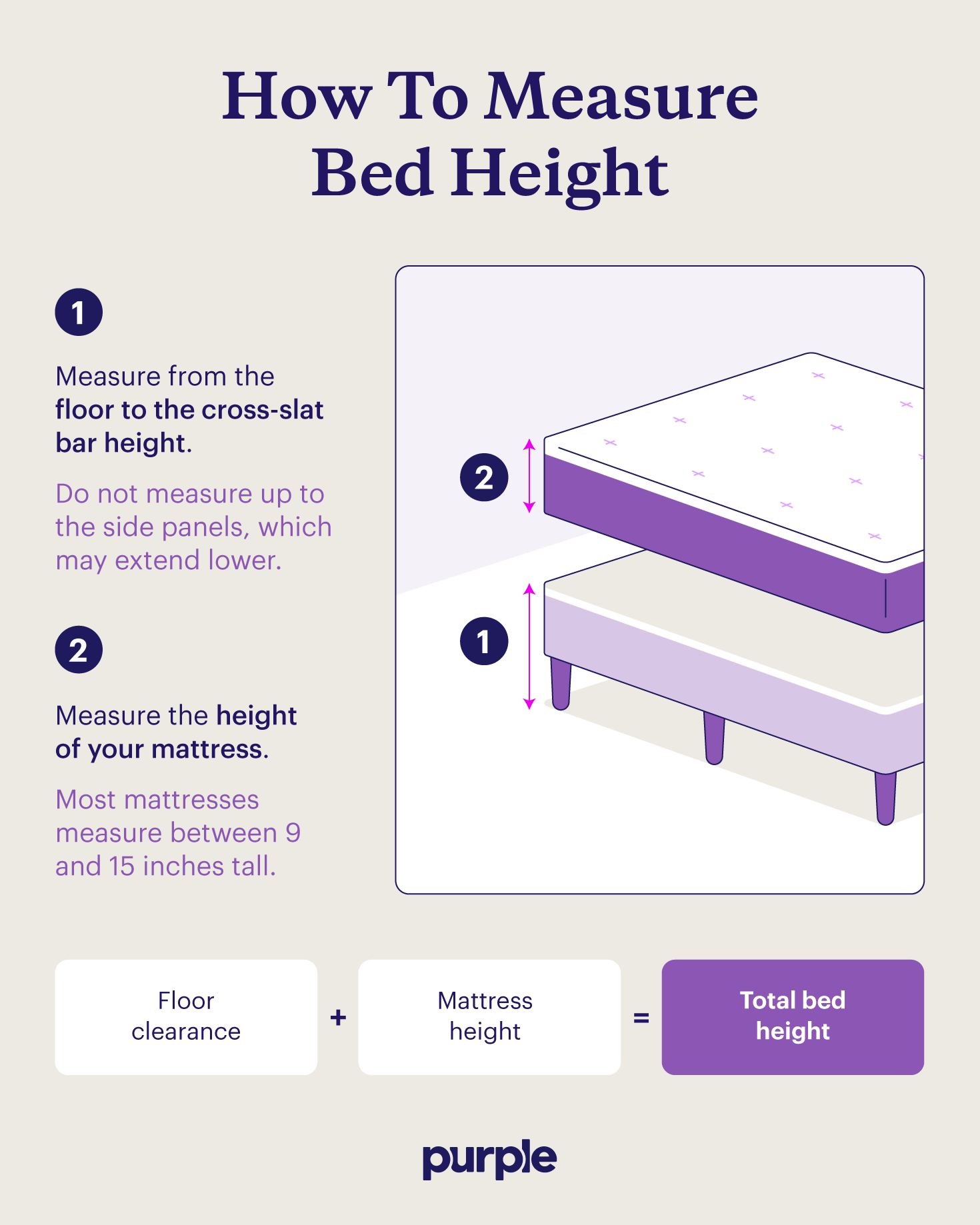
Measuring for Knee-Level Comfort
Sit on your current bed’s edge: your feet should rest flat with knees bent at 90 degrees. For most adults, this means the mattress top should sit 16-20 inches from the floor (including mattress thickness). Subtract your mattress height from this number to determine ideal frame height—e.g., a 12-inch mattress needs an 8-inch frame for optimal knee alignment. Test-sit frames in-store; discomfort here guarantees long-term strain.
Material and Storage Optimization Strategies
Prioritize solid wood or steel for durability—avoid particleboard that sags under memory foam mattresses. For storage, select frames with built-in drawers or open bases for rolling bins. Urban dwellers should consider frames with integrated USB ports and wireless chargers in nightstand-compatible designs, merging minimalism with modern functionality.
Low Bed Frame Downsides: Mobility and Cleaning Realities
Navigating the Sit-to-Stand Challenge
Rising from a low position requires more quad engagement, which can strain knees for seniors or those with arthritis. Combat this by adding a firm mattress topper (2-3 inches) for slight height gain without compromising the low-profile aesthetic. Place a sturdy chair beside the bed for leverage during morning routines—this small accommodation eliminates 90% of mobility issues.
Streamlining Under-Bed Maintenance
Use a cordless vacuum with a crevice tool for weekly dust bunnies—no disassembly needed. Place felt pads under storage bins to prevent floor scratches during retrieval. If allergies are a concern, skip fabric bins for smooth plastic containers that won’t trap dander. This targeted approach takes 2 minutes versus the 10+ minutes required for high-frame cleaning.
Why Minimalists, Families, and Urban Dwellers Choose Low Bed Frames
Minimalists gain uncluttered serenity through the frame’s visual “disappearance,” while families leverage its safety for children and pets. Urbanites maximize tiny footprints by eliminating wasted vertical space, and seniors appreciate easier access without sacrificing style. This isn’t a one-size-fits-all trend—it’s a targeted solution for modern living’s most pressing bedroom challenges. When the benefits of a low bed frame align with your specific needs, the upgrade pays dividends in safety, space, and sleep quality every single night.
Final Note: Measure twice—your frame’s critical height is from floor to mattress top, not the frame’s upper edge. This ensures your “low profile” delivers knee-friendly ergonomics while maintaining that coveted spacious aesthetic. Prioritize sturdiness over price; a wobbly low frame sacrifices all stability benefits. For small spaces, pair your frame with wall-mounted lighting to preserve floor area, creating a bedroom that breathes as freely as you will.


