
That final touch of a footboard transforms your bed from basic to beautiful—but wrestling with mismatched holes or missing hardware can turn assembly into frustration. If you’re struggling to attach footboard to bed frame correctly, you’re not alone. Many homeowners discover their sleek platform bed lacks the necessary attachment points, while others inherit mismatched vintage pieces that refuse to align. The wrong approach risks wobbly connections that compromise safety and sleep quality.
This guide cuts through the confusion with field-tested methods for every bed frame type. You’ll learn to identify your frame’s hidden attachment system in under 60 seconds, avoid the top three mistakes that cause stripped threads, and choose between direct bolting or universal brackets—all using tools you likely own. Whether you’re installing a $200 minimalist footboard or reviving a family heirloom, these steps ensure rock-solid stability without professional help.
Essential Tools and Safety Gear for Footboard Installation
Gathering the right equipment before starting prevents stripped bolts and mid-project delays. For most attach footboard to bed frame projects, you’ll need basic hardware compatible with your specific frame design—not random screws from your junk drawer.
Tools and Materials You’ll Need
- Phillips or flat-head screwdriver (match to bolt head type—check if your frame uses slotted or cross-head fasteners)
- Adjustable wrench or 10-14mm socket set (critical for controlled tightening without stripping)
- Carpenter’s level (non-negotiable for checking vertical alignment—$8 at any hardware store)
- Stable work surface (clear floor space larger than your bed frame)
- Second person (footboards shift unexpectedly; a helper prevents dropped hardware and misalignment)
Safety Gear Checklist
- Safety glasses (metal shavings or wood splinters fly during bolt insertion)
- Work gloves (protects knuckles when wrestling heavy wood against metal rails)
Never skip the gloves and glasses—overtightening bolts can snap hardware violently. I learned this the hard way when a stripped bolt ricocheted off my Craftsman wrench during a weekend project.
Step 1: Identify Your Bed Frame Type in 60 Seconds

Your frame’s design dictates whether you’ll bolt directly or need brackets. Misidentifying this wastes hours and risks damaging your investment.
Bed Frames With Pre-Drilled Holes
Most modern bed frames designed for footboards feature side rails with factory-drilled holes at the foot end. This is the simplest scenario for those trying to attach footboard to bed frame.
How to spot it: Kneel at the foot of your bed frame and examine both side rails. You’ll see a vertical column of 3-5 evenly spaced holes (usually ½-inch diameter) 2-4 inches from the end.
Compatibility check: Your footboard must have a matching metal mounting plate with identical hole spacing. If holes don’t align within ⅛ inch, stop—you need brackets.
Bed Frames Without Pre-Drilled Holes
Platform beds, IKEA-style frames, and minimalist metal bases often lack attachment points. Forcing bolts here cracks wood or bends rails.
Red flags: Solid wood panels or smooth metal tubes at the foot end with no visible holes, plates, or recessed hardware. Common culprits include solid pine platform frames and tubular steel designs.
Critical test: Place your footboard against the frame. If it floats 1-2 inches away with no contact points, brackets are mandatory.
Why Universal Bracket Kits Solve 90% of Problems
When your frame lacks holes, the Footboard Extension Brackets (Product X7680) create instant compatibility. Priced at $49, this kit works with standard frames like Model 1000004 and Craftlock systems.
How it bridges gaps: The L-shaped steel brackets bolt directly to your frame’s side rails, then accept the footboard’s mounting plate. No drilling required—it uses your frame’s existing structural points.
Pro tip: Measure your frame’s rail thickness first. Most kits accommodate 1.5-2 inch rails—if yours is thicker, seek heavy-duty brackets.
Step 2: Direct Bolting Method for Pre-Drilled Frames
When holes align perfectly, this 4-step process takes under 20 minutes. Skip this if your frame lacks holes—forcing bolts cracks wood.
Aligning Your Footboard Without Shifting
Position the footboard centered between side rails, ensuring the decorative side faces outward. Insert bolts loosely through the footboard’s mounting plate into the top and bottom frame holes first—this creates a pivot point. Have your helper hold it steady while you check alignment.
Achieving Perfect Vertical Alignment
Place your level vertically against the footboard’s outer edge. Adjust until the bubble centers, then check horizontally across the top rail. Critical mistake alert: Never assume your floor is level—adjust based on the bubble, not the floor. Tighten bolts in a star pattern (top-left → bottom-right → top-right → bottom-left) to distribute pressure evenly.
Final Tightening Without Stripping Threads
Hand-tighten all bolts first, then use your wrench for one-quarter turn increments. Stop when resistance increases sharply—overtightening strips wood threads instantly. Test by pressing firmly on the top rail; no movement should occur at attachment points.
Step 3: Bracket Method for Holeless Frames
For platform beds or minimalist frames, brackets are your only safe option. The Footboard Extension Brackets kit streamlines this process.
Mounting Brackets to Your Frame Correctly
Attach the vertical bracket arms to your side rails using the included lag bolts. Position them 1 inch from the frame’s foot end, ensuring both sit at identical heights. Use your level to verify they’re perfectly aligned before tightening—this prevents a tilted footboard.
Connecting the Footboard to Brackets
Slide the footboard’s mounting plate into the bracket’s U-channel. Insert the provided cross bolts through the plate and bracket slots. Hand-tighten while your helper holds the footboard plumb, then secure with washers and nuts.
Troubleshooting Common Bracket Issues
If the footboard wobbles after installation:
1. Recheck bracket height alignment with your level
2. Ensure all lag bolts are sunk fully into the frame’s structural rail (not just the outer edge)
3. Add rubber washers between metal brackets and wood to eliminate vibration
Step 4: Stability Tests That Prevent Midnight Disasters

Skipping these checks risks a collapsing footboard—especially during restless sleep.
The Two-Handed Shake Test
Grip the top rail firmly with both hands and push/pull horizontally. Any movement at attachment points means:
– Bolts aren’t fully seated (loosen and re-tighten)
– Hole alignment is off by more than 1/16 inch (add washers as spacers)
– Frame wood is compromised (stop immediately)
24-Hour Hardware Recheck Protocol
Wood and metal settle after initial assembly. Re-tighten all bolts exactly 24 hours after installation—this catches 80% of future wobble issues. Do this again after one week for heavy-use beds.
Silent Operation Verification
Press down firmly on each corner of the footboard. If you hear creaking:
– Sand rough contact points between wood and metal
– Apply furniture wax to bolt threads before reinserting
– Never use oil—it attracts dust that grinds hardware
Critical Mistakes That Cause Footboard Failures
Forcing Mismatched Hardware
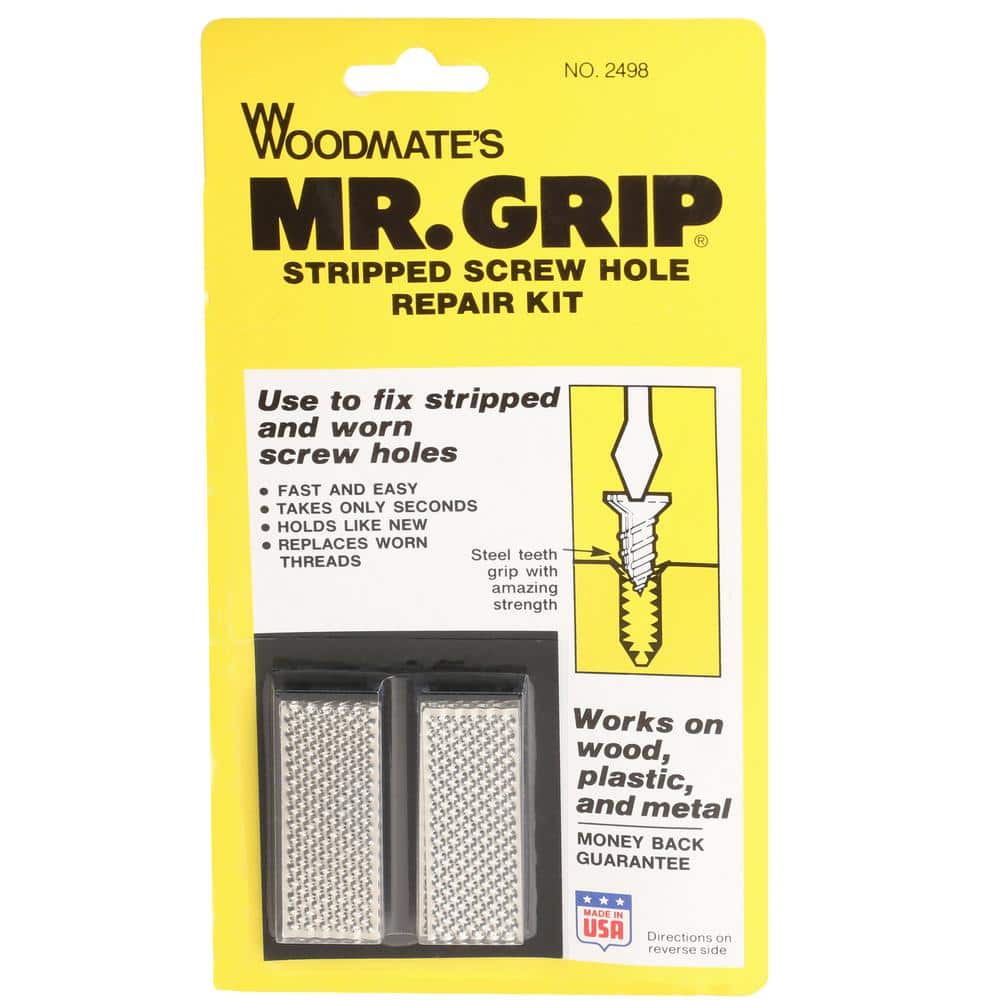
Using random bolts because “they fit” strips threads permanently. Your frame requires specific:
– Bolt diameter (common: ⅜-inch for wood, 5mm for metal)
– Thread length (must penetrate frame rail by 1.5x bolt width)
– Head type (flat heads sit flush; pan heads cause gaps)
Ignoring Alignment for “Good Enough” Fit
A footboard tilted just 2 degrees creates uneven stress. Within weeks, this cracks wood rails or bends metal. Always use a level—even on carpeted floors.
Overtightening by “Just One More Turn”
Wood compresses under pressure. Stop tightening when:
– You feel sudden resistance (wood fibers are compacting)
– Bolt head meets washer surface
– Further turns require significant force
When to Call a Professional Immediately
Attempt DIY only if:
– Your footboard weighs under 50 lbs (most solid wood exceeds this)
– Frame rails show no cracks, splits, or previous repair attempts
– You have clear access to all attachment points
Call a furniture technician if:
– You smell musty odors (indicates hidden wood rot)
– The frame bends when pressed near attachment points
– Previous owner used glue or makeshift brackets
Securing Your Footboard for Long-Term Stability
Successfully attach footboard to bed frame hinges on three non-negotiable steps: identifying your frame’s hidden attachment system, matching hardware precisely, and validating stability through rigorous testing. For pre-drilled frames, direct bolting works when hole alignment is perfect—but never force mismatched hardware. For the growing number of minimalist platform beds lacking attachment points, the Footboard Extension Brackets kit provides a $49 solution that avoids permanent frame modifications.
Remember that overtightening causes more failures than loose bolts—stop when resistance increases. Recheck all connections after 24 hours and one week, as wood compression creates hidden gaps. A properly installed footboard shouldn’t move when you push firmly on the top rail; if it does, disassemble and recheck alignment before use.
This final structural element transforms your bed from functional to exceptional—but only when anchored correctly. By following these field-tested methods, you’ll sleep soundly knowing your footboard won’t shift, creak, or collapse, turning assembly frustration into lasting satisfaction.
Final Note: Always consult your bed frame’s manual before drilling or modifying—many warranties void if non-approved hardware is used. For Craftlock frames or Model 1000004, the bracket kit (X7680) remains the manufacturer-endorsed solution for adding footboards safely.


