
Your headboard stares back at you every morning – stained, sagging, or covered in that outdated floral print you’ve tolerated for years. Before you spend hundreds on a replacement, know this: reupholstering a bed frame headboard takes less than one weekend and costs under $100. This isn’t just a DIY project; it’s your ticket to a luxury-looking bedroom without the designer price tag. You’ll learn exactly how to strip old fabric, choose battle-tested materials, and achieve that crisp, hotel-worthy finish professionals charge triple for. Forget complicated sewing – this method works for solid wood bases or existing panels, whether you’re a first-time crafter or seasoned DIYer.
Exact Tools Needed for Headboard Reupholstery Success
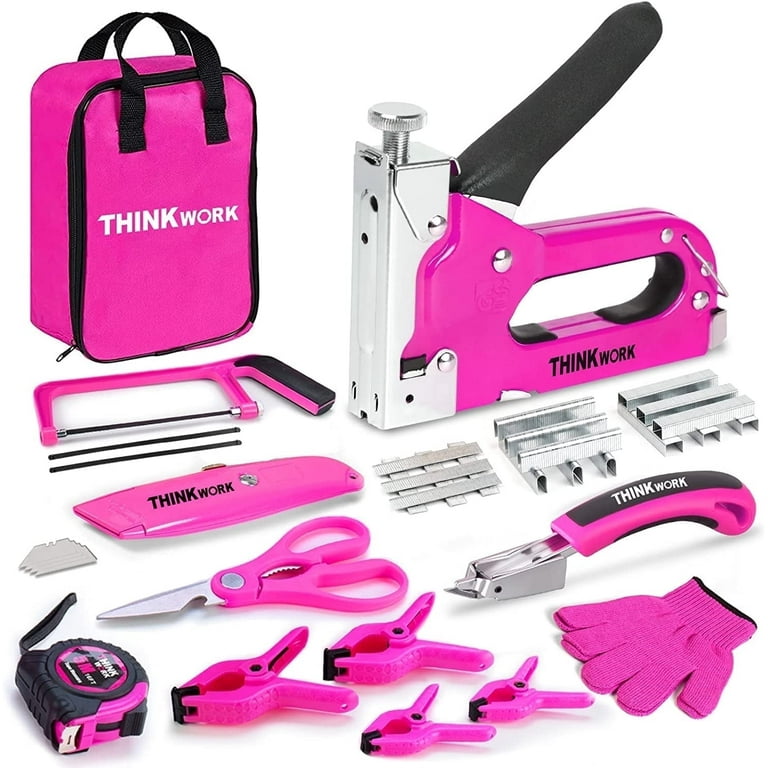
Skip the frustration of mid-project hardware store runs by gathering these 10 essentials before you start. The wrong staple gun or flimsy fabric guarantees wrinkles and sagging within weeks. For a headboard measuring 54″x30″, you’ll need:
- Upholstery Fabric (1.5 yards minimum): Choose medium-weight linen, velvet, or Crypton® for durability – never stretchy knits or thin cotton (they tear when pulled taut)
- 1.5″ High-Density Foam: Must spring back within 2 seconds when pressed (test at the store)
- Polyester Batting (1 yard): 3/8″ loft for smooth padding under fabric
- 1/2″ MDF Panel: Cut to your headboard dimensions (skip if re-covering existing panel)
- Professional Staple Gun: Bostitch T50 or equivalent (20-gauge, 1/4″-5/8″ staples)
- High-Temp Hot Glue Gun + 20 sticks: For securing fabric edges before stapling
- Spray Adhesive: 3M Super 77 for bonding foam to MDF
- Upholstery Scissors (8″): Sharp enough to cut through multiple fabric layers
- Staple Remover or Cat’s Paw Tool: For cleanly stripping old fabric
- Safety Gear: Cut-resistant gloves + ANSI Z87.1 safety glasses (staples will ricochet)
Pro Tip: Buy extra fabric for pattern matching – a 27″ repeat pattern needs 20% more yardage. Pre-wash cotton fabrics to prevent shrinkage later.
Stripping Old Fabric Without Damaging Solid Wood Bases
Critical first step: Your new upholstery’s success depends entirely on this prep phase. Rushing causes splintered wood and uneven surfaces that telegraph through new fabric.
Why Your Headboard Won’t Lie Flat After Reupholstering
Most sagging headboards start with incomplete stripping. Old staples left behind create pressure points that prevent smooth fabric tension. For solid wood headboards (common in antique frames), follow this sequence:
- Remove headboard from bed rails using a 3/8″ socket wrench – work on a padded worktable to avoid scratches
- Peel back fabric edges starting at the bottom center – look for hidden staples under piping
- Remove staples systematically: Insert staple remover under staple crown, lever upward while pulling fabric taut. Never pry sideways – this tears wood fibers
- Inspect for damage: Fill dents with wood filler; sand surfaces until smooth as glass (use 120-grit then 220-grit paper)
- Wipe clean with TSP solution to remove dust and old adhesive residue
Warning: Skip this step if your headboard has deep button tufting – that requires specialized rethreading (see “Advanced Tufting Fixes” below).
Cutting Foam and Fabric for Zero-Waste Results
Mismeasured foam creates lumpy edges that ruin your crisp finish. This method guarantees perfect alignment every time – no more fabric stretching or puckering.
How to Cut Foam Without Jagged Edges
Time-Saver: Complete in 15 minutes with one tool:
- Trace your MDF panel onto foam using a dull pencil (sharp pencils compress foam)
- Score perimeter with utility knife using light pressure (1/8″ deep)
- Make final cut with foam cutter wire (or serrated knife with slow sawing motion)
- Sand cut edges with 60-grit paper until smooth
Fabric Cutting Formula for Wrinkle-Free Stretch
Never guess yardage again: Measure headboard height + width, then add 16″. Example: 30″H x 54″W = 100″ total + 16″ = 116″ fabric length needed.
- Lay fabric face down on clean floor
- Place foam-covered MDF panel fabric-side down on material
- Pull fabric taut from center outward – no wrinkles should show on front surface
- Mark cutting line 8″ beyond panel edges on all sides
- Cut with upholstery shears in one continuous motion (no snipping!)
Visual Cue: When properly tensioned, fabric should feel like a drumhead – tight enough to bounce a quarter 2 inches high.
Stapling Like a Pro: The 5-Point Tension System

This is where 90% of DIYers fail. Random stapling causes fabric drift and sagging within months. Follow this sequence for permanent tension:
Why Your Fabric Sags Within Weeks (And How to Prevent It)
- Center anchor: Place single staple at exact center of top edge – this is your tension reference point
- X-pattern pull: Move to bottom center, pull fabric taut toward you, staple. Repeat for left/right centers
- Quarter-point stapling: Add staples midway between center and corners on all sides
- Corner hospital folds: Pinch fabric at corner, fold like an envelope (see diagram below), staple securely
- Final perimeter: Add staples 1″ apart along entire edge – never wider than 1.5″
CORNER FOLD DIAGRAM:

[Top fabric edge] → Fold down 2"

[Side fabric edge] → Fold over folded top

[Staple] through both layers
Critical Mistake: Skipping batting causes foam edges to show through thin fabrics. Always layer batting over foam before fabric application.
Attaching Your New Headboard Without Visible Hardware
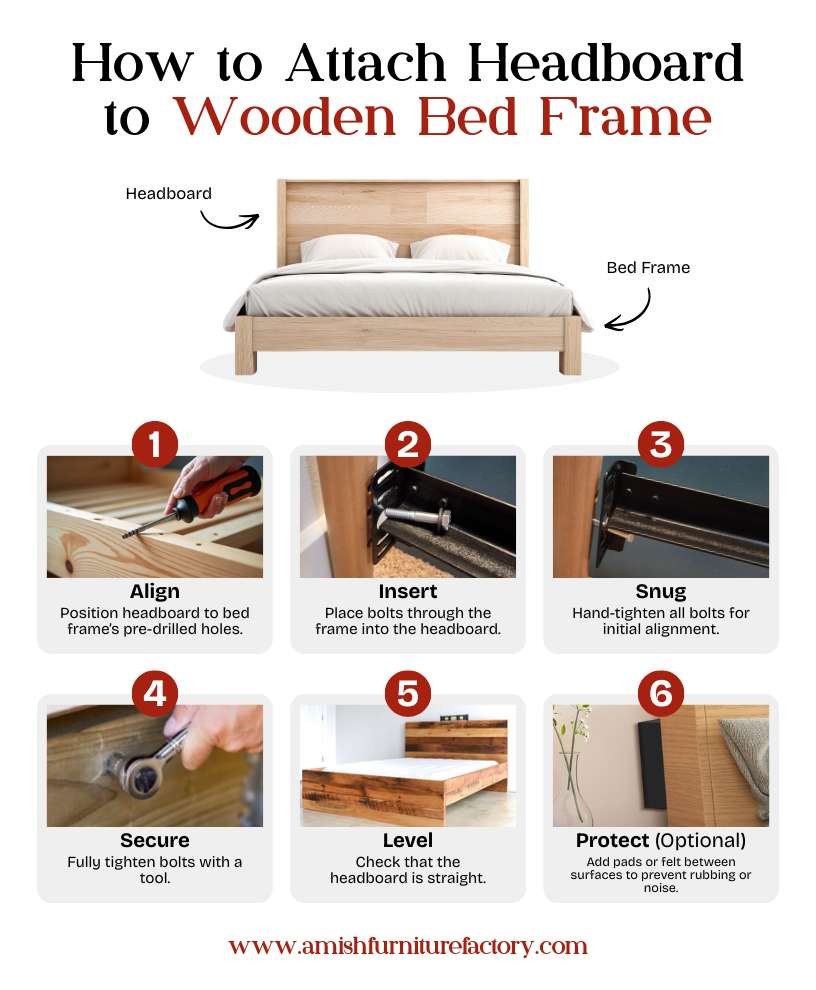
Mounting methods make or break your professional finish. Hidden screws beat decorative nails for solid wood bases – here’s why:
How to Secure Headboards That Never Shift
For solid wood frames (most antiques):
1. Position upholstered panel on front surface
2. Drill 3/16″ pilot holes through headboard back into panel (4 holes minimum)
3. Use 1″ #6 pan head screws – countersink 1/8″ deep
4. Cover holes with wood putty matching stain
For bed frames with mounting brackets:
1. Reinforce bracket holes with 2×2″ wood blocks glued inside frame
2. Use 3″ lag bolts instead of standard screws
3. Wrap bolt heads with matching fabric scraps before tightening
Pro Tip: Place headboard against wall for 24 hours before mounting – this compresses foam to final thickness.
Avoid These 3 Costly Headboard Reupholstery Mistakes
Why Your $80 Fabric Wasted in 1 Hour
Mistake #1: Using all-purpose glue instead of spray adhesive on foam. Result: Foam shifts during stapling, creating lumps. Fix: Apply 3M Super 77 in zig-zag pattern, wait 90 seconds before pressing foam to MDF.
Mistake #2: Stapling too close to edges. Result: Fabric tears when pulled taut. Fix: Maintain 3/4″ staple-to-edge distance – use a coin as spacer.
Mistake #3: Skipping the dust cover. Result: Raw staples show through when sitting up in bed. Fix: Cut black felt 1″ smaller than panel back, attach with hot glue every 2″.
Advanced Tufting Fixes for Button-Look Headboards
Deep button tufting requires specialized tools but elevates basic reupholstery. For existing tufted headboards:
- Remove old buttons using pliers (save for matching)
- Thread upholstery needle with 3 strands of polyester thread
- Pull thread through foam from front to back at tuft points
- Tie securely to existing webbing using double surgeon’s knot
- Cover knots with hot glue before reapplying fabric
Time Estimate: Adds 2+ hours but creates $500+ luxury appearance. For non-tufted headboards, skip this step.
Final Touches: The Hotel-Quality Finish Checklist
Your headboard isn’t done until it passes these professional tests:
- The pinch test: Grab fabric at center – no wrinkles should form when pulled 2″ away from surface
- Corner inspection: Hospital folds should lay completely flat with no fabric bunching
- Backside check: Staples spaced ≤1″ apart with no exposed foam edges
- Dust cover verification: Black felt fully conceals staples with 1/2″ overlap on all sides
Pro Maintenance Tip: Vacuum headboard monthly with upholstery brush attachment. Spot clean with foam-only cleaner – never saturate fabric.
Transforming your bed frame headboard takes less time than a Netflix binge session but delivers permanent value. You’ve now got the exact blueprint to avoid the pitfalls that ruin DIY upholstery – from precise foam cutting to tension techniques that prevent sagging. That headboard you’ve been ignoring? It’s about to become your bedroom’s showpiece. For tufted headboards, allow extra time for button rethreading, but stick to the 5-point stapling system we covered, and you’ll achieve results that look professionally installed. Ready for your next upgrade? Try reupholstering dining chairs using the same foam-and-tension principles – just scale down the materials. Your refreshed bedroom awaits.


