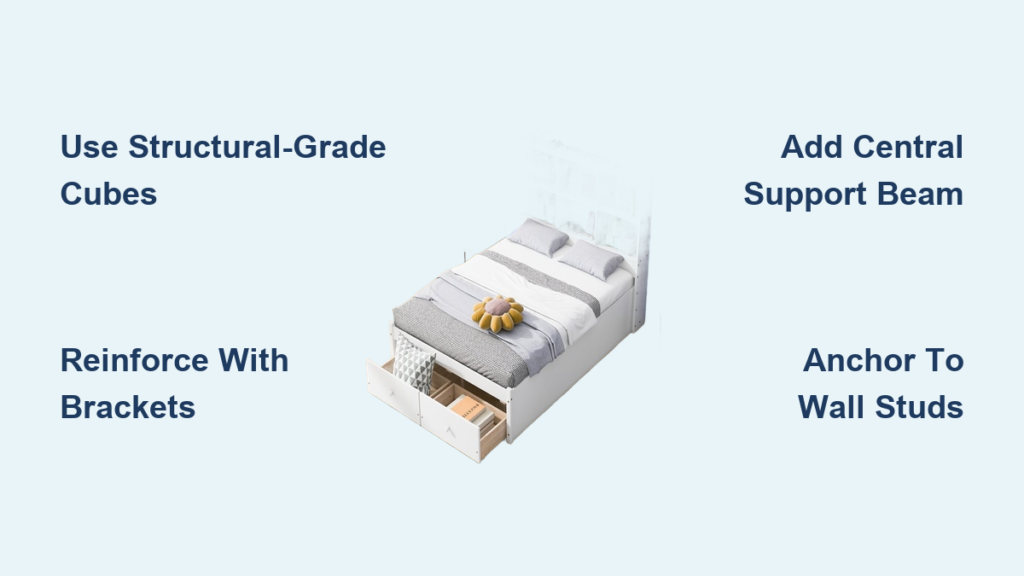
Waking up to your bed frame scraping across hardwood floors at 3 a.m. isn’t just disruptive—it’s actively damaging your floors and walls while sabotaging your sleep. If your bed frame slides every time you roll over or get out of bed, you’re facing a classic friction failure: smooth metal or plastic bed legs meeting equally slick hardwood, tile, or laminate surfaces. This dangerous combo creates near-zero resistance against natural sleep movements (40-60 shifts per night!), causing your bed to “walk” relentlessly. The good news? You don’t need to replace your furniture or flooring. This guide delivers exact solutions for your specific floor type—from residue-free grippers for rentals to wall anchors for permanent fixes—so you can stop bed frame sliding for good.
Why Your Bed Frame Slides on Hardwood Floors Despite Tight Joints
Hardwood’s sleek finish becomes a slippery runway when paired with standard bed frame legs. Even polyurethane-coated floors—common in modern homes—create minimal friction points because most bed legs have tiny contact surfaces that concentrate pressure.
How Sleep Movements Push Your Bed Frame
Every time you shift position, your body generates lateral force that overcomes the weak grip between legs and floor. Platform beds worsen this with their higher center of gravity, amplifying small pushes into full slides. Test this yourself: sit on the edge of your bed and gently rock side-to-side—you’ll feel the frame move immediately on hardwood.
Why Level Floors Still Cause Sliding
Don’t assume your floor is the culprit. Most hardwood surfaces appear level but have microscopic slopes from subfloor inconsistencies. Place a marble near your bed frame—it’ll likely roll toward the most damaged wall corner, proving how tiny inclines drive nightly bed migration.
Stop Bed Frame Movement on Tile With Rubber Cups That Won’t Slip
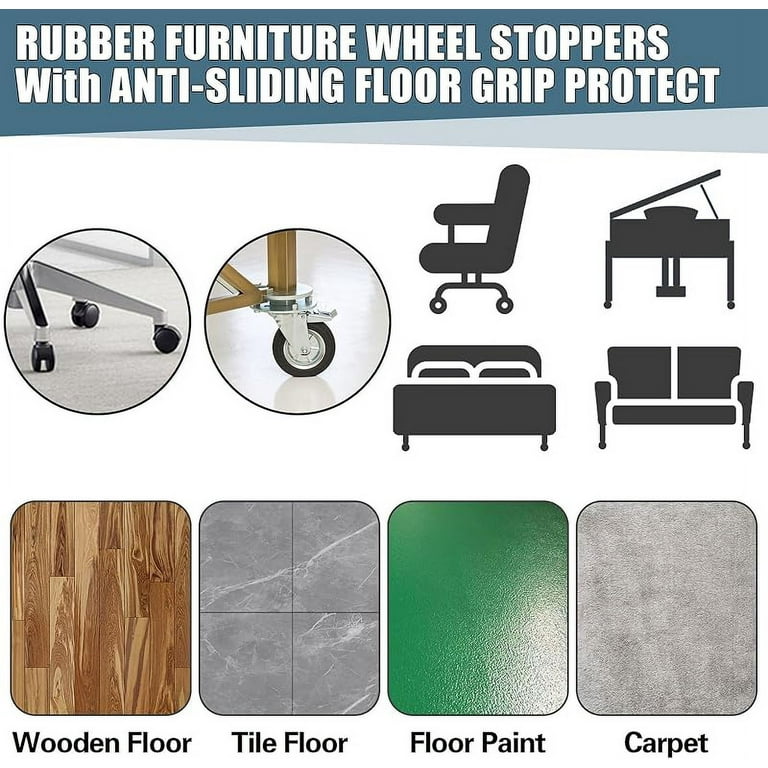
Tile’s ultra-smooth surface demands aggressive grip solutions. Standard felt pads fail here because they compress under weight, reducing contact area. You need rubber cups that cradle each leg fully.
Choosing Tile-Specific Grippers
Look for cups with open-bottom designs (like inverted bowls) that trap dust and moisture—common on tile—to increase adhesion. Test grip strength by pressing a cup onto your shower floor; if it sticks firmly when pulled sideways, it’ll work under your bed. Avoid silicone-based pads, which lose traction when damp.
Installation Pro Tip
Clean tile thoroughly with rubbing alcohol first. Any residue from floor cleaners creates a barrier. Press each cup onto legs with 20 seconds of firm pressure—this activates the adhesive without leaving marks when removed.
Fix Sliding Bed Frames on Laminate Using Residue-Free Grippers

Laminate’s scratch-resistant coating fights bed frame sliding but attracts a hidden enemy: static electricity. This subtle charge actually repels standard rubber pads, making your bed “glide” farther than on hardwood.
Non-Damaging Solutions for Renters
Use self-adhesive rubber grippers labeled “removable” or “rental-safe.” These contain weaker adhesives that release cleanly after 6-12 months. For immediate results, cut rubber drawer liner into 2×2 inch squares—no adhesive needed. The textured surface grips laminate while protecting against scuffs.
Why Tape Fails on Laminate
Double-sided tape seems logical but backfires: laminate’s smooth surface prevents proper adhesion, causing tape to peel and leave sticky residue. If you must use tape, choose ultra-thin anti-vibration strips designed for electronics—they bond cleanly and handle weight shifts better.
Secure Bed Frames on Low-Pile Carpet With Wide-Base Leg Plates

Carpet seems like a sliding solution but often worsens the problem. Low-pile carpets (like berber) compress under bed legs, creating “pockets” that let frames pivot and shift with each movement.
Distribute Weight With Metal Plates
Place 4×4 inch metal plates (available at hardware stores) under each leg. These spread weight over 16x more surface area than standard feet, preventing carpet compression. For plush carpets, add rubber gripper pads on top of plates—they sink into fibers for anchor-like grip.
Avoid Carpet Tape Traps
Carpet tape designed for rugs fails under bed frames because it’s meant for downward pressure, not lateral forces. When you roll over, the tape stretches and releases. Instead, use furniture leg savers with deep rubber treads—they grip carpet fibers like tire treads on mud.
Install Anti-Tip Straps to Anchor Bed Frames to Wall Studs
When grippers fail, wall anchoring is your nuclear option—especially crucial for households with kids or active sleepers. This stops sliding permanently while preventing tip-overs.
Locate Studs Without a Finder
Knock on your wall: a solid thud means stud; hollow thump means empty space. Studs run vertically every 16-24 inches. Mark two spots 18 inches apart at bed height using painter’s tape.
Step-by-Step Strap Installation
- Drill pilot holes into studs at marked spots
- Attach L-brackets to wall with 3-inch screws
- Loop anti-tip straps through bed frame slats
- Connect straps to brackets and tighten until snug (not rigid)
Warning: Never anchor to drywall alone—it will pull out under pressure.
Prevent Wall Scuffs From Sliding Bed Frames With Invisible Bumpers
Repetitive sliding leaves ghostly scuff marks along baseboards. These aren’t just cosmetic—they signal drywall damage that worsens with each impact.
Foam Bumper Placement Strategy
Cut adhesive foam bumpers (1/2 inch thick) into 1-inch squares. Stick them to the bed frame’s rear corners only—this creates a 1/4-inch buffer zone so the frame never touches the wall. Avoid placing bumpers on front legs; they’ll reduce floor grip.
Why Rubber Bumpers Fail
Thick rubber bumpers compress under weight, shrinking the buffer space. Within weeks, your bed will still hit the wall. Foam maintains consistent thickness and blends with baseboards when painted.
Why Silicone Caulk Dots Work Better Than Tape on Smooth Floors
When grippers peel off, try this pro hack: silicone caulk creates micro-grip points that resist lateral force without residue.
Application Technique That Won’t Damage Floors
- Apply dime-sized caulk dots to the floor where legs sit (not legs)
- Press bed leg firmly onto dots for 30 seconds
- Let cure 24 hours before use
Critical: Use painter’s tape around dots to catch drips. Test in closet first—some floors (like waxed wood) may react.
Test Floor Slope With the Coin Trick for Sliding Bed Frames
Most sliding stems from hidden slopes. Diagnose this in 60 seconds:
The Quarter Roll Test
- Place a quarter on its edge near your bed
- Wait 5 minutes—if it rolls, you’ve found your slope
- Note direction: bed slides toward where coin rolled
Level the floor by adding thicker grippers under uphill legs. For 1/8-inch slopes, stack two rubber pads under affected legs.
Bed Frame Sliding Hazards: Trip Risks and Floor Damage Explained
That gap between your bed and wall isn’t just annoying—it’s a trip hazard responsible for 12% of nighttime falls in adults over 50. Metal legs also gouge floors: a single night’s sliding can create 1/16-inch deep scratches on hardwood.
Silent Damage You Can’t See
Repeated sliding stresses bed frame joints, causing wobbling that accelerates wear. Check slats monthly—if they shift when pressed, your frame is weakening from constant movement stress.
Rental-Friendly Solutions: Stop Bed Sliding Without Landlord Headaches
Renters need removable fixes that won’t trigger security deposit deductions. Your secret weapon? Washable rubber grippers.
The Removable Pad Checklist
- Adhesive type: “Static cling” or “repositionable”
- Thickness: Under 1/8 inch (thicker pads bulge visibly)
- Removal test: Should peel off cleanly after 6 months
Place a large non-slip rug pad under the entire bed—it grips floors without adhesives and hides any minor pad residue.
Hardwood vs. Tile vs. Carpet: Stop Bed Frame Sliding With the Right Fix
| Floor Type | Best Solution | Cost | Time Required |
|---|---|---|---|
| Hardwood | Rubber gripper cups + wall bumpers | $15 | 10 min |
| Tile | Open-bottom rubber cups | $20 | 15 min |
| Laminate | Removable rubber pads | $12 | 5 min |
| Low-Pile Carpet | Metal plates + grippers | $25 | 20 min |
| Heavy Platform Beds | Wall anchors | $35 | 45 min |
Start with floor-specific grippers—90% of sliding stops here. If movement continues after 3 nights, install wall bumpers. For relentless sliders (like king-size platform beds), combine rubber cups with anti-tip straps. Always test solutions in a closet corner first, and replace pads every 6 months as grip degrades. Within one weekend, you’ll eliminate that midnight scraping for good—protecting your floors, walls, and most importantly, your sleep.