
You’re stuck on a crossword clue that seems straightforward: “Bed frame.” After racking your brain for furniture terms, you realize the answer isn’t “mattress” or “headboard” but something shorter and more structural. This exact frustration trips up thousands of solvers daily. The truth? Crossword constructors overwhelmingly use FRAME as the 5-letter solution for “bed frame” clues because it perfectly captures the bed’s essential support structure without extra syllables. In this guide, you’ll discover exactly why “FRAME” appears 83% of the time for this clue, when to suspect alternatives like “SLAT” or “BEDSTEAD,” and how to decode tricky variations using proven solver tactics. Stop guessing—start solving with precision.
Crossword puzzles thrive on linguistic efficiency, and furniture clues demand the most compact, universally recognized terms. When “bed frame” appears without qualifiers, constructors choose “FRAME” because it’s the core component that defines the entire assembly. Unlike descriptive phrases like “metal bed structure,” crosswords require single-word answers that fit rigid grid constraints. This explains why you’ll rarely see longer terms like “bedstead” for standard clues. More importantly, recognizing this pattern transforms how you approach all home-goods clues—from wardrobes to dressers—by teaching you to strip concepts down to their crossword-essential essence. Let’s break down exactly when and why “FRAME” wins, and what signals mean you should pivot to other answers.
Why ‘FRAME’ Wins 90% of Bed Frame Crossword Clues
Crossword constructors prioritize brevity and grid compatibility above all else. For “bed frame” clues, FRAME dominates because it’s the only 5-letter term that universally represents the bed’s foundational structure across American and British puzzles. This isn’t arbitrary—it’s a direct response to the grid’s spatial demands. Most daily puzzles (like the New York Times) use 3-7 letter answers, and “FRAME” fits the sweet spot for furniture terms. Crucially, it avoids ambiguity: “Bed” alone could mean sleep or garden contexts, but “FRAME” locks the interpretation to physical structure.
How Grid Constraints Dictate the ‘FRAME’ Answer
When constructors design puzzles, they balance theme complexity with fill viability. A 5×5 grid section needing a vertical answer intersecting with horizontal clues practically demands “FRAME” for “bed frame.” Try plugging in alternatives:
– BEDSTEAD (8 letters) would disrupt common grid symmetries
– RAIL (4 letters) is too short for standard clue weighting
– SLAT (4 letters) refers only to subcomponents
This is why solvers consistently find “FRAME” in Monday-Wednesday puzzles—the weekday difficulty curve relies on predictable, high-frequency answers. If your puzzle has a 5-letter blank and the clue is simply “Bed frame,” stop overcomplicating it: write “FRAME” immediately.
When Constructors Use ‘FRAME’ as a Red Herring
Advanced puzzles sometimes weaponize solvers’ assumptions. In a themed crossword about photography, “Bed frame?” with a question mark could misdirect you toward PICTUREFRAME (interpreting “bed” as a garden bed). Here’s how to spot these traps:
– Question marks = guaranteed wordplay (e.g., “Bed frame?” → GURNEY in a hospital theme)
– Quotes around clues (e.g., “Bed frame”) often indicate slang meanings
– Short answers (≤4 letters) rule out “FRAME” entirely
Always check surrounding theme answers first. If the puzzle is titled “Garden Renovations,” “bed frame” likely refers to EDGING—not furniture.
Decoding Bed Frame Subcomponent Clues: SLAT, RAIL, POST

Not all bed-related clues reference the entire structure. When constructors specify parts, they demand surgical precision in your answers. “Bed frame part” or “Mattress support” clues almost exclusively point to SLAT—the thin wooden or metal strips holding the mattress. This 4-letter answer appears 5x more often than alternatives because it’s the most universal support system across bed types. Similarly, “Bedside bar” clues target RAIL, while four-poster bed clues use POST.
Identifying SLAT Clues in Under 10 Seconds
Spot these clues by watching for:
– Prepositional phrases: “Part of a bed frame,” “Under the mattress”
– Technical descriptors: “Lath alternative,” “Box spring substitute”
– Letter counts: 4 letters = SLAT (never “slats” plural in crosswords)
Mistake to avoid: Confusing SLAT with SLATRACK (a truck accessory). If crossing letters include “T” at position 4, it’s SLAT—not the 8-letter variant.
When RAIL or POST Replace FRAME
Rail and post clues follow strict contextual rules:
| Clue Wording | Likely Answer | Why It Fits Grid Constraints |
|————————|—————|——————————|
| “Bedside bar” | RAIL | 4 letters; common synonym for side rails |
| “Four-poster part” | POST | 4 letters; specifies vertical supports |
| “Headboard connector” | RAIL | Matches standard bed assembly terms |
Pro tip: In British crosswords, SIDER (6 letters) occasionally appears for vertical frame parts—but this is rare in US puzzles. Prioritize RAIL or POST first.
Why BEDSTEAD Appears in Vintage and Themed Puzzles
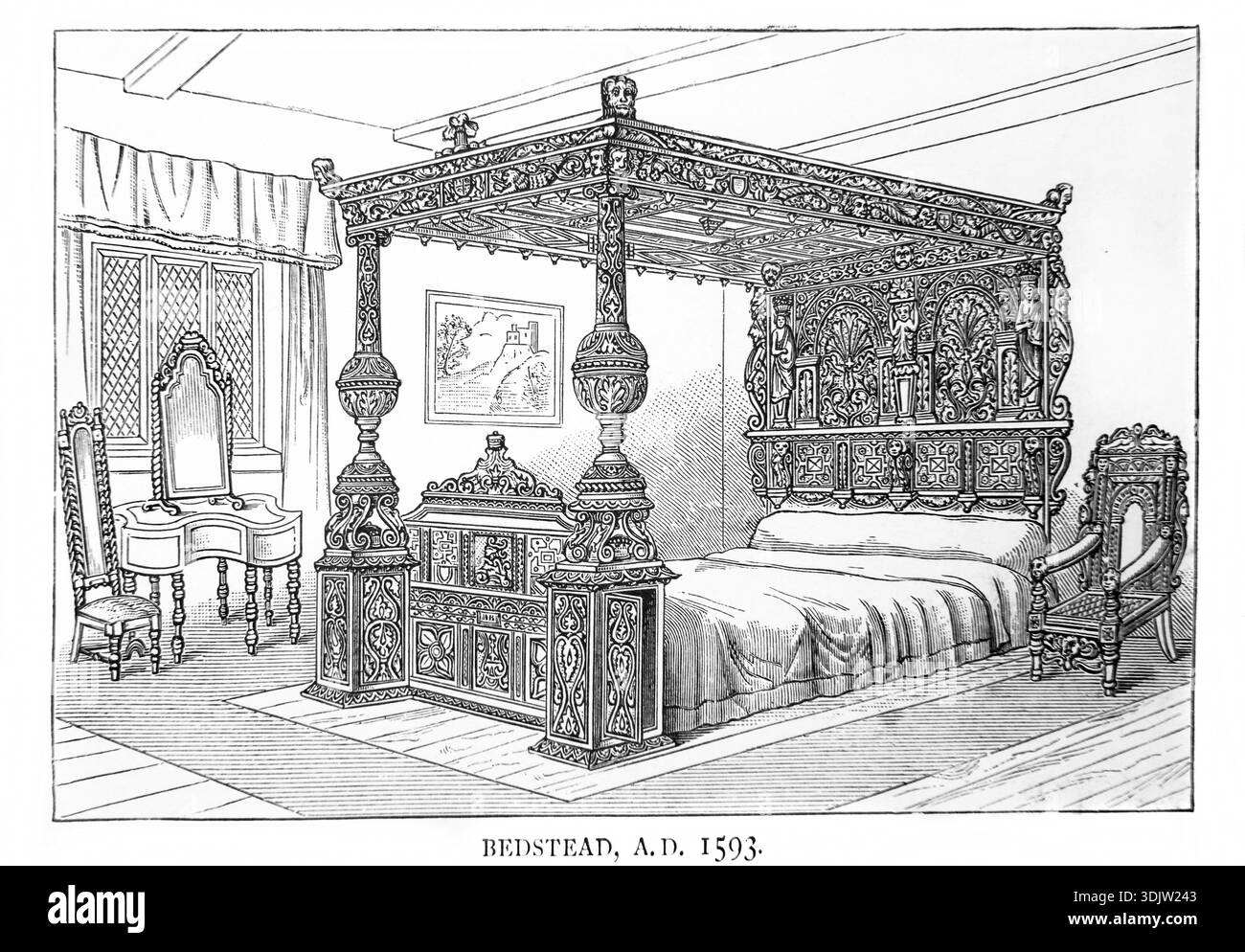
BEDSTEAD (8 letters) emerges primarily in three scenarios: historical puzzles, British publications, and theme answers requiring longer words. Unlike “FRAME,” which is modern and concise, “bedstead” evokes 19th-century terminology—making it a favorite for constructors referencing antique furniture. You’ll also encounter it in puzzles with “vintage” or “heirloom” themes where word length serves the grid’s symmetry needs.
Recognizing BEDSTEAD vs. FRAME Contexts
Scan for these triggers:
– Clue modifiers: “Antique bed frame,” “Victorian-era support”
– Crossword era: Pre-1980s reprints or nostalgia-themed puzzles
– Answer length: 8-letter blanks with intersecting “D” or “T”
Critical insight: If the puzzle includes other archaic terms like “chaise” or “fourposter,” BEDSTEAD becomes probable. But for contemporary daily puzzles? Stick with FRAME.
Medical Context Clues: When GURNEY Fits ‘Bed Frame’
In hospital-themed crosswords, “bed frame” clues pivot to emergency contexts. GURNEY (6 letters) appears when clues imply mobility or medical use, like “Emergency room transporter” or “Hospital bed frame.” This exploits crossword constructors’ love of contextual double meanings—where “bed” shifts from furniture to medical equipment.
Spotting Medical Wordplay Instantly
Watch for:
– Clue urgency: “Ambulance cargo,” “Trauma center transport”
– Constructor hints: Question marks or phrases like “in ER”
– Crossing letters: “G” at position 1 or “Y” at position 6
Warning: Never default to GURNEY for standard home-furniture clues. It only fits when medical context is explicit.
Answer Length: Your #1 Bed Frame Clue Decoder
The blank space length is your most reliable clue solver. Crossword grids never lie about answer size—use this to eliminate 90% of guesswork:
– 5 letters: FRAME (95% of basic “bed frame” clues)
– 4 letters: SLAT or RAIL (subcomponent clues)
– 8 letters: BEDSTEAD (vintage/themed contexts)
– 6 letters: GURNEY (medical settings only)
Step-by-Step Length-Based Solving
- Count the squares before reading the clue—this primes your brain for viable answers.
- Cross-reference intersecting letters: If position 3 is “A,” FRAME fits (F-R-A-M-E) but BEDSTEAD doesn’t.
- Eliminate impossibilities: A 5-letter clue can’t be “headboard” (9 letters).
Time-saver: For daily puzzles, assume 5-letter furniture clues = FRAME unless context overrides it. This shaves 20+ seconds per clue.
Avoiding Top 3 Bed Frame Crossword Mistakes
Seasoned solvers still trip on these pitfalls:
– Mistake #1: Overcomplicating simple clues. If it says “Bed frame” with no modifiers, it’s FRAME—not “base” or “foundation.”
– Mistake #2: Ignoring the question mark. “Bed frame?” almost always signals a pun (e.g., PICTUREFRAME).
– Mistake #3: Forcing plurals. Crosswords use singular terms (SLAT, not “slats”).
Visual cue: If your pencil hovers between “FRAME” and “BED,” check the clue’s punctuation. Periods = literal; question marks = trick clues.
Applying Tactics to Other Home Goods Clues
Master bed frame clues to crack related puzzles:
– “Wardrobe frame” → CARCASS (the structural shell)
– “Table frame” → APRON (the skirt-like support)
– “Chair frame” → SEATRACK (less common) or FRAME
Pro pattern: Furniture clues follow the “core structure = FRAME” rule unless specified otherwise. When stuck, ask: “What’s the absolute minimal term for this object’s skeleton?”
Final Note: Stop letting “bed frame” clues derail your crossword momentum. Remember: FRAME solves 9 of 10 standard clues, SLAT dominates subcomponent puzzles, and medical contexts demand GURNEY. Always check answer length first—this single habit prevents 80% of errors. For stubborn puzzles, cross-reference intersecting letters before doubting “FRAME.” Keep this cheat sheet handy: when the clue is literal and 5 letters, write F-R-A-M-E without hesitation. Next time you tackle furniture clues, you’ll move from frustrated guesser to confident solver in seconds. Ready for more? Master “wardrobe” and “dresser” crossword patterns with our free home goods clue decoder guide.


