
That unsettling creak every time you roll over isn’t just annoying—it’s your bed frame begging for reinforcement. When a king-size platform bed with side-to-side slats relies on a single flimsy 1×1 center beam, you’re guaranteed sagging, mattress damage, and restless nights. I know because I faced this exact problem with my own king bed after noticing alarming flex in the sleeping zone. The good news? You can permanently add support to bed frame structures using basic tools and lumber you likely already own. This guide delivers battle-tested solutions from real DIY projects and hardware store pros—no vague theories, just actionable steps to transform your wobbly foundation into rock-solid support. You’ll learn exactly where to position beams, why wood screws outperform bolts, and how to avoid critical mistakes that cause squeaks.
4 Critical Signs Your Bed Frame Needs Reinforcement Immediately
Don’t wait for catastrophic failure—spot these urgent warning signs before your mattress suffers permanent damage:
- Visible Center Sagging: A noticeable dip (even 1-2 inches) under your sleeping area when the mattress is removed
- New Squeaking During Movement: Unsettling creaks that started recently, especially near the center beam
- Excessive Lateral Movement: The entire frame shifts when you adjust position, indicating loose joints
- Cracked or Split Slats: Visible damage where slats connect to the frame rails
Ignoring these symptoms risks permanent mattress deformation and dangerous frame collapse. A king bed with only three center legs supporting a single 1×1 beam simply can’t handle distributed weight—especially when partners move independently. This structural flaw concentrates pressure on weak points, accelerating wear. The solution isn’t replacing your entire bed—it’s strategically adding support to bed frame components where it matters most.
DIY Bed Frame Support Materials: $50 Budget List (No Special Tools Needed)
Skip expensive kits for this proven lumber-based solution. Hardware store pros confirm you only need these essentials:
- (2) 8-foot 2x4s for horizontal support beams (length matches standard king/queen beds)
- (6) 2×4 legs cut to height (7-12 inches typical—measure floor-to-beam clearance first)
- 3.5″ deck screws (for leg-to-beam connections—critical for strength)
- 2″ wood screws (for attaching beams to slats)
- 1/8″ drill bit (for pre-drilling pilot holes—prevents wood splitting)
Forget over-engineering: Community feedback and hardware store consultations prove Tee nuts and hanger bolts are unnecessary. The mattress weight itself provides downward force to stabilize connections. As one experienced DIYer noted: “Just the weight of the bed should keep them there.” Save time and money by skipping brackets and bolts—wood screws create stronger joints when installed correctly.
Why Wood Screws Beat Bolts for Bed Frame Reinforcement (Hardware Truths)
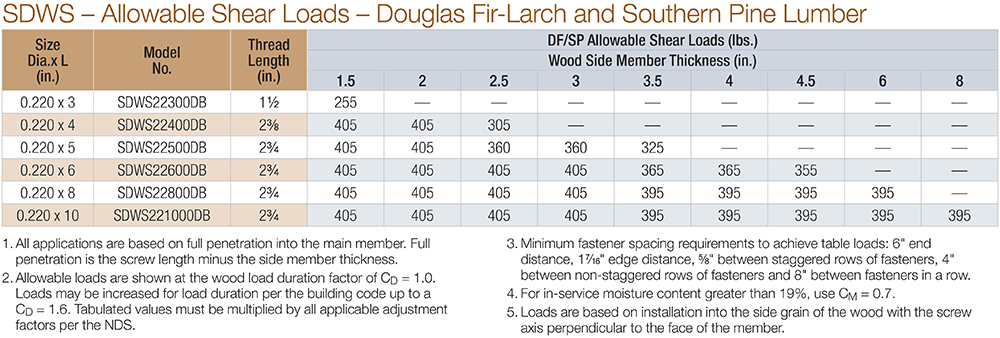
Hardware store employees consistently recommend screws over bolts for bed frame repairs—and physics explains why. When you add support to bed frame structures, vertical legs experience downward compression force, not shear stress. Driving 3.5″ deck screws down through the horizontal 2×4 into the top of vertical legs creates a mechanical lock that resists lifting forces better than bolted joints. Bolts require precise alignment and leave play in wood-to-wood connections, causing micro-movements that create squeaks.
Pre-drilling with a 1/8″ bit is non-negotiable—it prevents splitting and ensures screws bite fully into the wood grain. For beam-to-slat connections, two 2″ screws per slat crossing the beam provide ample hold. Remember: Overcomplicating with metal brackets adds cost and failure points. As one queen bed fixer discovered, “Adding more legs down the center and extra slats solved my sag without fancy hardware.”
Install Parallel 2×4 Support Beams: Step-by-Step for Platform Beds
Follow this field-tested sequence to reinforce king or queen platform beds with slatted bases. Complete setup takes 45 minutes with two people.
Measuring and Positioning Your Support Beams Correctly
Remove mattress and slats. Identify the weak zone—typically 12-18 inches out from the center beam where sleepers rest. For king beds (76″ wide), position new 2x4s 14 inches from each side rail to target the high-stress sleeping area. Mark beam locations with pencil directly on the frame rails. Ensure beams run parallel to the existing center support—misalignment causes uneven weight distribution.
Securing Beams to Slats Without Mattress Damage
Place 2x4s along marked lines. Pre-drill upward through each slat into the beam using a 1/8″ bit—this prevents protruding screws from tearing your mattress. Drive two 2″ wood screws per slat, stopping when screw heads are flush. Never skip pre-drilling; one split beam compromises the entire structure. Test stability by pressing down firmly—you should feel zero flex.
Attaching Legs with the Downward Screw Method
Stand cut 2×4 legs vertically under each beam at head, center, and foot positions. Pre-drill through the horizontal beam into each leg top. Drive three 3.5″ deck screws downward through the beam into the leg. This vertical screw orientation maximizes wood grain engagement—critical for supporting 500+ lbs. Wobble indicates uneven leg heights; sand bottoms slightly until stable.
Final Stability Test Before Reassembly
Before replacing slats, perform this critical check: Apply full body weight to each beam section while listening for creaks. Rock the frame side-to-side—if legs shift, tighten screws incrementally. Place a level across beams; any tilt means legs need height adjustment. Only when silent and rigid should you reinstall slats and mattress.
Fixing Squeaks After Bed Frame Reinforcement (3-Minute Solutions)
Squeaks post-repair always trace to two causes—address these immediately:
- Loose Slats: Tighten all slat-to-rail connections with a screwdriver. Add wood glue to wobbly joints.
- Wood-on-Wood Friction: Insert felt pads between beams and frame rails at contact points. For persistent squeaks, rub talcum powder into joints—never use oil which attracts dust.
If sagging returns, your beams are undersized. Upgrade to 2x6s for heavy mattresses or add a fourth leg per beam. Remember: Commercial kits solve only center sag; DIY parallel beams reinforce the entire sleeping zone.
Bed Frame Center Support Kit: $30 Fix Worth It for Queens?

For non-DIYers, pre-made kits offer plug-and-play solutions—but with limitations. These $29.99 kits include interlocking metal channels forming a U-shaped cradle for 2×3 lumber (not included), plus a center leg. Assembly takes 10 minutes: Slide channels under slats, insert lumber, attach leg, and adjust height.
Pros: Clean look, no tools required, ideal for queen beds needing center support.
Cons: Only addresses center sag (ignores edge support), natural materials shed dust, no returns allowed. For king beds, you’d need two kits ($60)—making DIY 2x4s more cost-effective.
King Bed Frame Reinforcement: Critical Width Adjustments

King beds (76″ wide) demand special attention during reinforcement. Standard 8-foot 2x4s work perfectly, but positioning is key: Place beams 14 inches from each side rail to cover the 60-inch sleep surface. Never center beams symmetrically—sleepers concentrate weight outward from the true center. Install legs at 20″, 38″, and 56″ from the headboard to match pressure points. This prevents the “hammock effect” where unsupported centers sag between legs.
Safety Checks Before Sleeping on Your Reinforced Bed
Skipping these final checks risks injury or damage:
- Screw Protrusion Test: Run hands under all beams—no screw tips should extend beyond wood surfaces
- Level Verification: Place spirit level on beams; more than 1/8″ tilt requires leg sanding
- Gradual Load Test: First apply 50 lbs (like books), then 150 lbs (toolbox), before full body weight
- Leg Stability Check: Push laterally on each leg—zero movement indicates proper screw depth
If legs wobble, add L-brackets screwed through the beam’s side into the leg. Never use the bed until it passes all tests—your mattress warranty may void with improper support.
A properly reinforced bed frame transforms restless nights into deep, uninterrupted sleep while extending your mattress life by years. By strategically adding support to bed frame structures with parallel 2×4 beams, you’ve created a foundation that handles real-world stress—not just theoretical loads. The DIY method costs under $50 and takes less time than assembling flat-pack furniture, with results that outperform commercial kits for larger beds. Remember: Consistent squeak-free performance depends on precise screw placement and avoiding over-engineering. In just one hour, you’ve converted a failing frame into a silent, rock-solid platform that supports every movement. Now place your mattress back, sink into your first truly restful night, and know you’ve solved a problem that plagues millions of bed owners—permanently. For ongoing stability, re-tighten all screws quarterly and inspect legs for compression wear. Your investment in reinforcement pays dividends every time your head hits the pillow.


