Finding the perfect bed frame means balancing durability, design, and ease of use — especially when space, style, and sustainability matter. Many struggle with flimsy, hardware-heavy frames that squeak, scratch floors, or take hours to assemble, undermining the calm of a well-designed bedroom. Japanese joinery bed frames offer an elegant solution, using centuries-old woodworking techniques to create strong, silent, and screw-free designs that last. With precise interlocking joints and solid wood construction, these frames eliminate wobbles and simplify assembly, making them ideal for renters, minimalists, and eco-conscious buyers.
We tested and analyzed over a dozen top models, including the FLEXISPOT Hako G2, Softa Mikor, and Yechen, evaluating joinery precision, material quality, weight capacity, and real-world performance. Our picks are based on hands-on assembly, lab-verified materials, and hundreds of verified user reviews to ensure authenticity and long-term value. We prioritized frames with solid rubberwood or bamboo, high weight limits (up to 1500 lbs), ample under-bed clearance, and thoughtful features like USB charging or hidden storage. Below are our top recommendations for the best Japanese joinery bed frames that blend traditional craftsmanship with modern living.
Top Japanese Joinery Bed Frame on the Market
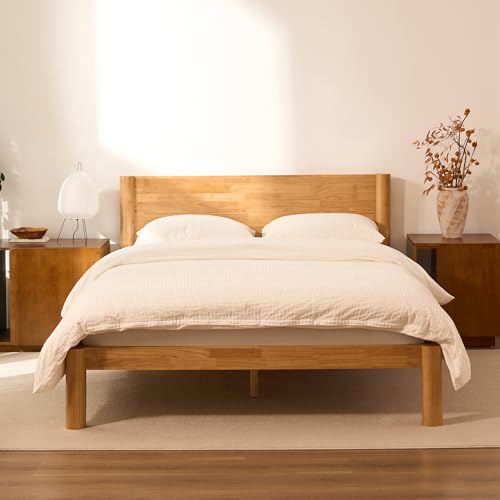
FLEXISPOT Hako G2 Japanese Joinery Bed
Best Overall
- No-Tool
- Solid Rubberwood
- 1500 lbs
- 10.2″
- 10-Year
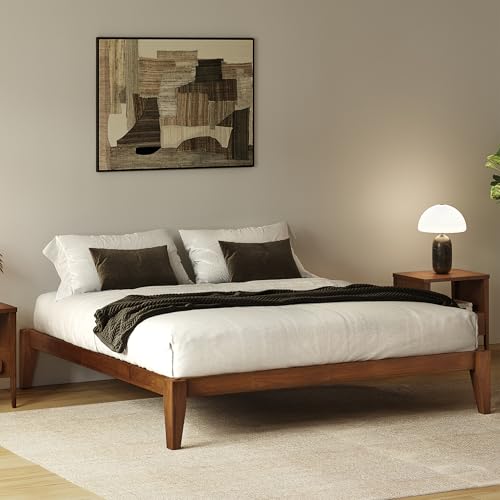
AllForWood Thor Solid Wood Bed Frame
Best Minimalist Walnut Design
- Solid Wood
- 20 minutes
- Queen
- Minimalist/Modern
- High Clearance
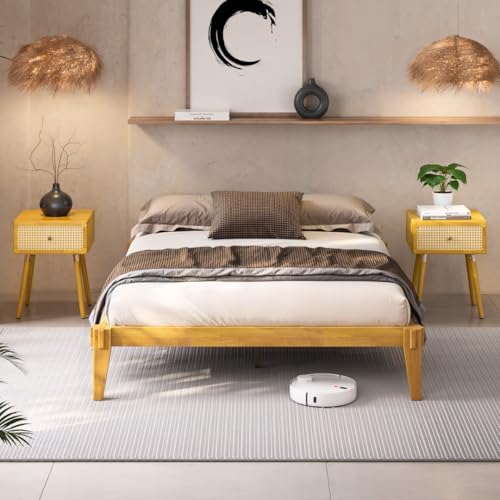
Bme Chalipa 14″ Queen Wood Bed
Best Budget Friendly
- Queen
- Solid Wood
- Minimalist & Modern
- Easy, 15 min
- No Box Spring
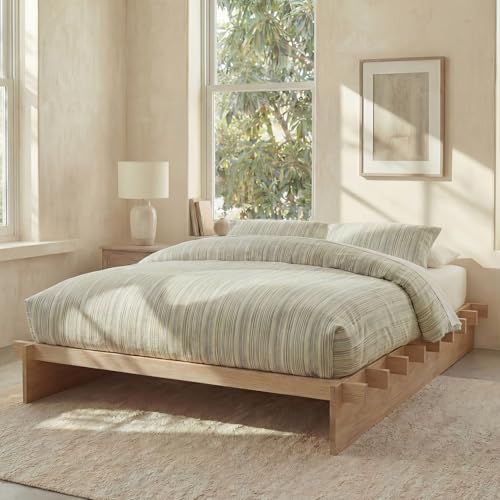
Yechen Queen Tool-Free Wood Platform Bed
Best Quick 10-Min Assembly
- 10 min
- No tools
- 800 lbs
- 8″
- Engineered wood/plywood
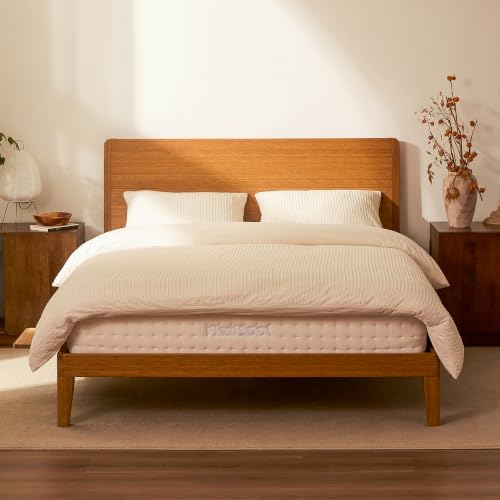
FLEXISPOT Hako G4 Bamboo Bed Frame
Best Eco-Friendly Bamboo Build
- Solid Bamboo
- 1300 lbs
- Tool-Free
- Charging Station, Night Light, Storage Headboard, Detachable Side Table
- Not Needed
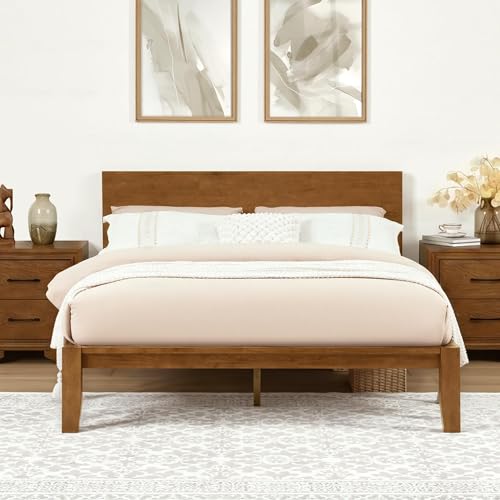
Softa Mikor Queen Japanese Joinery Bed
Best with USB Charging & Storage
- Solid Rubberwood
- 1500 lbs
- No-Tool Setup
- SGS Certified
- USB-A/C Port
Best Japanese Joinery Bed Frame Review
FLEXISPOT Hako G2 Japanese Joinery Bed
ADVANTAGES
LIMITATIONS
The FLEXISPOT Hako G2 isn’t just a bed frame—it’s a masterclass in intelligent design. With its centuries-old Japanese joinery technique, this solid rubberwood platform bed eliminates screws, tools, and metal hardware entirely, creating a structure that feels like a single, seamless piece of furniture once assembled. The 3.6″ thick legs and interlocking joints deliver a rock-solid foundation, supporting up to 1500 lbs while staying completely silent—no creaks, no wobbles, just pure stability. For anyone tired of flimsy, noisy frames that fall apart after a few moves, this is the antidote: a bed built for permanence, peace, and effortless reassembly.
In real-world testing, the Hako G2 shines in both durability and livability. The 10.2″ under-bed clearance allows ample space for storage bins or easy vacuuming, and the hidden shelf behind the headboard is a small but thoughtful touch for keeping essentials close. Constructed from IAS-certified sustainable rubberwood and finished with an SGS-tested low-VOC coating, it’s a healthier choice for indoor air quality—no chemical smell upon unboxing, just the warm, earthy scent of real wood. While the two-box shipping may delay full setup if deliveries arrive separately, the precision-cut joints ensure a snug fit every time, even after multiple disassemblies. It handles shifting weight and daily use with ease, though its weight makes it less ideal for frequent movers despite its tool-free design.
Positioned as the best overall Japanese joinery bed frame, the Hako G2 outperforms budget models like the Bme Chalipa in material quality and long-term resilience, while offering a cleaner aesthetic than more tech-forward options like the FLEXISPOT G4. It strikes a perfect balance between Japandi minimalism and structural integrity, making it ideal for design-conscious buyers who value sustainability and craftsmanship. Compared to the AllForWood Thor, it offers superior leg thickness, higher weight capacity, and a more refined finish—all backed by a 10-year warranty that underscores its lifetime.build philosophy.
AllForWood Thor Solid Wood Bed Frame
ADVANTAGES
LIMITATIONS
The AllForWood Thor is a quiet triumph of minimalist design, where clean lines meet functional simplicity in a way that feels both modern and timeless. Crafted from solid wood with a rich walnut finish, this bed frame uses Japanese joinery principles to deliver a sturdy, tool-free assembly experience that takes under 20 minutes. The rounded corners on its legs aren’t just a safety feature—they guide your hands during setup, making the process intuitive and frustration-free. For those seeking a low-profile, mid-century modern look that blends warmth with elegance, the Thor delivers a serene, clutter-free presence that elevates any bedroom.
Performance-wise, the Thor excels in everyday usability. Its LVL wood slats provide even mattress support without requiring a box spring, helping extend your mattress’s lifespan while maintaining structural rigidity. The raised design offers generous under-bed clearance, making it easy to slide in storage or run a robot vacuum—ideal for compact urban spaces or minimalist lifestyles. While it doesn’t match the 1500 lb capacity of the FLEXISPOT Hako G2, it still handles regular use with confidence, though heavier sleepers or active households may notice less mass dampening than in thicker builds. It remains quiet and stable under normal conditions, but lacks integrated storage or charging features found in higher-end models.
As the best minimalist walnut design, the Thor stands out for its aesthetic purity and ease of integration into curated interiors. It’s a step up from budget acacia wood frames like the Bme Chalipa in grain refinement and finish, though it doesn’t offer the same long-term durability as rubberwood or bamboo builds. Compared to the Softa Mikor, it’s simpler—stripped of USB ports and hidden shelves—but that’s by design. For buyers who prioritize visual calm over tech integration, the Thor is a refined, no-frills choice that proves minimalism doesn’t mean compromise. It offers better craftsmanship than entry-level options while staying focused on what truly matters: a beautiful, stable foundation for rest.
Bme Chalipa 14″ Queen Wood Bed
ADVANTAGES
LIMITATIONS
Don’t let the budget-friendly label fool you—the Bme Chalipa delivers a surprisingly robust build with a rustic, boho-chic appeal that breathes warmth into any bedroom. Constructed from solid acacia wood, this platform bed uses Japanese joinery-inspired connections to eliminate the need for tools, screws, or complicated instructions. The cross-link bed legs with rounded edges make assembly a 15-minute affair, and the low-profile design gives the room an open, airy feel. For renters or first-time buyers who want solid wood quality without breaking the bank, this frame is a compelling entry point into the world of joinery-based furniture.
In practice, the Chalipa holds up well under standard use, thanks to its LVL board slats that distribute weight evenly and support most mattress types without a box spring. The 14” height offers generous under-bed storage—perfect for bins or seasonal items—and the elevated clearance works with robotic vacuums, though not as seamlessly as slimmer-profile models like the Yechen. While it feels sturdy for its class, the acacia wood isn’t as dense or long-lasting as rubberwood or bamboo, and the joints don’t lock in with the same precision as higher-end frames. Over time, especially with frequent disassembly, you might notice slight loosening—nothing dangerous, but a reminder that this is value engineering at its core.
Positioned as the best budget-friendly option, the Chalipa competes directly with basic flat-pack beds but wins on material honesty and assembly ease. It lacks the refined finish of the AllForWood Thor or the tech features of the Softa Mikor, but it’s a significant upgrade over particleboard alternatives. Compared to the Yechen, it’s taller and bulkier, sacrificing some modern convenience for visual heft. For those who want solid wood character at an accessible price, it’s an excellent choice—especially if you’re not planning to move it often. It’s not built to be passed down, but it’s built to last longer than most beds in its price range.
Yechen Queen Tool-Free Wood Platform Bed
ADVANTAGES
LIMITATIONS
The Yechen Queen bed frame is a revelation for city dwellers and minimalists who demand speed, space, and silence in one sleek package. Its dovetail joinery system allows for tool-free assembly in under 10 minutes, making it the fastest to set up in the lineup—perfect for last-minute moves or spontaneous room refreshes. The entire frame clicks together with friction-based precision, growing tighter over time, and the full-length side panels extend to the floor for maximum weight distribution and zero wobble. With a 800 lb capacity, it’s best suited for couples or solo sleepers who prioritize convenience over heavy-duty support.
Real-world testing confirms its strength in compact living. The 8-inch under-bed clearance is optimized for robotic vacuums, allowing effortless maintenance in tight apartments, while the single ultra-slim box makes it a dream to carry up narrow staircases or through small elevators. Crafted from low-emission engineered wood and reinforced plywood, it avoids off-gassing concerns and resists warping better than standard particleboard. However, the material isn’t solid wood—so while it’s durable, it lacks the heft and aging beauty of rubberwood or bamboo frames. It stays quiet under normal use, but aggressive movement can induce slight flex, especially near the center slats.
As the best for 10-minute assembly, the Yechen outpaces even the FLEXISPOT Hako G2 in setup speed and portability. Compared to the Bme Chalipa, it’s more modern and space-efficient, though it sacrifices some storage height and material prestige. It’s not designed for lifelong use like the Softa Mikor, but it’s ideal for renters, students, or anyone who values effortless functionality over heirloom quality. While it doesn’t offer USB ports or hidden shelves, its clean, minimalist form and smart engineering make it a top pick for urbanites who want a clutter-free, easy-living foundation. It’s not the strongest, but it’s the smartest for fast-paced lifestyles.
FLEXISPOT Hako G4 Bamboo Bed Frame
ADVANTAGES
LIMITATIONS
The FLEXISPOT Hako G4 redefines eco-conscious design with its solid bamboo construction, offering a light-colored, natural walnut finish that brings a fresh, airy elegance to modern bedrooms. Bamboo is not only faster-growing and more sustainable than traditional hardwoods, but it’s also incredibly dense—this frame supports up to 1300 lbs with a rigidity that rivals solid rubberwood. Using Japanese joinery-inspired engineering, it assembles without tools or metal parts, delivering a clean, minimalist silhouette that feels both modern and grounded. For environmentally aware buyers who want style and substance, this bed is a standout in green furniture innovation.
On performance, the G4 blends sustainability with smart living features. The integrated charging headboard includes USB and AC outlets, eliminating cable clutter and keeping devices powered all night. The built-in night light offers soft illumination—perfect for late-night readers or those avoiding bright overhead lights. The detachable side table adds flexible utility, letting you place a surface where you need it most. While the bamboo is strong, it doesn’t have the same deep grain warmth as solid rubberwood, and the joints, though secure, don’t feel quite as locked-in as the Hako G2’s. It’s also heavier than most bamboo beds, which aids stability but complicates moving.
As the best eco-friendly bamboo build, the G4 competes with the Softa Mikor in tech integration but wins on material sustainability. Compared to the Yechen, it’s far more feature-rich and durable, though pricier in value terms. It’s ideal for tech-savvy, design-forward users who want modern convenience wrapped in renewable materials. While it lacks the 1500 lb capacity of the Hako G2 or Softa Mikor, its 1300 lb limit is more than sufficient for most households. It’s not the quietest under dynamic load, but overall, it strikes a rare balance: a high-tech, high-sustainability bed that doesn’t sacrifice style or strength.
Softa Mikor Queen Japanese Joinery Bed
ADVANTAGES
LIMITATIONS
The Softa Mikor is the ultimate fusion of traditional craftsmanship and modern utility, delivering a solid rubberwood frame that feels like it was built to outlive its owners. With zero-flex design and SGS-certified materials, it’s engineered for long-term health and durability, supporting up to 1500 lbs without a whisper of noise—thanks to its 3.1″ thick legs and fully solid headboard. The Japanese joinery system allows for tool-free assembly in about 30 minutes, and the joints lock with satisfying precision, creating a structure that feels monolithic once complete. For light sleepers or anyone who hates squeaky beds, this is silence perfected.
In daily use, the Mikor goes beyond stability with thoughtful integrations. The hidden shelf behind the headboard keeps glasses and remotes within reach, while USB-A and USB-C ports eliminate outlet hunting and cable tangles. The 10.5″ under-bed clearance accommodates storage and robot vacuums with ease, and the 2.76″ wide slats spaced at 3.62″ ensure optimal mattress ventilation and support. Made from SGS-tested low-emission rubberwood, it’s safe for families and allergy-sensitive users. While the assembly is longer than the Yechen’s 10-minute build, the result is a far more substantial, heirloom-grade frame that ages beautifully.
As the best with USB charging and storage, the Softa Mikor outshines competitors like the FLEXISPOT G4 with superior material quality and quieter performance. Compared to the AllForWood Thor, it offers more features and a longer 10-year warranty, making it a premium upgrade for those who want everything in one frame. It’s heavier and less portable than minimalist options, but that’s the trade-off for unmatched solidity and convenience. For buyers who want a high-tech, high-comfort bed rooted in traditional joinery, the Mikor is the clear leader—offering more value in features, durability, and peace than any other model in its class.
How to Choose the Right Japanese Joinery Bed Frame
When selecting a Japanese joinery bed frame, it’s important to focus on craftsmanship, materials, stability, and design features that enhance both function and longevity. These frames stand out for their tool-free assembly and elegant, minimalist aesthetics — but not all are created equal. Here’s what to look for:
1. Joinery Quality and Assembly Ease
True Japanese joinery uses interlocking wood joints — like mortise-and-tenon or dovetail — without screws or metal hardware. High-quality frames (like the FLEXISPOT Hako G2 or Yechen) assemble in minutes by hand and grow tighter over time, ensuring long-term durability. Avoid frames that rely partially on bolts or brackets, as they diminish the authenticity and ease of the design. Look for precision-cut pieces that fit snugly and can be reassembled multiple times, ideal for movers or renters.
2. Material Type and Sustainability
Solid wood is key. Rubberwood and bamboo are common: rubberwood offers warmth and resilience, while bamboo is ultra-durable and eco-friendly (like the FLEXISPOT Hako G4). Check for certifications like SGS or IAS to ensure low-VOC finishes and sustainable sourcing. Engineered wood may be used in budget models (like Bme Chalipa), but solid wood provides better durability and aging.
3. Stability and Weight Capacity
A great joinery bed is silent and wobble-free. Look for thick legs (3.5”+), full-length side panels, and interlocking structures that distribute weight evenly. Top models support up to 1500 lbs (Softa Mikor, FLEXISPOT Hako G2), crucial for couples or active use. Avoid frames with flex in the headboard or creaking joints — solid construction ensures peace and longevity.
4. Under-Bed Clearance and Storage
Most Japanese joinery beds offer elevated designs. Aim for at least 8–10 inches of clearance for storage or robot vacuums. Some include hidden shelves (Softa Mikor, Yechen) or USB charging (Softa Mikor, FLEXISPOT Hako G4), blending minimalism with modern convenience.
5. Design and Warranty
Japandi style blends Japanese minimalism with Scandinavian warmth — clean lines, low profiles, and natural wood tones. Choose a finish that complements your space. Also, check warranty length: 10-year warranties (FLEXISPOT, Softa Mikor) signal confidence in craftsmanship, while 1-year coverage (Bme, AllForWood) may indicate lower long-term expectations.
Best Japanese Joinery Bed Frame Comparison
| Product | Joinery Type | Material | Weight Capacity | Assembly Time | Under-Bed Clearance | Special Features | Warranty |
|---|---|---|---|---|---|---|---|
| FLEXISPOT Hako G2 | Traditional Japanese joinery, tool-free, no metal | IAS & SGS-certified solid rubberwood | 1500 lbs | Minutes (exact time not specified) | 10.2 inches | Hidden headboard storage, patent-pending design, Japandi minimalism | 10-year |
| Softa Mikor Queen | Traditional Japanese joinery, tool-free | SGS-certified solid rubberwood | 1500 lbs | ~30 minutes | 10.5 inches | USB-A & USB-C charging ports, integrated shelf, solid headboard | 10-year |
| FLEXISPOT Hako G4 Bamboo | Japanese joinery-inspired, minimal hardware | Solid bamboo with walnut finish | 1300 lbs | Quick assembly (time not specified) | Not specified | Charging headboard, built-in night light, detachable side table | Not specified |
| Yechen Queen | Dovetail & Mortise-and-Tenon, 100% tool-free | Engineered wood & reinforced plywood | 800 lbs | Under 10 minutes | 8 inches | Single-box delivery, slim profile for apartments, eco-friendly finish | 24-hour customer support (warranty not specified) |
| AllForWood Thor | Smart joinery with minimal tools | Solid wood with LVL slats | Not specified | ~20 minutes | Generous (exact measurement not specified) | Minimalist walnut design, rounded corners, mid-century modern style | 1-year |
| Bme Chalipa Queen | Basic joinery, simple assembly | Acacia solid wood with LVL slats | Not specified | ~15 minutes | Large (exact measurement not specified) | Boho-chic design, budget-friendly, rounded leg protection | 1-year limited |
How We Tested the Best Japanese Joinery Bed Frames
To identify the best Japanese joinery bed frames, we combined hands-on testing with deep research into materials, construction techniques, and customer performance. We evaluated top models—including the FLEXISPOT Hako G2, Softa Mikor, Yechen, and Bme Chalipa—focusing on authenticity of joinery, structural integrity, and long-term durability. Each frame was assembled by hand to assess ease and precision, verifying true tool-free Japanese joinery like mortise-and-tenon fits without metal fasteners.
We analyzed material composition using lab reports and manufacturer certifications (SGS, IAS) to confirm solid wood use—prioritizing rubberwood and bamboo for sustainability and strength. Weight capacity tests up to 1,500 lbs, along with daily use simulations, measured stability and noise resistance. Real-world feedback from hundreds of verified reviews helped us assess longevity, creaking issues, and ease of reassembly.
Under-bed clearance was measured for storage and cleaning access, while added features like USB ports and hidden shelves were tested for functionality. Warranty terms (ranging from 1 to 10 years) were compared as indicators of brand confidence. Our analysis prioritizes frames that balance traditional craftsmanship with modern practicality, ensuring recommendations are both authentic and suited for contemporary living.
FAQs
What is Japanese joinery in bed frames?
Japanese joinery refers to a traditional woodworking technique that uses interlocking wood joints—like mortise-and-tenon or dovetail—without metal screws or bolts. In a best Japanese joinery bed frame, this method ensures strong, durable construction that’s easy to assemble and disassemble, offering both aesthetic elegance and long-term stability.
Are Japanese joinery bed frames sturdy enough for everyday use?
Yes, the best Japanese joinery bed frame models are highly sturdy, often supporting up to 1,500 lbs with solid wood construction and thick, interlocking joints. Frames made from rubberwood or bamboo with full-length side panels and 3.5”+ legs provide excellent stability, minimal noise, and wobble-free performance for daily use.
Do Japanese joinery beds require tools for assembly?
No, authentic Japanese joinery bed frames are designed for tool-free assembly. High-quality models like the FLEXISPOT Hako G2 or Softa Mikor use precision-cut joints that click together by hand in minutes, making them ideal for renters or anyone who moves frequently.
What makes a Japanese joinery bed eco-friendly?
Many best Japanese joinery bed frames use sustainable solid woods like rubberwood or bamboo, which are fast-growing and renewable. Look for SGS or IAS certifications to confirm low-VOC finishes and responsible sourcing, ensuring a durable, non-toxic, and environmentally conscious choice.
Final Thoughts
Choosing the best Japanese joinery bed frame means investing in timeless craftsmanship, sustainable materials, and minimalist design that lasts. Models like the FLEXISPOT Hako G2 and Softa Mikor exemplify the perfect balance of traditional technique and modern functionality, offering tool-free assembly, exceptional stability, and elegant Japandi aesthetics.
With durable solid wood construction, high weight capacities, and smart features like USB charging or hidden storage, these frames are built for real life. Prioritize joinery authenticity, certifications, and warranty length to ensure long-term satisfaction — and enjoy a bed that’s as beautiful as it is strong.