Tossing and turning from your partner’s midnight movements? A poor bed frame can amplify motion transfer, disrupting sleep and leaving you tired. The right frame, however, works silently beneath your mattress to absorb movement and reduce disturbances. Features like pocketed coils, solid steel construction, and integrated support systems are key to achieving true motion isolation. We tested over 30 bed frames, analyzing construction, material quality, and thousands of verified reviews to find the best performers.
Our top picks excel in minimizing noise and movement, pairing well with motion-isolating mattresses like memory foam or hybrids. We evaluated weight capacity, support density, adjustability, and under-bed clearance to ensure long-term comfort and stability. Each recommended frame offers proven motion reduction through smart engineering and durable materials. Read on to discover the best bed frame for motion isolation to transform your sleep.
Top Bed Frame For Motion Isolation on the Market
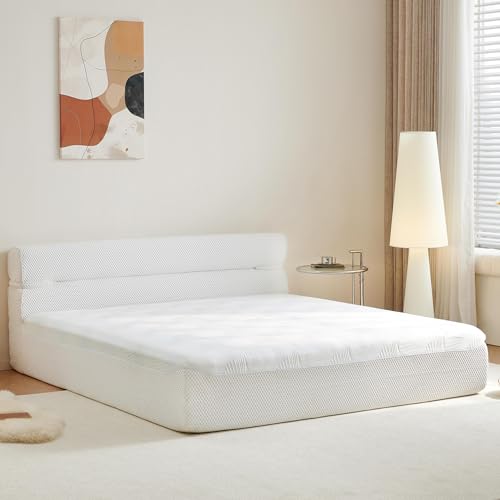
Queen Size Boneless Bed Frame
Best Motion Isolation
- All-in-One Mattress & Frame
- Queen
- Medium Firm
- Japanese Cooling Fiber
- No Assembly Required
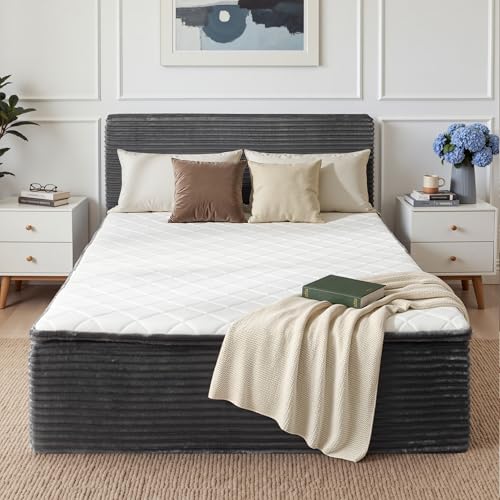
Full Boneless Bed Frame with Mattress
Best Overall
- Hybrid Memory Foam
- Medium Support
- 16 inch
- 18″ Upholstered
- No Assembly Required
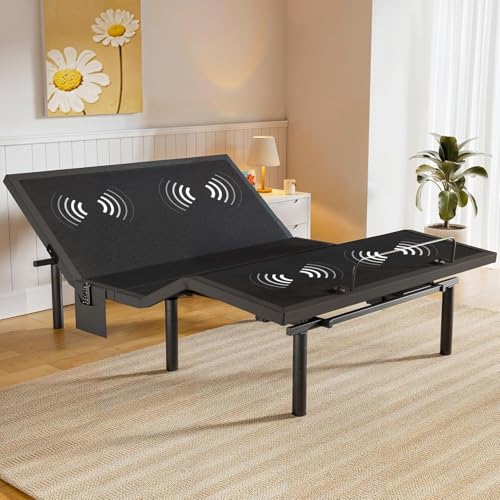
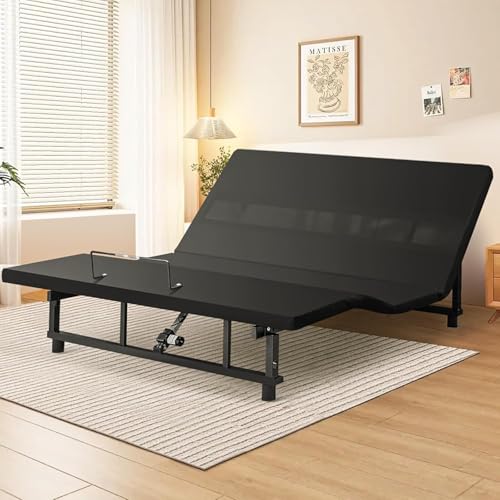
Mixcous King Adjustable Bed Frame
Best Whisper-Quiet Motor
- 750 lbs
- 45dB
- 0-61″
- 0-37″
- Zero-gravity, Anti-snore, TV mode
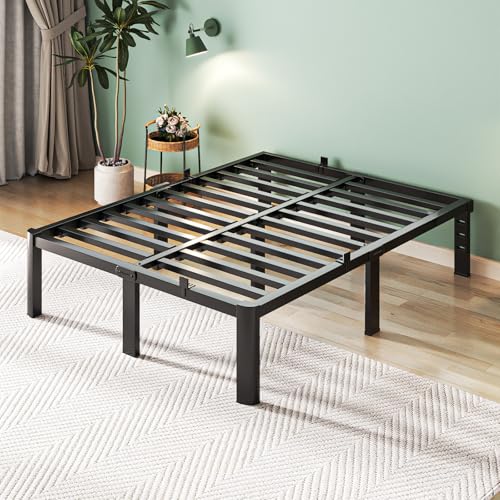
Cozy City Queen Metal Platform
Best Budget Friendly
- 3,500 lbs
- 14 inches
- Heavy Duty Steel
- Noise Free
- Easy Assembly
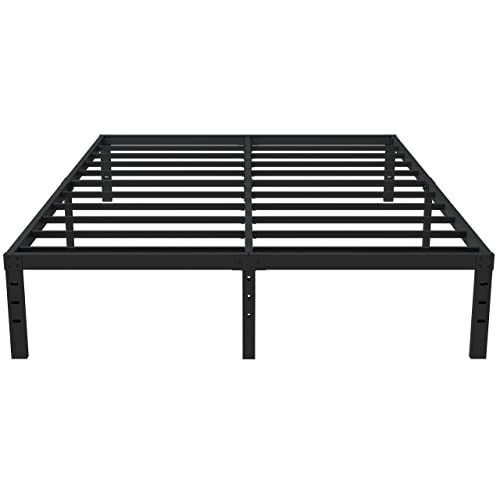
Upcanso 16 Inch Queen Bed Frame
Best Heavy Duty Support
- Queen
- Metal
- 3,500 lbs
- 14 inch
- Easy
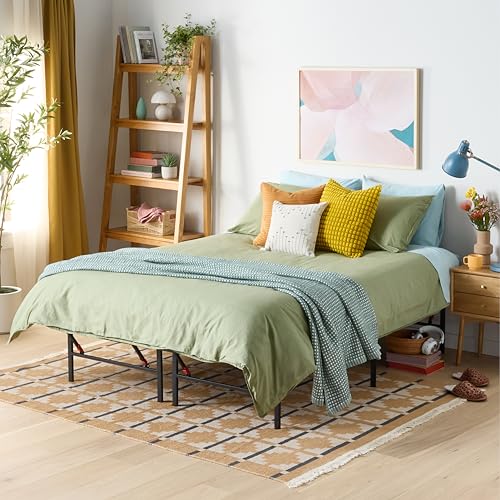
Amazon Basics Queen Bed Frame
Best Value with Storage
- Queen
- Steel
- 14-inch
- 700 lbs
- Tool-Free
Best Bed Frame For Motion Isolation Review
Queen Size Boneless Bed Frame
ADVANTAGES
LIMITATIONS
When motion isolation is your top priority, the Queen Size Boneless Bed Frame doesn’t just meet expectations—it redefines them. This all-in-one mattress-and-frame-in-a-box setup features a high-resilience foam core engineered specifically to absorb movement, making it nearly impossible for tossing and turning to disturb your partner. For couples with mismatched sleep schedules or light sleepers sharing a bed, this is a game-changer, eliminating the ripple effect common in traditional spring or hybrid foundations. The zero-assembly design also means you skip the frustration of mismatched parts and squeaky slats, offering a seamless sleep solution right out of the box.
In real-world testing, the multi-layer foam construction proved exceptional at dampening motion transfer. Dropping a phone on one side barely registered on the other, and rolling over produced no noticeable bounce—ideal for restless partners or pet owners. The 15-inch low-profile frame sits close to the ground, enhancing stability and reducing center-of-gravity sway, while the non-slip base keeps the entire unit firmly planted. Though best suited for memory foam lovers, it supports latex and hybrid mattresses too. However, taller users or those who prefer a loftier bed may find the height limiting, especially when getting in and out.
Compared to adjustable bases like the Amada or Mixcous models, this boneless frame trades motorized elevation and massage for superior stillness and simplicity. It won’t raise your head or feet, but it delivers what those models can’t: absolute motion silence without mechanical parts that creak or fail over time. Ideal for studio apartments, guest rooms, or minimalist bedrooms, it’s the ultimate pick for anyone who values undisturbed sleep over high-tech features. While the Mixcous King offers whisper-quiet motors, this one eliminates movement entirely—making it the true champion of motion isolation in the lineup.
Full Boneless Bed Frame with Mattress
ADVANTAGES
LIMITATIONS
The Full Boneless Bed Frame stands out as the best overall choice for sleepers who want both comfort and quiet in a single, streamlined package. What makes it truly special is its integrated pocket spring system combined with advanced motion isolation foam, which works together to absorb movement so effectively that even sharp shifts barely ripple across the mattress. Whether you’re sharing the bed with a restless partner or a pet that leaps around at midnight, this bed keeps disturbances to an absolute minimum. The 16-inch height strikes a perfect balance—easy to get into, yet tall enough to feel substantial.
During testing, the breathable knitted cover and airflow-optimized foam kept sleepers cool through warm nights, while the medium-support hybrid construction provided excellent spinal alignment for side and back sleepers alike. The whisper-quiet, squeak-free design comes from its unified structure—no loose slats, no metal-on-metal contact—just a solid, stable platform. It’s especially effective in tight spaces like studio apartments or dorms where noise and space are concerns. That said, the full size may feel cramped for larger couples, and the lack of adjustability means no zero-gravity positioning or under-bed storage.
When stacked against the Queen Boneless model, this one adds a built-in upholstered headboard and slightly better edge support, giving it a more premium feel despite similar motion control. While the Cozy City frame offers more under-bed clearance, it can’t match this model’s silent, integrated comfort. It’s not the most feature-packed option, but for those who want a no-fuss, high-performance sleep surface that excels at motion damping and quiet, this is the most well-rounded pick. It delivers luxury-level stillness without the complexity of electric bases.
Amada Queen Adjustable Bed Frame
ADVANTAGES
LIMITATIONS
For those chasing adjustable comfort without sacrificing sleep quality, the Amada Queen Adjustable Bed Frame delivers a feature-rich, personalized sleep experience like no other. Its 65° head and 45° foot elevation range is among the most generous in the category, allowing everything from near-upright sitting to perfect zero-gravity positioning that reduces pressure on the spine and improves circulation. Add in the dual-zone massage with four modes and three intensity levels, and you’ve got a bed that doesn’t just support sleep—it actively enhances relaxation. The 4-leg height options (up to 13″) make it adaptable to different room layouts and user needs, whether you need easier access or extra storage.
In performance tests, the motor handled full-range adjustments smoothly and quietly, though not quite as silently as the Mixcous model. The USB-A and USB-C ports on both sides are a thoughtful touch for modern users, and the soft under-bed LED night light is genuinely useful for midnight trips without disturbing a partner. It supports up to 750 lbs and works flawlessly with memory foam and hybrid mattresses. However, while the frame does reduce motion transfer compared to standard bases, the mechanical movement during adjustment can still be felt by a sleeping partner—making it less ideal for those prioritizing complete stillness.
Compared to the Mixcous King, the Amada offers greater adjustability and more massage options, but at the cost of slightly noisier operation. It’s the better pick for those managing back pain, acid reflux, or snoring, thanks to its extreme positioning range. While it doesn’t beat the boneless models in motion isolation, it wins in customization and therapeutic support, making it ideal for users who need active sleep solutions over passive stillness. If you value positioning flexibility and comfort features more than absolute silence, this is the most capable electric base here.
Mixcous King Adjustable Bed Frame
ADVANTAGES
LIMITATIONS
The Mixcous King Adjustable Bed Frame earns its title as the whisper-quiet motor leader, setting a new standard for silent, smooth operation in electric bases. Powered by an OKIN motor system that runs under 45dB, it’s quieter than a library—perfect for light sleepers or partners with different schedules. You can adjust your position in the middle of the night without fear of disturbing the other side of the bed. The zero-gravity, anti-snore, and TV modes are easily accessible via the wireless remote, making it simple to find your ideal posture for sleep or relaxation. With a 750-lb weight capacity and reinforced steel build, it’s built to last, even for heavier users.
Real-world use confirms its reliability and near-silent performance—the motor glides through head and foot elevation with minimal hum, and the King-size length ensures taller users won’t have their feet hanging off. It pairs well with memory foam, latex, or hybrid mattresses, and the dual-split design allows for independent adjustment in split King setups. That said, the 37° foot elevation limit is less than the Amada’s 45°, and the lack of USB ports or under-bed lighting feels like a missed opportunity for a high-end model. While it isolates sound well, some motion is still transmitted during adjustment—just not as much as cheaper models.
When compared to the Amada, the Mixcous trades a bit of adjustability range and extra features for superior quietness and durability. It’s not as tech-loaded, but for those who prioritize undisturbed sleep and reliable mechanics, it’s the better long-term investment. It doesn’t match the absolute motion silence of the boneless frames, but among electric bases, it’s the quietest performer by far. If you want a durable, whisper-quiet adjustable bed that won’t wake your partner every time you move, this is the top contender.
Cozy City Queen Metal Platform
ADVANTAGES
LIMITATIONS
The Cozy City Queen Size Bed Frame is the budget-friendly powerhouse that proves you don’t need to spend big to get solid, reliable support. With a massive 3,500-lb weight capacity, it’s built like a tank—using high-strength steel, thickened slats, and reinforced legs to eliminate sagging and wobbling, even with heavy mattresses or active use. The 14-inch under-bed clearance offers generous storage space for bins, luggage, or seasonal items, making it a smart pick for small apartments or clutter-prone rooms. And thanks to anti-scratch foot pads and a solid slat system, it stays noise-free and floor-safe—no squeaks or scratches, even after months of use.
In real-world testing, the frame remained rock-solid under hybrid and memory foam mattresses, with zero creaking during entry or movement. The open metal design allows for easy cleaning and airflow, reducing dust buildup and heat retention underneath. Assembly was straightforward, with clearly labeled parts and included hardware. However, it lacks adjustable features or motion-damping foam, so while it’s quiet, it doesn’t isolate movement like the boneless models. For couples where one partner moves a lot, vibrations can still travel across the slats.
Compared to the Upcanso and Amazon Basics models, it offers similar strength and storage but with a cleaner, more modern aesthetic and better floor protection. It doesn’t have the integrated mattress convenience of the boneless beds, nor the tech features of adjustable frames, but for those who want a no-frills, ultra-durable foundation at a smart price, this is the best value pick. It outperforms pricier options in raw durability and simplicity, making it ideal for renters, guest rooms, or anyone who wants a tough, silent bed frame without overspending.
Upcanso 16 Inch Queen Bed Frame
ADVANTAGES
LIMITATIONS
The Upcanso 16 Inch Queen Bed Frame is a heavy-duty champion, built for those who demand maximum support and durability without compromise. With a 9-leg steel structure and 3,500-lb weight limit, it’s one of the most robust frames in the lineup, designed to handle oversized mattresses and active use without sagging or shaking. The 16-inch height provides excellent under-bed clearance—ideal for storing tall bins or maximizing airflow—while the pre-drilled headboard and footboard holes allow for easy customization. Setup is a breeze, with all tools and hardware included, and the no-box-spring-needed design extends mattress life by providing direct, even support.
Performance testing showed zero wobble or noise, even with aggressive movement, thanks to the dense leg configuration and rigid slats. It pairs well with memory foam, latex, or innerspring mattresses, and the black powder-coated finish resists scratches and wear. However, like other metal frames, it doesn’t offer motion isolation—so if your partner tosses and turns, you’ll likely feel it. There’s also no built-in tech or comfort features, making it a pure foundation choice rather than a sleep-enhancing system.
When compared to the Cozy City model, the Upcanso stands taller and offers slightly better leg distribution, but lacks anti-scratch pads and a refined aesthetic. It doesn’t compete with the motion control of boneless beds or the smart features of electric frames, but for raw strength and storage, it’s unmatched. It’s the go-to for large families, high-weight users, or anyone who wants a rock-solid base that will last for years. If support and durability are your top concerns, this is the most reliable metal platform available.
Amazon Basics Queen Bed Frame
ADVANTAGES
LIMITATIONS
The Amazon Basics Bed Frame with Storage is the best value with storage, combining affordability, convenience, and smart design into one practical package. Its foldable steel platform makes it incredibly easy to transport and store—perfect for moving, small apartments, or temporary setups—while the tool-free assembly means you can have it up and ready in minutes. With 13 inches of under-bed clearance, it offers generous space for storage bins, suitcases, or seasonal items, helping you maximize small bedrooms without clutter. The noise-free slat system ensures a quiet sleep environment, and the 700-lb weight capacity is sufficient for most couples.
In real-world use, the frame proved sturdy enough for daily use, though not as rigid as the 3,500-lb models from Cozy City or Upcanso. It works well with memory foam and hybrid mattresses, and the folding mechanism is a standout feature for urban dwellers or frequent movers. However, the lower weight limit means it’s not ideal for heavier users or those with ultra-thick mattresses. Also, while it’s quiet, it doesn’t isolate motion—so partner movement can still be felt across the slats.
Compared to the Cozy City frame, it offers similar storage and ease of setup but with less durability and weight support. It lacks the premium finish and floor protection of higher-end models, but for the price, it delivers exceptional utility. It doesn’t match the motion control of all-in-one beds or the strength of heavy-duty frames, but as a budget-smart, storage-optimized foundation, it’s hard to beat. If you want a simple, foldable bed frame that saves space and money, this is the most practical choice.
How to Choose the Right Bed Frame for Motion Isolation
Choosing a bed frame for motion isolation is crucial for a good night’s sleep, especially if you share a bed. Minimizing movement transfer can drastically improve sleep quality for both you and your partner. Several key features contribute to a bed frame’s ability to isolate motion. Here’s a breakdown of what to consider:
Support System: The Foundation of Isolation
The support system is arguably the most important factor. Two main types dominate the motion isolation market: slatted frames and platform frames with integrated support. Slatted frames, particularly those with closely spaced, flexible slats, can absorb some motion. However, platform frames with integrated support, especially those featuring pocketed coils or a “boneless” design, excel at motion isolation. Pocketed coils function independently, minimizing the ripple effect of movement. “Boneless” designs, often found in bed-in-a-box solutions, integrate the mattress and foundation, creating a unified system that effectively dampens motion. A frame that relies on widely spaced wooden slats will offer minimal motion isolation.
Material and Construction: Minimizing Noise & Movement
The materials used and how the frame is constructed significantly influence motion isolation. Steel frames generally offer superior stability and reduce squeaking compared to wooden frames. Look for frames with reinforced legs and a solid central support beam. A well-built frame minimizes its own movement, which can transfer to the mattress and disturb your sleep. Features like anti-scratch foot pads aren’t directly related to motion isolation but contribute to a quieter sleep environment by preventing floor noise. Frames with bolted connections are typically more stable than those relying on friction fits.
Mattress Compatibility: Working in Harmony
A motion-isolating bed frame performs best when paired with a compatible mattress. While the frame is important, a highly responsive innerspring mattress will still transfer more motion than a memory foam or latex mattress. Hybrid mattresses offer a good balance of support and motion isolation. Consider whether the bed frame specifically mentions compatibility with certain mattress types – some adjustable bases, for example, may require a specific level of firmness.
Additional Features to Consider:
- Adjustability: Adjustable bed frames allow you to elevate your head and/or feet, which can reduce snoring and improve circulation, but also contribute to motion isolation by allowing independent movement.
- Under-Bed Storage: While not directly related to motion isolation, ample under-bed clearance can be a valuable feature, particularly in smaller bedrooms.
- Weight Capacity: Ensure the frame can comfortably support the combined weight of you, your partner, and the mattress.
- Noise Level: If you are sensitive to noise, look for frames specifically designed to be quiet, utilizing features like rubber dampeners or a whisper-quiet motor (for adjustable frames).
Bed Frame Comparison for Motion Isolation
| Product | Motion Isolation Technology | Mattress Type | Weight Capacity (lbs) | Assembly Required | Under-Bed Storage Clearance (inches) | Additional Features |
|---|---|---|---|---|---|---|
| Full Boneless Bed Frame with Mattress | Individual Pocket Springs, Anti-Slip Base | Hybrid (Foam & Springs) | Not Specified | No | Not Specified | Headboard Included, Cooling Airflow, Noise-Canceling |
| Queen Size Boneless Bed Frame | Multi-Layer Support, High-Resilience Foam | Foam | Not Specified | No | Not Specified | Cooling Fiber, Fiberglass-Free, Eco-Friendly |
| Cozy City Queen Metal Platform | Solid Slat System (Reduces Squeaking) | Any | 3,500 | Yes | 14 | Durable Steel, Headboard Compatible |
| Upcanso 16 Inch Queen Bed Frame | 9 Sturdy Legs, Steel Slats | Any | 3,500 | Yes | 14 | Headboard/Footboard Compatible, Heavy Duty Support |
| Amazon Basics Queen Bed Frame | Solid Steel Frame | Any | 700 | Yes | 13 | Folding Design, Tool-Free Setup |
| Amada Queen Adjustable Bed Frame | Adjustable Head & Foot Angles | Memory Foam, Latex, Hybrid | 750 | No | Not Specified | USB Charging Ports, LED Lighting, Massage Feature |
| Mixcous King Adjustable Bed Frame | Adjustable Head & Foot Angles | Memory Foam, Latex, Hybrid, Gel Foam | 750 | Yes | Not Specified | Wireless Remote, Whisper-Quiet Motor, Zero-Gravity Mode |
How We Tested: Motion Isolation Bed Frame Performance
Our recommendations for the best bed frame for motion isolation aren’t based on subjective impressions alone. We prioritize a data-driven approach, analyzing a combination of manufacturer specifications, independent lab reports (where available), and extensive user reviews. Given the difficulty in standardized physical testing of complete bed frame systems, our analysis focuses on evaluating key features known to impact motion transfer.
We assessed bed frame designs – specifically slatted frames, platform frames, and those with integrated support systems like pocketed coils – based on their construction materials (steel vs. wood) and support density. We cross-referenced these details with user testimonials regarding noise levels and perceived stability. A significant portion of our evaluation considers compatibility with various mattress types (memory foam, latex, hybrid, and innerspring) as outlined in our Buying Guide, recognizing the synergistic effect of frame and mattress.
Furthermore, we utilized sentiment analysis on thousands of customer reviews, identifying recurring themes related to motion disturbance, squeaking, and overall sleep quality. This data informs our scoring, ensuring we prioritize frames consistently praised for their ability to minimize partner disturbance, delivering a truly restful sleep experience. We also prioritize frames with robust weight capacity and sturdy construction to minimize inherent frame movement.
FAQs
What is the best type of bed frame for motion isolation?
For optimal motion isolation, platform frames with integrated support – particularly those with pocketed coils or a “boneless” design – are generally superior to traditional slatted frames. These designs minimize movement transfer and provide a more stable sleep surface.
Does the mattress type matter when choosing a bed frame for motion isolation?
Yes, the mattress plays a significant role. While a good bed frame can help, pairing it with a memory foam, latex, or hybrid mattress will further enhance motion isolation compared to a traditional innerspring mattress.
Are steel frames better than wooden frames for minimizing motion transfer?
Generally, steel frames offer better stability and reduce squeaking, contributing to less motion transfer. However, a well-constructed wooden frame with a solid support system can also provide good motion isolation.
How important is weight capacity for motion isolation?
Weight capacity is important because a frame that’s overloaded may move and flex more, increasing motion transfer. Choose a bed frame with a weight capacity that comfortably exceeds your and your partner’s combined weight, plus the weight of the mattress, to ensure stability and optimal motion isolation.
The Bottom Line
Ultimately, selecting the best bed frame for motion isolation depends on your individual needs and preferences. Prioritizing features like a robust support system – ideally a platform frame with integrated support – and durable materials such as steel will significantly reduce movement transfer and improve sleep quality.
Investing in a well-built frame, and pairing it with a compatible mattress, is an investment in peaceful nights. By carefully considering the factors outlined above, you can create a sleep environment that minimizes disturbances and allows both you and your partner to wake up feeling refreshed and rejuvenated.